
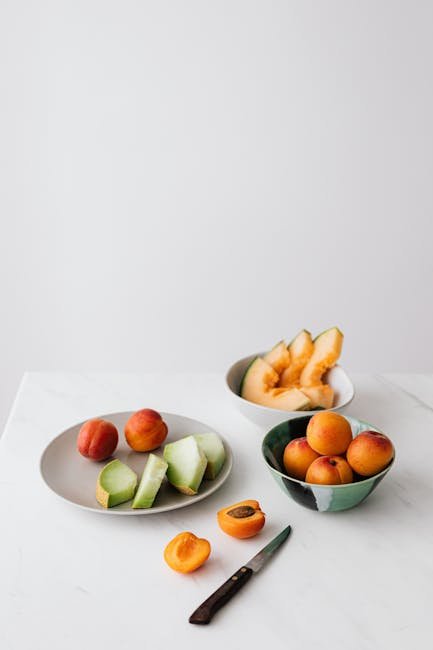
Cutting a cantaloupe can seem daunting, but with the right techniques and a little confidence, you can transform this nutritious fruit into beautiful, ready-to-eat portions with ease. Many home cooks avoid tackling a whole melon due to concerns about slipping, dull knives, or simply not knowing the most efficient way to get to that sweet, juicy flesh. Imagine effortlessly preparing a stunning cantaloupe display for your next brunch, picnic, or healthy snack. Mastering basic knife skills for cantaloupe not only makes this process less intimidating but also saves you valuable time and reduces waste in your kitchen. This guide, complemented by a visual demonstration, will walk you through selecting the perfect melon, choosing the right tools, and executing precise cuts for perfect slices every time. Get ready to elevate your fruit preparation and enjoy the sweet rewards of a perfectly cut cantaloupe.
Selecting the Freshest Cantaloupe
The foundation of a great cantaloupe experience begins with choosing a ripe, flavorful melon. A perfectly ripened cantaloupe offers a balance of sweetness and a refreshing texture, making the cutting process smoother and the final taste exceptional. Understanding ripeness indicators is crucial for both flavor and ease of preparation.
Key Signs of Ripeness to Look For
A ripe cantaloupe often exhibits a distinct creamy, pale yellow to golden hue beneath its characteristic netting, a stark contrast to the greenish tones indicative of an underripe fruit. Pay attention to the aroma; a ripe melon will emit a sweet, musky, and distinctly fruity fragrance, especially noticeable near the stem end. If the stem area is slightly soft and yielding, it's another positive sign. Conversely, a melon that lacks scent or has a firm, green skin is likely not ready to eat and will be tougher to cut cleanly.
Assessing Texture and Weight
When you pick up the cantaloupe, it should feel heavy for its size, suggesting a high water content and juiciness. Gently press the blossom end (opposite the stem); it should yield slightly to pressure but not feel mushy. A melon that is too soft may have already begun to break down internally, leading to a pulpy texture and a messier cutting experience. Trusting the weight and the subtle give at the blossom end will guide you to a melon that is both delicious and easier to handle.
 Choosing a melon that feels heavy for its size often means it's juicier.
Credit: www.youtube.com
Choosing a melon that feels heavy for its size often means it's juicier.
Credit: www.youtube.com
Essential Tools for Cantaloupe Prep
Having the right tools is paramount for safe and efficient cantaloupe preparation. The sharpness and design of your implements directly impact the precision of your cuts, the safety of the process, and the overall neatness of your fruit.
The Best Knives for the Job
A chef's knife is your primary workhorse for cantaloupe. Its broad, sharp blade makes quick work of halving and slicing the melon. For any intricate peeling or trimming around seeds, a small, agile paring knife is invaluable. While a serrated knife can sometimes be helpful for cutting through a very thick rind, a well-honed chef's knife usually suffices. Using anything less than a sharp knife invites danger, as dull blades require more force and are more prone to slipping. For those who enjoy presentation, consider a melon baller, though this tool is for shaping, not slicing.
Prioritizing Kitchen Safety
Safety should always come first when using knives. Always use a large, stable cutting board that won't slide around; placing a damp paper towel underneath can provide extra grip. Maintain a firm, comfortable grip on your knife, keeping your index finger extended along the spine for control. Crucially, always position your fingers away from the blade's path. Work at a steady pace – rushing is a common cause of accidents. Remember, a sharp knife is a safe knife. After use, always store knives securely, ideally in a knife block or on a magnetic strip. For more on maintaining your kitchen's safety and functionality, explore tips on [keeping your kitchen running smoothly] (https://kitchenbucks.com/blog/).
Step-by-Step Guide to Cutting a Cantaloupe
Transforming a whole cantaloupe into appealing, ready-to-eat pieces involves a series of distinct steps, each contributing to a clean, safe, and efficient outcome. Follow this guide to master the process.
1. Preparation: Washing and Stabilizing
Begin by thoroughly washing the cantaloupe under cool running water. Use a vegetable brush to gently scrub the rind, removing any dirt or lingering residues. Pat the melon completely dry with a clean kitchen towel; this prevents the melon from slipping during cutting. To create a stable surface, place the cantaloupe on your cutting board and carefully slice off a small portion of the bottom, creating a flat base. This allows the melon to stand upright securely for the next step.
2. Halving the Melon
With the cantaloupe standing upright on its flat base, position a sharp chef's knife in the center. Using a steady, deliberate motion, slice the melon in half from the stem end to the blossom end. Ensure your fingers are safely curled away from the blade. Repeat this process if you need to quarter the melon for easier handling.
3. Removing Seeds and Inner Pulp
Place each cantaloupe half cut-side down on the cutting board. Use a sturdy spoon to scoop out the seeds and stringy pulp from the center cavity. Employ a firm but gentle scraping motion, ensuring you remove all the fibrous material. For optimal taste and texture, it's important to clear out this central section completely.
4. Creating Wedges or Slices
Turn the melon halves cut-side up. To create wedges, slice each half lengthwise, from the stem end to the blossom end, into sections approximately 1 to 1.5 inches thick. The exact thickness depends on your preference and how you plan to serve the fruit. For bite-sized pieces, these wedges can then be further cut.
5. Removing the Rind
This is where precision comes into play. Take each wedge and hold it firmly, skin-side up. Carefully slide your chef's knife between the flesh and the rind. Work your way along the curve of the wedge, making smooth, continuous strokes to remove the green and white rind, leaving only the orange flesh. Maintain a consistentangle to ensure you're not cutting too deeply into the flesh, thereby preserving as much fruit as possible. This method is significantly more efficient and safer than trying to peel the entire melon rind before slicing.
6. Cubing the Cantaloupe
Lay the rind-free wedges flat on the cutting board. Slice them lengthwise into strips, then turn the board or the strips and slice crosswise to create uniform cubes. Aim for roughly 1-inch cubes, which are ideal for snacking, salads, and fruit platters. Consistent sizing not only enhances visual appeal but also ensures even ripening if you’re incorporating them into a fruit salad. This methodical approach ensures every piece is ready for enjoyment or recipe integration.
Tips for Achieving Perfect Cantaloupe Slices
Beyond the fundamental steps, a few expert tips can elevate your cantaloupe preparation from good to exceptional, ensuring consistent results and reducing frustration.
Maintaining Uniform Thickness and Shape
The key to perfect slices, whether wedges or cubes, is consistency. As you cut, focus on keeping your knife at a steady angle. If you're cutting wedges, try to make each slice the same thickness. For cubes, aim for uniform dimensions. Visualizing the desired end product helps guide your strokes. If your cantaloupe is particularly large or unwieldy, consider quartering it after halving to make it more manageable for slicing and rind removal. Practice is your best ally here; the more you cut, the more intuitive consistent sizing becomes. For an even more professional look when serving, consider using a specialized cantaloupe slicer if you frequently prepare large quantities.
Minimizing Waste and Maximizing Flavor
Don't discard the rind and seeds thoughtlessly. While the rind itself isn't typically eaten raw, it can be used in some creative ways, such as pickling. The seeds, once cleaned and roasted, can be a delicious and healthy snack, similar to pumpkin seeds. When removing the rind, skim only the minimal amount necessary to access the flesh. This approach ensures you maximize the edible yield from each melon. Any small trimmings can be added to smoothies or fruit-infused water. Learning to utilize all edible parts of your produce is a hallmark of efficient kitchen practices, aligning with the principles of reducingfood waste and maximizing value from your ingredients. Exploring smart ways to use every part of fresh produce can be a rewarding part of cooking. For inspiration on resourceful kitchen habits, visit [our blog] (https://kitchenbucks.com/blog/) for more tips and ideas.
Delicious Serving and Storage Ideas
Once your cantaloupe is perfectly prepared, presenting it attractively and storing it correctly ensures it remains a delightful addition to your meals and snacks.
Creative Presentation Techniques
The vibrant orange of cantaloupe flesh lends itself beautifully to a variety of presentations. For a refreshing start to the day, combine cantaloupe cubes with granola and yogurt in parfait glasses. A simple fruit salad is instantly elevated with cantaloupe mixed with berries, honeydew, and a squeeze of lime juice. For a more sophisticated appetizer or palate cleanser, consider pairing cantaloupe slices with prosciutto or a light balsamic glaze. A sprinkle of fresh mint or basil can add a surprising burst of flavor and visual appeal that complements the melon's sweetness. When entertaining, serving cantaloupe in its own shell, hollowed out, can be a charming way to present a fruit medley.
Proper Storage of Cut Cantaloupe
Cut cantaloupe is perishable and requires proper refrigeration to maintain its freshness and prevent spoilage. Once you've finished preparing your melon, immediately transfer any remaining cut pieces into an airtight container or wrap them tightly with plastic wrap. This helps to minimize exposure to air, which can lead to drying out and oxidation. Store the container on the middle shelf of your refrigerator, where temperatures tend to be most consistent. It’s also wise to keep cut cantaloupe away from strong-smelling foods, as its porous flesh can easily absorb unwanted aromas. Properly stored cut cantaloupe generally remains fresh and safe to eat for 3 to 4 days. Always check for any signs of sliminess, unusual odor, or off-color before consuming to ensure quality.
Common Pitfalls to Avoid
Even with clear instructions, certain common mistakes can detract from the ideal cantaloupe cutting experience. Being aware of these pitfalls can help you avoid them and ensure a safer, more efficient, and enjoyable process.
The Danger of a Dull Knife
A primary safety concern is using a dull knife. Dull blades require more pressure to cut, increasing the likelihood of the knife slipping off the melon's surface and causing accidental cuts. Furthermore, a dull knife will tear, rather than slice, the cantaloupe’s flesh, resulting in a messy, unappealing texture. Always ensure your chef's knife is sharp before you begin. Regular sharpening is a crucial part of [maintaining your kitchen tools] (https://kitchenbucks.com/blog/).
Neglecting Stability
A cantaloupe, especially a round one, can easily roll, making it a hazardous item to cut. As mentioned earlier, always establish a flat base by slicing off the bottom end of the melon. This simple step creates a stable platform that prevents the melon from shifting during halving, significantly reducing the risk of slips and injuries.
Cutting Sequence Errors
Attempting to peel the rind off a whole cantaloupe before halving is inefficient and risky. It's far safer and easier to halve the melon first, then remove the rind from each manageable half or wedge. This method provides better control and allows you to utilize the firmer interior flesh as a stable surface against your cutting board.
Incomplete Seed Removal
Leaving behind seeds and the surrounding stringy pulp can make subsequent slicing difficult and lead to an unappetizing texture in your final servings. Ensure you thoroughly scoop out all of the fibrous material before proceeding to slice the flesh.
Inconsistent Portion Sizes
While not a safety issue, cutting uneven pieces results in a less visually appealing presentation. Take a moment to aim for uniformity in your slices or cubes. This attention to detail elevates your cantaloupe preparation from functional to impressive, whether for a casual snack or a formal gathering.


Frequently Asked Questions about Cutting Cantaloupe
Gain clarity on common queries to ensure you're confident in your cantaloupe preparation.
How do you safely cut a cantaloupe?
Safety starts with a clean, thoroughly washed cantaloupe and a sharp knife. Create a stable base by slicing off the bottom. Halve the melon from stem to blossom end, then scoop out seeds. Slice into wedges and remove the rind from each wedge before cubing. Always ensure your cutting board is stable and your fingers are kept away from the blade.
What knife is best for cutting cantaloupe?
A sharp, full-sized chef's knife is ideal for halving and slicing cantaloupe due to its length and stability. A paring knife is useful for detailed work like trimming around the seeds. A serrated knife can be helpful for very thick rinds, but a sharp chef's knife is usually sufficient. Always prioritize sharpness over blade type.
How can I cut cantaloupe quickly?
Speed comes with practice and good preparation. Ensure you have a sharp knife and a stable cutting surface. Halve the melon, scoop the seeds, slice into wedges, remove the rind, and then cube. Each step should be performed confidently and deliberately. Using a large cutting board and a comfortable grip on your knife will allow for faster, more fluid movements without sacrificing safety.
Can I use a video tutorial to improve cutting skills?
Absolutely. Visual demonstrations are incredibly effective for learning knife skills. Watching a video can help you understand the proper angles, hand positions, and movements required for safe and efficient cantaloupe cutting. Seeing the techniques in action can reinforce the written instructions and help you avoid common mistakes.
Conclusion
Mastering the art of cutting a cantaloupe is a simple yet rewarding skill that enhances your kitchen confidence and brings fresh, delicious fruit to your table with ease. By understanding how to select a ripe melon, utilizing the right tools, and following these precise step-by-step techniques, you can consistently achieve perfect slices and cubes. Remember that practice is key; each cantaloupe you prepare will further refine your technique and speed. Embrace the process, prioritize safety with a sharp knife and stable surface, and enjoy the sweet, juicy rewards of your efforts. Your cantaloupe preparations are now ready to impress!
