
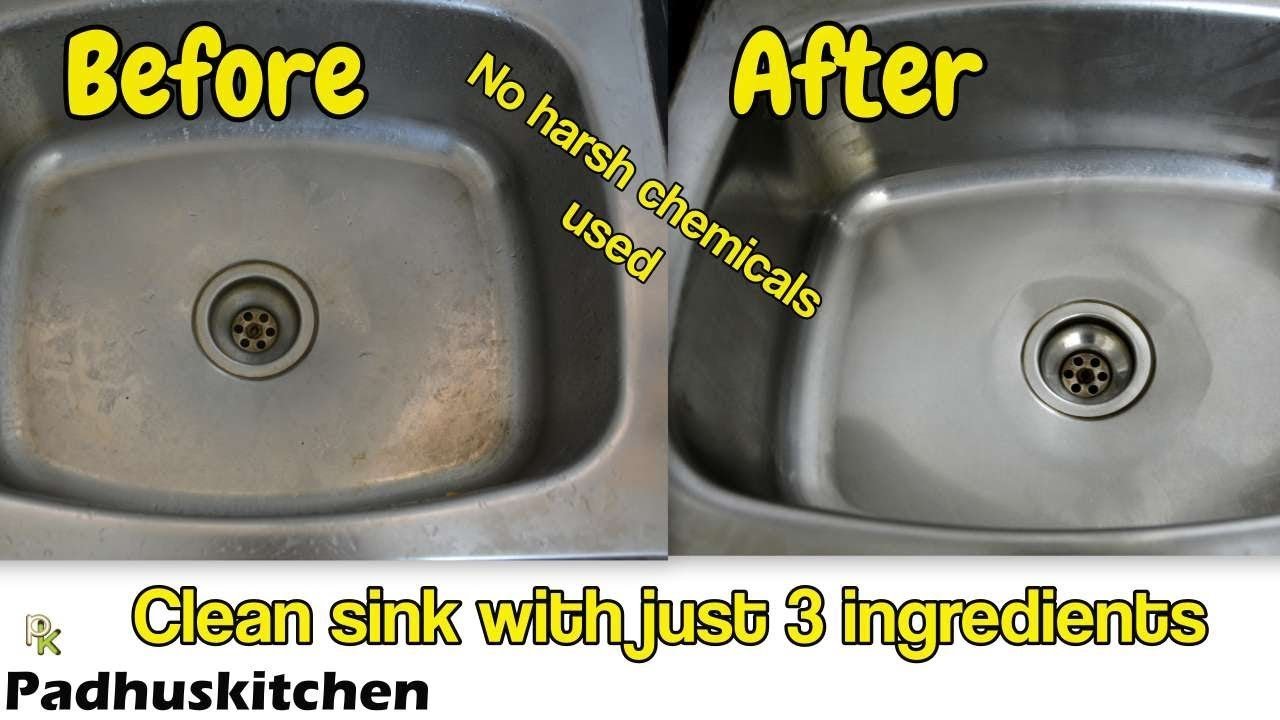
Are you tired of seeing your stainless steel sink look dull and grimy? You’re not alone.
Many people struggle to maintain the shine and cleanliness of their kitchen centerpiece. But what if I told you there’s a simple, foolproof method to make your stainless steel sink sparkle like new? Imagine the satisfaction of walking into your kitchen and seeing a sink so clean it practically glows.
You deserve a kitchen that you’re proud to show off, and it all starts with mastering the art of sink cleaning. Dive into this guide to discover the best way to transform your stainless steel sink from lackluster to luminous, and let your kitchen become the envy of everyone who steps into your home.
Preparation Steps
Start by gathering essential cleaning supplies like baking soda, vinegar, and a soft cloth. Ensure the sink is empty and free of debris before beginning.
Your stainless steel sink is more than just a functional part of your kitchen; it’s a centerpiece that can enhance the overall look of your space. To keep it gleaming and spotless, the right preparation steps are essential before diving into the cleaning process. It’s like getting ready for a big event—each step matters to ensure the final result is stunning. Whether you’re dealing with water spots or stubborn stains, setting the stage with proper preparation will make the cleaning process smoother and more effective. Let’s look at how to get your sink ready for a thorough cleaning.Gather Cleaning Supplies
First things first, you need to gather everything you’ll need. Having all your supplies ready means you won’t have to stop midway and hunt for items. You’ll need a gentle dish soap, a soft sponge or cloth, baking soda, and white vinegar. These are your go-to items that are safe for stainless steel. Consider having a microfiber cloth for the final buff to bring out that shine. If you have a specific stainless steel cleaner, you can add that to your list too. Think about it: how often do you start cleaning, only to realize you’re missing a crucial item? Avoid the hassle by preparing beforehand.Clear The Sink
Next, make sure the sink is empty. Any dishes, food scraps, or utensils should be removed. This simple step ensures you have a clear workspace and prevents any obstructions during cleaning. Take a moment to rinse the sink with warm water. This initial rinse helps loosen any surface grime and gives you a fresh start. Imagine trying to clean around a pile of dirty dishes—it’s not only frustrating but also ineffective. Clearing the sink is a quick win for a seamless cleaning experience. Preparation is key. Ready your supplies and clear the sink—it’s all about setting yourself up for success. Are you ready to see your sink sparkle like new?
Credit: www.youtube.com
Daily Maintenance
Keeping your stainless steel sink shiny involves using gentle soap and warm water. A soft cloth helps prevent scratches. Dry the sink with a towel to avoid water spots, ensuring a clean and gleaming finish every day.
Maintaining the shine and cleanliness of your stainless steel sink doesn’t have to be a daunting task. With a few simple daily habits, you can keep your sink looking pristine and welcoming. Consistency is key, and these small steps can make a big difference in prolonging the life and appearance of your sink. Let’s explore some straightforward techniques for daily maintenance that will help keep your sink in top condition.Rinse After Use
After washing dishes or preparing food, it’s crucial to rinse the sink thoroughly. This simple action prevents food particles and soap residue from building up. Have you ever noticed a dull film on your sink after a busy cooking session? Rinsing helps avoid that, keeping your sink fresh and shiny. Use warm water to effectively wash away any remnants. It’s a quick step that can save you from scrubbing later.Dry To Prevent Water Spots
Water spots can mar the clean look of your stainless steel sink. After rinsing, take a moment to dry the sink with a soft cloth. This doesn’t just prevent spots; it also keeps the sink free from hard water deposits. Consider making it a habit to wipe down the sink at the end of the day. It’s satisfying to start the next day with a spotless sink. By incorporating these daily maintenance tips, you’re not only preserving your sink’s appearance but also enhancing your kitchen’s overall ambiance. Why not give it a try and see the difference?Deep Cleaning Techniques
Stainless steel sinks need more than just a quick rinse. Deep cleaning keeps them shiny and germ-free. With the right techniques, you can maintain their sparkle. Let’s explore effective ways to deep clean your stainless steel sink.
Using Baking Soda And Vinegar
Baking soda is a mild abrasive. It helps remove stains and grime. Sprinkle baking soda evenly on the sink surface. Gently scrub using a soft sponge. Focus on stubborn spots. Rinse well with water.
Vinegar disinfects and shines the sink. After scrubbing with baking soda, spray vinegar. It will foam and fizz. This reaction lifts dirt. Wipe the sink with a clean cloth. Rinse thoroughly to remove all residues.
Applying Dish Soap And Warm Water
Dish soap cuts through grease. Mix it with warm water in a bowl. Use a soft cloth or sponge. Scrub the sink in circular motions. Warm water helps in loosening grime.
Pay attention to the faucet area. Grime often builds up there. After scrubbing, rinse the sink with warm water. Dry it with a microfiber cloth. This prevents water spots and streaks. Your sink will look clean and shiny.
Tackling Stubborn Stains
Stainless steel sinks can lose their shine due to stubborn stains. These marks might seem difficult to remove, but simple household items can help. Using natural cleaners is both safe and effective.
Below, explore how lemon juice and cream of tartar can tackle rust and tough spots. These methods are straightforward and require minimal effort.
Lemon Juice For Rust Marks
Lemon juice is excellent for removing rust marks. The natural acidity in lemons breaks down the rust. Simply cut a lemon in half and rub it over the rusty area. Allow the juice to sit for a few minutes. Then, rinse with warm water and dry with a soft cloth. This method is gentle and leaves the sink smelling fresh.
Cream Of Tartar For Tough Spots
Cream of tartar is a mild abrasive. It is effective on stubborn spots. Mix cream of tartar with a bit of water to form a paste. Apply the paste to the spot and scrub with a soft brush. Leave it for a few minutes before rinsing with warm water. The sink will shine, and tough stains will fade away.
Polishing For Shine
When it comes to maintaining the brilliance of your stainless steel sink, polishing is key. You might clean it regularly, but achieving that perfect shine requires a little extra effort. Imagine the sink reflecting light and looking brand new! Let’s dive into some practical ways to polish your sink for a dazzling shine.
Olive Oil For Gloss
Did you know olive oil can be your sink’s best friend? A simple household item, yet so effective.
After cleaning your sink, put a few drops of olive oil on a soft cloth. Gently rub it over the surface. You’ll notice immediate results—a glossy, streak-free finish that makes the sink look stunning.
Olive oil not only enhances shine but also creates a protective layer against water spots. It’s like giving your sink a mini makeover with minimal effort.
Commercial Stainless Steel Polish
If you’re looking for a more professional touch, commercial stainless steel polish might be your answer. These products are specifically formulated to bring out the shine in stainless steel.
Choose a reputable brand and follow the instructions carefully. Usually, it involves applying the polish with a soft cloth and buffing until you achieve the desired shine.
Wondering if it’s worth the investment? Consider the long-lasting effects and ease of use. A good polish can make your sink look immaculate for weeks, saving you time and effort.
Have you ever tried these methods? Do they bring out the shine as promised? Sometimes, experimenting with different techniques helps find the best fit for your needs.
Take a moment to appreciate the gleaming beauty of your sink. Isn’t it satisfying to see the transformation with just a little polish?
Credit: lifelovelarson.com
Preventive Measures
Keeping your stainless steel sink spotless can be challenging. Yet, preventive measures can make it easier. These steps help maintain the sink’s shine and durability. By following them, you can reduce damage and cleaning time.
Avoid Abrasive Materials
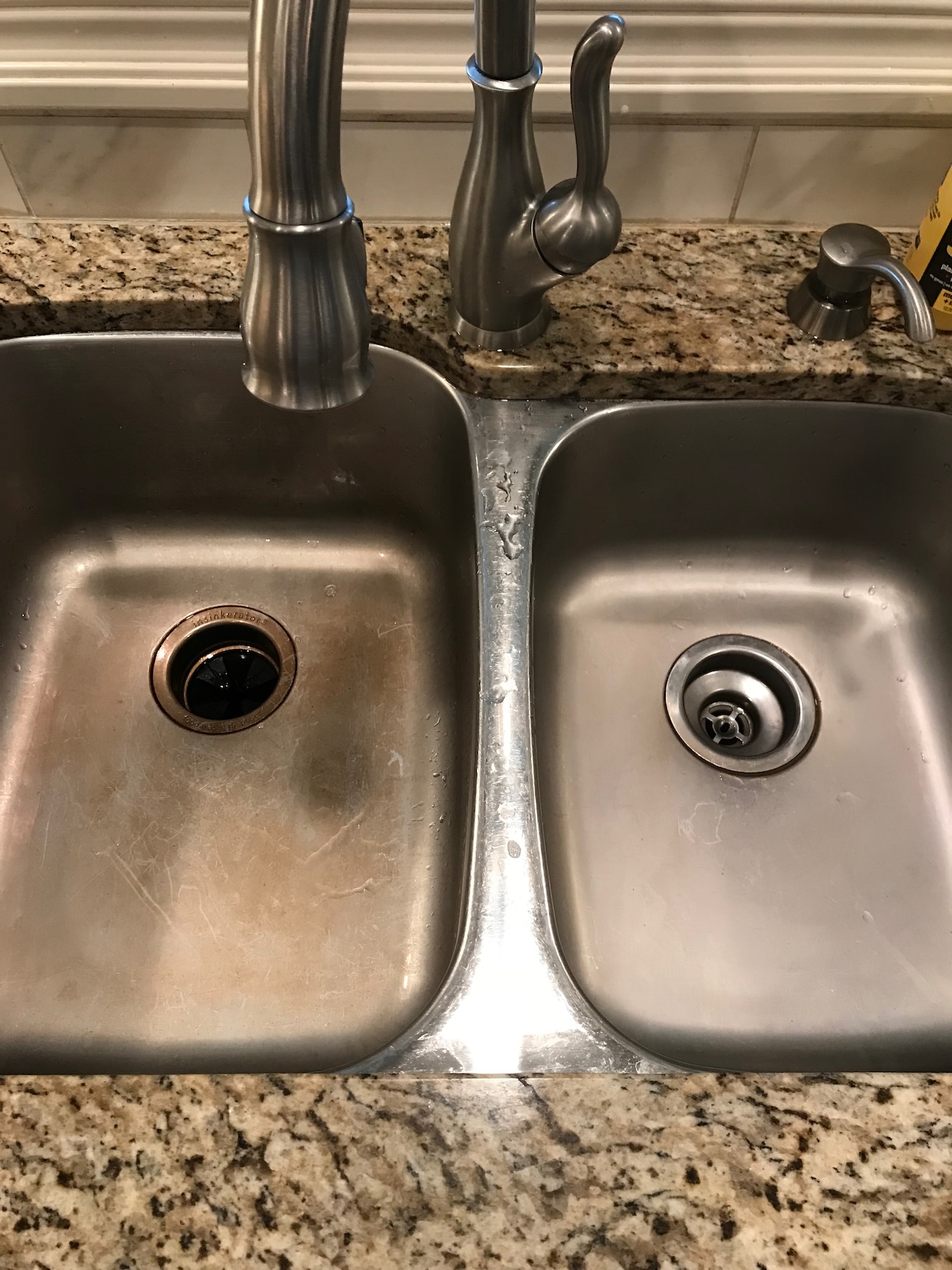
Abrasive materials can scratch your stainless steel sink. Scratches dull the shiny surface and make it look old. Use soft cloths or sponges for cleaning. Avoid steel wool or brushes with hard bristles. They are too harsh and cause damage.
Regularly Clean Drain
Drains can harbor grime and bacteria. Regular cleaning keeps them clear and fresh. Use baking soda and vinegar for natural cleaning. Pour them down the drain, then rinse with hot water. This simple step prevents clogs and odors.
Common Mistakes
Cleaning a stainless steel sink might seem simple. But, many people make common mistakes. These mistakes can damage the sink or reduce its shine. Understanding these errors helps keep your sink looking new. Let’s explore some of these common mistakes.
Using Steel Wool
Many people think steel wool is a strong cleaner. But it can scratch the stainless steel surface. These scratches are hard to fix. They collect dirt and bacteria, making the sink look dull. It’s better to use a soft cloth or sponge. These clean without leaving marks.
Ignoring Hard Water Effects
Hard water leaves mineral deposits on the sink. These deposits create a cloudy film. Over time, this film can be hard to remove. Regular cleaning helps prevent build-up. Use a vinegar solution to break down these minerals. Dry the sink after each use to prevent water spots.

Credit: www.homedit.com
Frequently Asked Questions
What Is The Best Thing To Clean A Stainless Steel Sink With?
Use baking soda and vinegar for effective cleaning of a stainless steel sink. Sprinkle baking soda, scrub gently, and rinse. Follow with vinegar for shine and disinfecting. Dry with a soft cloth to prevent water spots. This method maintains the sink’s appearance and hygiene.
How Can I Make My Stainless Steel Sink Look New Again?
Clean your sink with baking soda and water. Rinse thoroughly, then apply vinegar to remove any stains. Buff with olive oil for shine. Use a microfiber cloth to polish. Avoid harsh chemicals to maintain the finish.
Can I Use Mr. Clean Magic Eraser On My Stainless Steel Sink?
Yes, you can use Mr. Clean Magic Eraser on a stainless steel sink. Always test on a small area first. Use gently to avoid potential scratches.
What Should You Not Use To Clean A Stainless Steel Sink?
Avoid using harsh abrasives, steel wool, and chlorine-based cleaners on stainless steel sinks. They can scratch and damage the surface, reducing its shine and durability. Opt for non-abrasive cleaners and soft cloths for a safe cleaning routine.
Conclusion
Keeping your stainless steel sink clean is simple and rewarding. Use gentle cleaners. Regularly wipe it down to prevent stains. Baking soda and vinegar work wonders. Don’t forget to rinse thoroughly. Dry the surface after cleaning to avoid water spots.
These steps ensure your sink stays shiny and spotless. A clean sink makes your kitchen feel fresh. Enjoy the sparkle every time you use it. With these tips, maintaining its beauty becomes easy. Your stainless steel sink will thank you.
Clean regularly. Feel proud of your gleaming kitchen sink.
