
Figuring out how to stop under kitchen sink smelling while on hiliday starts with identifying the source before you pack. Most foul odors stem from evaporated water seals rather than actual rotting food debris.
The International Plumbing Code requires a two-inch minimum trap seal to block hazardous gases effectively. Understanding this mechanical barrier is the first step toward a worry-free departure.
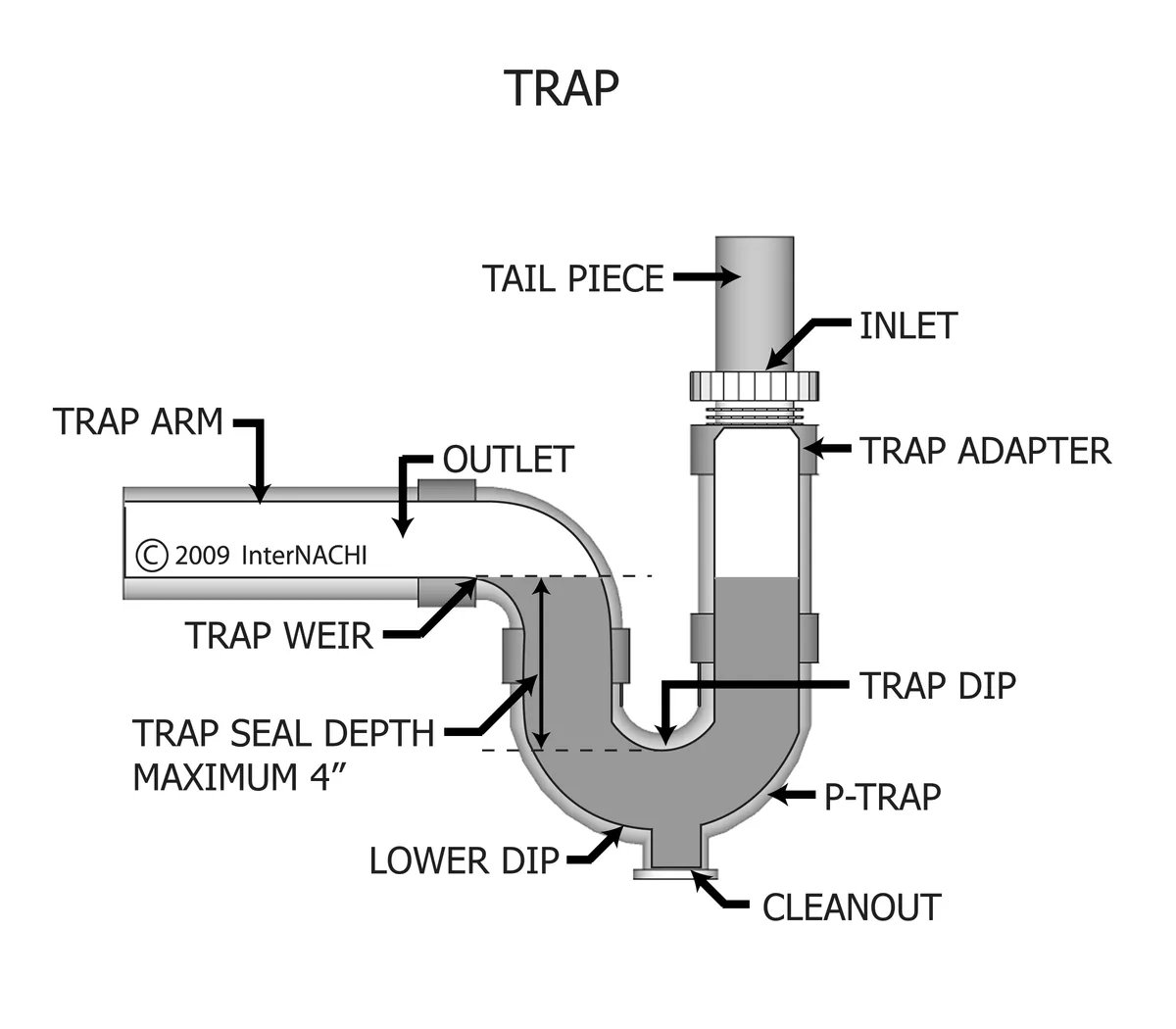
Image source: Web (Bing) / storage.googleapis.com (Web image (fair-use with source credit))
Is It Sewer Gas or Just a Dirty Drain? The Quick Smell Test
Sewer gas smells distinctly like rotten eggs or sulfur due to hydrogen sulfide content. Organic drain odors typically smell sour, musty, or like decaying food waste instead.
You need to distinguish between these two scents because the remedies differ completely. Treating a dry trap with enzyme cleaner wastes time and leaves your home unprotected.
Identifying Hazardous Sewer Gas
A rotten egg smell indicates sewer gas entering through a compromised P-trap seal. This U-shaped pipe holds water specifically to block methane and hydrogen sulfide from entering living spaces.
If the odor intensifies when wind blows outside, suspect a vent stack issue or dry trap. The CDC notes that hydrogen sulfide becomes detectable at concentrations as low as 0.0005 parts per million.
This gas poses genuine health risks beyond mere unpleasantness in enclosed areas. You must address seal failures immediately rather than masking them with air fresheners.
Recognizing Organic Biofilm Odors
Sour or mildew-like smells usually point to bacterial biofilm coating the drain tailpiece. This slimy layer accumulates grease and food particles just above the water line over months of use.
Biofilm odors remain relatively constant regardless of weather or ventilation changes. They do not fluctuate with household water usage patterns like sewer gas often does.
Cleaning this buildup requires mechanical scrubbing or enzymatic treatment before sealing. Simply adding liquid sealant over existing biofilm traps bacteria against pipe walls during your absence.
Why Your P-Trap Dries Out While You’re Away
Water evaporates naturally from unused P-traps within two to four weeks depending on climate conditions. Arid environments accelerate this process significantly compared to humid coastal regions.
Once that water level drops below the trap seal depth, nothing blocks sewer gases. The open pathway allows odors to migrate freely into your kitchen cabinetry.
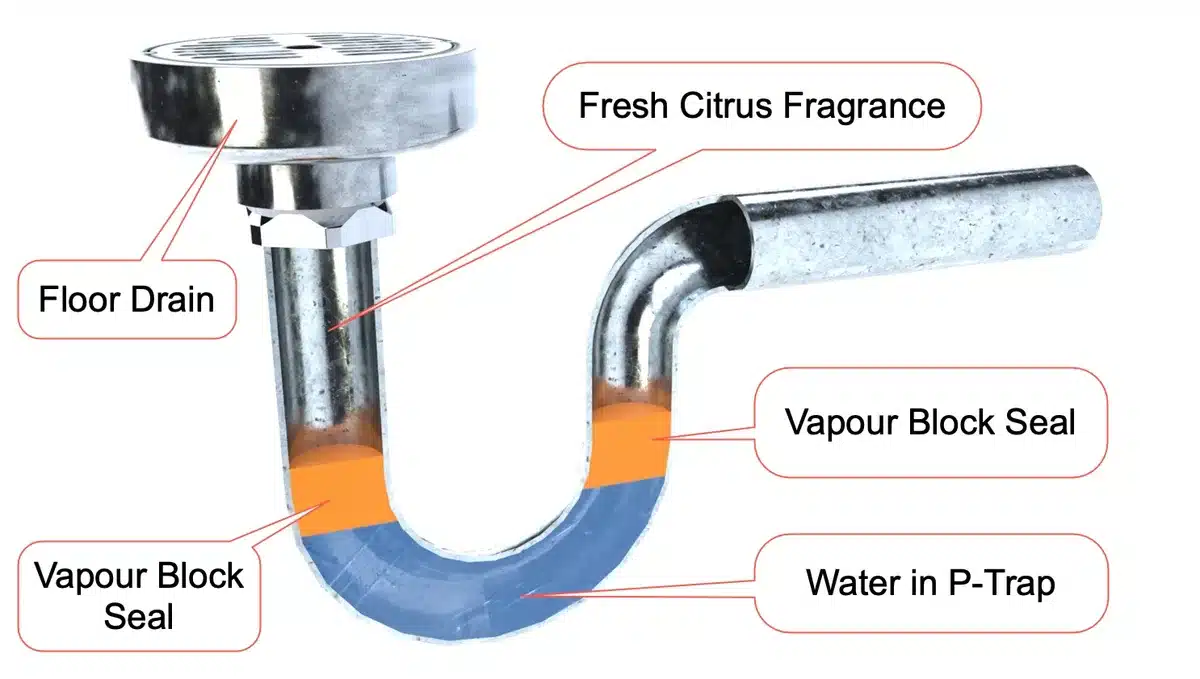
Image source: Bing (Web (fair-use with source credit))
Evaporation Rates and Climate Factors
Standard residential traps hold roughly 1.5 to 3 cups of water at full capacity. Manufacturer specifications indicate complete evaporation can occur in under fourteen days in desert climates.
High temperatures and low humidity create ideal conditions for rapid moisture loss. Air conditioning running continuously while you travel further dries indoor air and accelerates trap depletion.
Homes in tropical zones may retain seals longer but face increased biofilm growth instead. Understanding your local environment helps predict which problem you will likely encounter upon return.
Siphoning and Vent Stack Failures
Improper plumbing venting can siphon water from traps even without direct usage. A blocked vent stack creates negative pressure that pulls water seals down through adjacent fixture drains.
This mechanical failure mimics evaporation but happens much faster and unpredictably. If multiple drains smell simultaneously, investigate pipe configurations underneath double sinks for shared vent issues.
Siphoning problems require professional diagnosis since they involve hidden infrastructure behind walls. Temporary sealants buy time but cannot fix underlying pressure imbalances permanently.
The Pre-Holiday Workflow: Clean, Seal, and Protect
Effective preparation follows a specific sequence to ensure lasting protection throughout your trip. Skipping steps compromises the entire system and invites odor problems mid-vacation.
We recommend completing this workflow forty-eight hours before departure to allow treatments adequate dwell time. Rushing the process reduces effectiveness and wastes effort.
| Step | Action Required | Timing Before Departure |
|---|---|---|
| Mechanical Cleaning | Scrub tailpiece and disposal chamber | 48 hours |
| Enzyme Treatment | Apply biological cleaner overnight | 36 hours |
| Final Flush | Clear residue with hot water | 24 hours |
| Seal Application | Add non-evaporating liquid barrier | 12 hours |
| Verification | Confirm no odors present | 1 hour |
Removing Biofilm Before Sealing
Mechanical removal of buildup is mandatory before applying any protective sealant. Use a bottle brush or drain snake to physically scrape accessible pipe surfaces clean.
Enzyme cleaners work best on pre-cleaned surfaces where bacteria have direct contact. Pouring treatment over thick grease layers prevents active ingredients from reaching embedded colonies.
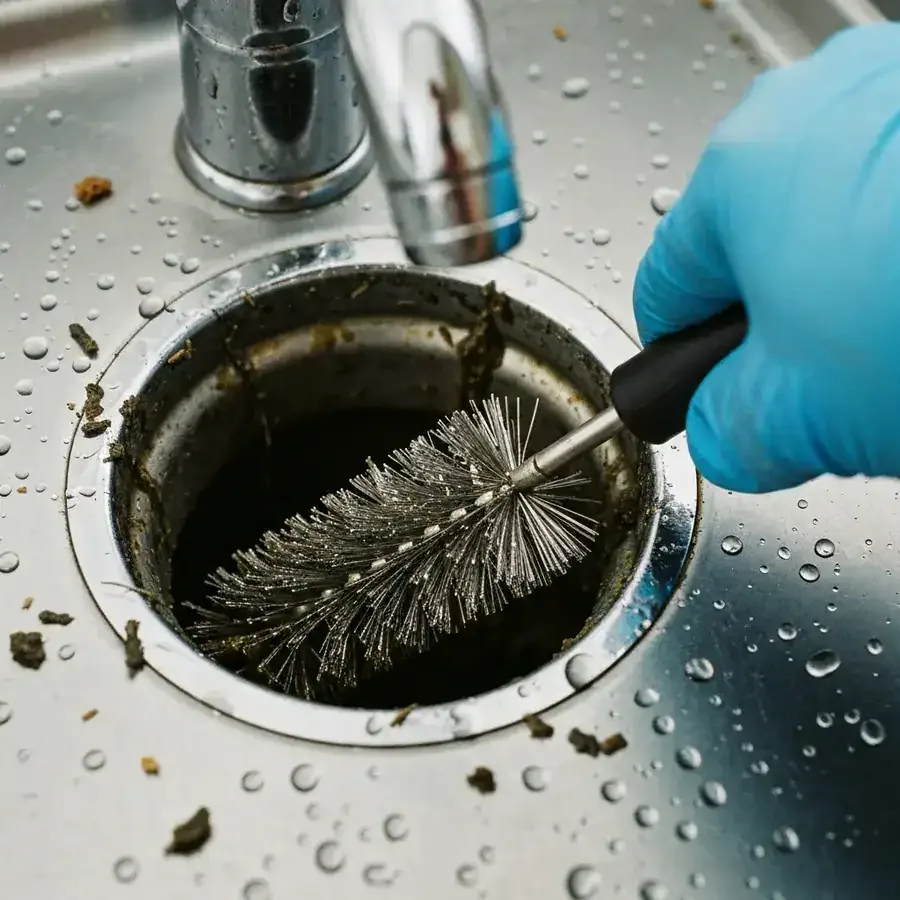
Image source: Web (Bing) / pestzero.blog (Web image (fair-use with source credit))
Check your dishwasher filter maintenance routine since connected appliances share drain pathways. Neglected filters recirculate contaminants back into sink traps during idle periods.
Thorough cleaning ensures your sealant protects bare pipe rather than trapping filth underneath. This distinction determines whether you return to freshness or intensified decay odors.
Applying Non-Evaporating Liquid Barriers
After cleaning and flushing, pour approximately one cup of mineral oil directly into the drain. Oil floats atop remaining water and creates an impermeable vapor barrier that resists evaporation.
Unlike water, mineral oil remains stable indefinitely at room temperature without degrading. It maintains seal integrity far longer than your planned absence duration requires.
Avoid vegetable oils which turn rancid and create new odor sources within weeks. Only petroleum-based or synthetic sealants provide reliable long-term protection for vacant properties.
Choosing the Right Trap Sealant for Long Absences
Not all sealants perform equally across different absence durations and environmental conditions. Selecting the wrong product defeats the purpose of pre-departure preparation entirely.
Your choice should match both expected trip length and local climate characteristics. What works for a week-long beach vacation fails miserably during month-long winter travel.
Image source: Web (Bing) / australianbeesupplies.com.au (Web image (fair-use with source credit))
Mineral Oil Versus Commercial Trap Primers
Food-grade mineral oil offers superior stability and zero rancidity risk for extended absences. It costs less than specialized products and performs identically for residential applications.
Commercial trap primers contain additives designed for commercial high-traffic restrooms rather than homes. These formulations prioritize rapid dispersion over longevity, making them poor choices for vacancies.
Aggregate user reviews consistently favor pure mineral oil for vacation preparation tasks. Simplicity wins when you need predictable performance without unnecessary chemical complexity.
When Mechanical Caps Outperform Liquids
Physical drain plugs provide absolute vapor blocking for absences exceeding three months. Rubber expansion caps create airtight seals that eliminate evaporation concerns entirely.
Liquid sealants still slowly migrate or absorb into porous pipe materials over very long periods. Mechanical barriers remove this variable for seasonal properties left vacant half the year.
Installation requires removing strainers which adds labor compared to pouring oil. Consider this trade-off carefully based on your specific property usage patterns and return timeline.
Verify cap compatibility with your sink material before purchasing to avoid damage. Some metals react poorly to prolonged rubber contact causing permanent staining or corrosion.
Hidden Culprits When the P-Trap Isn’t the Problem
Persistent odors after proper trap sealing indicate alternative contamination sources nearby. Kitchen plumbing involves multiple interconnected systems beyond the primary sink drain alone.
Overlooking these secondary pathways leads to frustrating diagnostic cycles upon return. Systematic elimination saves time and prevents unnecessary repeat treatments.
Dishwasher Check Valve Failures
Dishwashers connect directly to sink drains through check valves preventing backflow. Worn valve flappers allow contaminated wash water to seep backward into drain lines during idle periods.
This slow leakage introduces fresh organic matter into sealed traps continuously. No amount of pre-departure cleaning addresses ongoing contamination from failing components.
Inspect your Bosch dishwasher filter assembly for signs of wear or debris accumulation. Many models integrate check functions within filter housings requiring periodic replacement.
Replacing worn valves costs little compared to repeated odor remediation expenses. Component age matters more than visible condition since rubber degrades internally first.
Garbage Disposal Chamber Accumulation
Disposal chambers harbor biofilm in crevices inaccessible to normal cleaning methods. Food particles lodge under impellers and against housing walls above the water line.
These reservoirs continue producing odors even when downstream traps are perfectly sealed. The smell originates upstream of your protective barrier rendering it ineffective.
Manual chamber cleaning requires disassembly or specialized brushes reaching internal surfaces. Running disposal with ice cubes helps but rarely removes established colonies completely.
Consider professional servicing if odors persist despite thorough trap preparation efforts. Internal component replacement may be necessary for units exceeding ten years of service.
Common Pre-Departure Mistakes That Make Odors Worse
Pouring bleach down the drain before leaving is one of the most damaging pre-trip errors. Chlorine kills beneficial bacteria but leaves behind dead biomass that rots rapidly in stagnant water.
This creates a far worse smell than the original biofilm ever produced upon your return. Enzyme treatments work with biology rather than against it for lasting results.
Using Vegetable Oil Instead of Mineral Oil
Cooking oils like olive or canola seem logical since they are already kitchen staples. These organic fats oxidize and turn rancid within days at room temperature.
You will return to a sour, spoiled grease smell that requires complete pipe degreasing to fix. Only inert petroleum-based oils remain stable without breaking down chemically over time.
Check safe homemade degreaser recipes if you need to remediate this specific mistake later. Prevention through correct product selection avoids unnecessary post-vacation cleanup labor entirely.
Ignoring Connected Appliance Drain Lines
Focusing solely on the main sink basin misses half the potential odor sources in modern kitchens. Dishwashers and garbage disposals share the same drainage pathway and harbor independent contamination.
Neglecting these connected fixtures allows backflow odors to bypass your carefully prepared trap seal. A comprehensive approach addresses every component feeding into the shared waste line.
Review our guide on making dishwashers smell fresh as part of your departure checklist. Treating appliances simultaneously ensures no hidden reservoirs undermine your primary sink preparation efforts.
Skipping this step is the most frequent cause of "mystery" odors returning mid-trip. Systematic coverage beats partial solutions when protecting vacant homes from plumbing issues.
Frequently Asked Questions About Holiday Sink Odors
Can I just run water briefly before leaving instead of using oil?
Running water fills the trap but does nothing to prevent evaporation during extended absences. The water seal will still deplete within two to four weeks depending on humidity levels. Mineral oil creates a non-evaporating barrier that maintains protection indefinitely without requiring anyone to visit your property.
Will baking soda and vinegar keep my drain fresh while away?
This combination provides temporary cleaning but offers zero long-term vapor protection for vacant homes. The reaction neutralizes quickly and leaves no residual barrier against sewer gas intrusion. Reserve this method for routine maintenance rather than relying on it as a holiday preparation strategy for multi-week absences.
How do I know if the smell is dangerous hydrogen sulfide?
Rotten egg odors indicate hydrogen sulfide which poses health risks at sustained exposure levels above ten parts per million. Sweet or sewage-like smells suggest methane accumulation which carries explosion hazards in enclosed spaces. Open windows immediately and contact a licensed plumber if odors persist despite proper trap sealing procedures.
Should I cap the drain physically instead of using liquid sealants?
Mechanical caps provide superior protection for absences exceeding three months where liquid migration becomes possible. Rubber expansion plugs create airtight seals eliminating evaporation concerns entirely for seasonal properties. Installation requires strainer removal so weigh the added labor against your specific vacancy duration before choosing this method.
What if odors return immediately after refilling the trap upon return?
Persistent smells after restoring the water seal suggest upstream contamination in disposal chambers or appliance lines. Biofilm accumulated above the water line during absence continues producing odors regardless of trap status. Mechanical cleaning of all connected components is necessary before resealing to eliminate established bacterial colonies completely.
