
Are you tired of high utility bills while still wanting clean dishes? How to Use a Dishwasher Eco Mode can help you cut water and energy use without sacrificing cleanliness. This setting adjusts cycle length and temperature to be more efficient.
It's available on most modern dishwashers and is easy to activate.
ENERGY STAR certified dishwashers use as little as 3 gallons of water per cycle in eco mode, compared to 5 gallons in a standard wash. That reduction adds up quickly on your monthly bill. Below we break down what eco mode does and how to get the most from it.
How to Use a Dishwasher Eco Mode
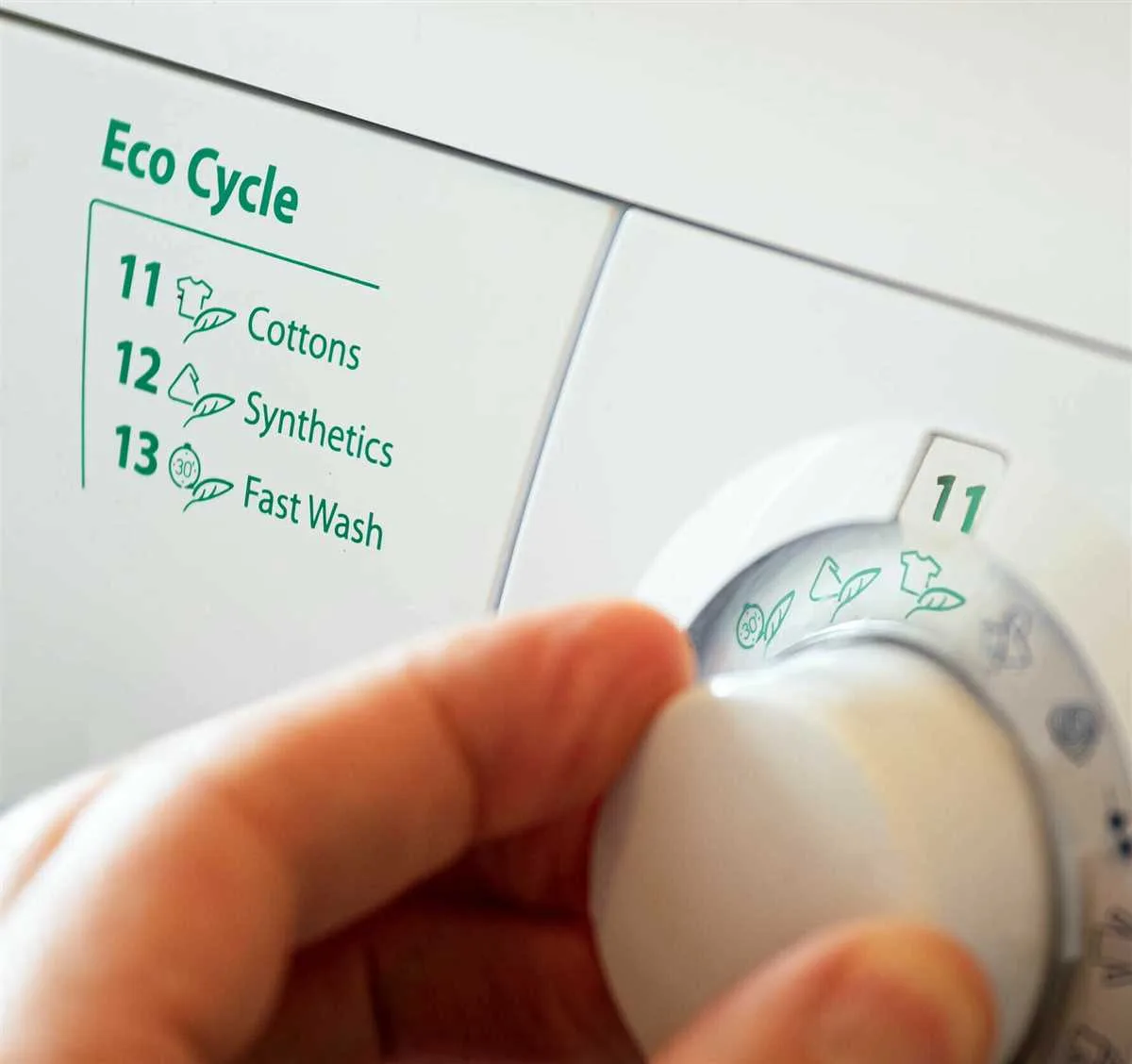
Press the eco button on the control panel. Arrange dishes so spray arms can rotate freely. Add the recommended detergent and rinse aid.
Close the door and start the cycle. Use the half-load option for smaller washes. Avoid opening the door during the cycle.
Why Dishwasher Efficiency Matters: Common Pain Points
Running your dishwasher every day can add up. Water and electricity costs climb, especially if you have an older model. Many households notice a spike in bills without realizing the dishwasher is a major contributor.
Eco mode addresses this by trimming resource use. It also reduces the strain on your water heater. If you live in an area with tiered water pricing, the savings become even more noticeable.
Another pain point is dishes that come out with spots or film. This often happens when the dishwasher uses too little water or the wrong temperature. Eco mode can help if you use the right detergent and rinse aid.
What Is Eco Mode and How Does It Work? A Simple Breakdown
Eco mode is a built-in program that lowers water temperature and extends cycle time. It typically runs at 120°F instead of 140°F. The longer wash compensates for the cooler water, ensuring dishes are still clean.
The mode relies on sensors to detect soil levels. If the load is lightly soiled, the dishwasher uses less water. If it's dirtier, it adjusts accordingly.
This dynamic approach saves resources without leaving residue.

Eco mode also optimizes spray arm rotation. It pauses briefly between sprays to let water drip off dishes. This reduces water use while maintaining coverage.
Because the water is cooler, the dishwasher depends more on detergent chemistry. Choose a detergent that works well at low temperatures. Powder and gel often outperform some pods in this setting.
If you have trouble with pods not dissolving, check our guide on pod dissolution issues.
Key Features of Dishwasher Eco Modes: What to Look For
When you compare dishwashers, these are the specs that define a strong eco mode.
| Feature | Typical Value | Benefit |
|---|---|---|
| Water consumption | 3–4 gallons per cycle | Cuts water use by up to 40% |
| Energy consumption | 0.2–0.4 kWh per cycle | Lowers electricity bill |
| Cycle duration | 120–180 minutes | Allows thorough cleaning at lower temp |
| Wash temperature | 120–130°F | Saves energy while still sanitizing |
| Soil sensor | Adjustable or automatic | Adapts to load dirtiness |
| Rinse aid dispenser | Standard or built-in | Prevents spots and streaks |
| Half‑load option | Often available | Saves resources for small loads |
As of 2026, many manufacturers have refined these numbers to meet stricter ENERGY STAR guidelines. Look for the ENERGY STAR label when shopping; it confirms the dishwasher meets those efficiency benchmarks.
Pros and Cons: Weighing the Benefits and Drawbacks of Eco Mode
Pros
- Uses less water and energy, which shrinks your utility bill.
- Gentler on dishes because of lower temperatures and longer cycles.
- Often quieter than normal wash, since the motor runs at lower speeds.
- Helps meet green‑living goals and may qualify for local rebates.
Cons
- Cycle time is longer, which can be inconvenient if you need dishes fast.
- May not tackle heavily soiled pots without a pre‑rinse.
- Some users report occasional residue if detergent isn't suited for low temps.
If you frequently deal with drying problems, note that eco mode's lower temperatures can leave dishes slightly wetter, so a rinse aid is almost essential.
Step-by-Step Guide: How to Use Eco Mode for Best Results
- Scrape, don't rinse. Remove large food bits with a scraper. Excessive pre‑rinsing can reduce the soil sensor's accuracy, causing the dishwasher to use more water.
- Load correctly. Place dishes so spray arms can rotate freely. Tall items should go on the bottom rack, and bowls should face downward. For tricky rack layouts, see our rack layout guide.
- Add detergent and rinse aid. Use the recommended amount of detergent for your water hardness. Fill the rinse aid dispenser to prevent spots.
- Select eco mode. Press the eco button on the control panel. If your model offers a half‑load option, select it for smaller loads.
- Start the cycle. Close the door firmly and press start. Avoid opening the door during the cycle; each opening releases heat and extends the runtime.
- Let it dry. After the cycle ends, leave the door ajar for 10, 15 minutes. This allows steam to escape and dishes to dry naturally.

When to Choose Eco Mode vs. Other Cycles: A Decision Framework
Use this guide to pick the right cycle for your needs.
- Lightly soiled dishes, daily use: Choose eco mode.
- Heavily soiled pots or pans: Use normal or heavy cycle. You can still select eco mode if you pre‑soak.
- Small load, need speed: Use the quick cycle. It uses less water than normal but is less thorough.
- Off‑peak hours: Run eco mode to maximize savings if your utility offers time‑of‑use rates.
If your dishwasher has a low water pressure issue, eco mode can help because it uses less water, but you may need to verify that the spray arms are clear.
Best Use Cases: Who Should Rely on Eco Mode and Why
Eco mode shines when you have a load of lightly soiled dishes. If your day-to-day plates are mostly free of baked‑on residue, the cycle will clean them thoroughly while using less water and electricity. It's also a good fit for households that run the dishwasher daily and want to keep utility costs in check.
For families with a few people, the normal cycle might still be fine, but if you often wash just a few items, the half-load option paired with eco mode can save even more. If you have a large family and cook heavy meals, you may need to pre‑soak pots before using eco mode, or switch to a heavier cycle for the worst offenders.
People who care about their carbon footprint will appreciate that eco mode reduces greenhouse gas emissions. It's also a smart choice for apartments where the water heater is less efficient, because the dishwasher uses less hot water.
If you frequently encounter awkward dishes, make sure the rack layout allows proper spray arm rotation; otherwise even the best eco program can miss spots.
Common Mistakes That Sabotage Eco Mode Performance
One of the biggest errors is overloading the machine. When dishes are packed too tightly, the spray arms can't reach all surfaces, and the soil sensor may misread the load. That leads to a cycle that uses more water than necessary and still leaves residue.
Using the wrong detergent is another common slip. Powder and gel detergents often work better in low‑temperature cycles than some pods, which may not dissolve fully. If you prefer pods, place them directly on the dish rack, not in the dispenser.
For more on undissolved pods, see our troubleshooting guide.
Ignoring the filter is a silent killer of efficiency. A clogged filter restricts water flow, forcing the dishwasher to work harder and use more energy. Clean the filter every month by removing it and rinsing it under warm water.
If it's heavily soiled, scrub it with a soft brush.
Skipping rinse aid can also hurt performance. Without it, water spots form on glassware, and the drying phase takes longer. Fill the dispenser before each load for best results.
The Real Savings: Water, Energy Costs, and Cycle Times
Eco mode typically uses 3 to 4 gallons of water per cycle, compared with 5 to 7 gallons in a normal wash. Energy consumption drops from about 0.5 kWh to 0.3 kWh, which translates to a few cents saved each time. Over a year, those savings add up to roughly $20, $30 on the water bill and $10, $15 on electricity, depending on local rates.
| Cycle | Water (gal) | Energy (kWh) | Typical Time |
|---|---|---|---|
| Eco | 3–4 | 0.2–0.4 | 120–180 min |
| Normal | 5–7 | 0.5–0.7 | 90–120 min |
| Quick | 2–3 | 0.1–0.2 | 30–60 min |
The longer cycle time is the trade‑off. If you need dishes fast, the quick cycle is a better choice, but it won't be as thorough on heavy soil.
Pro Tips from Experts: Advanced Ways to Maximize Efficiency
Start by using the half-load option whenever you have fewer than eight place settings. It reduces water and energy use by up to 30 percent. If your dishwasher has a soil sensor, avoid pre‑rinsing; the sensor uses the food particles to determine how much water is needed.
Consider adjusting the water temperature if your model allows it. A setting of 120°F is enough for most soils and saves energy compared with 140°F. For those with hard water, a rinse aid with a built‑in water softener can prevent mineral buildup on dishes and inside the machine.
Regular maintenance is key. Clean the spray arms monthly to ensure even water distribution. Check the door seal for cracks; a leak can waste water and cause floor damage.
If you notice drying problems, a rinse aid or a slightly higher final rinse temperature can help.
Safety and Compliance: What You Need to Know About Eco Mode
Eco mode is safe to use as long as the dishwasher is installed according to the manufacturer's instructions. The lower water temperature still reaches a level that kills most bacteria, but if you have a compromised immune system, you may want to run a sanitizing cycle occasionally.
Look for the ENERGY STAR label when buying a new unit. It confirms the dishwasher meets strict efficiency standards set by the U.S. Environmental Protection Agency.
You can find more details on the ENERGY STAR website.
Electrical safety is straightforward: keep the control panel dry and avoid splashing water during loading. If you ever need to service the machine, unplug it first. Local water conservation regulations may also apply, especially in drought‑prone areas; check with your municipality for any restrictions on dishwasher use.
The U.S. Department of Energy sets efficiency standards that manufacturers must follow. You can review these standards at energy.gov.
If you notice cycle interruptions, it can be a sign of similar maintenance issues.
Maintenance Tips: Keeping Your Dishwasher Eco-Ready Long-Term
Regular upkeep keeps eco mode running at its best. A well-maintained dishwasher uses the water and energy it promises. A neglected one can drift into higher consumption.
Start with the filter. It traps food particles and prevents them from recirculating. A clogged filter forces the pump to work harder.
That can increase energy use. Clean it every month by removing it and rinsing it under warm water. If it's heavily soiled, scrub it with a soft brush.
Spray arms need attention too. Check the holes for clogs. A blocked spray arm reduces water coverage.
That leaves dishes dirty. Remove the arms and soak them in vinegar to dissolve mineral buildup.
The door seal is often overlooked. A cracked or dirty seal lets water escape. That wastes resources and can damage your floor.
Wipe it down with a damp cloth. Inspect it for tears.
Once a month, run an empty cycle with a dishwasher cleaner or a cup of white vinegar. This removes grease and odors. If you have hard water, use a citric acid-based cleaner to prevent limescale.
Also, check the detergent dispenser. It should open freely during the cycle. If it's stuck, dishes won't get enough detergent.
If you notice cycle interruptions, it can be a sign of similar maintenance issues.
Your Top Questions Answered: Eco Mode FAQs
How long does an eco mode cycle take?
Eco mode typically runs 120 to 180 minutes. The longer time allows the dishwasher to clean with less water and lower temperatures. If you need faster results, the quick cycle is 30 to 60 minutes but is less thorough.
Is eco mode as effective as the normal cycle?
Eco mode is effective for lightly to moderately soiled dishes. It may not remove baked-on food as well as the normal cycle. For heavy soil, pre-soak or use a heavier setting.
Can I use detergent pods in eco mode?
Pods can work, but they may not dissolve fully in the cooler water. If you use pods, place them directly on the dish rack, not in the dispenser. This ensures full contact with water.
For more on undissolved pods, see our troubleshooting guide.
Does eco mode actually save water?
Yes. Eco mode uses 3 to 4 gallons per cycle. A normal cycle uses 5 to 7 gallons.
That's a reduction of up to 40 percent.
Why are my dishes still dirty after eco mode?
Common causes include overloading, clogged spray arms, or using too little detergent. Also, if the soil sensor is covered by a large pot, the dishwasher may think the load is clean and use less water.
Is eco mode safe for septic systems?
Eco mode is generally safe because it uses less water and milder detergents. However, always check your detergent label and local regulations. Some areas have specific rules about dishwasher use.
Final Recommendation: When to Use Eco Mode and When to Skip It
Use eco mode for your everyday loads. If your dishes are mostly lightly soiled, it will clean them well while saving water and energy. It's also the best choice for small households or when you want to minimize your environmental impact.
Skip eco mode when you have heavily soiled pots or pans. In those cases, the normal or heavy cycle will do a better job. You can also pre-soak the worst items and then run eco mode for the rest.
If you're in a hurry, the quick cycle is a reasonable compromise, though it uses more water per minute. For the best balance, run eco mode during off‑peak hours if your utility company offers time‑of‑use rates.
Remember to maintain your dishwasher regularly. A clean machine makes every cycle more effective. For more troubleshooting, explore our articles on rack sliding problems and door closing issues.
