
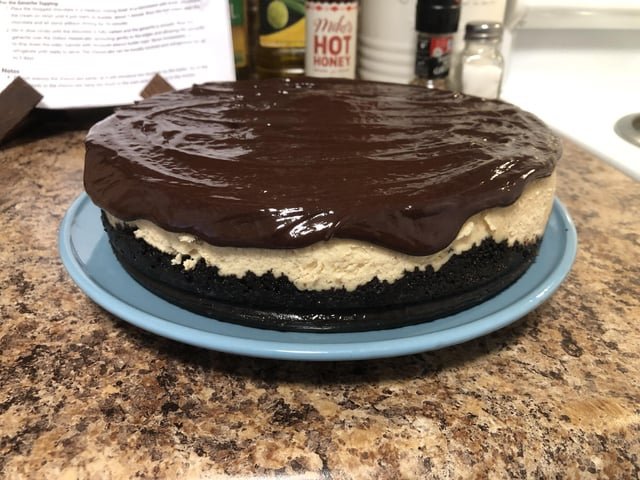
Imagine this: you’ve baked the perfect cake. It’s golden, fluffy, and smells divine.
But just as you’re about to savor your creation, disaster strikes. The cake won’t budge from the pan, or worse, it breaks apart. You’re not alone in this frustrating moment. We’ve all experienced the heartbreak of a cake stuck in its pan.
But fear not! There’s a way to ensure your cake slides out smoothly every time. In this guide, you’ll discover the best techniques to remove a cake from a pan effortlessly. By the end of this article, you’ll have the confidence to turn out flawless cakes, impressing not just yourself, but everyone around you. Ready to elevate your baking skills? Let’s dive in and unlock the secret to cake perfection.
Choosing The Right Pan
Selecting the perfect pan ensures a smooth cake removal process. Allow the cake to cool, then gently run a knife around the edges. A non-stick pan or parchment paper lining can further ease the release, maintaining the cake’s perfect shape.
Choosing the right pan is crucial for creating a cake that slides out easily, leaving no crumbs behind. A pan is not just a vessel; it’s your cake’s first home. If you’ve ever had a cake stubbornly stick to the pan, you know how heartbreaking it can be. Selecting the right one can make all the difference between a flawless release and a crumbled mess.Material Considerations
When selecting a pan, material matters. You might consider aluminum for its even heat distribution, which is perfect for baking. Non-stick pans are popular because they promise easy removal, but they can wear out over time. Glass pans offer a sturdy option, but can sometimes cause uneven baking if not preheated correctly. Silicone pans are flexible, allowing easy cake removal, but can be tricky with liquid batters. Have you ever tried a copper pan? It’s an excellent conductor of heat, but requires more maintenance. Choose based on your comfort and experience level.Size And Shape
The size and shape of your pan can also affect your cake’s release. A pan that’s too deep can cause your cake to stick, as the heat struggles to reach the center. Shallow pans help your cake bake evenly, making removal a breeze. Round pans are classics, but why not experiment with square or even heart-shaped pans for special occasions? These shapes can make your cake stand out. Consider pans with removable bottoms. They can make it easier to lift your cake without damaging its edges. Are you planning a layered cake? Consistent size is key for uniform tiers. Choosing the right pan isn’t just about baking; it’s about ensuring your masterpiece makes it to the table intact. So, what do you value more: ease of use or adventurous shapes?Preparing The Pan
Preparing the pan is crucial for a perfect cake release. It prevents your cake from sticking and ensures a clean removal. A well-prepared pan can save you from crumbled edges and broken layers. Let’s explore two effective methods for preparing your cake pan.
Greasing Techniques
Greasing the pan is a classic method. Use butter or oil for this task. Apply a thin layer with a brush or paper towel. Make sure every corner and side is coated. This creates a barrier between the pan and the batter. It helps the cake slide out smoothly after baking.
Some bakers prefer using non-stick sprays. They are quick and cover the pan evenly. Always check the label for any added flavors. A plain non-stick spray is best for cakes. After greasing, add a dusting of flour. This adds an extra layer of protection. Shake out any excess flour before pouring in the batter.
Using Parchment Paper
Parchment paper is another excellent choice. It guarantees a clean release every time. Cut a piece to fit the bottom of your pan. Place it directly on the greased surface. This ensures the cake doesn’t stick at all.
For round pans, trace the pan’s bottom on the paper. Cut along the traced line for a perfect fit. For square or rectangular pans, cut a large enough piece to cover the bottom and sides. This method works wonders for sticky batters like chocolate or caramel cakes. It helps lift the cake out without breaking.
Combining both greasing and parchment paper is foolproof. It provides double assurance for a perfect cake removal. Your baked masterpiece will come out intact and beautiful.
Cooling The Cake
Removing a cake from its pan can be tricky. Cooling the cake properly is essential. It prevents breakage and ensures perfect texture. Many bakers overlook this step. Yet, it’s crucial for a successful outcome.
Why Cooling Matters
Cakes need time to settle after baking. Cooling gives the cake structure. It prevents it from falling apart. A hot cake is fragile. Handling it too soon can cause cracks or crumbles. Proper cooling also enhances flavor. It allows ingredients to meld together. This step is vital for presentation and taste.
Ideal Cooling Time
The ideal cooling time varies. Most cakes need at least 10-15 minutes in the pan. After that, transfer to a wire rack. This lets air circulate around the cake. It ensures even cooling. For dense cakes, longer cooling may be needed. Check the cake’s texture before removing it. It should feel firm but not hard. Patience during this phase pays off. It leads to a flawless final product.

Credit: www.washingtonpost.com
Loosening The Edges
Gently loosen the cake’s edges using a knife or spatula before removing it from the pan. This step helps prevent the cake from sticking and maintains its shape. Carefully turn the pan upside down, allowing the cake to slide out smoothly.
Removing a cake from a pan can be a nerve-wracking experience. You’ve put in time and effort to bake it to perfection, and now you face the challenge of getting it out in one piece. The first step in this process is loosening the edges. This simple yet crucial action can make the difference between a beautifully presented cake and a crumbly disaster. Let’s dive into some methods to loosen those edges, ensuring your cake glides out smoothly.Using A Knife
A knife is often the go-to tool for loosening cake edges. It’s versatile and readily available in any kitchen. Choose a thin, non-serrated knife to avoid tearing the cake. Gently run the knife around the edge of the cake, keeping it as close to the pan as possible. This method helps separate the cake from the sides without damaging its delicate structure. Have you ever accidentally cut into your cake while trying to release it? It can be frustrating but teaches the importance of patience. Slow, steady movements are key to maintaining the cake’s integrity.Alternatives To Knives
If you prefer not to use a knife, several other tools can help. A thin spatula or offset spatula works well, offering flexibility and control. Silicone tools are gentle and won’t scratch your pan. They’re perfect for non-stick surfaces, ensuring no harm to your bakeware. Have you considered using a toothpick or skewer? These small tools can be surprisingly effective for intricate designs or delicate cakes. They offer precision without bulk. Why not experiment with different tools to find what works best for your baking style? You might discover a new favorite method that saves your cakes from disaster every time. The edges can make or break your cake presentation. Try these techniques and share your experience. What other methods have you found effective?Flipping The Cake
Removing a cake from a pan can be tricky. Cooling it for 10 minutes helps. Gently run a knife around the edges. Place a plate over the pan and flip it. The cake should slide out smoothly. Enjoy your perfect cake without any sticking!
Flipping a cake might seem intimidating, but with the right techniques, it can be as easy as pie. Picture this: your cake is perfectly baked, but the thought of it falling apart during flipping can be nerve-wracking. Don’t worry, flipping is a crucial skill that can save your baking from disaster. Let’s dive into how you can flip your cake confidently without any fuss.Inverting Techniques
Are you ready to flip your cake without a hitch? Start by ensuring your cake is completely cool. Warm cakes are more likely to break apart. Use a knife to gently loosen the edges from the pan. This simple step can prevent unwanted sticking. Place a plate or a cutting board on top of the cake pan. Hold them tightly together and invert quickly but carefully. Speed is your friend here—too slow and the cake might slip. Have you ever had a cake break during flipping? It might be because you hesitated. Practice makes perfect, so try flipping with confidence. Quick and decisive movements reduce the risk of breakage.Using A Cooling Rack
For those who prefer a more stable flipping method, a cooling rack can be your best ally. Position the cooling rack over the cake pan, ensuring it covers the entire cake surface. This provides a flat surface for flipping. Once you’ve placed the cooling rack, grip both the pan and the rack firmly. Flip them over in one swift motion. The cooling rack’s flat surface helps keep the cake intact. Wondering if a cooling rack could scratch your cake? Choose a rack with a smooth surface to avoid any marks. This technique gives you stability and a clean flip every time. Have you tried using a cooling rack before? It’s a simple solution that can transform your cake-flipping experience. It’s perfect for beginners and seasoned bakers alike, offering peace of mind with every flip. Flipping a cake doesn’t have to be a daunting task. With these techniques, you can tackle it with ease, ensuring your cake remains as beautiful as it is delicious. Remember, every flip is a chance to learn and perfect your skills.Handling Stuck Cakes
Gently loosen the edges of a stuck cake with a knife. Place a damp towel underneath the pan for a few minutes. Flip the pan and tap it softly to release the cake.
Handling a cake that’s stuck in the pan can feel like a baking nightmare. You put all that effort into creating the perfect cake, only to find it refusing to budge. But don’t despair. With a few handy tricks, you can rescue your cake and maintain its delicious integrity. Let’s dive into some practical methods to handle stuck cakes effectively.Steam Method
The steam method is a gentle approach that leverages moisture to release your cake from its clingy grip on the pan. To try this, place a towel in your sink and pour boiling water over it. Carefully place the cake pan on the towel, allowing the steam to envelop the base of the pan. After a few minutes, the steam will help loosen the cake. You might be surprised by how this simple trick can coax the cake out without damaging it. Have you ever noticed how steam softens stubborn residue on your cookware? The same principle applies here.Refrigeration Trick
The refrigeration trick is another effective method that uses temperature change to your advantage. Once your cake has cooled slightly, place it in the refrigerator for about 30 minutes. The cool air causes the cake to contract slightly, making it easier to release from the pan. This technique is especially useful for delicate cakes that might break apart if handled too soon. Have you ever thought about how objects contract in the cold? The same science can save your cake from disaster. These methods are quick and efficient, saving you from the heartbreak of a ruined cake. Next time your cake refuses to part ways with the pan, try these tricks and reclaim your baking victory.Common Mistakes To Avoid
Removing a cake from a pan can sometimes be tricky. Many people make common mistakes that lead to crumbled or broken cakes. Knowing what to avoid can make the process smooth and stress-free. Let’s look at these common mistakes and how to avoid them.
Rushing The Process
Patience is key when removing a cake from a pan. Many bakers rush the process, leading to disaster. Allow the cake to cool completely before attempting removal. This cooling time helps the cake firm up, making it easier to handle. A hot or warm cake is more likely to break apart. Give your cake the time it needs to set properly.
Improper Tools
The right tools make a big difference. Using improper tools can damage your cake. Opt for a thin, flexible spatula to loosen the edges. A cake knife works well for cutting around the sides. Avoid sharp or rigid tools that can tear the cake. Choose the right tools to ensure a smooth removal.

Credit: www.youtube.com
Expert Tips For Success
Carefully grease the cake pan before baking for easy removal. Allow the cake to cool slightly. Gently run a knife around the edges to loosen it from the sides. Place a cooling rack on top and flip the pan over.
Lift the pan slowly to release the cake without breaking.
Removing a cake from a pan can be a nail-biting moment for any baker, whether you’re a seasoned pro or a kitchen newbie. The last thing you want is for your perfectly baked creation to crumble or stick. With the right techniques, you can confidently flip that pan and reveal a masterpiece. Expert tips can make all the difference between a cake disaster and a baking triumph. Let’s dive into some professional insights and troubleshooting tips to elevate your baking skills.Professional Insights
Experienced bakers often swear by a few tried-and-true methods to ensure cake removal success. Greasing the pan is not just a step; it’s an art. Use butter or a non-stick spray, making sure to cover every nook and cranny. Dusting the greased pan with flour creates a barrier between the batter and the pan, helping the cake to lift away smoothly. Timing is crucial. Allow the cake to cool in the pan for about 10-15 minutes after baking. This pause lets the cake set while still being warm enough to release easily. Too soon, and you risk tearing; too late, and it might stick. Consider using parchment paper for foolproof cake removal. Lining the bottom of the pan with parchment ensures that the cake comes out cleanly every time. Have you ever tried flipping a cake with parchment and been amazed at how effortless it was?Troubleshooting Tips
Even with the best preparation, things can sometimes go awry. If your cake sticks, gently run a knife around the edges to loosen it. This simple trick can save your cake from disaster. If you notice uneven baking or a stubborn cake, it might be the pan. Different pans conduct heat differently. Check if your pan is warped or if you’re using a non-standard size. Sometimes switching pans can be the unexpected fix you need. Should your cake crumble, don’t despair. You can always transform it into a delicious trifle or cake pops. Creativity can turn a mishap into a delightful dessert. Ever had a cake that just won’t budge? Try the upside-down method. Place a plate over the pan and flip it swiftly but gently. The sudden change can release even the most stubborn cake. Engaging with your baking process is not just about following steps; it’s about understanding and adapting. What techniques have you found most effective in your cake-baking journey? Share your experiences and let’s learn together!
Credit: www.reddit.com
Frequently Asked Questions
How To Prevent Cake From Sticking To The Pan?
To prevent a cake from sticking, grease the pan thoroughly. Use butter or a non-stick spray. Then, line the bottom with parchment paper. Ensure all corners are covered to avoid sticking. This method helps in smooth cake removal.
What Is The Best Time To Remove Cake From Pan?
The best time to remove a cake is when it’s partially cooled. Wait for about 10-15 minutes after baking. This cooling allows the cake to firm up slightly, reducing breakage. However, avoid letting it cool completely in the pan to prevent sticking.
How Do You Loosen A Cake From A Pan?
To loosen a cake, run a knife around the edges. Ensure the knife is thin and flexible. This helps to separate the cake from the sides. If the bottom sticks, gently tap or shake the pan to release it.
Should You Cool Cake Before Removing From Pan?
Yes, cool the cake slightly before removing. Waiting 10-15 minutes helps the cake stabilize. Immediate removal can lead to breakage. However, cooling completely in the pan can cause sticking, making removal difficult.
Conclusion
Removing a cake from a pan can feel tricky. Follow simple steps to succeed. Cool the cake first. Use a knife around the edges. Place a plate over the pan, flip it gently. Tap the pan’s bottom. Voila! The cake should slide out easily.
No stress, just patience. Practice helps you improve. Enjoy your baking journey. Share your delicious creations. Friends and family will love them. Baking is fun and rewarding. Happy baking! Keep experimenting for better results. Each cake brings joy and smiles.
