
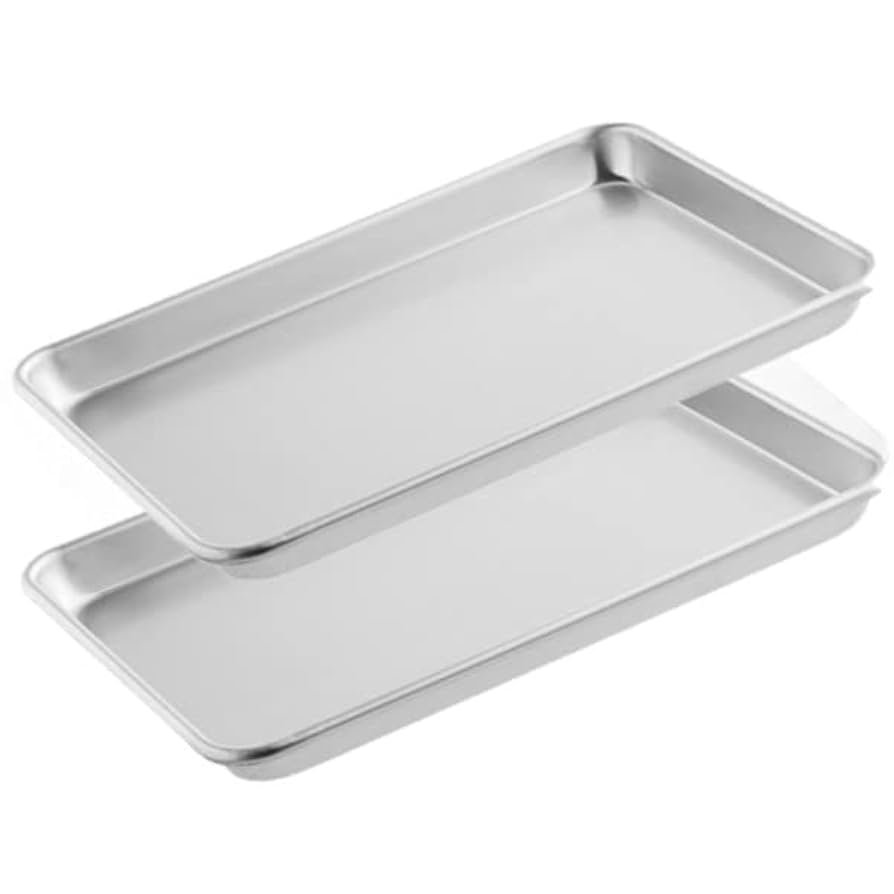
Ever found yourself struggling with cookies that spread too thin or don’t bake evenly? The secret might not be in your recipe, but in the size of your cookie sheet.
Choosing the perfect cookie sheet can transform your baking from frustrating to fabulous. Imagine the delight of consistently perfect cookies, every time you bake. But what really is the best size for a cookie sheet? Your choice can make a big difference in your baking results, and we’re here to help you find the answer.
Dive into this guide to discover how the right cookie sheet can elevate your baking game and bring joy to your kitchen adventures.
Cookie Sheet Dimensions
Choosing the best size cookie sheet depends on your oven and baking needs. Standard sizes like 13×18 inches fit most ovens. Smaller 9×13 inches are great for compact spaces. Consider storage and usage frequency when deciding.
When it comes to baking cookies, the size of your cookie sheet can make all the difference. A well-chosen cookie sheet can mean the difference between perfectly baked cookies and a batch that’s just not quite right. The dimensions of your cookie sheet impact the number of cookies you can bake at once, as well as how evenly they bake. Understanding the best size for your cookie sheet is essential for any baking enthusiast. Let’s dive into the specifics and find out what you need to know.Standard Cookie Sheet Sizes
Most cookie sheets come in a few standard sizes. The most common is the half-sheet pan, which measures 18 x 13 inches. This size fits comfortably in most home ovens and can accommodate a dozen cookies or more, depending on their size. There’s also the quarter-sheet pan, which is roughly 9 x 13 inches. This smaller size is perfect for smaller batches or when you’re trying out a new recipe and don’t want to bake too many at once.Consider Your Oven Size
Before you invest in a new cookie sheet, check your oven dimensions. You don’t want to end up with a cookie sheet that doesn’t fit. Measure the interior of your oven from side to side and front to back to ensure a good fit. Having a sheet that slides in and out easily allows for better heat circulation. This means more evenly baked cookies, every time.Thickness Matters
While dimensions are crucial, the thickness of your cookie sheet also plays a role. Thicker sheets tend to distribute heat more evenly, preventing burnt bottoms and undercooked centers. If you’ve ever been disappointed by cookies that are dark on the bottom but pale on top, a thicker sheet could be your solution. Look for a sheet that’s at least 18-gauge aluminum for best results.Weight Considerations
A heavier cookie sheet often means better quality. A sturdy sheet won’t warp in the oven, ensuring a flat surface for your cookies to spread evenly. However, consider your storage space. Heavier sheets may be more durable, but they can be cumbersome if you have limited kitchen storage.Non-stick Vs. Traditional
Are you constantly battling with cookies sticking to the pan? Non-stick cookie sheets can be a lifesaver. They make clean-up a breeze and help ensure your cookies slide off easily. On the flip side, some bakers prefer traditional aluminum sheets, as they provide more control over browning. Consider what’s more important to you: ease of use or precision in baking.Personal Experience: Finding My Perfect Cookie Sheet
When I first started baking, I used whatever sheet was on hand. My cookies were inconsistent, and I often blamed the recipe. It wasn’t until I invested in a high-quality half-sheet pan that I saw a real difference. The right cookie sheet transformed my baking. My cookies were evenly baked, and the process was much more enjoyable. It made me realize how much the right tools matter in baking. Finding your perfect cookie sheet might take some trial and error, but it’s worth it. Have you found your ideal size, or are you still searching? Share your thoughts or tips in the comments below!Material Choices
Choosing the right material for your cookie sheet is crucial. Each type offers unique benefits. Let’s explore the popular options. Understand their advantages to select the best one for your baking needs.
Aluminum Sheets
Aluminum sheets are lightweight. They heat evenly, ensuring perfect cookies. This material is popular among bakers. It is affordable and durable. Aluminum resists rust, making it a reliable choice.
Stainless Steel Options
Stainless steel is another excellent choice. It is strong and robust. This material won’t warp easily. Stainless steel sheets are shiny and easy to clean. They offer consistent results, though they may heat slower.
Non-stick Variants
Non-stick sheets are a favorite for easy baking. They prevent cookies from sticking. Clean-up is a breeze with non-stick options. These sheets are great for delicate treats. They often require less oil or butter.
Thickness And Durability
Choosing the right cookie sheet size involves more than just dimensions. Thickness and durability play crucial roles in baking success. The right thickness ensures even baking. Durability determines how long your cookie sheet lasts. Both factors affect your baking results. Let’s dive into these essential aspects.
Thickness Matters
Thickness impacts heat distribution. Thicker sheets provide even heat. This reduces the risk of burnt cookies. Thin sheets can cause uneven baking. They may lead to overcooked edges. A medium thickness, around 0.8 mm, is ideal. It balances even cooking and handling ease.
Durability For Long-term Use
Durability ensures your cookie sheet withstands regular use. High-quality materials enhance durability. Stainless steel and aluminum are popular choices. They resist warping and bending. A durable sheet saves money in the long run. Investing in a sturdy sheet means fewer replacements.
Material And Construction
Material affects both thickness and durability. Aluminum provides excellent heat conduction. Stainless steel offers strength and longevity. Non-stick coatings simplify cleanup. Consider construction quality. Seamless sheets reduce food buildup. Reinforced edges prevent warping.
Proper care extends your cookie sheet’s life. Avoid metal utensils that scratch surfaces. Hand wash to maintain coatings. Store them flat to prevent bending. Regular maintenance keeps your sheet in top condition.
Edge Design
The edge design of a cookie sheet impacts baking results. It influences how cookies bake and how easy they are to remove. Different edge designs offer unique benefits. Understanding these can help you choose the right sheet.
Rolled Edges
Rolled edges are smooth and rounded. This design offers several advantages. First, it provides strength and durability. The rolled edge adds extra support to the sheet. This prevents warping in high heat. Second, it ensures safety. The rounded edges reduce the risk of cuts or scratches. Finally, rolled edges make handling easier. They provide a comfortable grip when moving the sheet.
Rimmed Vs. Rimless
Rimmed cookie sheets have raised edges on all sides. This design is perfect for baking cookies that spread. The rims prevent overflow and keep cookies contained. They are also ideal for roasting vegetables. The raised edge keeps juices from spilling.
Rimless cookie sheets, on the other hand, have no raised edges. They are great for baking large batches of cookies. You can slide baked goods off easily. This design offers more space for baking. Rimless sheets are also easy to clean. They have fewer crevices for crumbs to hide.
Heat Conduction
Heat conduction plays a vital role in baking cookies evenly. Choosing the right cookie sheet size ensures your treats bake to perfection. Understanding heat conduction can help you select the best cookie sheet for your needs.
How Size Affects Heat Conduction
The size of a cookie sheet impacts how heat is distributed. Smaller sheets heat quickly and evenly. Larger sheets may take longer to heat, which can affect baking time. Consider your oven size and baking needs.
Material Matters
Different materials conduct heat differently. Aluminum sheets are popular for even heat distribution. Stainless steel sheets are durable but may heat unevenly. Choose a material that suits your baking style.
Thickness And Heat Conduction
The thickness of a cookie sheet influences heat conduction. Thicker sheets may provide more even heat but take longer to warm up. Thinner sheets heat quickly but may not distribute heat evenly.
Impact On Cookie Texture
Heat conduction affects cookie texture. Even heat results in evenly baked cookies. Uneven heat can cause cookies to burn or bake inconsistently. Choosing the right sheet size ensures perfect cookies every time.
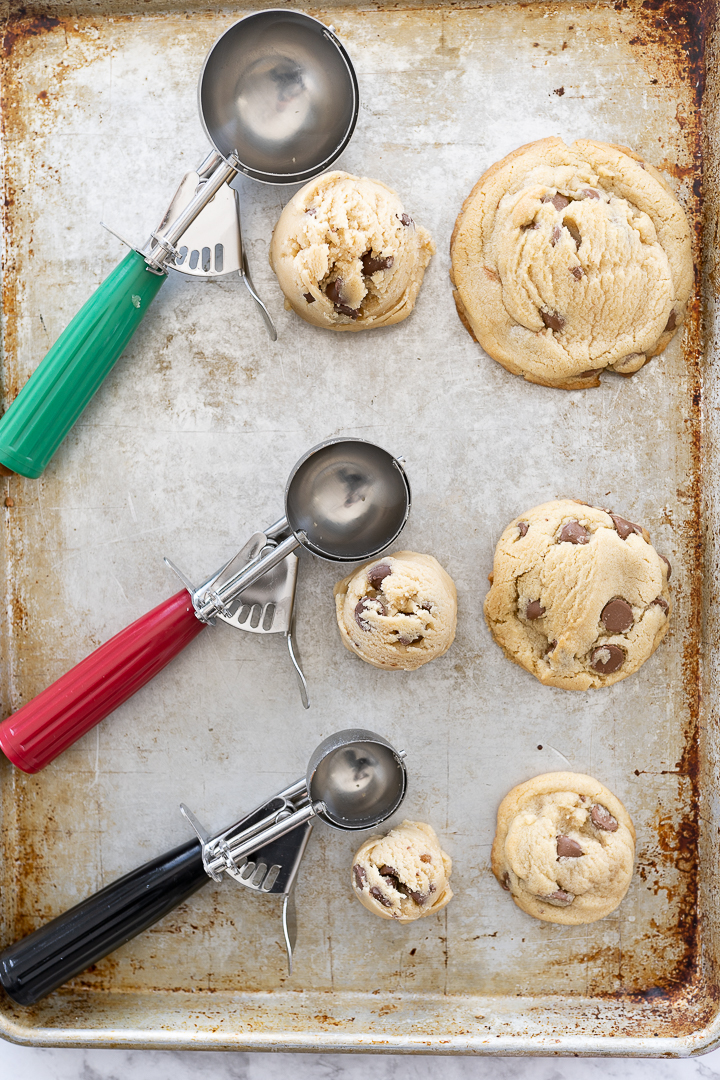
Credit: cookiesfordays.com
Versatility And Use
A versatile cookie sheet fits standard oven sizes, making it perfect for baking various treats. Ideal for cookies, pastries, and more, the 13×18-inch size offers ample space without overcrowding. This size ensures even baking and easy handling, catering to diverse baking needs with ease.
When choosing the best size for a cookie sheet, understanding its versatility and use is crucial. A well-sized cookie sheet can make all the difference in your kitchen endeavors. Whether you’re baking, roasting, or broiling, the right size can enhance your cooking experience.For Baking
A standard cookie sheet, typically around 18×13 inches, is perfect for most baking tasks. This size allows you to bake a dozen cookies at a time without overcrowding. You get even heat distribution, ensuring that every cookie comes out perfectly golden. Picture this: you’re hosting a party, and your cookie sheet lets you churn out batch after batch effortlessly. The convenience of a properly-sized sheet means less time in the kitchen and more time enjoying with friends.For Roasting
When it comes to roasting, a slightly larger cookie sheet can be advantageous. A 21×15 inch sheet gives you ample space to spread out vegetables or meats. This size helps in achieving a perfect roast by allowing air to circulate freely. Roasting a medley of vegetables becomes a breeze when you have enough space. No more soggy veggies stuck together. Instead, you get crispy, caramelized edges that add a burst of flavor to your dish.For Broiling
Broiling requires a sturdy cookie sheet that can withstand high temperatures. Opt for a half-sheet pan which measures about 18×13 inches, as it fits perfectly under most broilers. Have you ever tried broiling a steak on a cookie sheet? It’s an excellent way to get that charred finish without firing up the grill. The right size ensures your food is evenly exposed to the heat, giving you that restaurant-quality result at home. Choosing the best size cookie sheet is not just about fitting it into your oven. It’s about enhancing your cooking experience and achieving the best results with every use. Are your current pans helping you achieve that? If not, it might be time to reconsider their size.Storage Considerations
Choosing the right cookie sheet size affects storage. A smaller sheet fits easily in cupboards, saving space. Larger sheets offer more baking area but may need extra storage planning. Consider kitchen space and baking needs to find the perfect balance.
Choosing the best size cookie sheet isn’t just about fitting all your delicious cookies; it’s also about how well it fits in your kitchen. Storage considerations play a crucial role in this decision. You might have the perfect cookie sheet in mind, but if it doesn’t fit in your cabinet, it’s not the right choice.Measure Your Storage Space
Before purchasing a cookie sheet, grab a measuring tape. Measure the dimensions of your kitchen cabinets or drawers where you intend to store it. This ensures you don’t end up with a cookie sheet that sticks out awkwardly or forces you to rearrange your entire kitchen. A little planning goes a long way in avoiding storage headaches.Consider Vertical Storage
If space is tight, think vertically. Storing cookie sheets upright in a cabinet can save a lot of room. Use a rack or a simple DIY solution like tension rods to keep them standing. This method not only saves space but also makes accessing your sheets quick and easy.Stacking Options
If you have a few different sizes, stacking them is another smart solution. But be mindful of the weight. Overstacking can make it hard to pull out the right size when you’re in the middle of baking. Consider placing a soft cloth or liner between sheets to prevent scratching.Think About Odd Shapes
Not all cookie sheets are the same. Some have handles or unique designs that can make storage tricky. If you have a sheet with odd features, ensure your storage space can accommodate these extras. It’s frustrating to find out your favorite sheet doesn’t fit because of a small handle.Use Wall Space
Why not make use of wall space? Hooks or wall-mounted racks can be a creative solution to keep your cookie sheets within reach and free up cabinet space. It adds a touch of kitchen charm while maximizing efficiency. Remember, the best size cookie sheet is not only about baking the perfect cookie but also about fitting seamlessly into your kitchen life. What adjustments can you make to store your baking tools more efficiently?
Credit: www.eater.com
Expert Recommendations
When it comes to baking the perfect batch of cookies, the size of your cookie sheet can make all the difference. Whether you’re a professional baker or a home enthusiast, choosing the right size can impact the quality and consistency of your baked goods. Let’s delve into expert recommendations to help you find the ideal cookie sheet size for your needs.
Professional Baker Insights
Professional bakers often opt for larger cookie sheets, typically around 18 x 26 inches. This size allows for baking more cookies at once, maximizing efficiency in commercial settings. The spacious surface ensures even heat distribution, reducing the risk of burnt edges.
Experienced bakers suggest using this size for batch baking, especially during busy periods. It saves time and energy, enabling more consistent results. Have you ever tried baking with a larger sheet and noticed the difference in your cookies?
However, the downside is that larger sheets may not fit in standard home ovens. Professionals usually have access to larger, industrial-sized ovens. So, while it’s perfect for commercial kitchens, it might not be suitable for home use.
Home Baker Tips
For home bakers, a cookie sheet size of 13 x 18 inches is often recommended. This size fits comfortably in most standard ovens, providing ample space for a dozen cookies while ensuring even baking.
Home bakers find this size versatile, not only for cookies but also for roasting vegetables and baking pastries. It’s a multi-purpose tool that enhances your baking experience without overcrowding your oven.
Think about the last time you baked cookies at home. Did you have to shuffle pans to fit them all in the oven? A 13 x 18 inch sheet could simplify your routine and improve your results.
If you’re new to baking, start with this manageable size. It offers flexibility and ease, helping you achieve perfect cookies without the hassle of resizing your recipes.
Maintenance And Care
Proper maintenance and care extend the life of your cookie sheet. Regular upkeep ensures it stays in good shape. This guide will help you keep your baking essentials clean and efficient.
Cleaning Techniques
Hand wash your cookie sheet with warm soapy water. Avoid using harsh detergents. Use a soft sponge to scrub off residues. Rinse thoroughly and dry with a clean towel. This prevents rust and prolongs its use.
Storage Solutions
Store cookie sheets in a dry place. Stack them carefully to prevent scratches. Use pot protectors if stacking several sheets. This method keeps them free from damage.
Avoiding Damage
Do not cut food directly on the sheet. This causes scratches and weakens the surface. Avoid using metal utensils. Opt for silicone or wooden tools instead. This ensures the sheet’s coating remains intact.
Regular Inspections
Check your cookie sheet for signs of wear. Look for warping or peeling. Replace if significant damage appears. This ensures even baking and safe use.
Seasoning Tips
Season steel cookie sheets occasionally. Apply a thin layer of oil. Bake in the oven for an hour at low heat. This creates a natural non-stick layer.

Credit: www.amazon.sa
Frequently Asked Questions
What Is The Ideal Size For A Cookie Sheet?
The ideal size depends on your oven and baking needs. Standard cookie sheets are usually 13×18 inches. This size fits most ovens and provides ample space for baking cookies evenly. Smaller ovens may require an 11×17 inch sheet. Always measure your oven to ensure the best fit.
Can I Use A Larger Cookie Sheet?
Yes, larger cookie sheets can be used if they fit your oven. They allow you to bake more cookies at once, saving time. However, ensure there is enough air circulation for even baking. Always check that the sheet doesn’t block oven airflow for best results.
Are Non-stick Cookie Sheets Better?
Non-stick cookie sheets offer easy release and cleanup. They prevent cookies from sticking, reducing the need for parchment paper. However, they may not brown cookies as well as uncoated sheets. Consider your baking preferences when choosing between non-stick and traditional sheets.
How Do I Choose A Durable Cookie Sheet?
Look for heavy-gauge aluminum or steel sheets for durability. These materials distribute heat evenly, preventing warping. Avoid thin sheets as they can warp at high temperatures. Consider rimmed edges for added strength and to prevent spills during baking.
Conclusion
Choosing the best cookie sheet size is crucial. It impacts baking results. Large sheets hold more cookies. Small ones fit compact ovens. Consider your oven space. Think about your baking needs. Quality matters too. Look for durable materials. Stainless steel or aluminum are good options.
Avoid flimsy sheets. They warp easily. Test different sizes. See what works best. Some prefer bigger sheets. Others like small ones. Personal preference plays a role. Bake with joy. Enjoy delicious cookies. Find the perfect sheet. Happy baking!
