
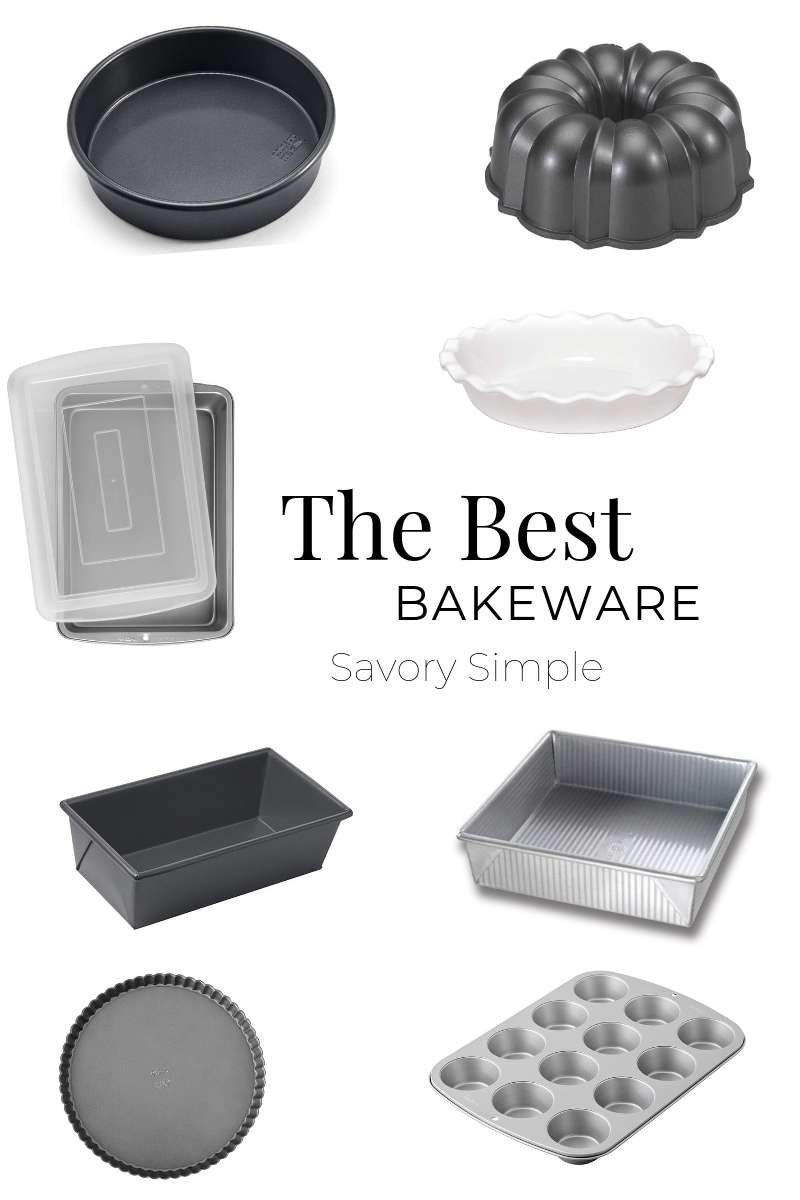
Imagine the aroma of freshly baked cookies wafting through your kitchen, or the sight of a perfectly risen cake ready to be devoured. As a home baker, you know that the secret to achieving these delightful results often lies in your choice of bakeware.
But with so many options available, how do you decide which is the best type for your culinary creations? You might be surprised to learn that your bakeware can influence not just how your treats turn out, but also how much you enjoy the baking process.
Dive into this article to uncover the secrets behind selecting the perfect bakeware that will elevate your baking game, make your time in the kitchen more enjoyable, and ensure your desserts always steal the show.
Types Of Bakeware
Choosing the right bakeware can make a difference in baking results. There are several types of bakeware available, each with its unique features. Understanding these types can help you make the best choice for your baking needs.
Metal Bakeware
Metal bakeware is a popular choice. It heats quickly and evenly. This makes it perfect for baking cakes and cookies. Metal bakeware can be made from aluminum or steel. Aluminum is lightweight, while steel is more durable.
Glass Bakeware
Glass bakeware is great for casseroles and lasagnas. It offers even heating and is transparent. This allows you to see how your dish is cooking. Glass is also non-reactive, so it won’t change food flavors.
Ceramic Bakeware
Ceramic bakeware is known for its attractive designs. It retains heat well, keeping food warm longer. Ceramic is ideal for oven-to-table serving. It is also easy to clean and usually dishwasher safe.
Silicone Bakeware
Silicone bakeware is flexible and non-stick. It is perfect for muffins and cupcakes. Silicone can withstand high temperatures and cools quickly. This type is easy to store and does not rust or stain.
Credit: www.deliciousmagazine.co.uk
Advantages And Disadvantages
Different materials in bakeware offer unique benefits and downsides. Glass evenly distributes heat but can break easily. Metal resists wear and tear, though it may cause sticking. Silicone provides easy release, yet sometimes lacks stability. Each type caters to specific baking needs and preferences.
When deciding on the best type of bakeware, weighing the advantages and disadvantages of each material is crucial. Different bakeware materials offer unique benefits and limitations that can affect your baking experience and the final outcome of your baked goods. Understanding these can help you make more informed choices based on your baking needs and preferences. Have you ever been frustrated with a cake sticking to the pan or puzzled by unevenly baked cookies? Let’s explore the pros and cons of various bakeware types to help you avoid these common baking pitfalls.Metal Bakeware Pros And Cons
Metal bakeware, such as aluminum and stainless steel, is a popular choice for many bakers. Pros include excellent heat conductivity, which ensures even baking. This means no more worrying about the edges of your brownies baking faster than the center. Metal bakeware is also durable and often lightweight, making it easy to handle. On the downside, metal bakeware can react with acidic ingredients, affecting the flavor of your baked goods. Cons also include potential warping at high temperatures. Moreover, metal pans may require more effort in greasing to prevent sticking, which could be an extra step you’re not fond of.Glass Bakeware Pros And Cons
Glass bakeware offers a visual appeal, allowing you to see the progress of your baking through the clear material. Pros are its non-reactive nature, making it ideal for acidic recipes like fruit pies. Glass is also excellent for heat retention, keeping your dishes warm even after they come out of the oven. However, glass bakeware has its challenges. Cons include its tendency to shatter with sudden temperature changes, which can be a concern if you’re not careful. Glass is also heavier, making it less convenient for those who prefer lightweight options. Additionally, it might not brown baked goods as efficiently as metal bakeware.Ceramic Bakeware Pros And Cons
Ceramic bakeware brings an aesthetic touch to your kitchen with its beautiful designs and colors. Pros include its non-stick surface and non-reactive nature, making it great for savory and sweet dishes alike. Ceramic bakeware is also great for even heat distribution, providing consistent baking results. The cons of ceramic bakeware include its fragility; it can chip or crack if handled roughly. It can also be heavier and more expensive compared to other bakeware materials. If you’re not careful, sudden temperature changes can affect its durability, just like with glass.Silicone Bakeware Pros And Cons
Silicone bakeware is relatively new and offers some unique benefits. Pros are its flexibility, allowing you to easily pop out baked goods without sticking. It’s also lightweight and doesn’t require greasing, saving you time and effort. On the flip side, silicone bakeware might not offer the same level of browning as metal or ceramic. Cons include its potential to impart a slight taste if not of good quality. Some bakers also find it too flimsy when transferring to and from the oven, which can be a hassle if you’re baking something delicate. When choosing bakeware, consider what’s most important to you. Is it ease of use, durability, or aesthetic appeal? Your decision will significantly impact your baking adventures. What bakeware have you found works best for you?Factors To Consider
Choosing the best type of bakeware can be challenging with so many options available. It’s important to consider several factors that can impact your baking experience. Whether you’re a seasoned baker or just starting out, understanding these factors can guide you to make the right choice.
Heat Conductivity
Heat conductivity is essential for even baking. If your bakeware heats unevenly, your cakes might come out with burnt edges and undercooked centers. Consider materials like aluminum or copper, known for excellent heat distribution.
Have you ever baked cookies only to find some are golden brown while others are still pale? That’s the effect of poor heat conductivity. Choosing bakeware with good heat conductivity ensures consistent results.
Ease Of Cleaning
How much time do you spend scrubbing pans after baking? Non-stick surfaces can be a game changer. They allow for easy cleanup with just a quick wipe.
Silicone bakeware often surprises with its non-stick properties, making it a favorite for those who dread cleaning. Consider the ease of cleaning as a major factor in your decision.
Durability
Durability is crucial, especially if you bake frequently. You want bakeware that withstands high temperatures and frequent use without warping or chipping.
Think about those trusty pans that have been in your kitchen for years. Stainless steel and cast iron are known for their durability, lasting years with proper care.
Price Range
Budget plays a role in your choice of bakeware. While high-end options offer advanced features, affordable bakeware can deliver excellent results too.
Consider how often you bake and the types of dishes you make. A pricier option might be worth it for regular bakers, while occasional bakers might prefer budget-friendly choices.
Each factor contributes to your overall baking experience. What’s most important to you? Pinpointing these aspects can help you choose bakeware that suits your needs perfectly.

Credit: alpkit.com
Popular Brands
Choosing bakeware can be overwhelming. Popular brands offer reliable options. They ensure quality and durability. Each type of bakeware has standout brands. They cater to different baking needs. Let’s explore the top brands in metal, glass, ceramic, and silicone bakeware.
Top Metal Bakeware Brands
Metal bakeware is known for even heat distribution. Wiltonstands out. They offer a wide range of metal pans. Nordic Wareis another favorite. Their products are durable and non-stick. USA Panoffers commercial-grade quality. They focus on long-lasting performance. Each brand has unique features. They provide excellent results for baking enthusiasts.
Top Glass Bakeware Brands
Glass bakeware is ideal for visibility. Pyrexleads the market. They are synonymous with durability. Their products resist thermal shock. Anchor Hockingis another trusted brand. They have a rich history in glassware. OXOoffers innovative designs. Their glass bakeware is user-friendly. These brands offer excellent clarity and quality.
Top Ceramic Bakeware Brands
Ceramic bakeware is known for its aesthetic appeal. Emile Henryoffers elegant designs. Their products are crafted in France. Le Creusetis another premium choice. Their ceramic bakeware is colorful and durable. CorningWareprovides classic designs. They are versatile for various recipes. These brands combine function with style.
Top Silicone Bakeware Brands
Silicone bakeware offers flexibility and non-stick properties. Silikomartis a top contender. They focus on innovative silicone designs. OXOalso excels in silicone products. Their items are heat resistant and durable. Trudeauis known for vibrant colors. They offer easy-to-clean bakeware. These brands ensure quality and versatility.
Personal Preferences
Choosing the right bakeware can be a personal decision. Different people have unique preferences based on various factors. From baking habits to health concerns, every baker has their own criteria. This section will help you explore what suits you best.
Baking Style And Frequency
Do you bake often or just on special occasions? Frequent bakers might prefer durable materials. Stainless steel and cast iron are great for regular use. Those who bake less often might choose lighter options. Silicone and aluminum can be easier to handle. Your style can influence your bakeware choice. Do you bake bread or delicate pastries? Bread baking might need heavier pans. Pastries might benefit from non-stick surfaces. Assess your baking style before selecting bakeware.
Health And Safety Considerations
Health is an important factor in choosing bakeware. Some materials can leach chemicals into food. Non-stick coatings might contain harmful substances. Choose bakeware labeled as PFOA-free for safer use. Glass and stainless steel are usually safe choices. They do not react with food. Make sure to research the safety of materials. It can protect your health and your loved ones.
Environmental Impact
Consider the environmental impact of your bakeware choice. Some materials are more eco-friendly than others. Recycled aluminum is a sustainable option. It reduces waste and energy use. Silicone is also considered eco-friendly. It is durable and long-lasting. Avoid disposable bakeware to reduce waste. Choose bakeware that aligns with your environmental values. Making conscious choices helps protect the planet.
Expert Recommendations
Choosing the best bakeware depends on the material. Glass bakeware offers even heat distribution. Non-stick pans make cleanup easier. Silicone molds provide flexibility and are great for intricate designs. Consider durability and heat resistance.
Choosing the right bakeware can make or break your baking experience. Whether you’re whipping up a simple batch of cookies or tackling a complex cake, the type of bakeware you use plays a crucial role in the outcome. But with so many options available, how do you know which is best for you? Let’s dive into expert recommendations to guide your choice.Professional Chef Insights
Professional chefs often swear by heavy-duty, commercial-grade bakeware. They suggest materials like aluminum or stainless steel for even heat distribution. A chef once shared how switching to stainless steel pans improved his pastry’s texture, creating perfectly browned edges without overbaking the center. Consider whether your bakeware can withstand high temperatures without warping. Are you aiming for consistency in your bakes? Then stainless steel might be your answer.Home Baker Tips
Home bakers typically look for bakeware that’s both durable and easy to clean. Non-stick options are a favorite for those who bake frequently, reducing the need for excessive greasing. A friend of mine, who bakes every weekend, swears by silicone molds for their flexibility and ease of use. Imagine popping out a perfectly formed muffin without any hassle. Do you value convenience in your kitchen? Then non-stick or silicone might be your go-to choice.Consumer Reviews
Consumer reviews offer valuable insights from real-world experiences. Many users praise glass bakeware for its ability to showcase the baking process and the food’s color. A reviewer noted how her glass pie dish made it easy to see when the crust was just right. On the other hand, some criticize glass for uneven heat distribution. Are you someone who trusts the opinions of fellow bakers? Digging into reviews can provide clarity and help you make an informed decision. In your quest for the best bakeware, consider these expert insights. Think about your baking habits, the results you aim for, and the feedback from others. Which type of bakeware resonates with your needs and preferences?
Credit: ar.pinterest.com
Frequently Asked Questions
What Materials Are Best For Bakeware?
The best materials for bakeware include aluminum, stainless steel, and silicone. Aluminum ensures even heat distribution, while stainless steel is durable and rust-resistant. Silicone is flexible and non-stick, making it ideal for easy food release.
How Does Bakeware Shape Affect Baking?
Bakeware shape affects heat distribution and cooking time. Round pans are ideal for cakes, while rectangular ones suit brownies. Each shape influences how evenly the food cooks, ensuring consistent results.
Is Non-stick Bakeware Safe For Baking?
Non-stick bakeware is safe when used properly. Avoid high temperatures and abrasive cleaning tools to maintain its coating. Always check manufacturer guidelines for temperature limits to ensure safety and longevity.
Can Glass Bakeware Be Used In The Oven?
Yes, glass bakeware is oven-safe and excellent for even heating. It retains heat well, making it ideal for casseroles. However, avoid sudden temperature changes, as they can cause glass to shatter.
Conclusion
Choosing the best bakeware depends on your needs. Glass is great for even cooking. Metal heats quickly for crisp edges. Silicone offers easy release and cleaning. Each type has pros and cons. Consider your baking style and recipes. Think about storage space too.
A mix of materials might work best. Experiment with different types for better results. Baking is an adventure. Enjoy the journey with the right tools. Make delicious treats with confidence. Happy baking!
