
Imagine cooking your favorite meal without worrying about smoke or lingering odors. Does your kitchen feel cramped or lack the ability to install a traditional range hood?
If so, a ventless range hood might just be the solution you’ve been seeking. But what exactly is a ventless range hood? And how does it differ from the conventional options you’re used to? You’ll discover the unique benefits of ventless range hoods and why they could be the perfect addition to your kitchen.
We’ll dive into how these innovative devices work, their efficiency, and whether they can meet your cooking needs. Whether you’re renovating or just looking to upgrade, understanding ventless range hoods could transform the way you think about your kitchen space. Ready to explore a cleaner, fresher cooking environment? Let’s get started!
Ventless Range Hood Basics
A ventless range hood is a kitchen appliance. It helps control smoke and odors. Unlike traditional hoods, it doesn’t require outside venting. This makes it ideal for apartments or homes without ductwork.
Ventless range hoods use filters. These filters trap grease, smoke, and odors. It recirculates clean air back into the kitchen. This process makes cooking more pleasant.
How They Work
Ventless range hoods have a simple mechanism. Air gets drawn in by a fan. The air then passes through charcoal or carbon filters. These filters capture odors and particles.
After filtering, the air is released back. The kitchen stays fresh without requiring ducts. Maintenance involves regular filter cleaning or replacement.
Types Of Ventless Range Hoods
There are different types of ventless range hoods. Under-cabinet models fit below kitchen cabinets. They save space and are easy to install.
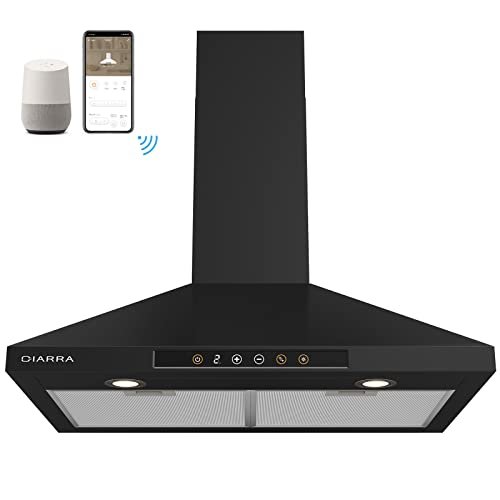
Wall-mounted hoods attach to walls. They become a part of kitchen decor. Island hoods hang from ceilings over kitchen islands. They offer an elegant look.
Each type serves different needs. Choose based on kitchen design and cooking habits.
Benefits Of Ventless Range Hoods
Ventless range hoods filter kitchen air without external ducts. They offer easy installation and are ideal for apartments. Efficiently capturing smoke and odors, they maintain a fresh cooking environment.
Ventless range hoods are becoming increasingly popular in modern kitchens. They offer a variety of benefits that make them a convenient choice for many homeowners. If you’re considering a kitchen upgrade, understanding these benefits can help you make an informed decision.
Easy Installation
One of the most attractive benefits of ventless range hoods is their easy installation. Unlike traditional hoods that require ductwork, ventless options can be installed without any major renovations. This means you can have a new range hood up and running quickly, even if you live in an apartment or an older home with limited construction options. Imagine you’ve just moved into a cozy apartment, and the kitchen needs a little revamp. A ventless range hood can be your go-to solution without the hassle of drilling holes or rerouting pipes. You save time and avoid the stress of a complex installation process.
Cost-effective Solutions
Ventless range hoods are often more budget-friendly than their ducted counterparts. You save money not only on the unit itself but also on installation and maintenance costs. There’s no need for expensive ductwork or professional installation services, which can significantly cut down your expenses.
Think about it: Would you rather spend your hard-earned money on a luxurious dinner or on kitchen renovations? By choosing a ventless range hood, you can keep more cash in your pocket for life’s little pleasures. Plus, the reduced maintenance costs mean you can invest in other kitchen gadgets.
Energy Efficiency
Ventless range hoods are designed to filter and recirculate air efficiently, using less energy than traditional systems. They rely on charcoal filters to trap grease and odors, ensuring your kitchen stays fresh without excessive power use. This not only lowers your electricity bill but also reduces your carbon footprint. Picture a kitchen where you can cook up a storm without feeling guilty about energy consumption.
Ventless range hoods offer peace of mind, knowing you’re making an environmentally conscious choice. You can enjoy your culinary adventures while being kind to the planet. Have you ever thought about how a simple kitchen upgrade could make your life easier and more sustainable? Ventless range hoods provide a practical and efficient solution, transforming your cooking space into a more enjoyable and cost-effective environment.
Considerations Before Buying
Ventless range hoods filter air without an external vent, ideal for kitchens lacking ductwork. Consider installation ease and maintenance before purchasing. They often use charcoal filters to trap grease and odors.
When you’re considering buying a ventless range hood, it’s essential to think through several key factors to ensure it meets your needs. Ventless range hoods, also known as ductless range hoods, are popular for their easy installation and ability to fit into various kitchen settings. However, they have specific characteristics and limitations that you need to weigh before making a purchase. Let’s explore some crucial considerations.
Kitchen Size And Layout
Your kitchen’s size and layout significantly impact your choice of a ventless range hood. A small kitchen with limited space might benefit from a compact model to save room. In contrast, a larger kitchen might require a more powerful unit to ensure effective air circulation. Think about where you’ll install it. Is there enough space above your stove? If you have overhead cabinets, measure carefully to avoid a tight fit.
Cooking Habits
Your cooking habits play a big role in how effective a ventless range hood will be in your kitchen. If you frequently cook greasy or odorous foods, you might find a ventless model less effective than a vented one. These hoods work by recirculating air through a filter, so they might not capture all smoke and odors. Consider how often and what types of food you cook. Do you grill indoors or often fry foods?
Maintenance Needs
All range hoods require some level of maintenance, but ventless models come with their own set of requirements. Because they use filters to trap smoke and odors, regular filter replacement or cleaning is essential for optimal performance. Think about your willingness to maintain the filters. Are you someone who keeps up with regular maintenance tasks? If not, you might find the routine upkeep of a ventless hood burdensome. By considering these aspects, you can choose a ventless range hood that suits both your kitchen and lifestyle. What’s your experience with ventless range hoods? Have you found them to meet your needs?
Installation Process
The installation process of a ventless range hood can seem daunting, but with the right tools and a clear guide, it becomes much more manageable. Unlike traditional range hoods, ventless models do not require ductwork, making them an attractive option for those with limited kitchen space or budget constraints. As you embark on this task, you’ll find it’s more than just a simple setup; it’s about creating a healthier cooking environment.
Tools Required
Before diving into the installation, gather the essential tools to streamline the process. You’ll need a screwdriver, measuring tape, and drill. A level is crucial to ensure your hood is perfectly aligned. Some manufacturers might include specific brackets or screws, so check the manual to see if there are any unique requirements. With these tools at your disposal, you’re ready to tackle the installation.
Step-by-step Guide
1. Measure the Space:Begin by measuring the area above your stove. Ensure your ventless range hood fits snugly. Precise measurements can prevent installation hiccups.
2. Mark the Placement:Use a pencil to mark where the screws or brackets will go. This helps in aligning the hood accurately.
3. Drill Pilot Holes:If your wall requires it, drill small pilot holes where you marked. This step helps prevent wall damage and ensures a secure fit.
4. Attach the Hood:With the pilot holes ready, mount the hood using screws or brackets provided. It’s vital to ensure the hood is level to avoid uneven airflow.
5. Plug it In:Once securely mounted, plug your hood into a nearby outlet. Some models might require hardwiring, so consult the manufacturer’s instructions if needed.
6. Test the Functionality:Turn on your hood to ensure it’s working correctly. Check if the air circulation and filters are operating optimally.
Have you ever thought about how much cleaner your kitchen could be with a well-installed range hood? By following these steps, you not only improve air quality but also enhance the aesthetic of your space. Make sure each step is thoroughly checked to avoid future issues. With careful installation, your ventless range hood will serve you well for years.
Maintenance Tips
Ventless range hoods can be a fantastic addition to your kitchen, providing efficient air filtration without requiring external venting. However, like any other appliance, they need regular maintenance to function optimally. It’s not just about keeping your kitchen looking pristine; it’s about ensuring your hood operates efficiently and lasts longer. Ready to dive into some practical maintenance tips? Let’s get started!
Cleaning Filters
Cleaning the filters is crucial for maintaining your ventless range hood. Dirty filters can reduce airflow and make your hood less effective. How often should you clean them? Aim for once a month, especially if you cook regularly. You’d be amazed at how much grease and grime can accumulate.
To clean the filters, simply remove them and rinse with warm, soapy water. You might be tempted to use harsh chemicals, but gentle cleaning ensures they last longer. If your filters are dishwasher-safe, that’s even better. Just pop them in and let technology do the work.
Regular Inspections
Inspecting your ventless range hood regularly can prevent small issues from becoming big problems. Look for signs of wear and tear on the fan and motor. Do you hear unusual noises? That might indicate something needs attention.
Also, check the carbon filters. If they start to look worn out or no longer absorb odors, it’s time to replace them. Regular inspections can save you a lot of hassle in the long run. Would you rather spend a few minutes now or deal with a malfunctioning hood later?
Remember, maintaining your ventless range hood isn’t just about cleanliness; it’s about efficiency and longevity. By taking these simple steps, you’re investing in the performance of your appliance and the air quality in your kitchen. What other maintenance practices do you find essential for your kitchen appliances? Share your thoughts!
Comparing Ventless And Vented Range Hoods
Choosing the right range hood is crucial. It impacts kitchen air quality. Ventless and vented range hoods serve different needs. Understanding their differences helps in making an informed decision.
Performance Differences
Vented range hoods remove smoke and odors directly outside. They work efficiently in large kitchens. Ventless hoods recirculate air through filters. They are suitable for smaller spaces. Vented hoods often offer better performance. Ventless hoods require regular filter changes.
Cost Comparison
Ventless hoods are generally more affordable. Installation is simpler, saving on labor costs. Vented hoods can be pricier due to ductwork. Long-term costs depend on maintenance. Ventless hoods need frequent filter replacements. Vented hoods may have higher initial installation costs.
Top Brands And Models
A ventless range hood cleans air without the need for external ventilation. Top brands offer models that filter and recirculate kitchen air efficiently. Ideal for spaces where ductwork isn’t possible, these hoods ensure a fresher kitchen environment.
Ventless range hoods are gaining popularity for their convenience and efficiency in modern kitchens. As you consider upgrading your kitchen setup, understanding the top brands and models can be crucial. These hoods don’t require ductwork, making them perfect for apartments or homes where traditional venting is challenging. Let’s dive into the best options available and what makes them stand out.
Features To Look For
When choosing a ventless range hood, focus on key features that enhance performance and usability. Look for models with charcoal filters for effective odor and smoke absorption. Consider adjustable fan speeds to customize airflow based on your cooking needs. Some brands offer LED lighting, which not only illuminates your cooking surface but also saves energy. A friend recently upgraded her kitchen with a hood that had touch controls, making it easy to operate even with greasy hands. The right features can significantly improve your cooking experience.
User Reviews
User reviews provide valuable insights into the real-world performance of ventless range hoods. Many users rave about the quiet operation of top models, perfect for open-plan living spaces. Others appreciate easy installation, noting that they set up their hoods without professional help. One surprising insight came from a user who noticed improved air quality in her home after switching to a ventless model. Ask yourself, what matters most to you? Is it noise level or ease of installation?
Several brands are leading the way in ventless range hoods, each offering unique advantages. Broan is known for its reliable performance and durable construction. The AKDY models often come with advanced features like touchscreen controls. Cosmo offers sleek designs that fit seamlessly in modern kitchens.
My cousin opted for an AKDY model because it matched her stainless steel appliances perfectly, adding a cohesive look to her kitchen. Evaluating brands based on your specific needs can guide you to the best choice. Which brand resonates with your style and functional requirements? Investing in the right ventless range hood can transform your cooking environment, making it more pleasant and efficient.
Common Myths And Misconceptions
Ventless range hoods are popular in modern kitchens. They eliminate the need for ductwork. However, many myths surround these appliances. People often misunderstand their efficiency and safety. Let’s debunk some common misconceptions.
Efficiency Concerns
Many believe ventless range hoods are less efficient. This myth suggests they don’t remove smoke or odors well. In reality, they use charcoal filters to trap particles. These filters effectively neutralize odors and fumes. Regular maintenance ensures optimal performance. Cleaning or replacing filters keeps them effective. Proper care makes these hoods quite efficient.
Safety Issues
Some people worry about safety with ventless hoods. They think these appliances might not handle heat or flames. In truth, ventless hoods are designed for kitchen safety. They include fire-resistant materials. These hoods also have protective features. Regular inspections ensure they work safely. Following manufacturer guidelines maintains their safety levels.
Frequently Asked Questions
Do Ventless Range Hoods Really Work?
Yes, ventless range hoods work effectively. They use charcoal filters to trap grease, smoke, and odors. Regular maintenance is crucial for optimal performance. Ideal for spaces without external ventilation, they improve air quality and kitchen environment.
Where Does The Air Go In A Ventless Range Hood?
A ventless range hood filters air through charcoal or carbon filters. It then recirculates clean air back into the kitchen. This process helps remove smoke, odors, and grease, improving indoor air quality. Regular filter maintenance is crucial for optimal performance.
What Is The Point Of A Non-vented Range Hood?
A non-vented range hood circulates air through filters to trap grease, smoke, and odors. It improves indoor air quality without external venting, making it ideal for apartments or spaces without ductwork. Regular filter maintenance ensures optimal performance.
What Are The Disadvantages Of A Ductless Range Hood?
Ductless range hoods recirculate air, reducing efficiency in odor and smoke removal. Filters require frequent cleaning or replacement. They may struggle with removing humidity and heat, impacting kitchen comfort. Limited effectiveness in removing airborne particles can affect indoor air quality.
Installation may be easier, but performance is often compromised.
Conclusion
Ventless range hoods offer practical solutions for many kitchens. They filter air efficiently without needing ducts. Installation is easier compared to traditional hoods. Maintenance is manageable; regular filter cleaning keeps them working well. They fit nicely in small spaces, providing convenience.
Consider your cooking habits before choosing one. They suit light to moderate cooking needs best. Cost-effectiveness makes them an appealing option. They blend functionality and style effectively. Perfect for modern homes seeking simplicity. Evaluate your kitchen’s needs carefully. Ventless hoods might be the right choice for you.
