
Are you facing the frustrating issue of water pooling at the bottom of your Bosch dishwasher? This common problem can leave you scratching your head, wondering where to start.
Fear not, because you’re about to discover the simple steps to effectively drain your Bosch dishwasher. Imagine saying goodbye to those lingering water woes and hello to a smoothly running appliance! With just a few straightforward actions, you can prevent future headaches and keep your dishwasher in top-notch condition.
Stick around, and you’ll soon know exactly what to do to restore your dishwasher’s functionality, making your kitchen clean-up routine a breeze.

Credit: www.youtube.com
Identifying Drainage Issues
A Bosch dishwasher sometimes faces drainage problems. These issues affect its performance. Draining problems usually arise from blockages or mechanical faults. Identifying these issues early saves time and prevents damage.
Understanding the signs of drainage issues helps in troubleshooting. This ensures your dishwasher runs smoothly. Let’s look at common signs of clogs and basic troubleshooting steps.
Common Signs Of Clogs
Water pooling at the bottom is a clear sign. It indicates a drainage problem. Unusual noises during the draining cycle also hint at clogs. If dishes remain wet, your dishwasher might have a blockage.
A foul smell from the appliance is another clue. This could mean food particles block the drain. Check for these signs regularly. They help in diagnosing the issue early.
Troubleshooting Basic Problems
Start by checking the drain filter. Remove any visible debris. Ensure the drain hose is not kinked or blocked. A bent hose restricts water flow.
Inspect the air gap next. Clear any obstructions found. Make sure the garbage disposal is clear. It often shares a line with the dishwasher.
If problems persist, consider professional help. Regular maintenance prevents most drainage issues. Keep your Bosch dishwasher in good shape.
Preparing For Drainage
Preparing for drainage is the first step to successfully drain your Bosch dishwasher. It’s crucial to approach this task with a clear plan and the right tools. You want to avoid unnecessary mess and potential damage to your appliance. Whether you’re facing a clog or simply performing routine maintenance, setting up properly will save you time and effort. Are you ready to roll up your sleeves and get started?
Gathering Necessary Tools
Before diving into the drainage process, make sure you have the right tools on hand. A few common household items will do the trick. You’ll need a bucket or large bowl to catch any water, a sponge or towel for cleanup, and a screwdriver to remove any panels if needed. Having these ready will streamline the process and prevent last-minute scrambles.
Safety Precautions To Consider
Safety should be your top priority when working with any appliance. Begin by unplugging the dishwasher to avoid any electrical hazards. Water and electricity are a dangerous mix. Next, use gloves to protect your hands from sharp edges or debris. Ensure your workspace is clear of clutter to move freely around the dishwasher. Are these precautions part of your routine? If not, it’s time to make them a habit.
By preparing thoughtfully, you set yourself up for a smoother drainage process. Having the right tools and prioritizing safety can make all the difference. You’ll tackle the task with confidence, knowing you’ve minimized risks and are ready for any challenge. What’s your go-to strategy for handling appliance maintenance? Share your tips and tricks in the comments below!
Manual Draining Process
Experiencing water not draining from your Bosch dishwasher? A manual drain may help. This process can resolve minor blockages and restore functionality. Below is a step-by-step guide to manually drain your dishwasher. Follow these instructions for a smooth experience.
Accessing The Drain Filter
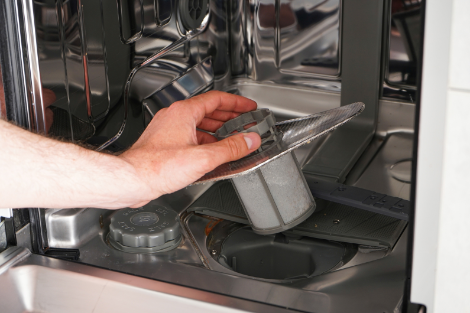
Begin by turning off the dishwasher. Ensure safety during the entire process. Open the dishwasher door and remove the bottom rack. Locate the drain filter at the bottom of the dishwasher. It’s usually a round or rectangular piece. Gently twist and lift to remove it. Use a soft brush to clean the filter. Rinse it under warm water to remove debris. Replace the filter securely after cleaning.
Clearing The Drain Hose
Next, check the drain hose for blockages. The hose connects the dishwasher to the sink drain or garbage disposal. Turn off the water supply to the dishwasher. Place a towel under the hose to catch any water. Carefully disconnect the hose from the sink or garbage disposal. Inspect the hose for blockages or kinks. Use a long, flexible brush to clear any debris. Reconnect the hose securely once cleaned. Ensure there are no bends or twists in the hose.
Credit: www.youtube.com
Using A Drain Pump
Draining a Bosch dishwasher is simple with a drain pump. First, ensure the dishwasher is off. Then, locate the drain pump under the sink, remove the cover, and let the water flow out completely.
Draining a Bosch dishwasher using a drain pump can be an efficient way to resolve minor blockages or prepare for a cleaning. This technique is often preferred by DIY enthusiasts who want a hands-on approach to maintaining their appliances. Understanding how to use the drain pump effectively can save you time and potentially costly repair bills.Understanding The Pump Mechanism
The drain pump in your Bosch dishwasher acts like a little powerhouse. It works to expel water from the machine during the drain cycle. By knowing how this pump operates, you can troubleshoot issues more effectively. Typically, the pump is located at the bottom of the dishwasher. Its main function is to push water out through the drain hose. If you’ve ever noticed a pool of water at the bottom of your dishwasher, your pump might be at the heart of the issue.Steps To Operate The Pump
Operating the drain pump isn’t as daunting as it might sound. Start by ensuring that your dishwasher is powered off. Safety should always be your first priority. Next, access the pump by removing the bottom panel of your dishwasher. This is usually held in place by a few screws. Keep a small container or towel handy to catch any water that may spill out. Once you’ve located the pump, gently rotate the impeller to see if it moves freely. If it’s stuck, you might need to clear away any debris. A simple fix like this can often get your dishwasher draining smoothly again. Have you ever considered how regular maintenance could prevent these issues? Taking a proactive approach can help extend the life of your appliances. By following these practical steps, you can keep your Bosch dishwasher running efficiently. And the next time you face a drainage issue, you’ll know exactly what to do.Preventive Maintenance Tips
Draining a Bosch dishwasher involves a few simple steps. Begin by unplugging the appliance for safety. Next, remove the bottom rack to access the drain area. Clear any debris or blockages from the filter or drain opening, ensuring smooth water flow.
Maintaining your Bosch dishwasher isn’t just about ensuring it drains properly—it’s about ensuring it operates efficiently for years to come. Regular preventive maintenance can save you from unexpected issues and keep your appliance in top shape. By adopting simple routines, you can avoid costly repairs and extend the lifespan of your dishwasher. Let’s dive into some practical tips that will make a difference.Regular Cleaning Routines
Regularly cleaning your Bosch dishwasher is crucial. Start by wiping the door and the edges with a damp cloth. Clean the filter every month. Remove it, rinse it under warm water, and scrub gently to remove debris. Consider using a dishwasher cleaner once every few months. It helps in removing limescale and maintaining the machine’s efficiency.Avoiding Future Blockages
Think about what goes into your dishwasher. Scrape off large food particles before loading your dishes. Small items can cause clogs; check the bottom of your machine after each load. Inspect the spray arms regularly. They should move freely and be free of debris. A simple rinse can help ensure they aren’t blocked. When was the last time you checked your dishwasher’s drain? Regularly inspect it for any signs of blockage. It’s a small step that can prevent bigger issues. Taking these preventive steps not only helps with drainage but also supports your dishwasher’s overall performance. Remember, a little effort goes a long way in preventing future headaches and maintaining your appliance’s efficiency.When To Call A Professional
Sometimes a Bosch dishwasher may not drain properly. Notice leaks or strange noises? It might be time to call a professional to avoid further damage. They can fix complex issues quickly and ensure your appliance works efficiently again.
Draining a Bosch dishwasher can be straightforward. Yet, sometimes issues arise. Knowing when to call a professional saves time and stress. They have the right tools and skills.Recognizing Persistent Issues
Some problems just won’t go away. Water may linger in the dishwasher. Strange noises might persist. These are signs of deeper issues. A professional can diagnose these accurately. If you notice frequent clogs, consider expert help. Also, if error codes appear, it’s time to call. These codes often point to complex problems.Benefits Of Expert Assistance
Experts bring experience and knowledge. They know Bosch dishwashers inside out. Their training allows them to spot issues quickly. This means faster solutions and less hassle for you. Professionals use the right tools. They ensure safe and effective repairs. This reduces the risk of further damage. You also gain peace of mind. Knowing your appliance is in good hands is comforting. `
Credit: aappliance.ca
Frequently Asked Questions
How To Force A Bosch Dishwasher To Drain?
Press the “Cancel/Reset” button on your Bosch dishwasher to initiate the draining process. Ensure the drain hose is clear. Check the filter and remove any debris. If issues persist, consult the user manual or contact Bosch support for assistance. Regular maintenance prevents future drainage problems.
How Do You Get The Water Out Of A Bosch Dishwasher?
To remove water from a Bosch dishwasher, manually drain using a sponge or towel. Check the filter and drain hose for blockages. Run a short cycle to clear any remaining water. If issues persist, consult the user manual or contact a professional technician for assistance.
How Do I Force My Dishwasher To Drain?
To force your dishwasher to drain, check the drain hose for clogs. Clean the filter and garbage disposal. Reset the dishwasher by unplugging it for a few minutes, then plugging it back in. Ensure the drain pump is functioning properly.
Consult your manual for specific instructions.
How To Force Drain A Bosch Washer?
To force drain a Bosch washer, turn off the power and locate the drain pump filter. Open the filter cover, place a shallow pan beneath, and carefully unscrew the filter. Let the water drain completely, then clean the filter before securing it back in place.
Conclusion
Draining your Bosch dishwasher is simple with the right steps. First, check the filter and remove any debris. This prevents clogs and helps water flow smoothly. Next, inspect the drain hose for kinks or blockages. A clear hose ensures proper drainage.
Lastly, run a test cycle to confirm everything works. Regular maintenance keeps your dishwasher running efficiently. Now, you can enjoy clean dishes without worry. Remember, keeping your dishwasher clean prolongs its life and improves performance. So, take time to maintain it.
Your efforts will pay off with hassle-free dishwashing.
