
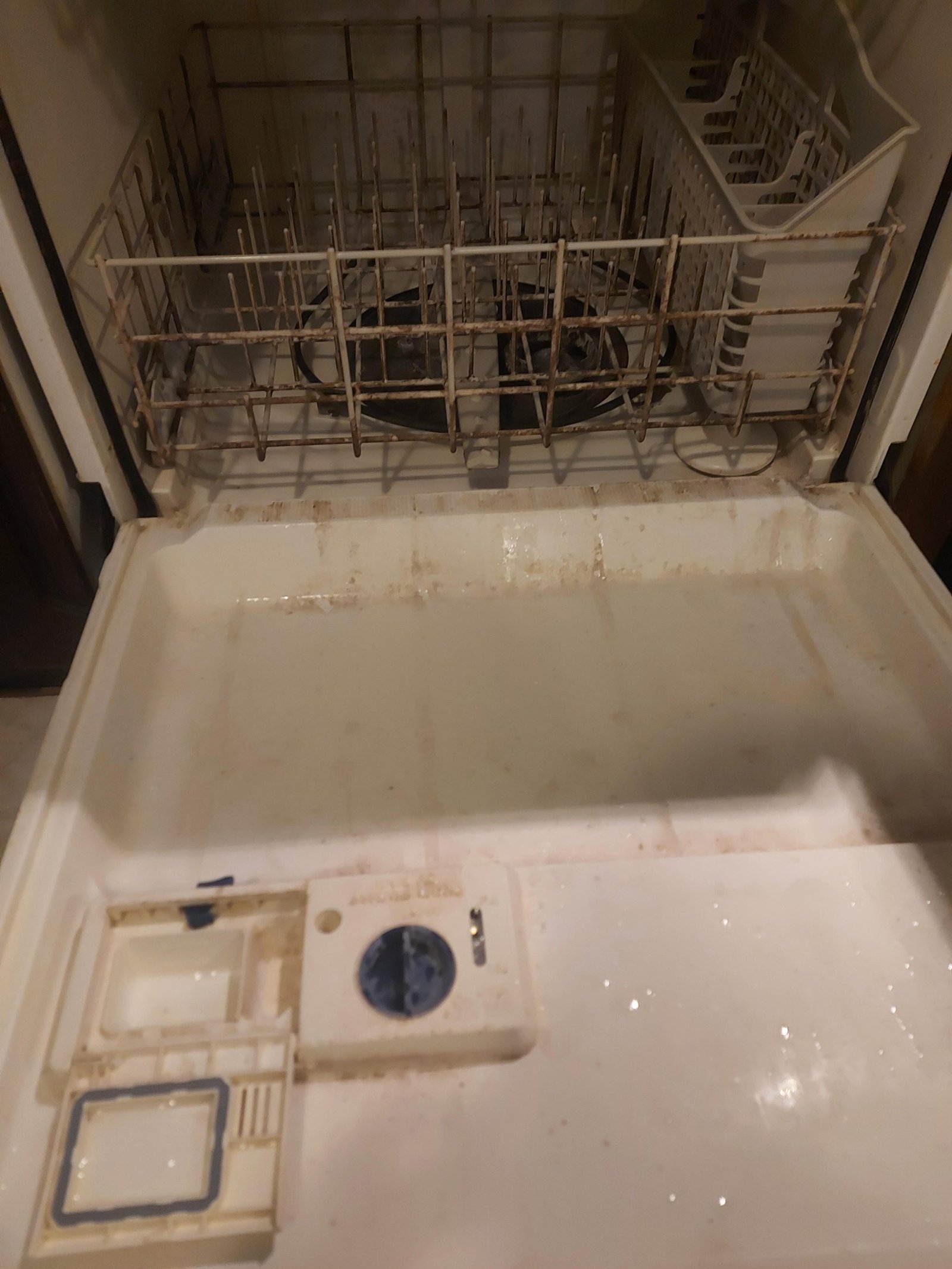
Is your dishwasher smelling a bit off lately? If you’ve noticed a musty odor every time you open it or spotted some unsightly black or green patches inside, you might be dealing with mold.
It’s not just an unpleasant surprise; mold can pose health risks and affect the performance of your appliance. But don’t worry, you’re not alone, and there’s no need to panic. With just a few simple steps, you can transform your dishwasher back into a sparkling, mold-free zone.
Imagine the relief of knowing your dishes are truly clean and safe to use. Curious to find out how? Keep reading, and you’ll discover the easiest and most effective ways to banish mold for good.
Credit: www.reddit.com
Identifying Mold In Your Dishwasher
Mold can hide in dishwashers, causing odors and health issues. Clean it by using vinegar and baking soda. Regular maintenance helps keep your dishwasher mold-free.
Identifying mold in your dishwasher might seem daunting, but it’s a crucial step to ensure your appliance stays clean and your dishes hygienic. Mold in a dishwasher can be sneaky, often hiding in places you don’t immediately notice. Recognizing the signs early can save you time and trouble in the long run. Let’s break down how you can identify mold effectively.Signs Of Mold Growth
Mold can manifest as black, green, or even white spots in your dishwasher. You might notice a musty smell wafting out each time you open the door. Another telltale sign is if your dishes smell off even after a wash. A close inspection around the rubber seals and under the bottom racks can reveal hidden mold. Have you ever noticed a thin film or discoloration on the dishwasher door or interior walls? That’s a red flag.Common Mold Types In Dishwashers
Dishwashers can become a breeding ground for several mold types, with black mold being the most notorious. This type is not only unsightly but can also pose health risks if not addressed. You might also encounter white mold, which often looks powdery and can be mistaken for mineral deposits. Green mold, though less common, can still appear if conditions are right. What experiences have you had with mold in your home appliances? Sharing your stories can help others learn how to tackle similar issues. Remember, being proactive about mold identification can save you from future headaches and ensure that your dishwasher runs smoothly, keeping your dishes sparkling clean.Safety Precautions
Cleaning mold out of a dishwasher requires careful attention. Mold can cause health issues. Proper safety precautions are essential for effective cleaning. Without them, you risk exposure to harmful spores. This section will guide you through necessary safety measures.
Protective Gear Recommendations
Wearing protective gear is crucial. Gloves protect your hands from harsh chemicals. Use rubber or latex gloves for a secure grip. Masks help avoid inhaling mold spores. A simple face mask can suffice. Goggles shield your eyes from splashes. Safety goggles offer clear vision while protecting your eyes.
Ventilation And Workspace Safety
Ensure the area is well-ventilated. Open windows or doors to allow fresh air. Proper airflow prevents mold spores from spreading. Turn on fans if available. Keep your workspace clean and tidy. Remove items that could obstruct movement. This reduces the chance of accidents. Clear surroundings mean fewer hazards. Adequate lighting is necessary for visibility. Bright lights help you spot mold effectively.
Initial Cleaning Steps
Mold in the dishwasher is a common nuisance. It affects performance and hygiene. Regular cleaning prevents mold buildup. Start with simple steps for a cleaner dishwasher.
Emptying The Dishwasher
Begin by removing all dishes. Ensure the dishwasher is completely empty. This makes it easier to reach every corner. Check for any forgotten items. You don’t want anything in the way. An empty dishwasher helps spot mold. Remove food particles or residue. These can lead to mold growth.
Removing Detachable Parts
Next, focus on detachable parts. Take out racks and utensil holders. These parts often hide mold. Detach them for thorough cleaning. Use warm, soapy water. Scrub gently to remove mold spots. Pay attention to corners and crevices. Rinse well and let them dry. Dry parts prevent mold from returning.
Natural Cleaning Solutions
Cleaning mold from a dishwasher requires a simple approach with natural solutions. Mix vinegar and baking soda to scrub the affected areas. Regular use keeps mold away and ensures a fresh, clean appliance.
Cleaning mold out of your dishwasher can be a daunting task, but it doesn’t have to involve harsh chemicals. Natural cleaning solutions are a fantastic way to tackle this issue effectively and safely. They are not only good for your appliance but also gentle on the environment and your health. By using ingredients you likely already have at home, you can make your dishwasher sparkle while keeping it mold-free.Using Vinegar And Baking Soda
One of the most effective natural cleaning solutions is the combination of vinegar and baking soda. White vinegar is a natural disinfectant that can break down mold and mildew, while baking soda acts as a gentle abrasive, scrubbing away residue and odors. To clean your dishwasher, first, remove any visible debris from the drain. Then, run an empty cycle with a cup of vinegar placed in a dishwasher-safe bowl on the top rack. This will help to sanitize and break down any mold buildup. After the cycle completes, sprinkle a cup of baking soda across the bottom of the dishwasher and run another short cycle with hot water. This step will help to deodorize and scrub away any remaining mold.Essential Oils For Mold Removal
Did you know essential oils can also be a powerful tool in your mold-fighting arsenal? Oils like tea tree oil and eucalyptus oil have natural antifungal properties. Add a few drops to the vinegar before running the cycle, and they will enhance the cleaning power while leaving a pleasant scent. Essential oils are also great for those sensitive to strong chemical smells. Have you ever noticed how some commercial cleaners can leave a harsh, lingering odor? Essential oils can eliminate that issue, providing a fresh and natural fragrance instead. By choosing natural solutions, you not only protect your home environment but also contribute to a more sustainable world. What other household appliances could benefit from these natural cleaning tricks?Chemical Cleaning Options
Mold in dishwashers can be cleaned using chemical solutions like vinegar or baking soda. Mix vinegar with water and spray inside the dishwasher, then scrub. Baking soda can also be sprinkled on a damp cloth for cleaning. Regular cleaning prevents mold buildup and keeps the dishwasher fresh.
Cleaning mold out of your dishwasher can feel like an uphill battle, but chemical cleaning options offer a straightforward solution. These methods can effectively target and eliminate mold, ensuring your appliance stays fresh and hygienic. Whether you’re tackling a minor issue or a full-blown mold invasion, choosing the right cleaner and applying it correctly can make all the difference. Choosing the Right Mold Cleaner Selecting the appropriate mold cleaner is crucial. Not all cleaners are created equal, and using the wrong one could damage your dishwasher or be ineffective against mold. Look for cleaners specifically designed for dishwashers, as they are formulated to handle the unique conditions inside the appliance. Products containing bleach are popular for their mold-killing properties, but ensure they are safe for your dishwasher’s materials. Consider your dishwasher’s manufacturer recommendations. Some brands suggest specific products that work best with their models. If you’re unsure, checking customer reviews can provide insights into the effectiveness and safety of various products. Application Techniques Once you’ve chosen the right cleaner, the application is key. Begin by reading the instructions on the cleaner’s label—this will guide you on the correct usage and quantity. Usually, you’ll need to run an empty cycle with the cleaner, allowing it to circulate and reach every nook and cranny. Before starting the cleaning cycle, remove any food debris or residue from the dishwasher. This ensures the cleaner can work directly on the mold. Pay special attention to seals and crevices where mold tends to hide. Use a soft brush or cloth to apply the cleaner manually to these tricky spots if necessary. Think about how often you clean your dishwasher. Regular cleaning can prevent mold from returning. Would monthly maintenance prevent future mold issues? It’s worth considering how you can adjust your cleaning routine to keep mold at bay permanently.:max_bytes(150000):strip_icc()/how-to-clean-mold-out-of-a-washing-machine-5207463-hero-a6d288e8b083441bbb064a5c0e03a9e8.jpg)
Credit: www.thespruce.com
Deep Cleaning Techniques
Eliminate mold from your dishwasher by using vinegar or baking soda. Scrub affected areas thoroughly with a soft brush. Run a hot cycle with an empty dishwasher to rinse away residues and ensure cleanliness.
Deep cleaning a dishwasher ensures it functions efficiently. Mold can build up over time, affecting the appliance’s performance. Regular maintenance helps prevent mold. Deep cleaning reaches hidden spots and removes stubborn grime. This section covers effective techniques for a thorough clean.Scrubbing Hard-to-reach Areas
Dishwashers have spots that are difficult to access. Mold can hide in these areas. Use a toothbrush to scrub these spots. Detergent and warm water help break down grime. Pay attention to corners and seams. The door gasket also needs attention. Mold often grows there. Gently scrub it to remove any buildup. A small brush works well for this task. Ensure all mold is thoroughly removed.Cleaning The Dishwasher Filter
The filter collects food particles and debris. These can lead to mold growth. First, locate the filter at the bottom of the dishwasher. Remove it carefully. Rinse it under warm water to remove debris. Use a gentle brush to scrub any stuck particles. Ensure the filter is completely clean. A clean filter improves dishwasher performance. Replace it securely once it’s clean. Regularly cleaning the filter prevents future mold issues.Preventing Future Mold Growth
Cleaning mold from a dishwasher involves removing all racks and scrubbing surfaces with vinegar. Ensure all seals and filters are thoroughly cleaned to prevent mold from returning. Regularly running the dishwasher on a hot cycle can help maintain a mold-free environment.
Preventing mold in your dishwasher not only keeps your dishes clean but also ensures the appliance runs efficiently. Mold thrives in dark, damp environments, making a dishwasher an ideal breeding ground. But with a few simple habits, you can keep mold at bay and enjoy a fresh-smelling kitchen.Regular Maintenance Tips
Regular maintenance is crucial. After each cycle, wipe down the dishwasher’s door and edges to remove leftover moisture. Check the rubber seal around the door; mold loves to hide there. Consider running an empty cycle with a cup of white vinegar once a month. This helps sanitize the inside and prevents mold from forming. Vinegar is a natural cleaner that breaks down buildup without harsh chemicals. Don’t forget to clean the filter. A clogged filter traps food particles, which can turn into a moldy mess. Remove and rinse it regularly under warm water.Improving Air Circulation
Good air circulation is a simple yet effective way to deter mold. After unloading the dishwasher, leave the door slightly ajar. This allows moisture to escape, reducing mold-friendly conditions. Have you ever noticed that musty smell when opening the dishwasher? It’s often due to poor airflow. Keeping the door open also helps your dishwasher dry out completely between uses. If your kitchen tends to be humid, consider using a dehumidifier. Mold thrives in humidity, so controlling the moisture level in the air can make a big difference. Is your dishwasher in a tight, enclosed space? Make sure there’s enough room around it for air to circulate. Preventing mold isn’t just about cleaning; it’s about creating an environment where mold can’t survive. Are you ready to start these simple habits today and say goodbye to moldy surprises?When To Call A Professional
Persistent mold in your dishwasher may require expert help. Call a professional if mold returns quickly after cleaning. Mold can hide in unreachable places, risking health if not removed properly.
When mold starts appearing in your dishwasher, regular cleaning might not suffice. Sometimes, professional help becomes essential to ensure safety and efficiency. Recognizing when to call in experts can save time and prevent further damage.Signs Of Severe Mold Infestation
Persistent mold patches signal a serious issue. If mold returns quickly after cleaning, it’s a warning. A musty smell that lingers despite thorough cleaning is another red flag. Mold visible in hidden areas like the filter or spray arms shows a deeper problem. These signs mean the infestation might be too severe for DIY solutions.Professional Cleaning Benefits
Experts have specialized tools for deep cleaning. They access hard-to-reach areas, ensuring all mold is removed. Professionals use effective cleaning agents that are safe for your appliance. This reduces the risk of future mold growth. Hiring professionals saves time and provides peace of mind. It ensures your dishwasher is safe and clean for your next use.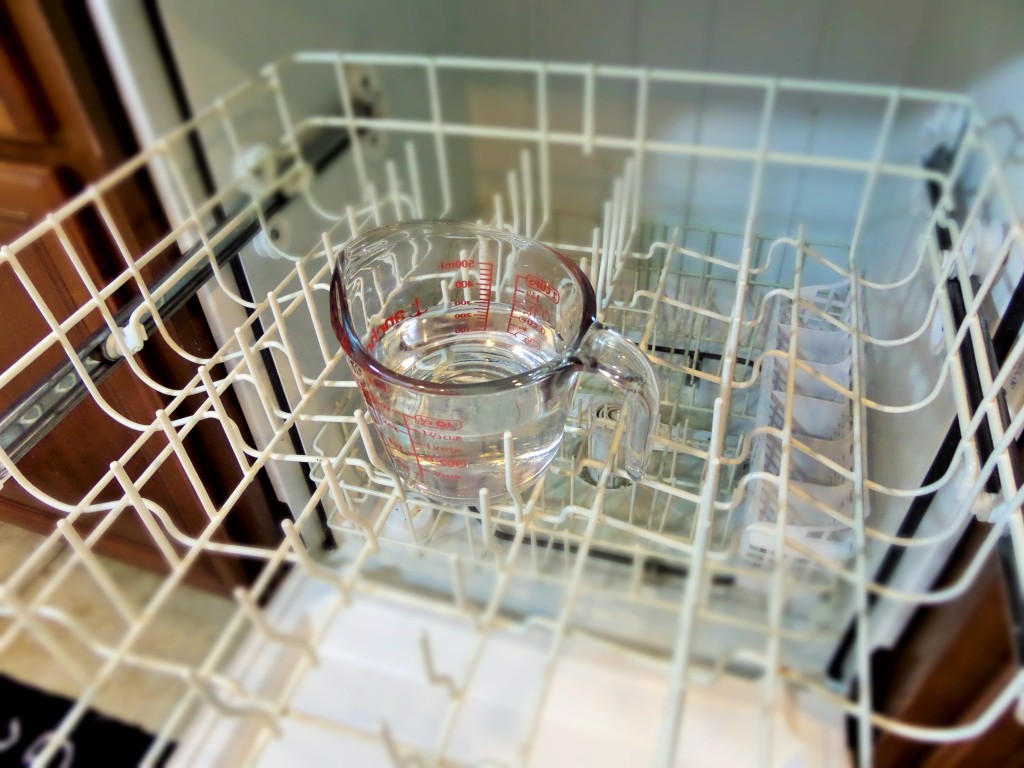
Credit: www.eagleservicecompany.com
Frequently Asked Questions
How Do I Get Rid Of Black Mold In My Dishwasher?
Clean the dishwasher by removing racks and washing them with hot, soapy water. Scrub visible mold with vinegar. Run an empty cycle with vinegar and baking soda to eliminate remaining mold. Keep the dishwasher dry and ventilated after each use to prevent future growth.
Can A Moldy Dishwasher Be Saved?
Yes, a moldy dishwasher can be saved. Clean the interior with vinegar or baking soda. Scrub visible mold and sanitize with hot water. Run a cleaning cycle without dishes. Regular maintenance prevents future mold growth.
Can I Put Bleach In My Dishwasher To Get Rid Of Mold?
Use bleach cautiously in dishwashers. Check the manufacturer’s instructions first. Bleach can damage stainless steel parts. Ensure proper ventilation and run an empty cycle after use to avoid residue. Consider alternative mold removal methods like vinegar for safety.
Why Are My Dishes Growing Mold In The Dishwasher?
Mold grows in your dishwasher due to trapped moisture and food particles. Regularly clean the dishwasher and remove leftover food. Use a high-temperature setting to sanitize. Ensure proper drainage and leave the door slightly open to dry. Use a dishwasher cleaner monthly to prevent mold growth.
Conclusion
Mold in dishwashers can cause health issues. Cleaning it is important. Regular checks help prevent mold growth. Use vinegar and baking soda for deep cleaning. Scrub corners and seals with a toothbrush. Ensure all parts are dry after washing. Keep the door open for air circulation.
This helps avoid moisture build-up. Clean filters and racks regularly. Maintain your dishwasher to keep it mold-free. A clean dishwasher means clean dishes. Enjoy fresh, safe kitchenware every day. Remember to repeat these steps monthly. Your dishwasher will stay mold-free and last longer.
Keep mold away with these easy steps.
