
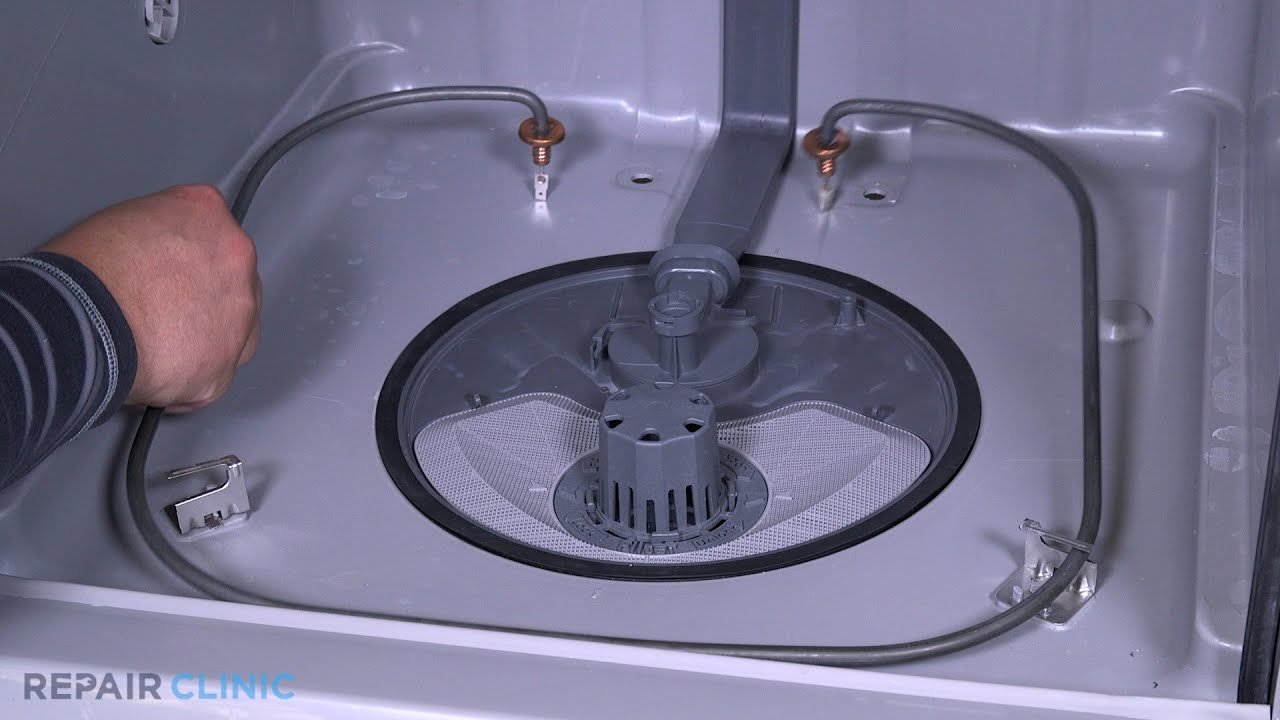
Is your dishwasher leaving your dishes cold and wet? It might be time to change the heating element.
Don’t worry; you don’t need to be a repair expert to tackle this task. By following a few simple steps, you can restore your dishwasher’s performance and enjoy spotless, dry dishes once again. Imagine the satisfaction of fixing it yourself and saving a bundle on repair costs.
In this guide, you’ll learn everything you need to know about changing the heating element in your dishwasher, all while feeling empowered and in control. So, grab your tools, and let’s get started on transforming your dishwasher back to its peak performance!
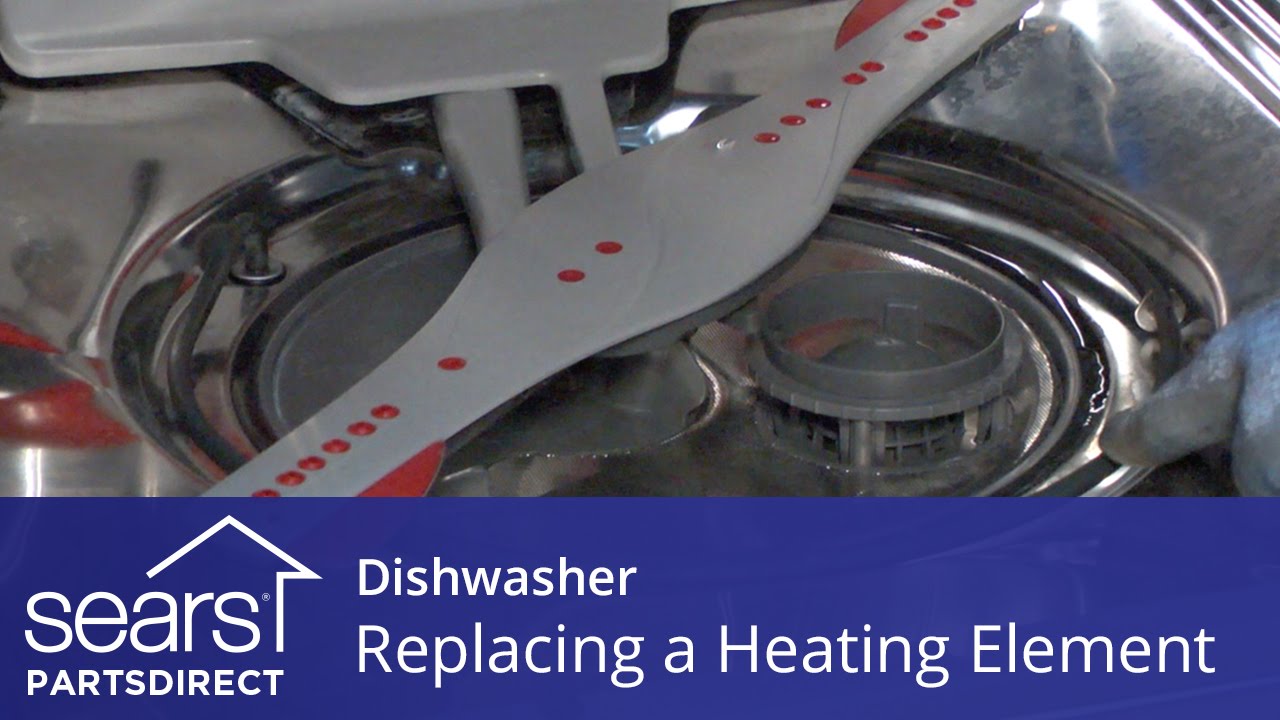
Credit: www.youtube.com
Preparation Steps
Gather tools like a screwdriver and multimeter. Disconnect the dishwasher from power and water supply. Remove the bottom panel to access the heating element.
Changing the heating element in your dishwasher might seem like a daunting task, but with the right preparation, it can be surprisingly straightforward. Before diving into the actual replacement process, taking the time to properly prepare is crucial. These preparation steps not only ensure your safety but also streamline the entire procedure, saving you time and potential frustration.Gather Necessary Tools
Before you start, make sure you have all the tools you need. A simple toolkit with a screwdriver, pliers, and a multimeter should suffice. Having these tools at your disposal will prevent unnecessary trips to the hardware store in the middle of your project. You might also need a towel or small bucket to catch any water spills. Keep them handy to avoid a messy cleanup later. Check your dishwasher manual for any specific tools required for your model.Safety Precautions
Safety should always be your top priority. Start by unplugging the dishwasher from the power source. This step is non-negotiable, as working with electrical components can be hazardous. Next, turn off the water supply to the dishwasher. This prevents any unexpected water flow while you’re working. Wearing rubber gloves can add an extra layer of safety, protecting you from sharp edges or electrical currents. Have you ever skipped a safety step and regretted it later? Taking these precautions may seem tedious, but they are crucial for a smooth and safe repair process. By following these preparation steps, you’re setting yourself up for success. Remember, preparation is half the battle won. Are you ready to tackle the rest of the replacement with confidence?Accessing The Heating Element
Access the heating element by first unplugging the dishwasher. Remove the lower panel at the front. Locate the element, typically found at the bottom of the dishwasher tub.
Accessing the heating element in your dishwasher is a crucial step when it needs replacement. This task may seem daunting, but with some guidance, you’ll find it’s quite manageable. If you’ve ever found yourself frustrated with dishes that come out cold or wet, replacing the heating element could be your solution. The process begins with safely accessing the element. Let’s walk through how you can do this efficiently and safely.Turn Off Power Supply
Before you start, ensure your safety by turning off the power supply to the dishwasher. You might feel tempted to skip this step, but trust me, it’s essential. Locate the circuit breaker and switch off the dishwasher’s power. If you’re unsure, check the manual or label on your breaker box. It might take a bit of searching, but this precaution prevents electrical shocks. Remember, safety first!Remove Lower Rack
Next, pull out the lower rack to gain better access to the heating element. It’s usually straightforward—just slide it out gently. You’ll be surprised how much more room you have to work with once it’s out. Removing the rack also helps you avoid any accidental damage or obstruction while working. Have you ever tried fixing something with parts in the way? It’s frustrating, right? This simple step clears your workspace, making the task more manageable. As you proceed, keep asking yourself: What other steps can I take to ensure a smooth replacement process? Often, a little planning and preparation make all the difference.Removing The Old Heating Element
Changing the heating element in your dishwasher can seem tough. But with simple steps, anyone can do it. The first task is to remove the old heating element. This process involves locating the element, disconnecting electrical connections, and loosening mounting nuts. Following these steps makes the task easy and safe.
Locate The Heating Element
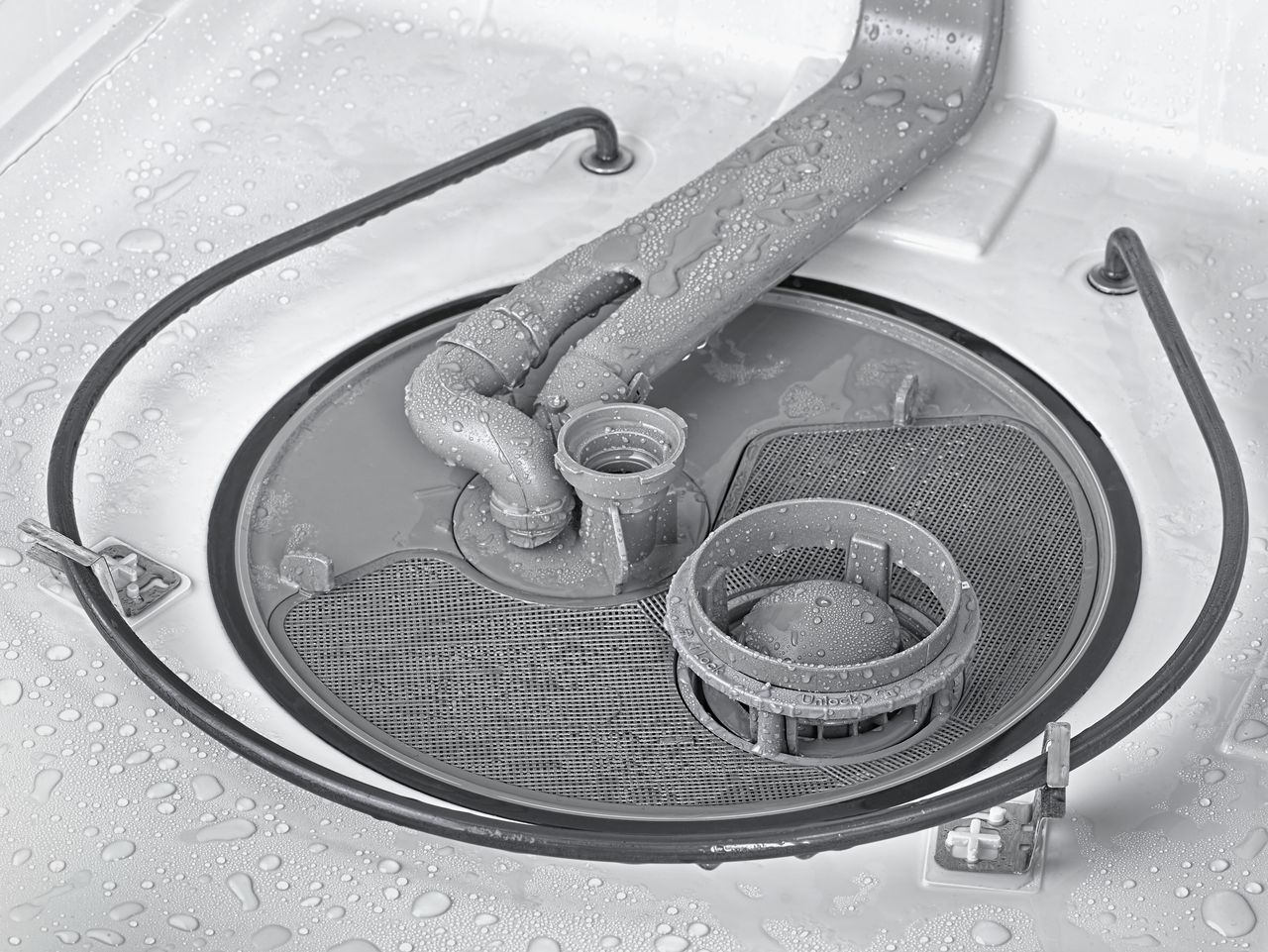
The heating element is usually at the bottom of the dishwasher. To reach it, you may need to remove the lower dish rack. Look for a metal rod that runs along the base. This rod is typically curved and spans across the dishwasher floor. Identifying it correctly is crucial before proceeding.
Disconnect Electrical Connections
Before touching the heating element, safety is key. Ensure the dishwasher is unplugged from power. Find the electrical connections linked to the heating element. These are often found beneath the dishwasher. Use caution to disconnect these wires. A gentle pull should suffice. Avoid using excessive force.
Loosen Mounting Nuts
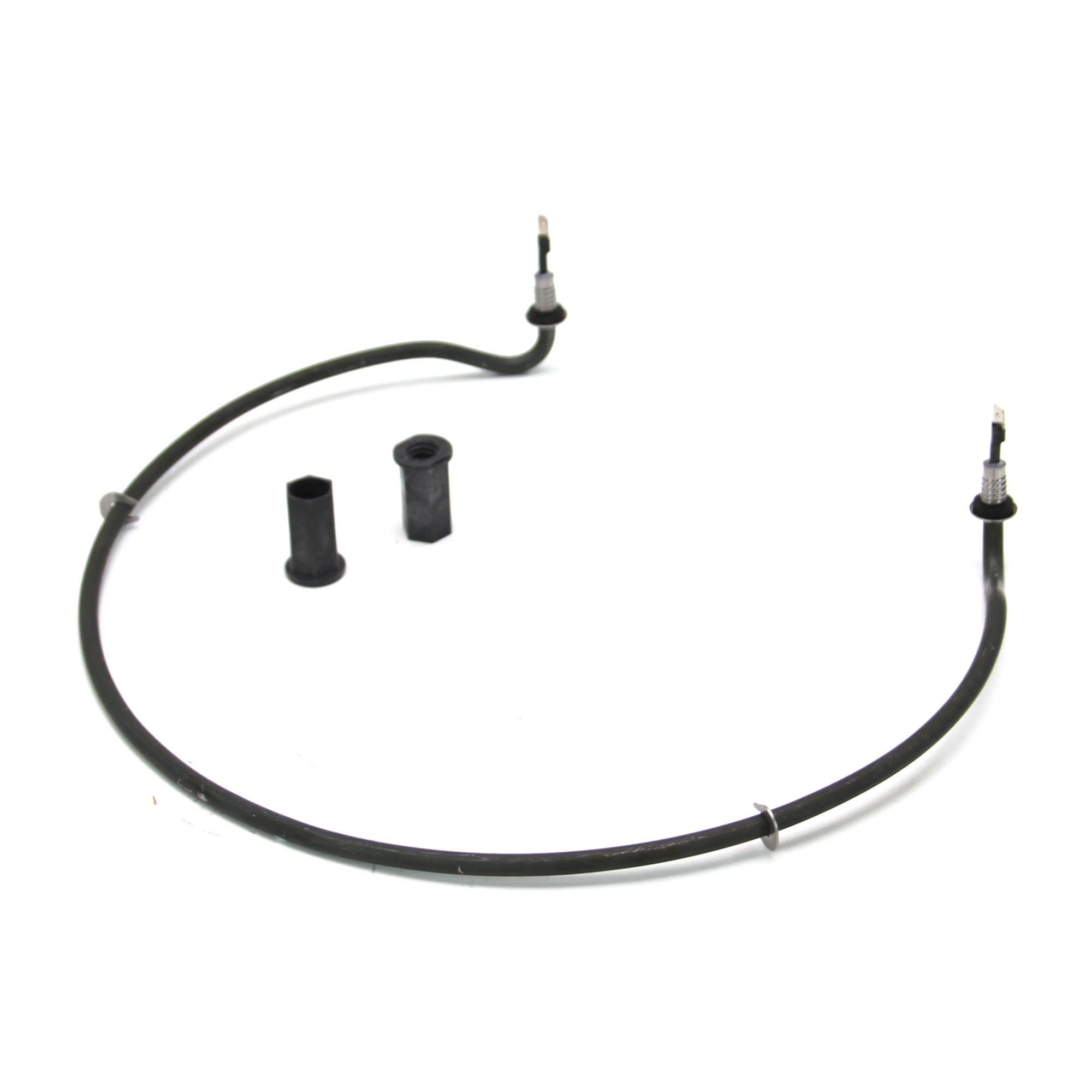
Next, locate the mounting nuts. These nuts secure the heating element in place. Use a wrench to turn them counterclockwise. Take care not to lose any nuts. Place them in a safe spot for reassembly. With nuts removed, the heating element should be free. You can now lift it out gently.
Credit: www.searspartsdirect.com
Installing The New Heating Element
Installing a new heating element in your dishwasher can seem daunting. But with the right steps, it’s manageable. Once you’ve removed the old element, it’s time to fit the new one. This process involves careful positioning and securing for optimal performance. Let’s break it down into simple steps.
Position The New Element
Begin by placing the new heating element in the dishwasher. Make sure the ends align with the mounting holes. This ensures proper fitting. The element should sit flat without tilting. Check that it’s level with the dishwasher floor.
Secure With Mounting Nuts
Next, use the mounting nuts provided with your new element. Thread each nut onto the element’s ends. Tighten them by hand to start. Then use a wrench for a secure fit. Ensure each nut is tight but not overly so. Over-tightening can damage the element.
Reconnect Electrical Connections
Locate the wires you disconnected earlier. Reattach them to the new heating element. Ensure each connection is firm. Loose connections can cause malfunction. Double-check each wire before proceeding. Safety is key during this step.
Reassembling The Dishwasher
After successfully replacing the heating element, reassembling is crucial. Ensure every part is properly placed. This step prevents future malfunctions. Follow these steps for a smooth reassembly.
Replace Lower Rack
Start by sliding the lower rack back into place. Align it with the tracks on both sides. Check if it moves smoothly. This ensures proper positioning for dishes. Avoid forcing it, which may cause damage.
Restore Power Supply
Reconnect the power supply to the dishwasher. Ensure the plug is secure in the socket. This step is vital for functionality. Check if the dishwasher powers on. Reset any settings as needed for operation.
Testing The New Installation
After installing the new heating element, testing is crucial. Proper installation ensures your dishwasher works efficiently. Testing helps confirm the heating element functions correctly.
Run A Test Cycle
First, run a test cycle on your dishwasher. Select a normal wash setting. This helps to check the overall operation. Observe the dishwasher as it runs. Listen for any unusual noises. These might indicate issues with installation.
Check For Proper Heating
Open the dishwasher mid-cycle. Carefully feel the temperature inside. The water should be warm or hot. This indicates the element is heating correctly. If the water is cold, there might be a problem. Recheck the installation steps.
Ensure dishes are warm when the cycle ends. This confirms proper heating throughout. Consistent warmth means the element works as expected. If dishes are cool, further investigation is needed.
Troubleshooting Common Issues
Changing a dishwasher’s heating element can solve many problems. Yet, issues may still arise. It’s important to troubleshoot common problems. This helps ensure your dishwasher runs smoothly.
Addressing Leaks
Leaks can occur during heating element changes. First, check the seal around the heating element. A damaged or loose seal often causes leaks. Tighten or replace it if needed. Next, inspect the connections and hoses. Ensure they are secure and free of cracks. A simple adjustment can often stop leaks.
Handling Electrical Problems
Electrical problems may happen after changing the heating element. Make sure the dishwasher is unplugged before checking. Inspect the wiring for any signs of damage. Frayed or burnt wires need replacement. Also, check the heating element’s connections. They should be tight and secure. A loose connection can disrupt the electrical flow.
Maintenance Tips
Keeping your dishwasher in top shape requires regular maintenance. One key part is the heating element, which ensures dishes dry properly. Proper care extends its lifespan and prevents costly repairs. Below are essential maintenance tips to keep your dishwasher running smoothly.
Regular Inspection
Check the heating element monthly for signs of wear. Look for cracks, discoloration, or rust. These could affect its performance. Early detection can prevent bigger issues. Use a flashlight for better visibility.
Proper Cleaning
Clean the heating element gently. Avoid abrasive materials that could damage it. Use a soft cloth and mild detergent. Rinse thoroughly to remove any residue. Regular cleaning prevents buildup and ensures efficiency.
Credit: twincitiesappliance.com
Frequently Asked Questions
Can I Replace The Heating Element In My Dishwasher Myself?
Yes, you can replace the heating element in your dishwasher yourself. Ensure safety by unplugging the appliance first. Follow the manufacturer’s instructions and use the right tools. If unsure, consult a professional to avoid damage or injury.
Is It Worth Replacing A Heating Element In A Dishwasher?
Replacing a heating element in a dishwasher is often worth it. It can extend the appliance’s lifespan and improve performance. Ensure the cost of the part and labor is reasonable compared to buying a new dishwasher. Consult a professional to assess the repair’s feasibility for your specific model.
How Do I Know If The Heating Element In My Dishwasher Is Bad?
Check if dishes remain wet after a cycle. Listen for unusual noises or see visible damage on the element. Use a multimeter to test for continuity. If the element doesn’t heat, it’s likely faulty. Consider professional inspection for accurate diagnosis and replacement.
How Expensive Is It To Replace A Heating Element In A Dishwasher?
Replacing a dishwasher heating element typically costs between $150 and $300. This includes both parts and labor. Prices vary based on your location and dishwasher model. DIY replacement can reduce costs, but professional service ensures proper installation. Always consult your dishwasher’s manual before attempting repairs.
Conclusion
Changing the heating element in a dishwasher is straightforward. Follow steps carefully and ensure safety. Check your manual for specific instructions. Tools are simple; you likely have them at home. Replacement is a cost-effective solution to heating issues. Regular maintenance extends dishwasher life.
Clean parts regularly to prevent further problems. Don’t rush; patience ensures a proper fit. Remember, a well-functioning dishwasher saves energy and money. If problems persist, consult a professional. Keep your dishwasher in top shape for efficient performance. A little effort now prevents bigger issues later.
Enjoy stress-free dishwashing with a properly working appliance.
