
Are you tired of your dishwasher not performing at its best? Maybe your dishes aren’t coming out as sparkling clean as they used to, or perhaps there’s an unpleasant odor wafting out every time you open the door.
The culprit might just be a dirty heating element. Keeping your dishwasher’s heating element clean is crucial for maintaining its efficiency and ensuring your dishes are spotless after every wash. In this guide, we’ll walk you through simple steps on how to clean your dishwasher’s heating element effectively.
By the end of this article, you’ll have the know-how to give your dishwasher a new lease on life, saving you time and energy in the long run. Ready to discover the secret to a cleaner, more efficient dishwasher? Let’s dive in!
Signs Of A Dirty Heating Element
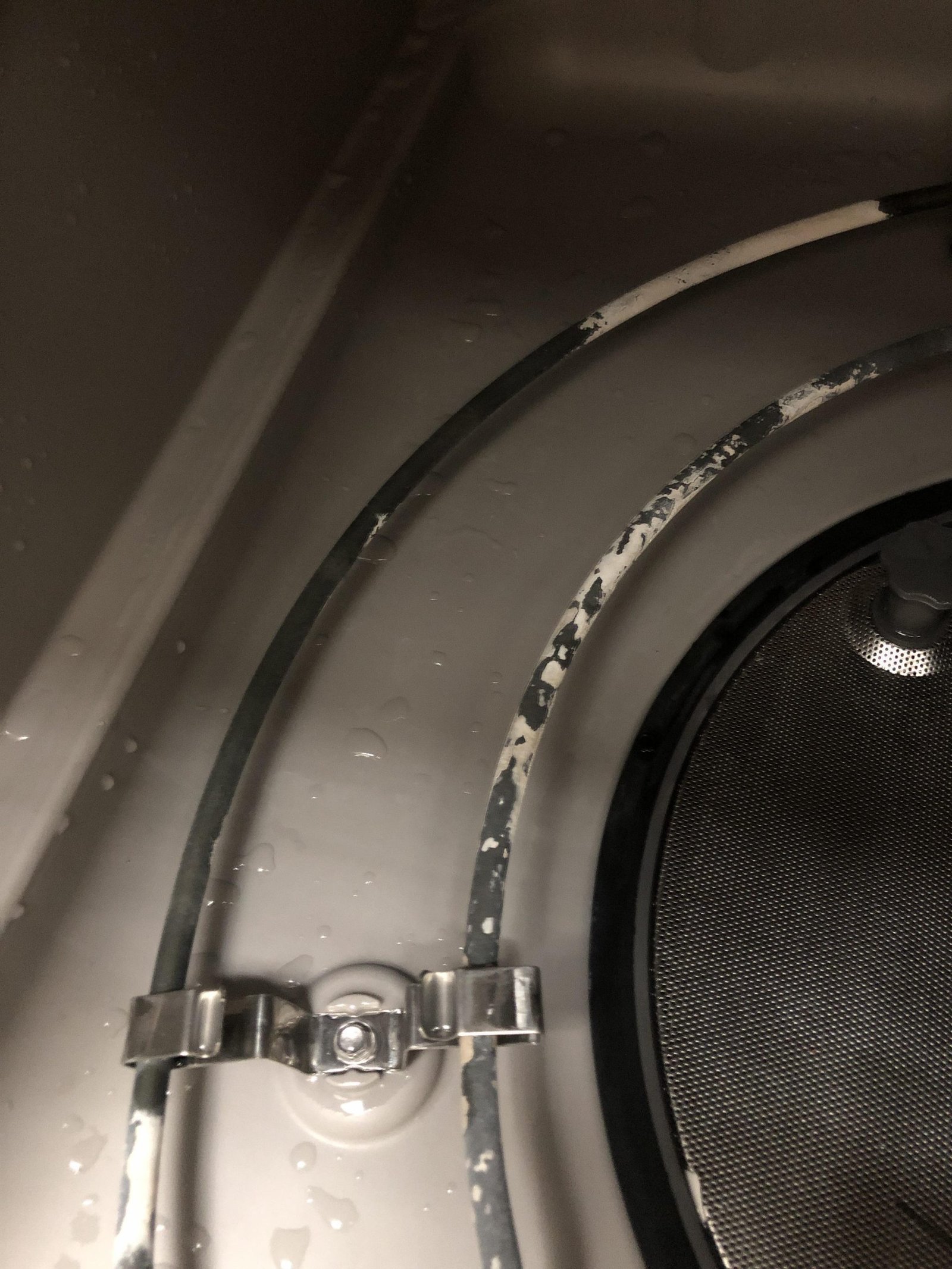
Spotting a dirty heating element can be straightforward. Look for residue build-up and uneven heating. Cleaning the dishwasher heating element ensures efficient performance and prevents unpleasant odors. Regular maintenance is key.
A dishwasher is a convenient kitchen appliance, but like all machines, it requires regular maintenance. One of the most overlooked parts of a dishwasher is the heating element. Ignoring it can lead to several issues. So, how do you know if your dishwasher’s heating element is dirty? Knowing the signs can save you time and money.1. Unpleasant Odors
Have you ever opened your dishwasher and been greeted by an unpleasant smell? This might be a sign of a dirty heating element. Food particles and grease can accumulate on the element, causing bad odors. A quick check and clean can help eliminate this issue.2. Inefficient Drying
If your dishes come out wet, the heating element might be struggling. A dirty element can’t generate enough heat to dry effectively. By keeping the element clean, you ensure your dishes are dry and ready to use.3. Spotty Or Streaky Dishes
Are your glasses and plates covered in spots after a wash cycle? This can indicate a problem with the heating element. When it’s dirty, it can’t maintain the right temperature, which affects how well your detergent works. Cleaning it can help restore your dishwasher’s efficiency.4. Longer Wash Cycles
Notice your dishwasher taking longer than usual to complete a cycle? A dirty heating element can be the culprit. It may struggle to heat water efficiently, causing the dishwasher to compensate by extending the cycle. Regular cleaning can prevent this problem.5. Strange Noises
A dirty heating element might make unusual sounds during a wash cycle. This is often due to food debris burning off the element. Listening for these sounds can be an early warning sign to clean your dishwasher’s heating component. Identifying these signs early can save you from costly repairs. Regular maintenance of your dishwasher’s heating element is crucial for optimal performance. Have you noticed any of these signs in your dishwasher? Don’t wait for it to get worse—take action today!
Credit: www.reddit.com
Gathering Necessary Tools
Cleaning a dishwasher’s heating element requires the right tools. Using appropriate tools ensures safety and effectiveness. You avoid damage and extend the appliance’s life. Let’s explore what you’ll need before starting.
1. Screwdriver
A screwdriver is essential for accessing the heating element. Select a Phillips or flathead based on your dishwasher type. Ensure it fits the screws snugly. Loose screws can lead to issues.
2. Soft Brush
A soft brush helps remove grime gently. It prevents scratches on the heating element. A toothbrush can also work in tight spots.
3. Vinegar And Baking Soda
Vinegar and baking soda are natural cleaners. They dissolve mineral deposits effectively. Safe and non-toxic for your appliance.
4. Microfiber Cloth
A microfiber cloth helps wipe down surfaces. It absorbs moisture without leaving lint. Perfect for the final cleaning touch.
5. Safety Gloves
Safety gloves protect your hands from chemicals. They also shield from sharp edges. Ensure a snug fit for better grip.
Safety Precautions
Cleaning your dishwasher’s heating element is essential for optimal performance. Safety should be your priority during this task. Understanding the necessary precautions helps prevent accidents. Let’s explore these important safety measures.
Unplug The Dishwasher
Always disconnect the power supply before starting. This prevents electrical shocks. Ensuring your safety is crucial. It also avoids damage to the appliance.
Wear Protective Gear
Safety goggles protect your eyes from debris. Gloves shield your hands from sharp edges. These items keep you safe during cleaning.
Ensure Proper Ventilation
Work in a well-ventilated area. This prevents inhalation of fumes. It keeps the air fresh and breathable. Open windows or use a fan for airflow.
Use Safe Cleaning Products
Choose non-toxic cleaning solutions. Avoid harsh chemicals that can harm you. They should be safe for appliances. Read labels carefully before use.
Handle Tools Carefully
Use tools with care and precision. Avoid rushing and stay focused. This reduces risk of injury. Keep tools organized and within reach.
Credit: www.youtube.com
Turning Off Power Supply
Ensure safety by turning off the dishwasher’s power supply before cleaning the heating element. This simple step prevents electric shocks and ensures a safe cleaning process.
Cleaning the heating element of your dishwasher is essential for maintaining its efficiency and lifespan. Before diving into the cleaning process, the first crucial step is turning off the power supply. This ensures your safety and prevents any electrical mishaps. Imagine accidentally getting a shock while cleaning! Let’s dive into how you can safely turn off the power supply.Locate The Power Source
Start by identifying where your dishwasher is connected. Typically, dishwashers are hardwired into your home’s electrical system or plugged into an outlet under the sink. Check under your kitchen sink or look for a dedicated switch on your electrical panel labeled for the dishwasher.Switch Off The Circuit Breaker
If your dishwasher is hardwired, you’ll need to switch off the circuit breaker. Find your home’s electrical panel, usually located in a utility room or garage. Once there, look for the breaker marked “dishwasher” and flip it to the “off” position. Double-check by attempting to turn on the dishwasher; it should remain inactive.Unplug The Dishwasher
In some cases, your dishwasher might be plugged into an outlet. Simply unplug it to cut off the power supply. This is a straightforward method that guarantees safety. Keep the plug visible as a reminder that the appliance is disconnected.Verify Power Disconnection
Ensure all power to the dishwasher is off. Try pressing a few buttons on the control panel to confirm it’s not responding. It’s better to be cautious than to assume everything is off. This verification step adds an extra layer of safety. Turning off the power supply is a small step that makes a big difference in your cleaning routine. Have you ever forgotten to unplug an appliance before cleaning? Share your experiences in the comments below!Accessing The Heating Element
Accessing the heating element in your dishwasher might seem like a daunting task, but it’s surprisingly straightforward. If you’ve ever wondered why your dishwasher isn’t heating properly, this could be the culprit. Before diving into the details, think about how much better your dishes will look with a fully functioning heating element. Let’s make sure you know exactly where to start.
Locating The Element
First things first, you need to know where the heating element is located. Typically, it sits at the bottom of your dishwasher. You might recognize it as a metal rod, often shaped like a coil. Picture the element as the source of heat that dries your dishes, making them sparkle. It’s usually visible once you remove the lower rack.
Check your dishwasher’s manual if you’re unsure about its exact location. Manuals are great resources, often overlooked, that hold valuable information specific to your model. If you can’t find your manual, many manufacturers offer downloadable versions online. A quick search with your dishwasher’s model number could save you time.
Removing Dishwasher Racks
To access the heating element, removing the dishwasher racks is necessary. Start by sliding out the lower rack, which is usually straightforward. Most racks simply roll out on wheels, so you won’t need any special tools.
If you’ve ever rearranged furniture, you know how satisfying it is to clear the space. Removing the racks gives you a clear view and makes reaching the heating element easier. Pay attention to how the rack slides out; this will make it easier to replace it later.
Think about it: when was the last time you truly inspected your dishwasher’s interior? Removing the racks might reveal some hidden debris you hadn’t noticed before. Use this opportunity to clean any gunk or leftover food particles that might have accumulated over time.
Accessing the heating element is simple with these steps, but have you considered how often you should perform this maintenance? Regular checks ensure your dishwasher runs efficiently, saving you time and energy in the long run. Dive in and give your dishwasher some well-deserved attention!
Cleaning Techniques
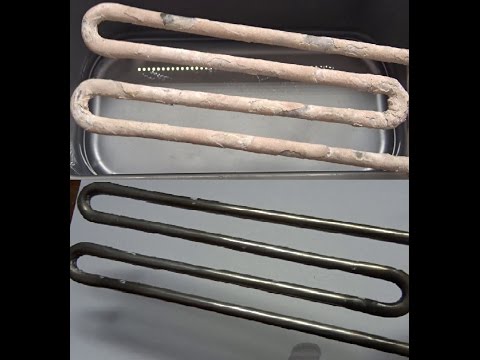
Cleaning the dishwasher heating element keeps it efficient. First, turn off the power. Then, gently scrub away any limescale or debris using a soft brush and vinegar. Regular maintenance ensures clean dishes and longer appliance life.
Cleaning your dishwasher’s heating element ensures it works efficiently. Regular maintenance helps avoid unpleasant odors and buildup. Different cleaning techniques can tackle grime effectively. Discover two simple methods below.Using Vinegar And Baking Soda
Vinegar and baking soda are natural cleaners. First, ensure the dishwasher is empty. Pour one cup of white vinegar into a bowl. Place the bowl on the top rack. Run the dishwasher on the hottest setting. This loosens grime and helps with odor. Once the cycle ends, sprinkle one cup of baking soda on the bottom. Run a short hot water cycle. This removes any remaining residue. The combination of vinegar and baking soda is powerful. It cleans without harsh chemicals.Scrubbing With A Soft Brush
Sometimes, a bit of scrubbing is needed. A soft brush works well for this. First, unplug the dishwasher for safety. Locate the heating element. It’s usually at the bottom. Use a flashlight if needed. Dip the brush in soapy water. Gently scrub the heating element. Focus on areas with visible buildup. Be gentle to avoid damage. Rinse the brush often. Once done, wipe with a damp cloth. Ensure everything is dry before plugging back in. This method is effective for stubborn grime. Regular scrubbing keeps the element clean.Reassembling The Dishwasher
Ensure the dishwasher is unplugged before cleaning the heating element. Remove any debris or buildup using a soft brush. Maintain the element’s efficiency by wiping it with a damp cloth, ensuring the dishwasher heats properly. Regular cleaning prevents damage and prolongs appliance life.
Reassembling your dishwasher after cleaning the heating element might seem daunting, but it’s simpler than you think. Once you’ve successfully cleaned the element, putting everything back together is the final step. It’s time to ensure your dishwasher runs smoothly again, ready for its next load of dishes. Let’s break it down into easy steps.Reinstalling Racks
First, let’s focus on the racks. Slide the bottom rack back onto its tracks. Ensure it glides smoothly without any obstructions. Next, position the top rack. Sometimes it may require a slight lift to sit perfectly on its rails. Double-check that both racks are secure and can move without any hindrance. Have you noticed how a misaligned rack can disrupt the washing cycle? Ensuring proper alignment is crucial for maintaining efficiency.Restoring Power
Now, it’s time to restore power to your dishwasher. Plug it back in if you unplugged it during the cleaning process. If your dishwasher connects directly to the power supply, switch the circuit breaker back on. Listen for any unusual sounds as it powers up. A quick tip: run a short cycle to ensure everything is functioning correctly. This step can save you from future headaches and ensure your cleaning efforts were successful. Reassembling your dishwasher might seem like a meticulous task, but it’s worth the effort. By following these steps, you’re not just maintaining your appliance, but also extending its lifespan. Have you reassembled your dishwasher after a cleaning session? How did it go? Share your experiences to help others in the comments below!
Credit: www.youtube.com
Regular Maintenance Tips
Regular maintenance of your dishwasher is crucial. It ensures optimal performance and extends its lifespan. The heating element is vital for effective cleaning. Keeping it clean prevents build-up and inefficiency. Here are some tips to maintain your dishwasher’s heating element.
Check For Residue Regularly
Inspect the heating element frequently. Look for lime, soap, or food residue. These can hinder its performance. Regular checks help spot issues early.
Use Vinegar For Cleaning
Vinegar is a natural cleaning agent. It dissolves mineral deposits effectively. Pour a cup of vinegar in the bottom of the dishwasher. Run a hot water cycle to clean the heating element.
Ensure Proper Water Temperature
Water temperature affects cleaning efficiency. The heating element should reach around 120 degrees Fahrenheit. Check your dishwasher settings. Ensure it is set to the correct temperature.
Inspect For Damage
Examine the heating element for any physical damage. Look for cracks or breaks. Damaged elements need replacement. This prevents further issues in your dishwasher.
Keep The Dishwasher Clean
A clean dishwasher aids in maintaining the heating element. Regularly wipe the interior and exterior. Remove debris and food particles. A clean dishwasher equals a clean heating element.
Schedule Professional Maintenance
Consider professional checks once a year. Experts can spot hidden problems. They ensure the heating element is in perfect condition.
Troubleshooting Common Issues
Cleaning your dishwasher’s heating element can improve its performance. Yet, issues may arise during this process. Recognizing these common problems can save time and effort. Let’s explore effective solutions to keep your appliance in top shape.
Identifying Signs Of Heating Element Problems
Observe any unusual noises during a wash cycle. A faulty heating element may cause this. Check if dishes remain wet after a cycle. This indicates the element isn’t heating properly. Also, look for pooling water at the bottom. It can signal a malfunctioning element.
Checking For Visible Damage
Inspect the heating element for visible damage. Look for cracks, breaks, or scorch marks. These signs mean the element needs replacement. Use a flashlight for better visibility. Ensure the dishwasher is unplugged for safety before inspection.
Testing The Heating Element
Use a multimeter to test the element’s continuity. Set the multimeter to the ohm setting. Touch the probes to the element’s terminals. A reading between 10 to 50 ohms is normal. A zero or infinite reading signals a defective element.
Clearing Blockages
Check for food particles or debris around the heating element. These can hinder its function. Use a soft cloth to wipe away any buildup. Ensure the area is clean and free from obstructions. Regular cleaning prevents blockages.
Resetting The Dishwasher
Sometimes, resetting the dishwasher resolves minor issues. Turn off the dishwasher and unplug it. Wait a few minutes before plugging it back in. Start a new wash cycle and check for improvements. This simple step can often fix small glitches.
Frequently Asked Questions
Can You Clean A Dishwasher Heating Element?
Yes, you can clean a dishwasher heating element. Unplug the dishwasher and remove debris with a soft brush. Use vinegar or baking soda to tackle mineral deposits. Avoid abrasive cleaners. Regular maintenance ensures optimal performance.
How Do I Get Calcium Buildup Off My Dishwasher Heating Element?
Mix vinegar and water in equal parts. Soak a cloth in the solution. Wipe the heating element gently. Use a soft brush for stubborn buildup. Rinse with water and dry thoroughly. Regular cleaning prevents future buildup.
How To Clean Burnt Plastic From Dishwasher Heating Element?
Turn off the dishwasher and unplug it. Use a plastic scraper to gently remove melted plastic. Wipe the heating element with a damp cloth. Ensure all plastic is removed before using the dishwasher again. Always wear protective gloves during cleaning.
Can Heating Elements Be Cleaned?
Yes, heating elements can be cleaned. Turn off the power, and gently wipe with a damp cloth. Avoid using harsh chemicals or abrasive materials to prevent damage. Cleaning helps improve efficiency and prolongs the life of the heating element. Regular maintenance ensures optimal performance and safety.
Conclusion
Cleaning your dishwasher heating element ensures it works efficiently. Regular maintenance prevents buildup and extends its lifespan. Follow the steps to keep it clean and functioning well. Use vinegar or baking soda for stubborn stains. Always unplug the dishwasher before cleaning.
Inspect the heating element for any damage. If damaged, consider professional help. Keep your dishwasher clean for better performance. A clean dishwasher saves energy and cleans dishes effectively. Enjoy spotless dishes every time. Your dishwasher will thank you for the care.
Happy cleaning!
