
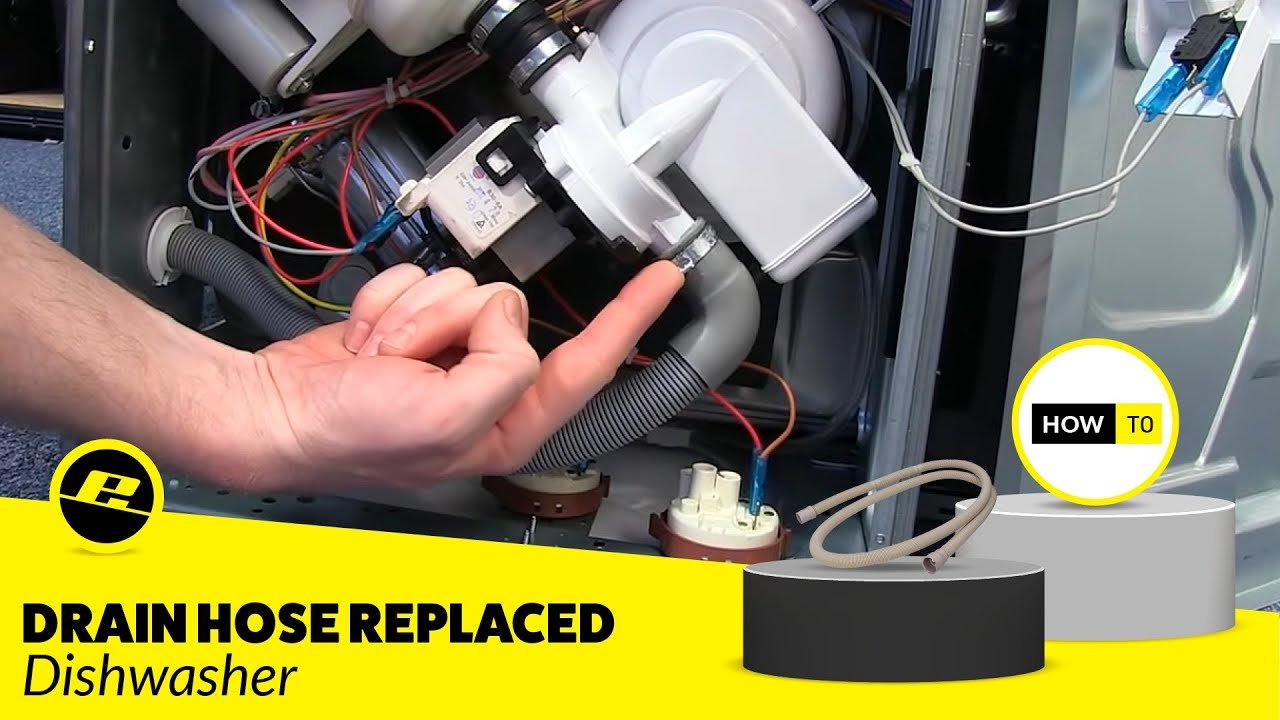
Are you noticing a puddle of water near your dishwasher or an unpleasant odor wafting through your kitchen? These could be signs that your dishwasher’s drain hose needs replacing.
Changing the drain hose might sound daunting, but it’s simpler than you think and can save you from costly repairs or replacements in the future. Imagine a kitchen free from leaks and lingering smells, where your dishwasher runs smoothly and efficiently.
In this guide, you’ll discover easy, step-by-step instructions to replace your dishwasher drain hose, ensuring a hassle-free experience. Ready to dive in and tackle this home improvement project with confidence? Let’s get started, and you’ll have your kitchen back to its pristine condition in no time.
Tools And Materials Needed
Changing a dishwasher drain hose requires a few basic tools and materials. Grab a screwdriver, pliers, a new drain hose, and a towel. Make sure to have a bucket handy to catch any water spills. These items will help you complete the task efficiently.
Changing a dishwasher drain hose may seem daunting, but with the right tools and materials, it’s a task you can tackle confidently. Before you dive into this DIY project, it’s essential to gather everything you need. Having the right tools at your fingertips not only makes the process smoother but also ensures you avoid unnecessary delays. Imagine being in the middle of the job and realizing you’re missing a crucial tool—frustrating, right? Let’s make sure that doesn’t happen.Essential Tools
Start by collecting a few basic tools that you likely already have around the house. A screwdriver is a must-have. You’ll use it to remove any screws securing the dishwasher’s panel. Next, grab an adjustable wrench. This will be essential for loosening and tightening the hose clamps. Don’t forget a bucket or a large bowl. This will catch any water that may spill out when you disconnect the hose. Trust me, having this ready can save you from a messy cleanup later.Materials Required
Before starting, ensure you have a new dishwasher drain hose. Make sure it matches the specifications of your dishwasher model. Check the manual or the manufacturer’s website for guidance. You’ll also need some hose clamps. These will secure the new hose in place. It’s a good idea to have a few extra on hand, just in case. Reusing old clamps can sometimes lead to leaks, and no one wants to redo this job!Safety Gear
Safety first! Wear a pair of gloves to protect your hands from sharp edges and to ensure a firm grip on your tools. If your dishwasher is in a tight space, consider wearing knee pads. They’ll make it more comfortable to kneel while you work.Additional Items To Consider
A flashlight can be incredibly helpful if your dishwasher is in a dimly lit area. It helps you see connections clearly and avoid mistakes. If your dishwasher has been in place for a while, you might encounter some stubborn connections. A small bottle of penetrating oil can help loosen these without damaging the components. Are you ready to get started? With these tools and materials, you’re well-prepared to change your dishwasher drain hose efficiently. Remember, preparation is key to a smooth and successful DIY project. What’s the most challenging part you anticipate? Let’s tackle it together!Preparing The Dishwasher
Changing a dishwasher drain hose involves turning off the water supply first. Unscrew the old hose from the appliance and drain. Attach the new hose securely, ensuring it’s tight. Finish by checking for leaks to ensure proper installation.
Before diving into the nitty-gritty of changing your dishwasher drain hose, it’s crucial to prepare your dishwasher properly. This step is often overlooked, but a well-prepared dishwasher ensures a smoother replacement process. Imagine the relief of knowing you’ve taken all the right steps to avoid a kitchen flood or electrical mishap.Safety Precautions
Your safety should always come first. Ensure you have a dry working area to prevent any slips. Wear rubber gloves to protect your hands from sharp edges or leftover detergent residues. It’s also wise to keep a towel handy for any unexpected spills.Disconnecting Power
Before you start, make sure the dishwasher is not connected to any power source. Locate the plug under the sink and unplug it. If your dishwasher is hardwired, switch off the circuit breaker in the electrical panel.Why is this so important? Electricity and water are a dangerous combination. By ensuring the power is off, you protect yourself and your home from potential hazards.
Have you ever thought about how often you use your dishwasher? Now imagine it breaking down because of a simple oversight. Taking these preparation steps can save you time and money in the long run. Are you ready to continue with confidence?
Accessing The Drain Hose
Changing your dishwasher’s drain hose might seem challenging. But accessing it is the first step. This process involves a few simple steps. Don’t worry, you won’t need many tools. A screwdriver will usually suffice. Once you access the drain hose, replacing it becomes easy. Let’s dive into the steps below.
Removing The Kick Plate
Begin by turning off the dishwasher. Unplug it from the power outlet. Safety comes first. Next, locate the kick plate at the bottom of your dishwasher. It is usually secured with screws. Use your screwdriver to remove them. Keep the screws in a safe place. You will need them later. Once all screws are out, gently pull off the kick plate.
Locating The Hose
With the kick plate removed, you can see inside. Look for the drain hose. It is usually a flexible tube. It connects the dishwasher to the drain. Follow the hose to the connection point. This is where it attaches to the dishwasher pump. Ensure you have enough light to see clearly. A flashlight can be helpful.
Removing The Old Hose
Removing the old dishwasher drain hose is a necessary task. It ensures your appliance runs smoothly. This process involves a few careful steps. Let’s dive into how you can easily remove the old hose.
Loosening Clamps
First, locate the clamps on your dishwasher hose. These clamps hold the hose in place. Use a screwdriver to loosen them. Turn the screws counterclockwise. Ensure they are loose enough to slide off the hose. But don’t remove them completely yet. Keep them handy for later use. This step is crucial for easy removal.
Detaching From Dishwasher
Now, focus on detaching the hose. Find where it connects to the dishwasher. Gently pull the hose off the connection point. It might need a little wiggle. But be careful not to damage anything. If it feels stuck, check the clamps again. Make sure they are fully loosened. Once detached, you can proceed to remove the hose. Handle it carefully to avoid spills or messes.
Installing The New Hose
Changing a dishwasher drain hose is a straightforward task. Proper installation ensures smooth operation. Follow simple steps to replace your old hose. Begin by attaching the new hose securely.
Attaching To Dishwasher
Connect the new hose to the dishwasher outlet. Ensure a tight fit. Slide the hose over the outlet. Push firmly to secure it. Check for any gaps or loose connections. A secure attachment prevents leaks.
Securing With Clamps
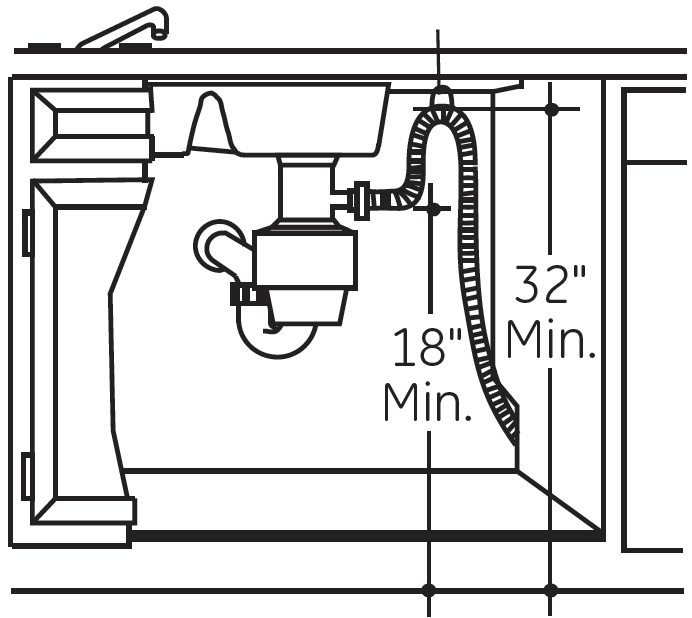
Use clamps to hold the hose in place. Position clamps near the connection points. Tighten them with a screwdriver. Ensure clamps are snug but not over-tight. Over-tightening may damage the hose. Properly secured clamps prevent the hose from slipping.
Credit: homeinspectionms.com
Testing The Installation
Ensure the dishwasher drain hose is secure and properly connected to avoid leaks. Run a test cycle to confirm smooth water drainage without blockages. Listen for unusual sounds and check for any water puddles during the cycle.
Testing the installation of a new dishwasher drain hose is crucial to ensure everything runs smoothly. Imagine you’ve just spent an afternoon replacing the hose, and now it’s time to see if your hard work has paid off. You don’t want surprises like leaks or improper drainage interrupting your next dinner party.Checking For Leaks
Start by running a short cycle on your dishwasher. As the water begins to drain, keep a close eye on the connections. Look for any signs of moisture or water escaping where the hose meets the dishwasher and the sink drain. A small leak now can become a bigger issue later, so fix any problems immediately. Use a dry cloth to wipe around the connections. This will help you detect even the smallest leaks. If the cloth picks up moisture, tighten the clamps or consider applying a sealant for a more secure fit.Ensuring Proper Drainage
Listen carefully as the water drains. Does it flow smoothly, or are there gurgling sounds? A gurgling noise might indicate a kink in the hose or an improper installation. Make sure the hose has a gentle slope from the dishwasher to the drain. This encourages gravity to assist in the water flow. You can also test the drainage by adding a bit of food coloring to the dishwasher water. Watch the colored water as it drains to see if it flows directly and quickly through the hose. If the water hesitates or backs up, recheck the hose routing. Have you ever ignored a minor issue, hoping it would fix itself? Testing your installation thoroughly can save you from unexpected dishwasher disasters. Engage with your task now, and enjoy a smoothly running kitchen later.Reassembling The Dishwasher
After replacing the dishwasher drain hose, reassembling is the next step. This process ensures your appliance functions correctly. Follow these steps carefully to get everything back in place.
Replacing The Kick Plate
The kick plate covers the bottom front of the dishwasher. First, align the kick plate with the screw holes. Hold it steady as you screw it back into place. Make sure it’s secure, preventing any vibrations. A loose kick plate can cause noise during operation. Double-check the alignment for a neat finish.
Restoring Power
Before restoring power, ensure all components are properly secured. Plug the dishwasher back into the outlet. If you turned off the circuit breaker, switch it back on. Listen for any unusual sounds as the dishwasher powers on. Run a test cycle to confirm everything works well. Watch for leaks around the hose area. This step ensures your dishwasher is ready for use.

Credit: fixitnow.com
Maintenance Tips
Keeping your dishwasher in good condition requires regular maintenance. Proper care can extend its life and improve performance. Changing the drain hose is a crucial part of this. Here are some tips to maintain it effectively.
Regular Checks
Inspect the drain hose often for signs of wear. Look for cracks or leaks. A damaged hose can lead to water leakage. This might cause mold or mildew. Check connections to ensure they are secure. Loose connections can cause drainage issues.
Preventative Measures
Keep the area around your dishwasher clean. Avoid storing items near the hose. This prevents accidental damage. Use gentle cleaning solutions when cleaning hoses. Harsh chemicals can weaken the material. Replace the hose every few years to avoid unexpected problems.
/dishwasher-drain-hose-connections-2718613-09-3f63c303030749e9985b75df021aeeb6.jpg)
Credit: www.thespruce.com
Frequently Asked Questions
Is It Easy To Replace A Dishwasher Drain Hose?
Replacing a dishwasher drain hose is relatively easy. With basic tools, most homeowners can complete it in under an hour. Always ensure the power and water supply are off before starting. Follow the dishwasher manual for specific instructions, and check connections for leaks after installation.
How To Disconnect A Dishwasher Drain Hose?
Turn off the power and water supply first. Unscrew the clamp securing the hose. Gently pull the hose to disconnect. Check for any residual water or debris. Dispose of the hose properly if replacing it.
How Often Should I Replace My Dishwasher Drain Hose?
Replace your dishwasher drain hose every 5-7 years or when visible wear, leaks, or clogs occur. Regularly inspect for damage to ensure efficient operation. Proper maintenance extends your dishwasher’s lifespan and prevents water damage.
How To Fix A Dishwasher Drain Hose Leak?
Turn off power and water supply. Inspect the hose for cracks or holes. Tighten or replace hose clamps. Replace damaged hose if necessary. Test for leaks by running a short cycle.
Conclusion
Changing a dishwasher drain hose is simple with the right steps. Gather your tools before starting. Follow each step carefully to avoid mistakes. Safety is important, so turn off water and electricity first. Remove the old hose gently to prevent damage.
Attach the new hose securely, checking for leaks. Test the dishwasher to ensure everything works fine. Regular maintenance keeps your dishwasher running smoothly. A clean drain hose improves performance and prevents clogs. With practice, this task becomes easier over time.
Remember, patience and care lead to successful repairs. Your dishwasher will thank you with better efficiency.
