
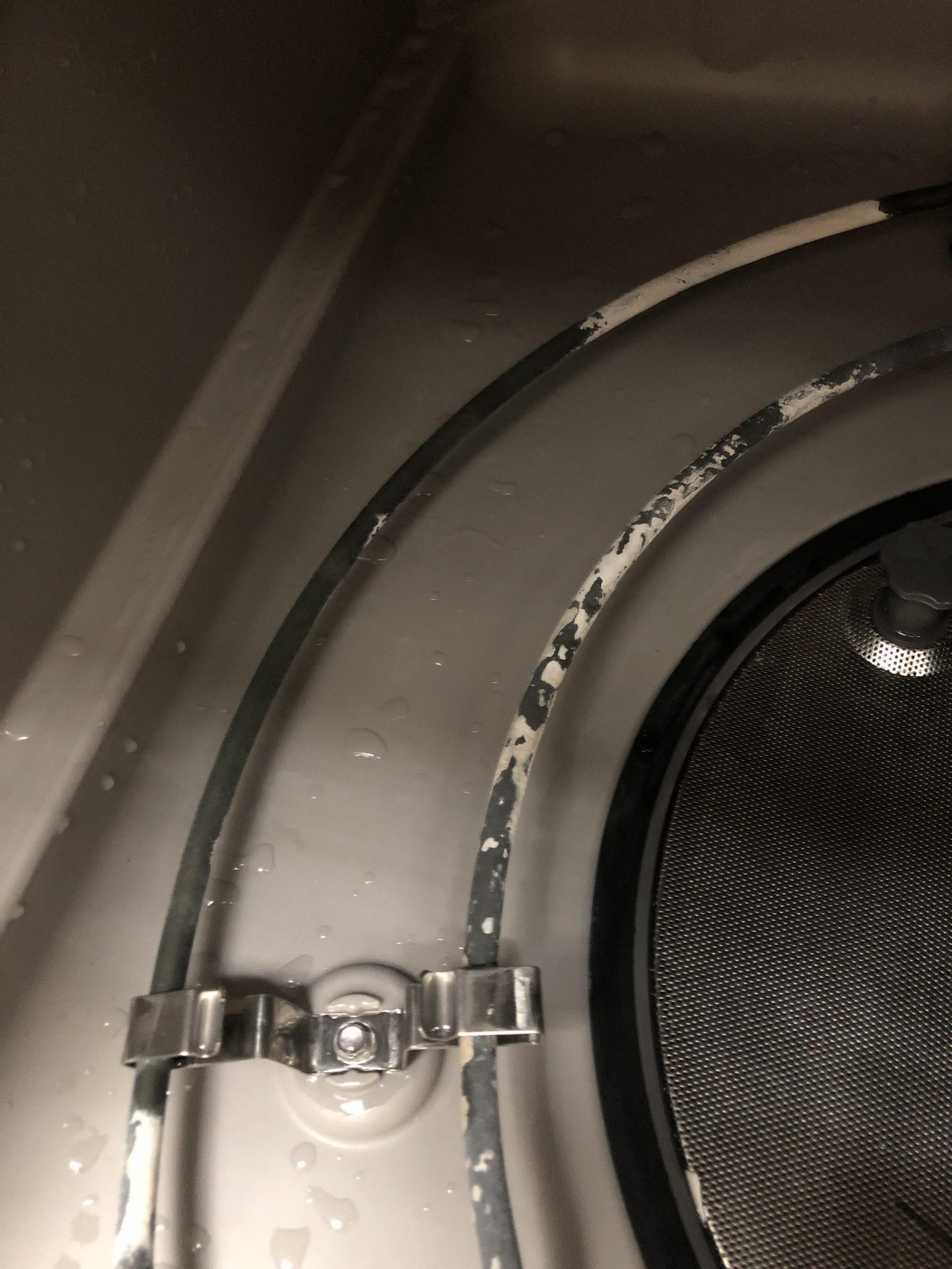
Are you noticing that your dishes aren’t coming out as spotless as they used to? The culprit could be a dirty heating element in your dishwasher.
This crucial component plays a vital role in drying your dishes and ensuring they are sanitized. Over time, mineral deposits and food debris can build up, hindering its performance. But don’t worry, cleaning it isn’t as daunting as it might seem.
In this guide, you’ll discover simple steps to restore your dishwasher’s efficiency and extend its lifespan. By the end, you’ll have the know-how to keep your appliance running like new, ensuring your dishes sparkle every time. Curious to learn how? Keep reading to uncover the secret to spotless, gleaming dishes.

Credit: www.youtube.com
Preparation For Cleaning
Start by unplugging the dishwasher for safety. Gather necessary tools like a soft brush, vinegar, and a cloth. Carefully remove the heating element cover before cleaning to ensure thorough maintenance.
Cleaning the heating element in your dishwasher is crucial to maintain its efficiency and longevity. Preparing for this task involves gathering the right tools and ensuring your safety. You might be surprised at how straightforward this process is. Let’s dive into the essential steps you need to take before tackling the job.Gathering Necessary Tools
First, assemble all the tools you’ll need. A soft brush or toothbrush is ideal for scrubbing off debris. A vinegar solution can help dissolve mineral build-up effectively. Don’t forget a flashlight to illuminate hard-to-see areas. Having a towel or cloth handy is also a good idea to catch any drips or spills. A checklist can be helpful here. You don’t want to find yourself halfway through the job without the right equipment. Have you ever started a project and realized you forgot something essential? It can be frustrating, so take a few minutes to make sure you have everything ready.Safety Precautions
Safety should be your top priority. Before starting, unplug the dishwasher or turn off the circuit breaker. This step prevents any risk of electrical shock. Ensure the dishwasher is completely cooled down to avoid burns. Consider wearing gloves to protect your hands. It’s easy to overlook the sharp edges inside your appliance. You might wonder if gloves are necessary, but they provide a layer of protection that you’ll appreciate later. Think about your workspace, too. Is it well-lit and free of clutter? A clear area reduces the risk of accidents. Preparing a safe environment might seem tedious, but it makes the cleaning process smoother and safer. Remember, preparation is key. With the right tools and safety measures, cleaning your dishwasher’s heating element becomes a simple task. Are you ready to get started?Identifying The Heating Element
The heating element in your dishwasher plays a vital role. It heats water during the wash cycle. It also dries dishes after washing. Identifying it is essential for cleaning purposes. A clean heating element ensures optimal performance. It also helps in prolonging the dishwasher’s lifespan.
This guide will help you locate the heating element. It will also help you identify signs of dirt and build-up. A clean heating element leads to a more efficient dishwasher.
Locating The Heating Element
Locate the heating element at the bottom of your dishwasher. It usually looks like a metal coil. Check your dishwasher’s manual for specific details. The manual will have diagrams to help you.
Ensure the dishwasher is unplugged before checking. Safety first! You can often see the element when removing the bottom rack. This makes it easier to inspect.
Signs Of Dirt And Build-up
Look for signs of dirt on the heating element. A common sign is a layer of white or brown residue. This residue can affect the dishwasher’s performance.
Another sign is a longer drying time for dishes. If dishes are not drying well, check the element. Mineral build-up can cause this issue.
Regularly inspect the element for any visible dirt or residue. Cleaning it promptly can save you from bigger problems.
Step-by-step Cleaning Process
Start by unplugging the dishwasher for safety. Remove the lower rack and inspect the heating element. Gently clean it with vinegar and a soft brush to remove mineral deposits. Rinse thoroughly and reassemble the dishwasher. Regular cleaning ensures efficient performance and extends the appliance’s life.
Keeping your dishwasher in top-notch condition isn’t just about loading it correctly and using the right detergent. It’s also crucial to ensure the heating element, which plays a pivotal role in drying your dishes, is clean and functioning well. A neglected heating element can lead to inefficient drying and even higher energy bills. Ready to give your dishwasher the care it deserves? Here’s a step-by-step guide to cleaning its heating element.Disconnecting Power Supply
Safety first! Before you dive into cleaning, make sure your dishwasher is completely disconnected from power. Locate the main switch or unplug it from the power socket. This step is vital to prevent any accidental shocks. Have you ever started cleaning and forgotten to unplug? It’s a common oversight, but it’s crucial for your safety.Removing The Heating Element
Once the power is off, open your dishwasher and locate the heating element. It typically looks like a thin, metallic rod at the bottom of the dishwasher. Gently remove any racks or trays that might be in the way. Next, carefully unscrew or unclip the heating element, following your dishwasher’s manual for specific instructions. Keep track of any screws or clips. Have a small container handy to store them, so they don’t get lost. Have you ever lost a tiny screw, only to find it when you least expect it? Keeping a container nearby solves this common problem.Cleaning Techniques
Now it’s time to clean. Use a soft cloth or sponge with mild dish soap and warm water. Gently scrub the heating element to remove any mineral buildup or debris. For stubborn spots, a solution of vinegar and water can work wonders. If the element is particularly grimy, consider using a soft-bristled toothbrush. This can help reach tighter spots without scratching the metal. Avoid abrasive materials, as they can damage the heating element. Once cleaned, rinse the element thoroughly to remove any soap residue. Let it dry completely before placing it back in the dishwasher. Have you ever thought about how a simple cleaning could save you money on energy bills? A clean heating element ensures efficient heat distribution, which can make a noticeable difference. Remember, a little maintenance goes a long way. Are you ready to roll up your sleeves and give your dishwasher the attention it deserves?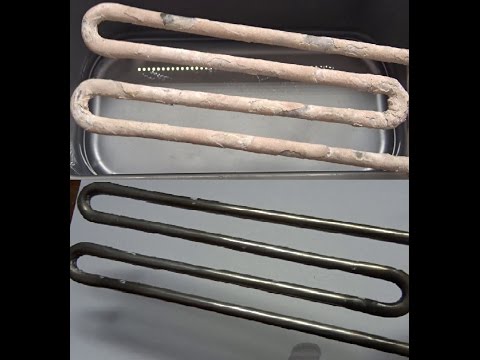
Credit: www.youtube.com
Reinstallation And Testing
Efficient cleaning of your dishwasher’s heating element boosts its performance. Simply remove debris and mineral deposits using a soft brush and vinegar solution. Regular maintenance ensures the element works effectively, prolonging your appliance’s lifespan and enhancing dishwashing results.
After giving your dishwasher’s heating element a thorough cleaning, it’s time to move on to the reinstallation and testing phase. This step is crucial to ensure that your appliance functions efficiently and safely. By following simple steps, you can easily reconnect the heating element and check if everything is working as it should. Have you ever wondered why your dishwasher’s performance declines after a cleaning spree? It might be due to improper reinstallation. Let’s dive into the nitty-gritty of getting your dishwasher back to its optimal state.Reconnecting The Heating Element
Start by gently aligning the heating element back into its designated slots. Make sure it fits snugly without forcing it into place. You wouldn’t want to risk bending or damaging the element. Secure the nuts or clips tightly to ensure a stable connection. Remember, a loose connection could lead to inefficiency or even a malfunction. Double-check the connections to the power supply. Are the wires firmly attached? This step is crucial as any loose wires can cause the element to fail, leaving your dishes cold and wet. Keep safety in mind and ensure everything is turned off before you begin reconnecting.Checking For Proper Functionality
Once the heating element is securely reinstalled, it’s time to test its functionality. Start by running a short cycle on your dishwasher. Pay attention to the sounds and check if the water heats up properly. A warm, steamy interior is a good sign that everything’s working well. Open the door cautiously mid-cycle to feel the warmth—just be careful of the steam! Is the water temperature consistent? This is a good indicator that the heating element is functioning correctly. If you notice any inconsistencies, it might be worth revisiting the connections. Ask yourself, how does your dishwasher’s performance compare to before? A successful reinstallation should result in improved washing and drying efficiency. If you followed the steps correctly, you should notice a significant difference. If not, it might be time to consult a professional. Taking the time to carefully reinstall and test your heating element can save you from future headaches and ensure your dishwasher runs smoothly. Have you reinstalled a heating element before? Share your experiences and insights!Maintenance Tips
Dishwashers are a modern-day marvel, simplifying our lives by tackling stacks of dirty dishes with ease. But like any appliance, they need a bit of TLC to keep working efficiently. The heating element is crucial for drying and sanitizing your dishes. Neglecting it can lead to reduced performance and even damage. Below are some practical maintenance tips to keep your dishwasher’s heating element in top shape.
Regular Cleaning Schedule
Consistency is key when it comes to maintaining your dishwasher. Set a regular cleaning schedule to prevent buildup on the heating element. A simple monthly routine can make a significant difference. Use a gentle cleaner and a soft brush to scrub away any residue. This practice not only prolongs the life of the heating element but also ensures your dishes come out spotless.
Have you ever noticed streaks or spots on your dishes? This could be a sign your heating element needs attention. Regular cleaning helps prevent mineral deposits and grime that can affect performance. Make it a habit, like brushing your teeth or taking out the trash, to check on the heating element. Your dishwasher—and your dishes—will thank you.
Preventive Measures
Prevention is always better than cure. Simple measures can save you from a costly repair. Avoid overloading your dishwasher, which can strain the heating element. Consider the placement of items, ensuring they don’t block water flow to the element. This ensures even heating and efficient drying.
Another preventive tip is to occasionally run your dishwasher on the hottest setting. This helps dissolve grease and buildup, keeping the heating element clean. Think of it like a mini workout for your appliance. Just like you wouldn’t skip leg day at the gym, don’t skip the hot cycle for your dishwasher.
Have you inspected the seals lately? A damaged seal can lead to leaks, affecting the heating element’s performance. Regularly check and replace worn seals to maintain efficiency. It’s a small task with big rewards for your dishwasher’s longevity.
What steps will you take today to ensure your dishwasher runs smoothly? By implementing these maintenance tips, you’re not just preserving the appliance but enhancing your kitchen’s overall functionality. Small actions lead to big outcomes, keeping your dishwasher in peak condition. So roll up your sleeves and give your heating element the care it deserves.

Credit: www.reddit.com
Frequently Asked Questions
How Do I Get Calcium Buildup Off My Dishwasher Heating Element?
Remove calcium buildup by soaking the heating element in white vinegar. Scrub gently with a soft brush. Rinse thoroughly with water. Run an empty cycle with vinegar to clean the dishwasher. Regular maintenance helps prevent future buildup.
Can You Clean A Heating Element In A Dishwasher?
Yes, you can clean a dishwasher heating element. Use vinegar and baking soda for effective cleaning. Turn off power before starting. Gently scrub with a toothbrush to remove debris. Ensure it’s completely dry before use. Regular cleaning enhances efficiency and longevity of the dishwasher.
How To Clean Burnt Plastic From Dishwasher Heating Element?
Turn off and unplug the dishwasher. Scrape off melted plastic using a wooden spatula. Apply rubbing alcohol to a cloth, gently wiping the heating element. Ensure it’s clean and dry before reconnecting. Avoid harsh chemicals to prevent damage.
Can Heating Elements Be Cleaned?
Yes, heating elements can be cleaned. Use a soft brush or cloth to remove debris. Ensure the appliance is unplugged and cooled down before cleaning. Avoid using abrasive materials or water directly on the elements. Regular maintenance helps in prolonging the appliance’s life and ensuring efficient performance.
Conclusion
Cleaning the dishwasher’s heating element is straightforward. Regular maintenance keeps your dishwasher working efficiently. A clean heating element ensures dishes dry properly. Avoid using harsh chemicals; they can damage the element. Always unplug the dishwasher before cleaning. Use gentle tools like toothbrushes or cloths for scrubbing.
Check for mineral buildup monthly. This helps prevent future issues. A little effort saves money on repairs. Cleaner dishes, fewer headaches. You’ll enjoy spotless dishes every time. Remember, consistency is key. Follow these simple steps to keep your dishwasher in top shape.
Happy cleaning!
