
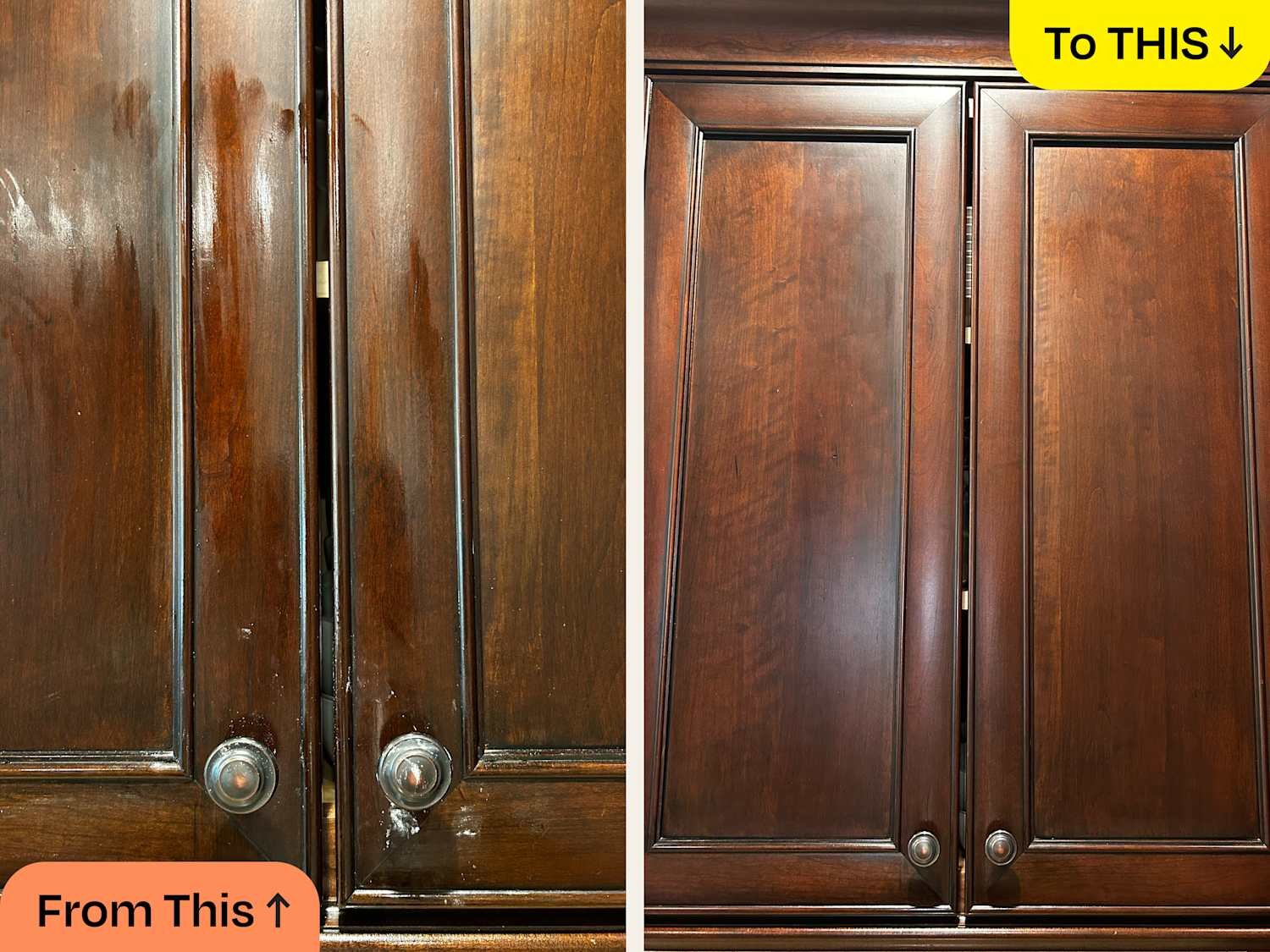
Are you tired of dealing with those stubborn grease stains on your kitchen cabinets? You know the ones—sticky, unsightly, and seemingly impossible to remove.
They have a way of building up over time, turning your once pristine kitchen into a greasy nightmare. You’re not alone in this struggle, and there is a solution that might just surprise you. Discover the best way to get grease off of cabinets, transforming your kitchen back to its gleaming glory.
As you read on, you’ll uncover simple yet effective techniques that will save you time and effort, leaving you to enjoy a cleaner, fresher space. Don’t let grease get the best of your cabinets; instead, take control and learn how to tackle this common issue once and for all. Your kitchen deserves it, and so do you.

Credit: www.reddit.com
Natural Cleaning Methods
Baking soda and water mix effectively dissolves stubborn grease on cabinets. Apply with a soft cloth for best results. Regular cleaning prevents build-up and keeps surfaces fresh.
Cleaning greasy cabinets can be a daunting task, but it doesn’t have to be. By choosing natural methods, you can effectively clean while avoiding harsh chemicals that might damage your cabinets or harm the environment. Natural cleaning solutions are not only safer but also often more cost-effective. Let’s explore some natural ways to tackle stubborn grease and grime on your cabinets.Vinegar And Baking Soda
Vinegar and baking soda are a dynamic duo in the realm of natural cleaning. Start by mixing equal parts of vinegar and warm water in a spray bottle. Spray the solution onto your cabinets, letting it sit for a couple of minutes to break down the grease. For stubborn spots, sprinkle a little baking soda onto a damp cloth and gently scrub the area. The mild abrasiveness of baking soda helps to lift the grease without scratching the surface. Rinse with a clean, damp cloth and dry thoroughly.Citrus-based Cleaners
Citrus-based cleaners are not only effective but leave a refreshing scent behind. Squeeze the juice of a lemon into a small bowl and mix with a tablespoon of baking soda to create a paste. Use a soft cloth to apply the paste to greasy areas, rubbing gently. The natural oils in citrus fruits help dissolve grease, while the acidity of the lemon juice works on breaking down the grime. Rinse off the paste with warm water and pat dry with a towel.Essential Oils
Essential oils can add a pleasant aroma to your cleaning routine while offering grease-fighting power. Mix a few drops of lemon or tea tree essential oil with warm water in a spray bottle. Spray the mixture onto the cabinet surfaces and wipe with a soft cloth. Essential oils not only help in cutting through grease but also have antimicrobial properties. This method leaves your kitchen smelling fresh and feeling clean. Plus, you might find cleaning a little more enjoyable with the calming scents! Have you tried using natural ingredients for cleaning before? If not, give these methods a shot and let your cabinets shine while keeping your kitchen environment-friendly.Commercial Cleaners
Vinegar mixed with water is effective for removing grease from cabinets. Apply the solution with a cloth, then wipe clean. Baking soda paste works well for stubborn spots, gently scrubbing with a soft brush.
Cleaning kitchen cabinets can be a daunting task, especially when grease build-up seems to be insurmountable. Commercial cleaners offer an effective solution to tackle this sticky problem, making your cabinets shine like new. With options ranging from degreasing sprays to eco-friendly products and heavy-duty solutions, there’s a cleaner for every kitchen need. But how do you choose the right one? Let’s dive into the options available and discover the best fit for your cabinets.Degreasing Sprays
Degreasing sprays are among the most popular commercial cleaners for cabinets. They are specifically designed to cut through grease, making them ideal for the kitchen. Their spray bottle design allows for easy application—simply spray and wipe. Brands like Krud Kutter and Goo Gone are often recommended for their powerful formulas. Have you tried using a degreasing spray before? You might be surprised by how effectively they can restore the original look of your cabinets, even if they’ve been neglected for a while.Eco-friendly Products
If you’re environmentally conscious, eco-friendly products are a great choice. These cleaners are designed to be tough on grease while being gentle on the planet. Products from brands like Method and Seventh Generation use natural ingredients that break down grease without harsh chemicals. An added bonus is their pleasant scents, which leave your kitchen smelling fresh. Are you keen on reducing your carbon footprint while maintaining a clean kitchen? Switching to eco-friendly cleaners can be an impactful step in that direction.Heavy-duty Solutions
For cabinets that have accumulated years of grime, heavy-duty solutions may be necessary. These cleaners are formulated to tackle stubborn grease that ordinary sprays might not handle. Products like Zep Heavy-Duty Degreaser are known for their strength and effectiveness in deep-cleaning tasks. But caution is key: these powerful solutions should be used sparingly to avoid damaging surfaces. Have you faced a cleaning challenge that seemed impossible? Heavy-duty solutions might be the answer, ensuring your kitchen cabinets are free from the toughest grease.Diy Grease Removers
Mix equal parts of vinegar and water for an effective grease remover. Apply the solution with a cloth to wipe down cabinets. For stubborn stains, sprinkle baking soda on a damp sponge and scrub gently.
Cleaning grease off your kitchen cabinets can seem like a daunting task, but fear not! With some simple DIY grease removers, you can tackle this sticky problem effectively and affordably. Whether you’re looking for a quick fix or a more involved solution, these homemade options can help you restore your cabinets to their former glory. Let’s dive into some practical DIY methods that can save you both time and money.Homemade Paste
Creating a homemade paste is a straightforward way to get rid of stubborn grease. Mix equal parts of baking soda and water to form a thick paste. Apply this paste to the greasy areas using a sponge or cloth. Gently scrub in circular motions, allowing the mild abrasiveness of the baking soda to lift the grease. Rinse with warm water and dry with a clean cloth. This method is a personal favorite because it’s gentle yet effective, and you likely already have these ingredients in your pantry.Soap And Water Mixtures
Sometimes, the simplest solution is the best. Combine a few drops of dish soap with warm water in a spray bottle. Spray the mixture onto the greasy surfaces and let it sit for a few minutes. This allows the soap to break down the grease bonds. Wipe clean with a damp cloth, repeating the process if necessary. Have you ever noticed how well dish soap cuts through grease on dishes? The same principle applies here, making this method a reliable choice for quick clean-ups.Rubbing Alcohol Solutions
Rubbing alcohol is another fantastic grease-busting agent. Mix one part rubbing alcohol with one part water in a spray bottle. Spray the solution on the greasy cabinets and let it sit for a few minutes. The alcohol helps dissolve the grease, making it easier to wipe away. Use a clean cloth to wipe down the surfaces. If you’re sensitive to strong odors, ensure good ventilation during this process. Isn’t it amazing how something so common can be so effective? By experimenting with these methods, you’ll find the best solution that works for your kitchen. Which one will you try first?
Credit: www.facebook.com
Preventive Measures
Preventive measures are the cornerstone of keeping your kitchen cabinets grease-free and looking pristine. Taking proactive steps not only saves you time but also preserves the longevity of your cabinetry. Imagine walking into your kitchen and admiring the spotless cabinets that reflect your dedication to maintenance. Let’s explore some effective strategies to prevent grease build-up.
Regular Maintenance
Regular maintenance is key to preventing grease accumulation on your cabinets. Make it a habit to wipe down your cabinets weekly with a damp cloth and mild detergent. This routine helps eliminate any grease residue before it becomes stubborn. Consider setting a reminder on your phone or calendar to ensure you don’t forget. A clean cabinet surface not only enhances the aesthetic of your kitchen but also makes cooking a more pleasant experience.
Protective Coatings
Applying protective coatings can be a game changer in keeping grease at bay. Products like mineral oil or specialized cabinet sealants create a barrier that resists grease adhesion. It’s like giving your cabinets a shield against everyday cooking splatters. Be sure to read the application instructions carefully to ensure maximum effectiveness. Wouldn’t it be great to have cabinets that repel grease instead of attracting it?
Proper Ventilation
Proper ventilation plays a crucial role in reducing grease build-up on your cabinets. Installing a quality range hood or exhaust fan can significantly decrease the amount of airborne grease particles. Consider the last time you cooked a big meal; did your kitchen feel a little smoky? Ensuring good airflow helps keep the air clean and reduces the chance of grease settling on your cabinets. Next time, turn on that fan and breathe easier knowing your cabinets are protected.
Cleaning Techniques
Cleaning grease off cabinets can seem like a daunting task, but with the right techniques, it can be manageable and even satisfying. Whether you’re tackling kitchen cabinets after a busy cooking session or maintaining them regularly, understanding the best cleaning methods is crucial. Let’s delve into some effective cleaning techniques that will transform your cabinets from grimy to gleaming.
Scrubbing Tools
Using the right scrubbing tools can make a world of difference. A good scrub brush with nylon bristles can be your best friend here. They’re tough on grease but gentle on the cabinet surface. If you prefer something handheld, consider an old toothbrush for those hard-to-reach corners. Remember, the goal is to scrub away grime without damaging the finish.
Soft Cloth Usage
Soft cloths are invaluable for cleaning cabinets. Microfiber cloths are particularly effective because they trap grease and dust without scratching surfaces. Always keep several cloths handy. Use one for applying cleaner and another for wiping down and buffing. The softness ensures your cabinet’s finish remains intact.
Proper Application Methods
Getting the application method right is key. Start by spraying the cleaning solution directly onto the cloth rather than the cabinet. This prevents excess moisture from seeping into the wood. Work in small sections, and use circular motions to lift grease. Have you tried using warm water with a bit of vinegar? It can be surprisingly effective for stubborn spots.
Do you have a favorite technique for cleaning your cabinets? Share your insights in the comments!
Safety Tips
Cleaning grease off cabinets requires gentle yet effective techniques. Use warm, soapy water to wipe down surfaces, rinsing thoroughly. For stubborn spots, a mixture of vinegar and baking soda can help break down the grease without damaging the finish.
Cleaning grease off cabinets can be challenging. Safety should always come first. Protect yourself and your cabinets from potential harm.Handling Chemical Cleaners
Chemical cleaners can be effective. Always read labels before use. Ensure the room is well-ventilated. Open windows or use fans. Avoid mixing different chemicals. This can create dangerous fumes. Wear gloves to protect your hands. Store chemicals safely after use.Avoiding Scratches
Cabinet surfaces can scratch easily. Use soft cloths or sponges. Avoid abrasive pads or brushes. Test cleaners on a small area first. Check for any discoloration or damage. Wipe gently and avoid applying too much pressure.Skin Protection
Protecting your skin is crucial. Wear gloves when using cleaners. Choose gloves that are chemical-resistant. Long sleeves can offer extra protection. Wash your hands thoroughly after cleaning. If irritation occurs, seek medical advice.
Credit: www.facebook.com
Frequently Asked Questions
How Do You Get Grease Off Wood Cabinets?
Use a mixture of vinegar and water to clean grease off wood cabinets. Apply with a soft cloth, then wipe dry. For stubborn stains, add baking soda to the solution. Regular cleaning prevents buildup and maintains cabinet appearance. Always test cleaning solutions on a small area first.
What Is The Best Degreaser For Kitchen Cabinets?
Simple Green All-Purpose Cleaner is a top choice for degreasing kitchen cabinets. It effectively removes grease and grime. This non-toxic cleaner is safe for various surfaces, ensuring a clean kitchen environment. Always test on a small area first to ensure compatibility with your cabinet finish.
Does Magic Eraser Work On Greasy Cabinets?
Yes, a magic eraser can effectively remove grease from cabinets. Its micro-scrubbers tackle stubborn grease stains. Dampen the eraser slightly and gently scrub the surface. Avoid excessive pressure to prevent damage to the cabinet finish. Always test on a small area first to ensure compatibility.
Does Wd-40 Remove Grease From Kitchen Cabinets?
Yes, WD-40 can effectively remove grease from kitchen cabinets. Spray it onto the greasy area and wipe clean. It’s crucial to test on a small spot first to ensure no damage occurs. This versatile product helps keep cabinets looking fresh and clean.
Conclusion
Grease on cabinets can be stubborn. But, with the right method, it’s manageable. Regular cleaning helps. Use mild soap and warm water first. For tough spots, try vinegar or baking soda. These natural cleaners are effective. Remember to wipe cabinets dry after cleaning.
This prevents moisture damage. Consistent care keeps cabinets looking fresh. Always test new cleaners in small areas. This avoids damage to finishes. Clean cabinets enhance kitchen appeal. Keep them grease-free with simple steps. Your kitchen deserves it. Happy cleaning!
