
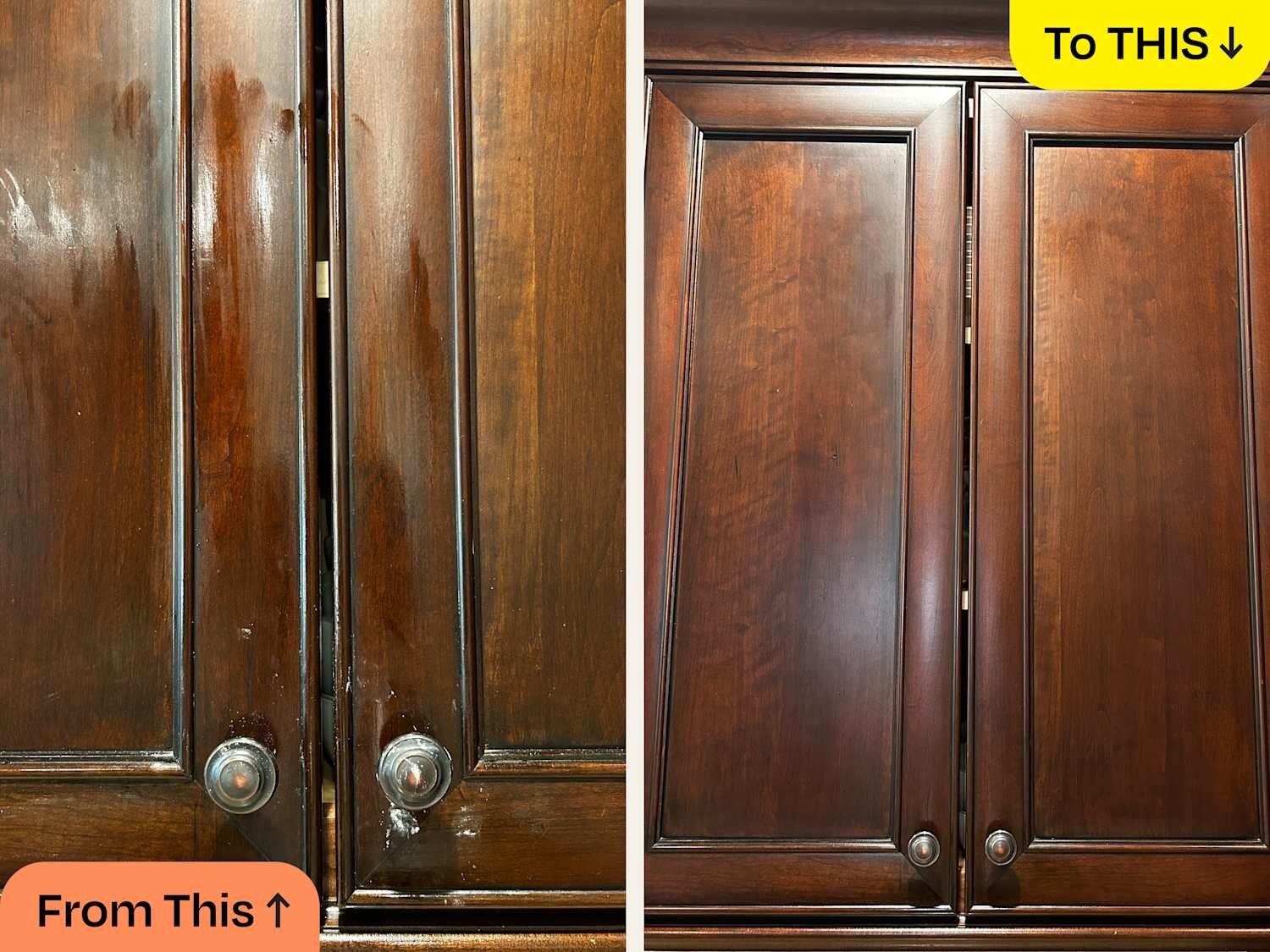
Your kitchen is the heart of your home, where meals are crafted and memories are made. But over time, kitchen cupboard doors can become a magnet for grease, fingerprints, and everyday grime.
You might find yourself wondering, “What’s the best way to clean these doors without damaging them? ” You’re not alone. Keeping your kitchen looking fresh and inviting can feel like a daunting task, but it doesn’t have to be. Imagine opening your cupboard doors to reveal not only your favorite spices and dishes but a sparkling clean surface that makes your kitchen shine.
You’ll discover simple, effective cleaning methods that will transform your kitchen cupboard doors from dull to dazzling, making your entire kitchen feel brighter and more welcoming. Whether you’re prepping for a family gathering or just want to enjoy a tidier space, these tips are tailored just for you. Keep reading, and turn your kitchen into a place you’ll be proud to show off.
Materials Needed
Warm water and mild dish soap are perfect for cleaning kitchen cupboard doors. A soft cloth or sponge gently removes grime without scratching surfaces. For tougher stains, a mixture of vinegar and water can be effective.
Cleaning kitchen cupboard doors can transform your cooking space. The right materials make the task easier and more effective. Using suitable supplies ensures a thorough clean without damaging surfaces. Here’s a list of essential materials you’ll need.Cleaning Solution
Choose a gentle cleaner suitable for your cupboard material. A mix of warm water and dish soap works for most surfaces. For stubborn stains, consider vinegar or baking soda.Soft Cloths Or Microfiber Towels
Use soft cloths to avoid scratches. Microfiber towels are great for capturing dust and grime. They leave a streak-free finish.Sponges
Sponges are ideal for scrubbing stubborn spots. Opt for non-abrasive ones to prevent surface damage. Keep a few on hand for different cleaning tasks.Old Toothbrush
An old toothbrush helps clean corners and crevices. It reaches spots where cloths and sponges can’t. Use it gently to avoid scratches.Bucket Or Bowl
A bucket or bowl holds your cleaning solution. It’s convenient for dipping your cloth or sponge. Ensure it’s large enough for easy access.Dry Towels
Dry towels are essential for wiping away moisture. They prevent water spots on cupboard doors. Have a few ready for drying surfaces after cleaning.Optional: Polish Or Wax
Polish or wax adds shine to wooden cupboard doors. It also protects the surface from future stains. Use sparingly for a glossy finish. Ensure these materials are within reach before starting. Proper preparation makes cleaning efficient and stress-free.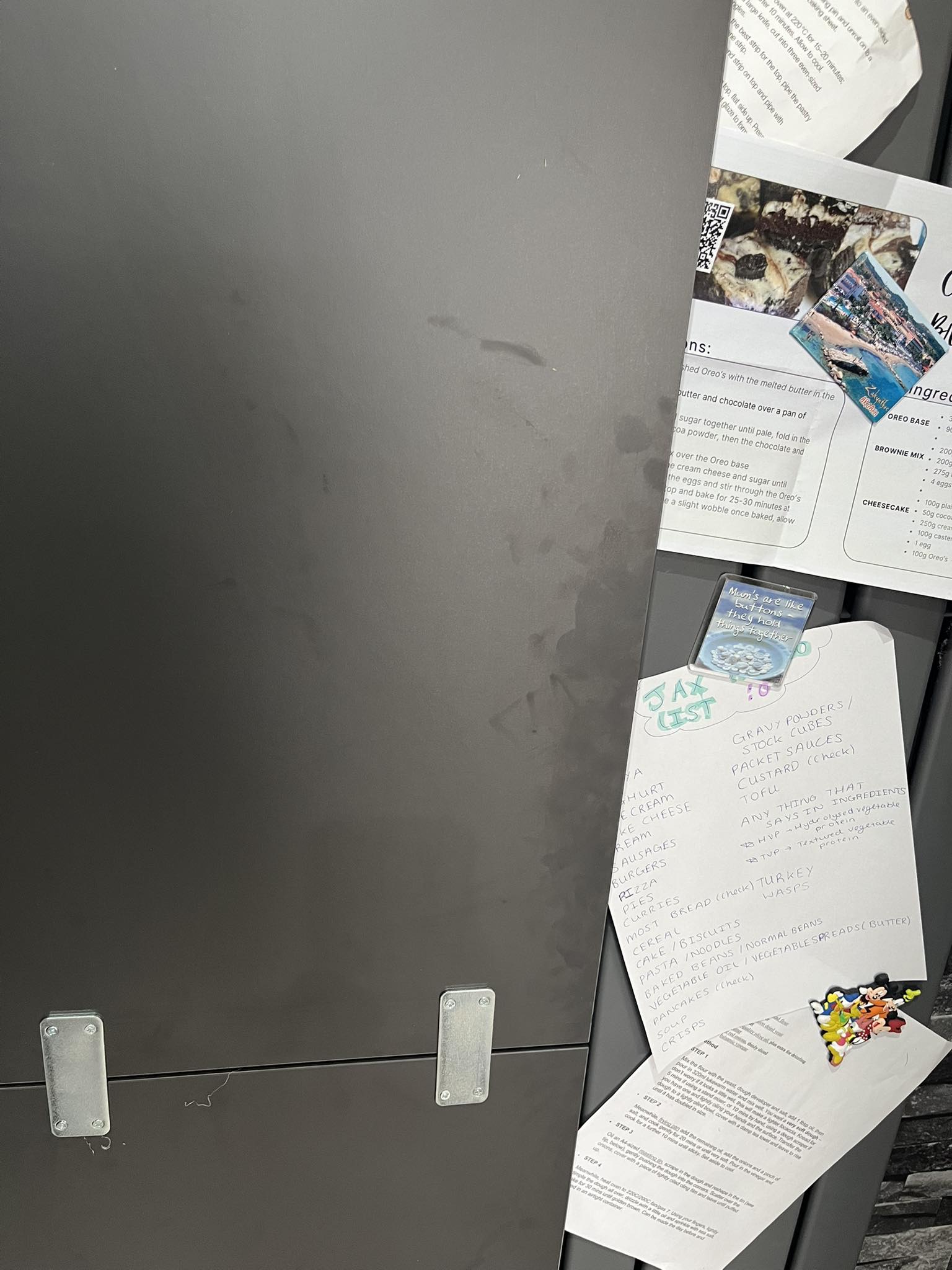
Credit: www.facebook.com
Preparation Steps
Gather all necessary cleaning supplies and microfiber cloths. Remove items from the cupboard for easy access. Mix mild detergent with warm water to create a cleaning solution.
Cleaning kitchen cupboard doors might seem like a straightforward task, but achieving a gleaming finish requires careful preparation. Before you start scrubbing away grime, it’s important to set the stage for an effective cleaning session. These preparation steps will save you time and effort, ensuring your cupboard doors end up spotless and shiny.Gathering Supplies
Start by collecting all necessary cleaning supplies. You don’t want to pause halfway to hunt for a missing item. You’ll need a gentle cleanser, microfiber cloths, a bucket, and warm water. Consider using a mild detergent or a homemade mix of vinegar and water for eco-friendly cleaning.Clearing The Area
Remove all items from the cupboards and counters. This will prevent any accidental spills or damage during cleaning. Plus, it gives you a chance to reorganize and tidy up your kitchen space.Assessing Material
Identify the material of your cupboard doors. Are they wood, laminate, or metal? Each requires a different cleaning approach. Knowing the material will help you choose the right cleaning solution and avoid damaging the surface.Testing Cleaners
Before applying any cleaner, test it on a small, hidden area. This will ensure the product doesn’t cause discoloration or damage. It’s always better to be safe than sorry.Setting Up A Cleaning Station
Designate a spot where you can easily access your supplies and move around. Keep your cleaning cloths, bucket, and cleaning solution within arm’s reach. This helps maintain a smooth workflow and keeps you focused.Protecting Surrounding Areas
Lay down towels or newspaper around the area to catch any drips or spills. This protects your floors and countertops from unnecessary mess, making the cleanup process easier once you’re done.Planning Your Approach
Think about which cupboards you’ll tackle first. Have a plan to clean systematically, perhaps starting from the top and working your way down. This ensures you don’t miss any spots and can track your progress. Taking time to prepare properly can transform your cleaning routine from a chore into a rewarding experience. Are you ready to see your kitchen cupboard doors shine like never before?Removing Grease And Grime
Mix warm water and mild detergent for a gentle cleaning solution. Use a soft cloth to wipe cupboard doors. Dry thoroughly to prevent water spots and maintain shine.
Removing grease and grime from kitchen cupboard doors can be a daunting task. Over time, everyday cooking splatters and handprints turn your once-shiny cupboards into a sticky mess. You might be wondering, what’s the best way to tackle this grime? Let’s dive into some effective solutions.Natural Cleaning Solutions
Using natural ingredients is a safe and eco-friendly approach. One popular solution is a mixture of vinegar and water. Mix equal parts of white vinegar and warm water in a spray bottle. Spray the solution onto the cupboard doors and let it sit for a few minutes. Wipe with a clean cloth, and watch the grime disappear. Baking soda is another powerful ally. Create a paste with baking soda and water, apply it to stubborn spots, and gently scrub with a sponge.Commercial Cleaners
If natural solutions don’t do the trick, commercial cleaners are your next best bet. Look for a degreaser specifically designed for kitchens. These products are formulated to cut through tough grease effortlessly. Before using, read the instructions carefully and test the cleaner on a small, inconspicuous area. This helps ensure it doesn’t damage your cupboard finish. Apply the cleaner, wait as directed, and wipe clean. Remember to ventilate your kitchen well to avoid inhaling fumes. So, which method will you try first to bring back the sparkle to your kitchen cupboards?Tackling Tough Stains
Kitchen cupboard doors often face tough stains. These stains come from cooking splashes, greasy fingerprints, or spilled food. Removing them requires specific techniques and effective solutions. This guide helps you tackle stubborn stains with ease.
Stain-specific Techniques
Different stains need different approaches. For sticky grease stains, use warm, soapy water. Scrub gently with a soft cloth to avoid scratching. For coffee or tea stains, a mixture of vinegar and water works well. Apply the solution with a sponge, and wipe clean.
Using Baking Soda
Baking soda is a versatile cleaner. Mix it with water to form a paste. Apply the paste on stubborn stains and let it sit for 15 minutes. Scrub with a soft brush or cloth, then rinse with warm water. Baking soda helps remove stains without harsh chemicals.
Cleaning Wooden Cupboards
Cleaning wooden kitchen cupboard doors involves using a gentle cleaner and a soft cloth. Wipe away dust and grime carefully to maintain the wood’s shine and finish. Regular maintenance helps keep cupboard doors looking fresh and new.
Cleaning wooden cupboards can be a rewarding task if done right. The natural beauty of wood shines through when cleaned properly, making your kitchen feel fresh and inviting. But how do you ensure you’re taking care of your wooden cupboards without damaging them? Let’s explore the best practices for maintaining their timeless appeal.Choosing The Right Cleaner
Selecting the appropriate cleaner is crucial for preserving the integrity of wooden cupboards. Avoid harsh chemicals that could strip away the wood’s natural oils and finish. Instead, opt for mild soaps or cleaners specifically designed for wood surfaces. A simple solution of warm water and a few drops of dish soap can be remarkably effective. Gently wipe down the cupboard doors with a soft cloth, always following the wood grain to prevent scratches. Have you ever noticed how the grain patterns pop after a gentle clean?Protecting Wood Finish
Once cleaned, maintaining the wood finish is essential to keep cupboards looking pristine. Consider applying a wood polish or conditioner periodically. This not only enhances the wood’s sheen but also provides a protective barrier against moisture and grime. Always test any product on a small, inconspicuous area first. This ensures compatibility with your cupboard’s finish and prevents unexpected discoloration. How often do you think about the impact of minor spills on your cupboards? Regular maintenance can make a significant difference in longevity. By paying attention to these details, your wooden cupboards can remain a standout feature in your kitchen. Engaging with these practical steps not only improves your cleaning routine but also adds years to the life of your cupboards. What’s your next step in elevating your kitchen’s appearance?
Credit: ashgabattimes.com
Cleaning Laminate And Painted Surfaces
Cleaning laminate and painted kitchen cupboard doors requires care. These surfaces can be sensitive to harsh chemicals or abrasive materials. A gentle approach ensures they remain in excellent condition. Regular maintenance keeps them looking fresh and vibrant. This guide provides effective techniques for cleaning laminate and painted surfaces.
Avoiding Damage
Use mild detergents for cleaning laminate and painted surfaces. Harsh chemicals can cause discoloration or peeling. A soft cloth or sponge prevents scratches. Avoid abrasive scrubbers or steel wool. Always test cleaning products on a small, hidden area first. This ensures they won’t damage the surface.
Maintaining Shine
Regular dusting keeps surfaces shiny and clean. Use a microfiber cloth for best results. Wipe in gentle, circular motions. For added shine, consider a vinegar and water solution. Mix equal parts in a spray bottle. Lightly spray and wipe with a dry cloth. This simple method restores the original luster. Avoid wax-based products that can leave a dull residue.
Drying And Polishing
Drying and polishing kitchen cupboard doors ensure a spotless finish. Use a clean, dry cloth for gentle drying. Follow with a soft microfiber cloth to polish, bringing out a shine and removing any lingering smudges.
Drying and polishing your kitchen cupboard doors is a crucial step that many overlook. After cleaning, ensuring they are properly dried and polished can make a significant difference in maintaining their appearance and longevity. A well-dried and polished cupboard door not only prevents moisture damage but also adds a gleaming finish that can brighten up your entire kitchen.Start With A Lint-free Cloth
Use a soft, lint-free cloth to gently pat the doors dry. Avoid rubbing as it might cause streaks or marks. Microfiber cloths are an excellent choice because they absorb moisture without leaving residue.Polish With Natural Ingredients
Consider using natural ingredients like olive oil mixed with a bit of vinegar for polishing. This mixture not only adds shine but also acts as a natural cleaner. Apply it sparingly with a clean cloth and buff the surface to a radiant finish.Address Corners And Edges
Don’t forget the corners and edges of your cupboard doors. These areas often collect the most dust and grime. Use a small brush or a cotton swab dipped in your polishing solution to reach these tricky spots.Regular Maintenance Is Key
Make polishing a regular part of your kitchen cleaning routine. This helps maintain the shine and prevents buildup of grease or dirt. How often do you polish your cupboard doors? It might be time to set a schedule!Test Your Products First
Before using any new cleaning or polishing product, test it on a small, inconspicuous area. This ensures it doesn’t damage the finish of your cupboard doors. A little precaution can save you from costly repairs or replacements.Keep A Dedicated Cloth For Polishing
Have a separate cloth dedicated to polishing to avoid cross-contamination with other cleaning products. This keeps your polish pure and effective. What other tools do you keep handy for maintaining your kitchen? Taking these steps in drying and polishing your kitchen cupboard doors ensures they remain a beautiful and functional part of your home. Try these tips and see how they transform your cleaning routine.
Credit: www.facebook.com
Preventative Maintenance
Regularly clean kitchen cupboard doors to prevent grime buildup. Use a mild detergent mixed with warm water and a soft cloth. Gently wipe surfaces to maintain a fresh and spotless appearance.
Preventative maintenance keeps kitchen cupboard doors looking their best. This approach saves time and reduces cleaning stress. By taking small steps regularly, you preserve the beauty of your cupboard doors.Regular Cleaning Schedule
Establish a regular cleaning schedule for your cupboard doors. Wipe them weekly with a damp cloth. Use mild soap or vinegar for stubborn stains. This routine prevents grime buildup and keeps surfaces shiny. Consistency is key to maintaining cleanliness.Protective Measures
Apply protective measures to shield cupboard doors from damage. Install door handles to reduce fingerprints and smudges. Consider using soft-close hinges to prevent slamming. This prolongs the life of your cupboard doors. Keep them looking new for longer.Frequently Asked Questions
What Is The Best Thing To Clean Kitchen Cupboard Doors With?
Use a mixture of warm water and mild dish soap to clean kitchen cupboard doors. Apply using a soft cloth. For stubborn stains, add vinegar or baking soda. Always dry with a clean towel to prevent moisture damage. Avoid harsh chemicals to maintain the finish.
What Do Professionals Use To Clean Kitchen Cabinets?
Professionals use mild dish soap and warm water to clean kitchen cabinets. Microfiber cloths help avoid scratches. For tough stains, they opt for baking soda or vinegar solutions. Consistent cleaning prevents grease buildup and maintains cabinet quality. Proper techniques ensure cabinets remain in top condition without damage.
How Do You Remove Years Of Grime From Kitchen Cabinets?
Use a mixture of vinegar and water to clean. Scrub with a soft cloth or sponge. Rinse thoroughly with water. Dry with a clean towel to prevent moisture damage. For stubborn grime, use baking soda paste.
Can I Use Dawn Dish Soap To Clean Wood Cabinets?
Yes, you can use Dawn dish soap to clean wood cabinets. Mix it with warm water for gentle cleaning. Use a soft cloth to avoid scratches. Dry the cabinets thoroughly to prevent water damage. Always test on a small area first.
Conclusion
Cleaning kitchen cupboard doors is simple with the right approach. Regular maintenance prevents grime build-up and keeps your kitchen fresh. A gentle cleaner and soft cloth are key to a clean finish. Avoid harsh chemicals to protect surfaces. Wipe spills immediately to prevent stains.
Follow these tips for spotless cupboard doors. You’ll enjoy a cleaner, more inviting kitchen. Remember, keeping it simple is effective. Your kitchen will thank you with its shine. Clean regularly, and enjoy your neat space. Happy cleaning, and savor your sparkling kitchen!
