
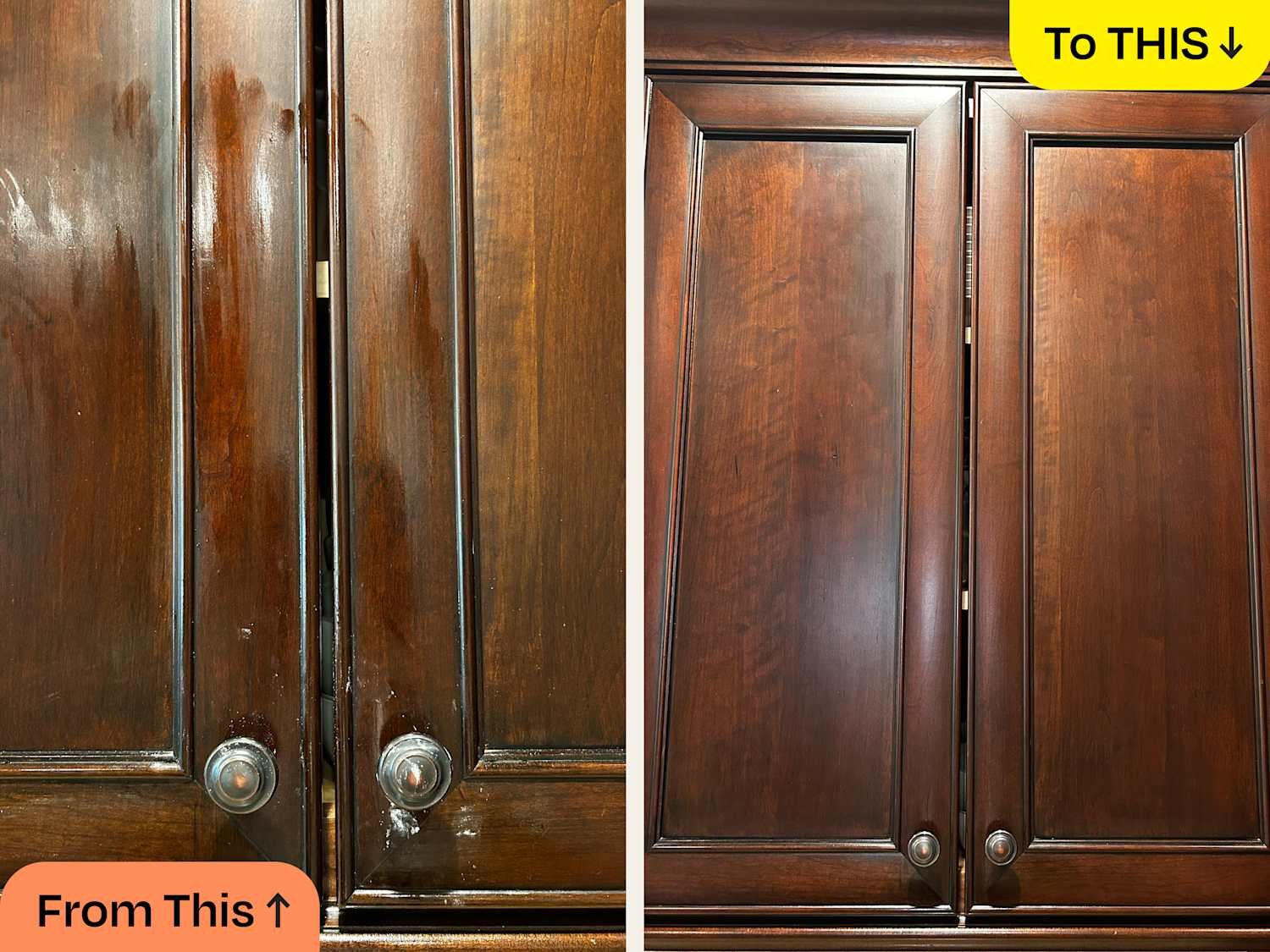
Have you ever opened your kitchen cabinets only to be greeted by stubborn, greasy stains that seem impossible to clean? You’re not alone.
Grease can cling to your cabinets over time, making your kitchen look less than sparkling. But what if I told you there’s a way to effortlessly bring back the shine and freshness to your cabinets, without the hassle or frustration?
Imagine your kitchen glowing with cleanliness, impressing anyone who steps into it. We’ll uncover the best way to clean grease off cabinets, using simple techniques and ingredients you probably already have at home. Stick with us, and say goodbye to those pesky grease stains for good!
Common Sources Of Cabinet Grease
Kitchen cabinets often accumulate grease from cooking oils, food splatters, and dirty hands. These common sources can make cabinets sticky and difficult to clean.
Cleaning grease off cabinets can be a daunting task. Understanding where this grease comes from is essential. Grease can sneak onto your cabinets in many ways. Let’s explore some common sources.
Cooking Oils And Sprays
Cooking oils are a primary culprit. They splatter during frying and stick to surfaces. This creates a greasy film on cabinets.
Food Residue
Food particles also contribute to grease build-up. Sauces and marinades can splatter and stick. Over time, they leave a sticky residue.
Steam And Vapors
Steam from boiling pots carries oil particles. This steam rises and settles on cabinets. It forms a thin layer of grease.
Improper Ventilation
Poor kitchen ventilation causes grease to linger in the air. Without proper airflow, grease settles on surfaces. This makes cleaning more difficult.
Hands And Fingers
Touching cabinets with oily hands transfers grease. Even small amounts add up over time. Regular cleaning helps maintain cleanliness.
Effective Cleaning Solutions
Cleaning grease off cabinets can be easy with a mixture of vinegar and water. Spray the solution and wipe with a cloth. For stubborn spots, add a bit of baking soda to the mix. Your cabinets will look fresh and clean in no time.
Cleaning grease off cabinets can feel like a never-ending battle, especially in a busy kitchen where cooking is a daily affair. Finding the best way to tackle this stubborn grime can transform your space, making it sparkle with freshness. Let’s dive into some effective solutions that might surprise you with their simplicity and impact.
Natural Cleaners
Natural cleaners are a fantastic option for those who prefer a chemical-free approach. You might already have some powerful grease-fighting agents right in your pantry. A mixture of baking soda and water can work wonders. It forms a gentle paste that effortlessly breaks down grease without damaging your cabinets. Just apply, let it sit for a few minutes, and wipe clean with a damp cloth.
Vinegar is another kitchen staple that excels in grease removal. Its acidic nature helps dissolve tough stains. Mix equal parts vinegar and water, spray onto the greasy areas, and wipe off with a soft cloth for a clean finish. Have you ever tried lemon juice? It’s not just refreshing in drinks. Combined with a bit of baking soda, it can lift grease and leave a pleasant citrus scent.
Commercial Products
Sometimes, natural solutions might not cut it, especially if the grease buildup is severe. That’s where commercial products come in handy. There are many products specifically designed for kitchen grease. Look for degreasers that are safe for wood surfaces. These formulations are crafted to be tough on grease but gentle on your cabinets.
Consider products with enzymatic cleaners. These enzymes break down grease at a molecular level, ensuring a thorough clean without the need for excessive scrubbing. Is there a commercial product that has become your go-to in the fight against grease? Share your experiences and tips your insights might help others in their quest for a cleaner kitchen.
Choosing between natural and commercial solutions often depends on your cleaning philosophy and the extent of the grime you’re tackling. Which method resonates with you?
Step-by-step Cleaning Process
Cleaning grease off cabinets can seem daunting. But with a clear process, it becomes manageable. Follow these steps to bring back the shine to your cabinets. The method involves preparation, application, and final touches. Let’s dive into each step.
Preparation
Before you start, gather your materials. You’ll need a gentle cleanser, sponge, and microfiber cloth. Fill a bowl with warm water. Add a few drops of dish soap. Stir to mix.
Remove items from the cabinets. This ensures you have full access. Place a towel on the floor. This catches drips and protects surfaces.
Application
Dip the sponge into the soapy water. Wring out excess water. Start at the top of the cabinet. Move in circular motions. Focus on areas with visible grease.
Re-wet the sponge as needed. Don’t let it dry out. Continue until all surfaces are covered. The soap breaks down the grease.
Final Touches
Rinse the sponge with clean water. Wipe the cabinets again. This removes soap residue. Dry with a microfiber cloth. Buff gently for a polished look.
Replace items in the cabinet. Dispose of any used towels. Admire your freshly cleaned cabinets. Repeat every few weeks for best results.
Preventing Future Grease Build-up
Regularly wipe cabinets with a mix of warm water and mild soap. Use a soft cloth to avoid scratches. This simple routine helps prevent future grease build-up and keeps kitchen cabinets looking fresh.
Preventing grease build-up on kitchen cabinets ensures a clean and fresh space. Without constant cleaning, grease can accumulate quickly. Understanding how to prevent this is crucial for maintaining a spotless kitchen. This section delves into effective strategies for stopping grease before it starts.
Regular Maintenance
Regular cleaning keeps grease from building up. Wipe cabinets with a damp cloth weekly. Use mild detergent if needed. Avoid harsh chemicals that can damage surfaces. Frequent upkeep reduces the need for deep cleaning.
Protective Measures
Consider using protective coatings or sprays. These products create a barrier against grease. Apply a thin layer regularly. Ensure cabinets are dry before application. Protective measures help maintain cabinet appearance.
Mistakes To Avoid
Avoid using harsh chemicals that can damage cabinet surfaces. Opt for mild soap and warm water instead. Steer clear of abrasive scrubbers to prevent scratches.
Cleaning grease off cabinets might seem straightforward, but there are common pitfalls that can make the task more cumbersome or even damage your cabinets. Avoid these mistakes to ensure your cabinets remain clean and intact. Understanding what not to do can often be as important as knowing the right steps to take.
Using Harsh Chemicals
Many people reach for strong cleaners, thinking they will cut through the grease faster. While they might be effective, harsh chemicals can strip the finish off your cabinets. Instead, opt for mild dish soap or a vinegar-water solution to keep your cabinets safe.
Scrubbing Too Hard
You might be tempted to apply some elbow grease to stubborn spots, but aggressive scrubbing can damage the cabinet surface. Use a soft cloth or sponge instead. Let the cleaner do the work, and gently wipe the grease away.
Ignoring Grease Buildup
Letting grease accumulate over time only makes the cleaning process harder. Regular maintenance is key. Set a routine to wipe down cabinets weekly to prevent buildup and make cleaning a breeze.
Skipping The Rinse
After applying a cleaning solution, it’s crucial to rinse it off with a damp cloth. Leaving residue can dull the cabinet finish and attract more dirt. A quick rinse ensures your cabinets shine and remain residue-free.
Not Testing In A Hidden Area
Always test any new cleaning solution on a hidden area first. This helps ensure it won’t discolor or damage your cabinets. It’s a simple step that can prevent costly mistakes. Are you guilty of any of these mistakes? Recognizing them is the first step to better cabinet care. Adjust your cleaning routine today for longer-lasting results.

Credit: www.reddit.com
Expert Recommendations
Warm water mixed with mild dish soap effectively breaks down grease on cabinets. Use a soft cloth to gently scrub. For stubborn spots, baking soda paste provides extra cleaning power.
Cleaning grease off cabinets can be a daunting task, but expert recommendations can make all the difference. These insights not only save you time but also ensure your cabinets remain in pristine condition. Let’s dive into some professional advice and product endorsements that are highly recommended by experts in the field.
Professional Advice
Experts suggest starting with a simple yet effective approach: a solution of warm water and mild dish soap. This gentle mix breaks down grease without damaging the cabinet finish. Use a soft microfiber cloth to apply the solution, ensuring you don’t scratch the surface. For tougher stains, consider using baking soda paste.
Mix baking soda with a little water to form a paste, apply it to the greasy area, and gently scrub with a soft brush. Have you tried using vinegar? This household staple is not just for salads. A mixture of equal parts vinegar and water can be sprayed onto cabinets to dissolve stubborn grease.
Product Endorsements
Several products are favored by cleaning professionals for their effectiveness. Goo Gone Kitchen Degreaser tops the list for its powerful formula designed specifically for kitchen grime. It’s safe on most surfaces and removes grease with ease. Another well-recommended product is Krud Kutter Degreaser.
This eco-friendly option is strong on grease but gentle on your cabinets. Finally, consider Murphy’s Oil Soap, known for its wood-friendly properties. It cleans without leaving residue, making it perfect for wooden cabinets. Choosing the right product can make all the difference. Which product will you try first?
Frequently Asked Questions
What Is The Best Way To Clean Grease Off Kitchen Cabinets?
Use a mixture of equal parts vinegar and warm water. Apply with a soft cloth or sponge. Gently scrub the greasy areas. Rinse with clean water and dry with a towel. For stubborn grease, add a few drops of dish soap to the mixture.
What Is The Best Degreaser For Kitchen Cabinets?
Consider using Krud Kutter for effective kitchen cabinet degreasing. It’s non-toxic and removes stubborn grease. Another option is Simple Green, which is biodegradable and safe for various surfaces. Both products offer reliable grease-cutting power without harsh chemicals. Always test on a small area first.
Does Wd-40 Remove Grease From Kitchen Cabinets After?
Yes, WD-40 can effectively remove grease from kitchen cabinets. Spray WD-40 on the greasy area, then wipe with a clean cloth. It dissolves stubborn grease, leaving cabinets clean and shiny. Ensure proper ventilation while using WD-40 to avoid inhaling fumes.
Always test on a small area first.
Does Murphy’s Oil Soap Remove Grease From Kitchen Cabinets?
Yes, Murphy’s Oil Soap effectively removes grease from kitchen cabinets. Use it with warm water for best results. Apply with a cloth or sponge, then rinse thoroughly. It cleans while preserving the wood’s finish, making it a popular choice for kitchen maintenance.
Conclusion
Cleaning grease off cabinets doesn’t have to be hard. Use simple methods regularly. Warm water and mild soap work well. Vinegar and baking soda remove stubborn spots. A clean cloth helps in wiping off grease. Regular cleaning prevents buildup. Your cabinets will look fresh and bright.
Don’t forget to dry them after cleaning. This keeps wood from damage. Keep your kitchen clean and inviting. Enjoy cooking in a tidy space. Grease removal is easy with the right steps. Remember to clean often. Your kitchen will thank you!
