
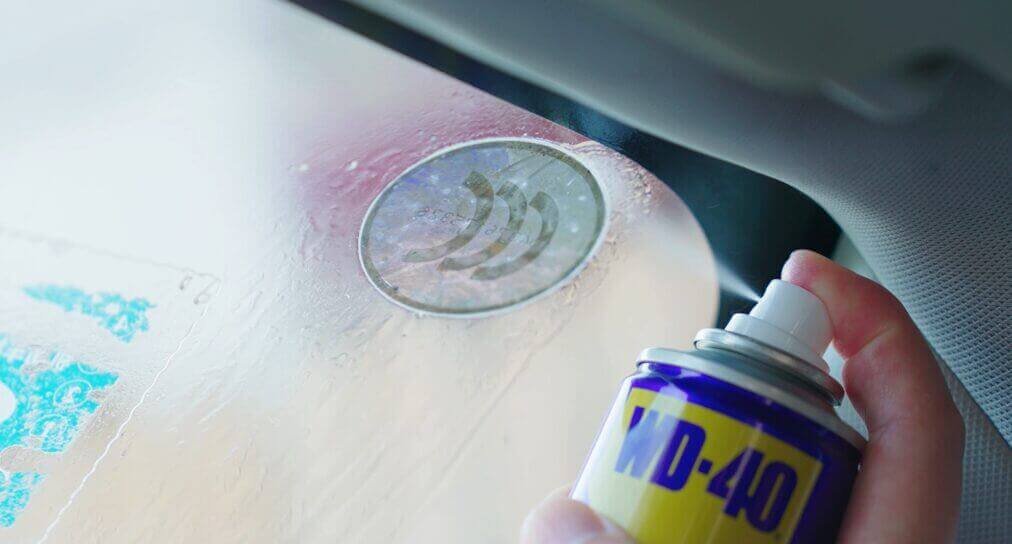
Sprayed WD-40 on a plastic surface to free a stubborn screw, only to find a greasy, sticky film left behind? You are far from alone. While WD-40 is a trusted lubricant, its petroleum-based formula can cling to plastics, attract dust, and even cause discolouration if left too long. This guide walks you through proven, gentle methods to remove WD-40 residue without scratching or degrading the plastic. Whether you are cleaning a toy, a storage bin, or a car interior trim, the steps below will restore the surface to its original condition.
Understanding WD-40’s Effect on Plastic
WD-40 contains petroleum distillates and mineral oil. On dense, hard plastics such as acrylic, nylon, or ABS, a brief contact is usually harmless – the residue wipes off easily. On softer plastics like polystyrene, polycarbonate, or vinyl, the solvents can penetrate the surface, causing cloudiness, stickiness, or even cracking over time. The key is to act quickly: the longer WD-40 sits, the deeper it can soak in.
How Different Plastics React
| Plastic Type | Common Items | WD-40 Risk Level | Typical Reaction |
|---|---|---|---|
| Polypropylene (PP) | Food containers, bottle caps | Low | Residue wipes off; no discolouration |
| ABS | Toys, electronic housing | Low | Slight residue; safe with prompt cleaning |
| Acrylic | Display cases, windows | Low–Moderate | May become hazy if soaked |
| Polycarbonate | Headlight lenses, safety shields | Moderate | Can craze or crack with prolonged exposure |
| Polystyrene | Disposable cups, model plastic | High | Quickly softens, turns sticky, may dissolve |
| Vinyl/PVC | Garden hoses, upholstery | High | Stains easily; permanent damage possible |
Always test any cleaner on an inconspicuous area before proceeding. If the plastic feels soft or looks cloudy after the test, stop and switch to a gentler method.
Signs That WD-40 Has Left a Residue
- A greasy, slippery feel even after wiping
- Visible oily streaks or dark splotches
- Dust or lint sticking to the plastic
- A slight chemical smell that lingers
- Change in colour (yellowing or whitish haze)
If you notice any of these, removal is necessary – not just for appearance, but to prevent the residue from breaking down the plastic polymer over weeks or months.
Preparing for Removal
Before you start, gather the right tools and ensure your workspace is safe. Working in a well-ventilated area reduces fume exposure; wearing disposable gloves keeps your hands free from oil and cleaner.
Materials You Will Need
- Mild dish soap (non-degreaser, without bleach)
- Warm water
- Soft microfiber cloth or sponge (never abrasive)
- White vinegar or rubbing alcohol (for tougher residue)
- Plastic scraper (or an old credit card) – optional
- Spray bottle (for vinegar or alcohol solution)
- Towel for drying
Avoid paper towels. They can leave fibres and cause micro-scratches on glossy plastics.
Safety Precautions
- Ventilation – Open a window or work outdoors if possible.
- Gloves – Minimise skin contact with cleaners and WD-40.
- Test first – Always spot-test on an unseen area.
- Keep away from heat – Do not use near open flames; petroleum fumes are flammable.
Effective Cleaning Solutions
The method you choose depends on how long the WD-40 has been on the plastic and whether any damage is visible. For fresh spills, warm soapy water is often all you need. For older or baked-on residue, step up to vinegar or rubbing alcohol.
Dish Soap and Warm Water
This is the safest and most effective first step for any plastic.
- Mix a few drops of mild dish soap into a bowl of warm water. Avoid industrial degreasers or citrus cleaners – they can soften some plastics.
- Dip a soft microfiber cloth into the solution, wring it out slightly, and wipe the affected area in circular motions.
- Rinse the cloth with plain water and wipe again to remove soap residue.
- Dry the plastic with a clean towel.
For textured or grooved plastic, use a soft-bristled toothbrush dipped in the soapy water to work into crevices. Rinse thoroughly.
White Vinegar Solution
Vinegar’s mild acidity breaks down the oil in WD-40 without harming most plastic finishes.
- Mix equal parts white vinegar and water in a spray bottle.
- Spray the solution directly onto the residue and let it sit for 2–3 minutes.
- Wipe with a damp cloth. Repeat if greasy streaks remain.
- Rinse with clean water and dry.
Do not use vinegar on polished acrylic or high-gloss polycarbonate – it can cause a haze. Always test in a small spot first.
Rubbing Alcohol (Isopropyl 70% or 91%)
For stubborn, sticky residue that soap and vinegar cannot fully remove, rubbing alcohol is a stronger solvent that evaporates quickly.
- Dampen a soft cloth with rubbing alcohol (do not soak).
- Gently dab and rub the residue. The WD-40 should dissolve almost instantly.
- Use a clean, dry section of the cloth to blot up the dissolved oil.
- Wash the area with soapy water afterwards to remove any alcohol traces, then dry.
Alcohol can dull the finish on some plastics (especially matte surfaces) if left on too long. Work in small sections and do not oversaturate.
Mechanical Removal Techniques
When residue is thick or has been sitting for days, a physical approach can speed things up. Always use non-abrasive tools.
Scrubbing with a Soft-Bristle Brush
Use a brush with synthetic bristles (like an unused toothbrush) or a soft sponge. Apply a few drops of dish soap directly to the brush and scrub the residue using gentle circular pressure. Rinse and repeat as needed. Hard scrubbing with nylon pads or steel wool will leave permanent scratches – avoid them entirely.
Using a Plastic Scraper
If the WD-40 has formed a gummy, tacky layer, a plastic scraper (or a clean gift card) can lift it without scratching.
- Hold the scraper at a shallow angle (about 30 degrees) to the plastic.
- Push slowly under the edge of the residue. Work in short strokes.
- Wipe the loosened gunk away with a cloth.
- Follow up with soapy water to remove any final film.
Do not use metal scrapers or razor blades. They will gouge plastic.
What to Avoid – Common Mistakes
Removing WD-40 from plastic is straightforward, but a few missteps can ruin the surface.
- Harsh solvents – Acetone, nail polish remover, paint thinner, and gasoline can melt or craze plastic. Stick to alcohol, vinegar, or soap.
- Abrasive pads – Steel wool, scouring pads, and stiff brushes create micro-scratches that collect dirt and make the plastic look permanently dull.
- Heat guns or hair dryers – Heat can warp thin plastic and drive residue deeper into pores.
- Leaving residue to dry – The longer WD-40 remains, the harder it becomes to remove. Clean within a few hours if possible.
- Using too much liquid – Especially on electronics or painted plastic, excess moisture can seep into seams and cause hidden damage. Dampen cloths, do not spray near openings.
Post-Cleaning Care and Prevention
Once the WD-40 is gone, a few habits will keep your plastic items looking like new.
Maintaining Plastic Quality
- Wipe down cleaned surfaces with a dry microfiber cloth every few days to prevent dust buildup.
- For outdoor plastic (furniture, trim), apply a UV-protectant spray designed for plastics. The official WD-40 safety guidelines recommend avoiding their product on plastics that will be exposed to sunlight for long periods.
- Store plastic items away from direct sunlight and extreme temperatures. UV rays and heat accelerate degradation.
Preventing Future Issues
- When you need a lubricant for plastic parts, choose a silicone-based spray rather than WD-40. It is chemically inert and leaves no oily residue.
- Clean up any accidental overspray immediately using the soap-and-water method above.
- Regular maintenance of other household items – like cleaning a dishwasher filter regularly or deep-cleaning your dishwasher – can reduce the need for harsh chemicals near plastic surfaces. The same gentle approach works for removing stubborn residues from glass stovetops or maintaining your kitchen tools safely.
Frequently Asked Questions
Does rubbing alcohol remove WD-40 from plastic?
Yes. Rubbing alcohol (70% or 91% isopropyl) dissolves the petroleum-based oil quickly. Use it on a soft cloth and follow with soapy water. Avoid soaking textured plastic.
Can WD-40 destroy plastic permanently?
It can. Soft plastics like polystyrene and vinyl may swell, soften, or crack. Hard plastics are usually safe if cleaned promptly. The petroleum distillates are the risk – they act as a mild solvent for certain polymers.
Is vinegar safe for all plastics?
No. Vinegar is safe for polypropylene, ABS, and many hard plastics, but it can fog acrylic and polycarbonate. Always test in a hidden spot.
What is the fastest way to remove WD-40 residue?
Wipe the area with a cloth dampened with rubbing alcohol, then wash with soapy water. This takes under a minute for fresh residue. For dried residue, let the alcohol sit for 30 seconds before wiping.
Can I use baking soda to scrub off WD-40?
Baking soda is mildly abrasive. It can be used as a paste with water for thick residue, but it may leave fine scratches on glossy plastic. Reserve it for textured or matte surfaces.
Conclusion
Removing WD-40 from plastic does not require harsh chemicals or expensive products. A soft cloth, mild dish soap, and warm water handle most cases. For stubborn spots, a splash of vinegar or rubbing alcohol does the trick – provided you test first and work gently. By acting quickly, choosing the right cleaner for your plastic type, and avoiding abrasive tools, you can restore any plastic surface to a clean, streak-free finish. Follow these steps, and you will never have to worry about that greasy film again.
