
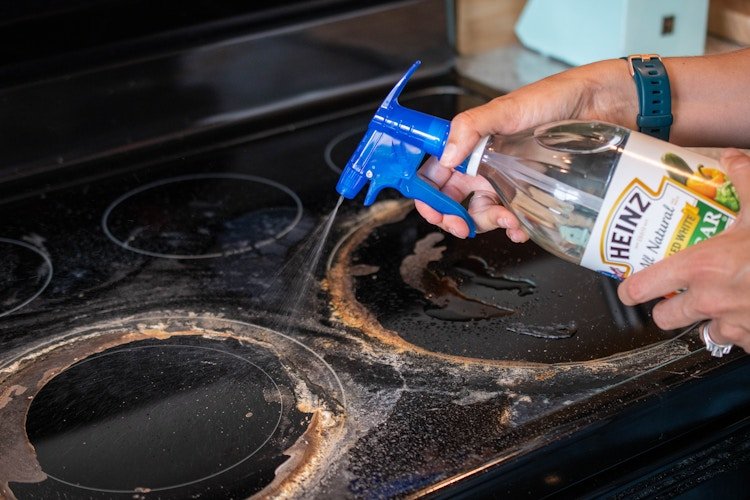
A pristine black stove top can elevate the entire look of your kitchen, but achieving and maintaining that streak-free shine can feel like a constant battle. Streaks, smudges, and stubborn residue are common culprits that detract from your kitchen’s appeal. Fortunately, with the right knowledge and techniques, you can transform your black stove top from a source of frustration into a gleaming centerpiece. This guide offers expert insights and practical steps to ensure your stove top sparkles without unsightly lines or dull patches, using methods that are both effective and protective of your appliance.
Understanding Your Black Stove Top Finish
Black stove tops come in various materials, most commonly ceramic glass or enameled cast iron. Understanding your specific finish is crucial, as different materials have unique cleaning needs and sensitivities.
Ceramic Glass Stove Tops
These are the most common type of black stove tops and are known for their sleek, modern appearance. They consist of a layer of toughened glass, often with a black tint. While beautiful, ceramic glass is susceptible to scratching from abrasive cleaners or tools. Food spills, especially sugary ones, can bake on and become difficult to remove without damaging the surface if not handled correctly. The key here is gentle yet effective cleaning.
Enameled Cast Iron Stove Tops
Some older or specialty stoves feature black enameled cast iron surfaces. This material is more durable than ceramic glass but can still chip or scratch if harsh chemicals or abrasive scrubbers are used. The enamel coating provides a smooth, non-porous surface that is generally easy to clean, but it's important to avoid aggressive scrubbing that could dull the finish.
Essential Cleaning Supplies for a Streak-Free Shine
Gathering the right tools and cleaning agents is the first step toward a flawlessly clean black stove top. Opt for gentle, effective products that won't damage your appliance's finish.
Gentle Cleaning Agents
- Mild Dish Soap: A few drops of your everyday dish soap mixed with warm water are excellent for cutting through grease and everyday grime.
- White Vinegar: A natural degreaser and disinfectant, white vinegar is fantastic for tackling greasy residue and adding shine. Mix equal parts white vinegar and water in a spray bottle for easy application.
- Baking Soda: A mild abrasive, baking soda is invaluable for lifting stubborn, baked-on food No. Use it as a paste with water to create a gentle scouring agent.
- Rubbing Alcohol (Isopropyl Alcohol): For stubborn marks or to add an extra polish, rubbing alcohol can be effective. Always test in an inconspicuous area first.
Recommended Cleaning Tools
- Microfiber Cloths: These are non-negotiable for streak-free results. Their superior absorbency and soft fibers trap dirt and moisture without leaving lint or scratches. Have at least two on hand: one for cleaning and one for drying/buffing.
- Non-Abrasive Sponge: A soft sponge or a scrubber specifically designed for glass or ceramic cooktops will help lift grime without scratching.
- Plastic or Silicone Scraper Tool: For very stubborn, baked-on food like burnt sugar or melted plastic, a dedicated cooktop scraper with a sharp (but safe) blade is essential. Use it at a low angle to avoid scratching.
- Spray Bottle: For diluting vinegar or other cleaning solutions.
- Soft Toothbrush: Ideal for cleaning around knobs, edges, and any crevices where grime can accumulate.
Step-by-Step Guide to Cleaning Your Black Stove Top
Following a systematic approach ensures all grime is removed and the surface is properly dried, preventing streaks.
1. Preparation: Safety First and Surface Clearing
- Ensure the stove top is completely cool. Never attempt to clean a hot stove top, as this can cause burns and damage the surface.
- Remove grates and burner caps. If your stove has removable grates or burner covers, take them off. This allows for more thorough access to the entire stove surface and the opportunity to clean them separately. You can typically find instructions for removing these in your appliance's user manual.
- Wipe away loose debris. Use a dry microfiber cloth or paper towel to remove any crumbs, dust, or loose food particles to prevent them from becoming abrasive during cleaning.
2. Tackling Everyday Grime and Grease
- Spray with vinegar solution. Lightly mist the entire stove top with your equal parts white vinegar and water solution. Let it sit for 2-3 minutes to begin breaking down grease.
- Wipe with a damp cloth. Use a clean, damp microfiber cloth to wipe down the surface. Work in gentle, overlapping strokes. For daily cleaning, this may be sufficient.
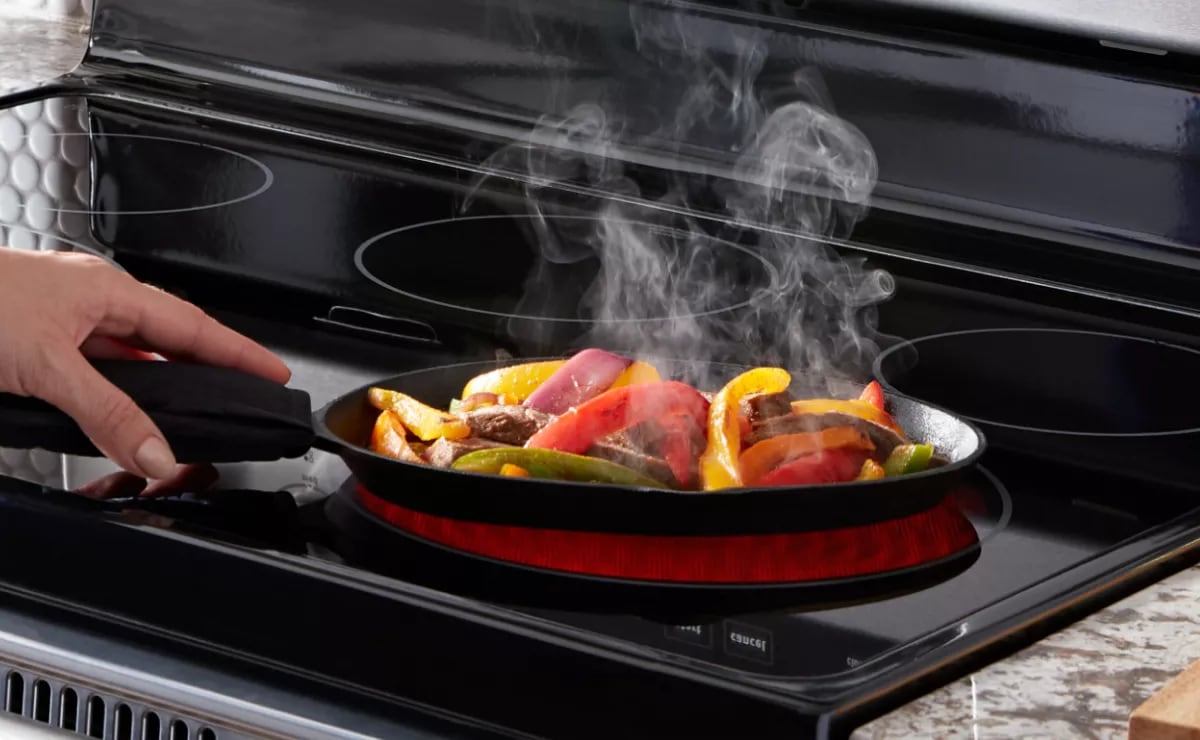 A microfiber cloth is ideal for wiping away grease and preventing streaks.
Image source: www.maytag.com
A microfiber cloth is ideal for wiping away grease and preventing streaks.
Image source: www.maytag.com
3. Dealing with Stubborn Stains and Baked-On Food
For more challenging messes, a more targeted approach is needed.
- Baking Soda Paste: For burnt-on food or tough spots, create a paste by mixing baking soda with a small amount of water. Apply the paste directly to the stained area. Let it sit for 10-15 minutes to soften the residue.
- Gentle Scrubbing: Use a non-abrasive sponge or a soft cloth to gently scrub the paste-covered area in a circular motion. Avoid vigorous scrubbing, which can scratch the surface.
- Using a Cooktop Scraper: For extremely stubborn, carbonized food or melted plastic, carefully use a cooktop scraper. Hold the scraper at a very low angle (around 30 degrees) to the surface and gently push it under the burnt-on material. Work slowly and deliberately. Always refer to your stove's manual for specific recommendations on using scrapers.
- Wipe Clean: After scrubbing or scraping, wipe away the baking soda paste and residue with a damp microfiber cloth. Rinse the cloth frequently.
4. Final Rinse and Streak-Free Drying
This is the most critical phase for achieving a perfect finish.
- Rinse Thoroughly: Use a clean, damp microfiber cloth to wipe down the entire stove top again. Ensure all traces of cleaning solution and residue are removed. This prevents cloudy marks and streaks.
- Dry and Buff: Immediately after rinsing, use a separate, dry microfiber cloth to thoroughly dry and buff the entire surface. Buffing in a circular motion can help bring out the shine and ensure no water spots remain. Pay attention to edges and corners where moisture can linger. The goal is to remove all moisture.
Advanced Cleaning Techniques and Natural Solutions
For those seeking to avoid commercial cleaners or tackle specific issues, several natural and advanced methods can be highly effective.
The Power of Baking Soda and Vinegar (Combined)
While used separately above, a common and effective method for tougher cleaning involves a staged application:
- Sprinkle Baking Soda: Cover the stove top with a layer of baking soda.
- Drizzle Vinegar: Spray white vinegar over the baking soda. It will fizz.
- Let it Sit: Allow the mixture to sit for 15-20 minutes.
- Scrub Gently: Use a damp microfiber cloth or non-abrasive sponge to gently scrub away the loosened grime.
- Wipe and Rinse: Thoroughly wipe down with a damp cloth, then a dry one.
This combination helps lift grease and grime effectively. Remember to always rinse thoroughly to avoid a cloudy residue.
Using Cream of Tartar for White Marks
If your black stove top has developed faint white marks or a slightly dull appearance, a paste made from cream of tartar and water can sometimes restore the shine. Apply the paste, let it sit briefly, then gently wipe and buff.
Cleaning Burner Areas and Knobs
Don't forget the surrounding areas.
- Burner Drip Pans: If your stove has removable drip pans, clean them separately with dish soap and warm water. For tougher grime, soaking them in a vinegar or baking soda solution can help.
- Knobs: Most stove knobs can be gently pulled off. Clean them in warm, soapy water or by wiping with a vinegar solution. Use a soft toothbrush to clean any residue from the stove's control panel where the knobs sit. Ensure everything is completely dry before reattaching. This thorough approach helps prevent musty smells under your kitchen sink, for example, by ensuring all components are clean.
Expert Tips for Maintaining a Streak-Free Stove Top
Consistent care is key to minimizing cleaning effort and maximizing shine between deep cleans.
Implement a Regular Cleaning Schedule
- Daily Wipe-Down: After each use, once the stove is cool, give the surface a quick wipe with a damp microfiber cloth. This removes fresh spills before they harden.
- Weekly Deep Clean: Dedicate time once a week for a more thorough cleaning using the steps outlined above. This prevents the buildup of grease and grime that leads to streaks.
Address Spills Immediately
The most effective way to prevent stubborn stains and streaks is to tackle spills as soon as they happen, once the surface has cooled enough to touch safely. A damp cloth or paper towel can usually handle fresh spills quickly. For sugary spills that harden rapidly, a specialized cooktop scraper might be necessary.
Avoid Abrasive Materials and Harsh Chemicals
This is a recurring theme because it's critical. Abrasive cleaners (like scouring powders or steel wool), harsh chemicals (like oven cleaners applied directly to the surface), and rough scrubbing pads will scratch and damage your stove top’s finish, making it more prone to showing streaks and difficult to clean in the future. Always opt for gentle, specifically recommended products. If you're ever unsure about a cleaner, consult your appliance's manual or the manufacturer's website. A great resource for understanding common cleaning products is information on how to make degreaser, as many DIY solutions can be adapted.
Invest in High-Quality Microfiber Cloths
You can't have too many good microfiber cloths. They are the single best tool for achieving a streak-free shine. Keep a set designated just for your stove top to ensure they remain clean and free of contaminants from other cleaning tasks.
Common Mistakes to Avoid
Understanding what not to do is as important as knowing what to do.
Over-application of Cleaning Products
Using too much cleaner, even mild ones, can leave behind residue that contributes to streaks when you try to wipe it away. Apply cleaners sparingly, and always ensure you rinse and dry thoroughly to remove all traces.
Incomplete Drying
Leaving any moisture behind is a recipe for streaks. The final drying and buffing step with a clean, dry microfiber cloth is paramount. Don't rush this process; ensure the entire surface is bone dry.
Using Dirty or Contaminated Cloths
Wiping your stove top with a dirty cloth, one that has been used for other tasks, or one with lint can transfer dirt or fibers, leading to smudges and streaks. Always use a clean, dedicated cloth for the final wipe-down.
Frequently Asked Questions
What is the best way to clean a black glass stove top without streaks?
The best approach involves using gentle cleaners like a vinegar and water solution or a baking soda paste, applied with a microfiber cloth. Always rinse thoroughly and immediately dry and buff with a separate, clean microfiber cloth.
Can I use Windex on a black stove top?
While glass cleaners like Windex might seem appropriate, they can sometimes leave behind streaks or a waxy film on black glass stove tops due to their ingredients. It's generally safer and more effective to use vinegar-based solutions or specialized cooktop cleaners. If you do use Windex, test it in a small, inconspicuous area first and rinse thoroughly afterward.
How do I remove burnt-on food from a black stove top?
For burnt-on food, create a baking soda paste with water and apply it to the affected area. Let it sit for 15-20 minutes to soften the residue. Gently scrub with a non-abrasive sponge. For extremely stubborn marks, a specialized cooktop scraper used at a low angle may be necessary.
Why are there white marks on my black stove top after cleaning?
White marks often indicate a residue from the cleaning product that wasn't fully rinsed off, or mineral deposits from hard water. Ensure you rinse thoroughly with clean water and dry completely with a microfiber cloth. For persistent white marks, a vinegar solution or a paste of cream of tartar may help.
How often should I clean my black stove top?
Wipe down your stove top after each use to remove fresh spills. A more thorough cleaning should be done at least once a week, depending on your cooking habits, to prevent the buildup of grease and stubborn stains.
Conclusion
Achieving a streak-free, gleaming black stove top is entirely within reach with the right approach. By understanding your stove's finish, gathering the appropriate gentle cleaning supplies, and following a methodical step-by-step process, you can overcome common cleaning challenges. Consistent maintenance, prompt spill cleanup, and a commitment to avoiding abrasive materials are your allies in keeping your stove top looking its best. Embrace these expert tips, and enjoy a kitchen that truly shines. Consider complementing your kitchen's cleanliness by exploring how to clean filter in Frigidaire dishwasher or ensuring your plumbing is in order with insights on changing pipes under kitchen sink.
