
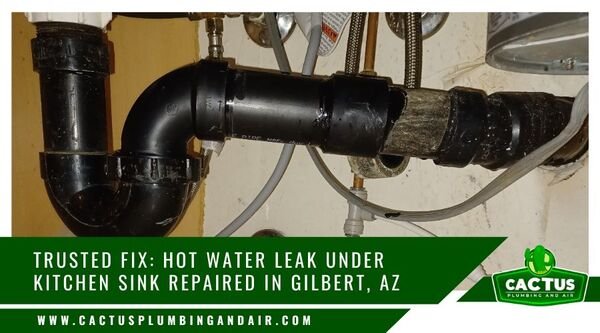
Is your kitchen sink area damp or do you notice a strange smell? A water leak under your kitchen sink can cause serious damage if you don’t act quickly.
You might think it’s just a small drip, but even tiny leaks can lead to mold, bad odors, and expensive repairs. You’ll learn how to spot the signs of a leak, what causes it, and simple steps you can take to fix it before it gets worse.
Don’t let a hidden leak ruin your kitchen—read on to protect your home and save money.
Credit: www.garvinssewerservice.com
Common Leak Causes
Water leaks under the kitchen sink often start small but cause big problems. Understanding common causes helps spot issues early. This knowledge can save time, money, and stress.
Leaks usually happen because parts wear out or plumbing gets loose. Pipes can crack or drains can clog, leading to water escaping. Checking these common spots can help keep your kitchen dry and safe.
Worn-out Seals And Washers
Seals and washers stop water from leaking at joints and faucets. Over time, they dry out and crack. Damaged seals let water drip slowly or pour out. Replacing these small parts often fixes leaks quickly.
Loose Plumbing Connections
Plumbing connections hold pipes tightly together. Movement or vibrations can loosen these joints. Loose connections allow water to escape under the sink. Tightening nuts and bolts can stop leaks fast.
Cracked Pipes
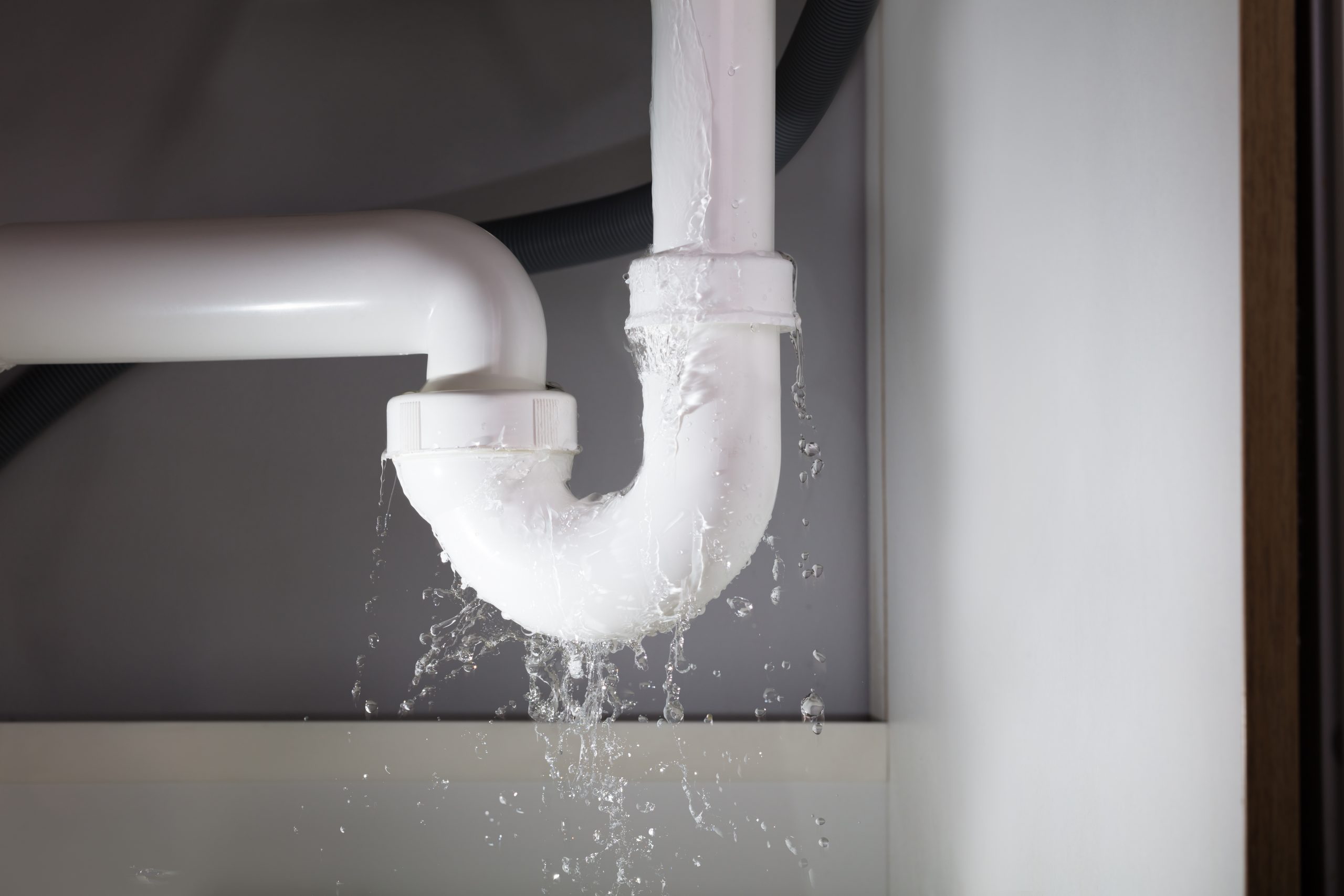
Pipes under the sink may crack due to age or pressure. Cracks let water flow outside the plumbing system. Even small cracks cause water damage if not fixed. Inspect pipes regularly for signs of wear or breaks.
Clogged Drain Pipes
Drain pipes can clog with food scraps, grease, or debris. Blocked drains increase pressure in pipes. This pressure can cause leaks or pipe bursts. Clearing clogs often prevents leaks and keeps water flowing well.
Tools And Materials Needed
Fixing a water leak under your kitchen sink requires more than just a quick look. Having the right tools and materials ready makes the repair smoother and prevents extra trips to the store. Before you start, gather everything you need to save time and avoid frustration.
Basic Plumbing Tools
Start with a good set of plumbing tools. A pipe wrench and adjustable wrench are essential for loosening and tightening pipes and fittings.
Don’t forget a basin wrench—it’s perfect for hard-to-reach nuts under the sink. A flashlight helps you see clearly in tight, dark spaces, while a bucket catches any drips during the repair.
Have a pair of pliers handy for gripping and twisting, and a screwdriver set for removing or tightening screws.
Sealants And Tape
Sealants and tape keep your connections watertight and stop leaks from coming back. Plumber’s tape (also called Teflon tape) is a must-have for wrapping threaded pipe joints to prevent leaks.
Pipe joint compound (pipe dope) offers an extra layer of protection on top of tape. Silicone sealant can be used around sink drains and fittings to seal gaps and cracks effectively.
Consider a waterproof epoxy putty if you encounter a small crack that needs a quick fix before replacing parts.
Replacement Parts
Knowing which parts to replace is key to a lasting fix. Common culprits under the sink include the P-trap, washers, gaskets, and supply lines.
Buy parts that match your sink’s size and type exactly—this avoids leaks caused by poor fit. Take the old parts to the store for comparison if you’re unsure.
Sometimes, a simple washer replacement stops the leak, but other times the entire pipe or valve needs swapping out. Check for corrosion or damage to decide.
Detecting The Leak Source
Detecting the source of a water leak under the kitchen sink is crucial to stop water damage. Early detection saves money and prevents mold growth. Start with simple checks before calling a plumber.
Visual Inspection
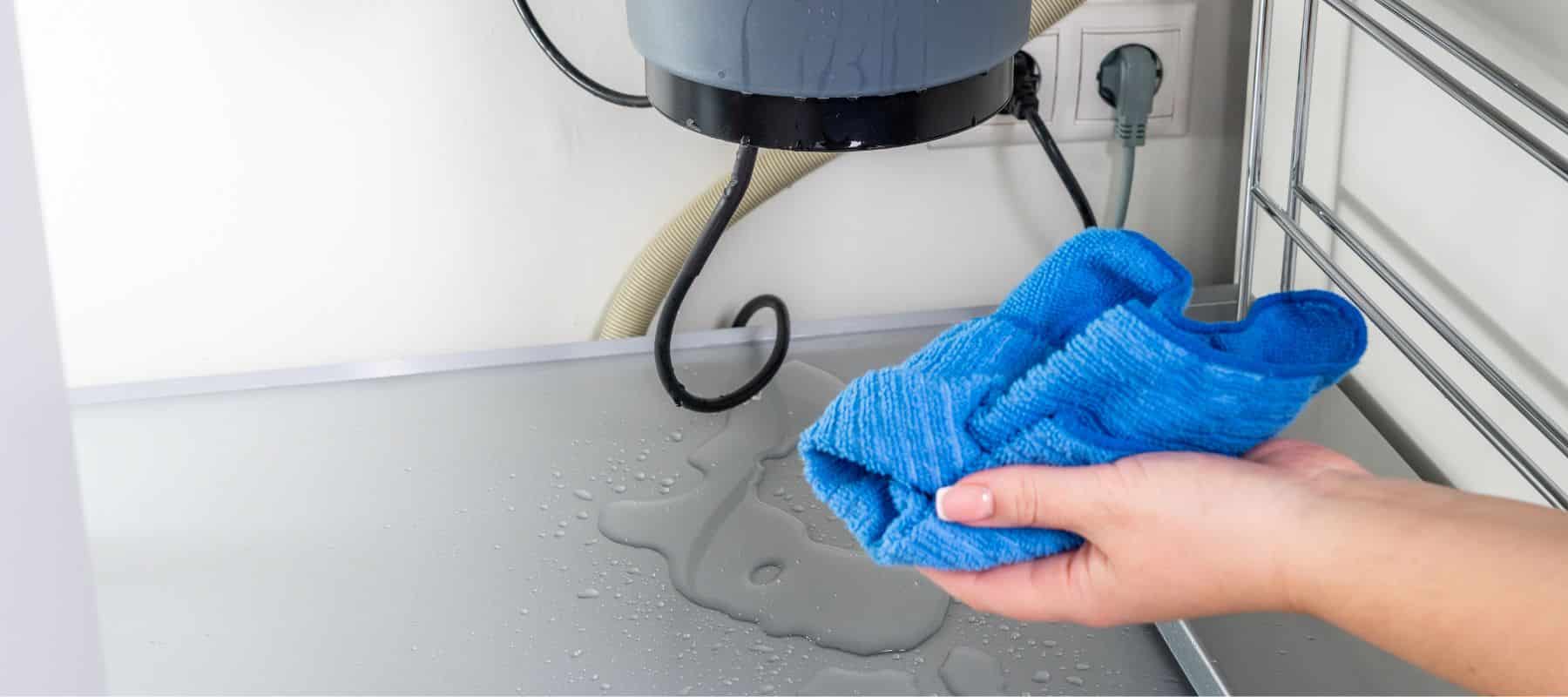
Look closely under the sink for wet spots or water stains. Check the cabinet floor and walls for discoloration or swelling. Examine pipes and fittings for cracks or corrosion. Use a flashlight to spot hidden leaks in dark areas.
Using A Leak Detector
Leak detectors help find water leaks quickly. These devices sense moisture and alert you with sound or light. Place the detector near pipes and under the sink. It can find leaks not visible to the eye.
Checking Water Supply Lines
Inspect the water supply lines connected to the faucet. Look for loose connections or worn-out washers. Turn on the faucet and watch for drips or moisture. Tighten fittings carefully to avoid causing damage.
Credit: piccfla.com
Step-by-step Repair Process
Addressing a water leak under your kitchen sink requires a clear and careful approach. Tackling each part of the repair methodically helps prevent further damage and ensures a lasting fix. Let’s walk through the key actions you can take to get your sink leak under control.
Turning Off Water Supply
Before touching any pipes or fittings, shut off the water supply to your kitchen sink. Look for the shut-off valves located under the sink; these usually control hot and cold water separately.
If you can’t find individual valves, turn off the main water supply for your home to avoid any unexpected flooding. Have a towel or bucket ready to catch any residual water when you disconnect pipes.
Tightening Loose Connections
Loose fittings often cause minor leaks. Use an adjustable wrench to gently tighten all the nuts and connectors under the sink.
Be cautious not to overtighten; this can crack fittings or damage seals. Check if the leak stops after tightening—sometimes, this simple fix is all you need.
Replacing Damaged Seals
Worn or cracked seals are a common cause of persistent leaks. Inspect rubber washers and O-rings in faucet connections and pipe joints carefully.
Replace any damaged seals with new ones of the same size. These inexpensive parts can save you from costly water damage.
Fixing Or Replacing Pipes
If the leak comes from a cracked or corroded pipe, repair or replacement is necessary. Small cracks might be temporarily patched with waterproof tape, but this is only a short-term solution.
For a permanent fix, remove the damaged section and install a new pipe. If you’re unsure about cutting and fitting pipes, consider consulting a professional to avoid mistakes.
Preventing Future Leaks
Preventing future leaks under your kitchen sink requires a mix of consistent care and smart choices. Small actions today can save you from costly repairs and water damage tomorrow. Here’s how you can keep your plumbing secure and leak-free.
Regular Maintenance Tips
Check under your sink at least once a month. Look for any signs of moisture, corrosion, or mold. Catching these early can stop a minor drip from turning into a major leak.
Clean the drain and pipes regularly to prevent clogs that increase pressure. Wipe connections dry if you spot dampness after using the sink. These simple habits help you stay ahead of potential problems.
Using Quality Parts
Cheap or worn-out parts often cause leaks. Invest in durable materials like brass fittings or stainless steel hoses. They last longer and handle pressure better.
When replacing parts, choose brands known for reliability. A quality gasket or pipe can save you from frequent repairs. Think of it as a small upfront cost for long-term peace of mind.
Avoiding Excessive Pressure
High water pressure stresses your pipes and connections, increasing leak risks. Use a pressure regulator if your home’s water pressure is above 60 psi.
Also, avoid slamming faucets shut or forcing valves closed. Gentle handling reduces wear and tear on your plumbing. How often do you check your water pressure? It might be time to test it.

Credit: www.reddit.com
When To Call A Professional
Knowing when to call a professional for a water leak under your kitchen sink can save you time, money, and a lot of stress. Small drips might seem harmless, but some leaks signal deeper issues that need expert attention. Recognizing these signs early helps you avoid costly repairs and potential damage to your home.
Signs Of Major Damage
Watch out for water stains or discoloration on the cabinet floor or walls near the sink. Warped or soft wood is a clear red flag that moisture has been sitting there too long. You might also notice a musty smell or see mold growing, which means the leak has caused hidden damage.
If you spot puddles that keep reappearing after drying or notice your water bill suddenly rising, these are signs the problem isn’t just a small drip. Persistent dampness can weaken your cabinets and even damage the flooring beneath. At this point, a professional should inspect the area to prevent further harm.
Complex Plumbing Issues
Leaks caused by old, corroded pipes or faulty connections often need more than a quick fix. If your leak comes with unusual noises like banging or gurgling when you use the sink, it’s a sign of complex plumbing problems. These issues require specialized tools and knowledge to diagnose and repair properly.
Trying to fix these yourself might worsen the problem or cause water damage elsewhere. Professionals can also ensure your plumbing meets local codes, avoiding future headaches. When you’re unsure about what’s causing the leak or how to fix it, calling an expert is the safest choice.
Frequently Asked Questions
What Causes Water Leaks Under Kitchen Sinks?
Water leaks under kitchen sinks are often caused by loose or damaged pipes, worn-out seals, or corroded fittings. Clogged drains and faulty plumbing connections can also lead to leaks. Regular inspection and maintenance help prevent these common issues.
How Can I Fix A Water Leak Under My Kitchen Sink?
To fix a leak, first turn off the water supply. Then, tighten loose connections or replace damaged pipes and seals. If unsure, call a professional plumber to avoid further damage and ensure proper repair.
How Do I Detect A Hidden Leak Under The Kitchen Sink?
Look for water stains, mold, or a musty smell beneath the sink. Check for dripping sounds or pooling water. Using a flashlight and touch can help identify moisture or leaks in hard-to-see areas.
Is A Leaking Kitchen Sink Dangerous?
Yes, leaks can cause water damage, mold growth, and structural issues. Prolonged leaks also increase water bills and may lead to costly repairs. Prompt detection and repair are essential to avoid these risks.
Conclusion
A water leak under your kitchen sink can cause big problems fast. Catching leaks early saves money and stops damage. Check pipes regularly for drips or wet spots. Fix small leaks before they grow into big issues. Use simple tools or call a plumber if needed.
Keep your kitchen dry and clean to avoid mold. Taking action today helps protect your home tomorrow. Don’t ignore signs of leaks; act quickly and stay safe.
