
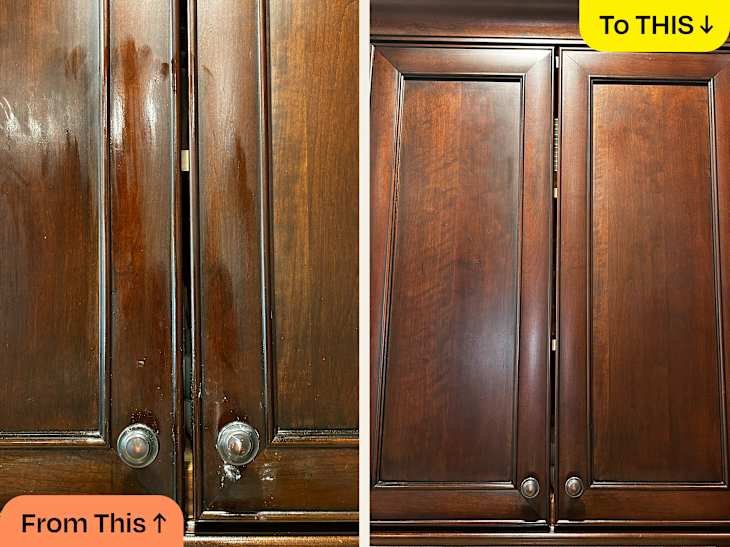
Are your wooden kitchen cupboards looking dull or sticky? You want them clean, shiny, and fresh without damaging the wood.
Finding the best way to clean wooden kitchen cupboards can be tricky, but it doesn’t have to be. You’ll discover simple, effective methods that protect your cupboards and bring out their natural beauty. Keep reading to learn how you can transform your kitchen cupboards with easy steps you can do today.
Assessing The Condition Of Your Cupboards
Assessing the condition of your wooden kitchen cupboards is an essential first step before cleaning. It helps you understand what type of care your cupboards need. This process prevents damage and ensures the right cleaning method.
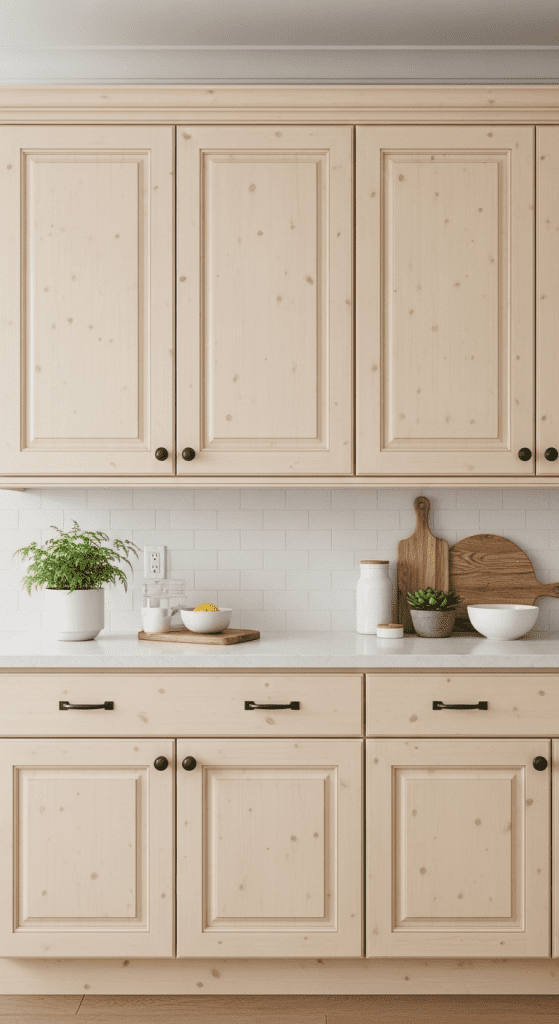
Identifying Dust And Dirt Buildup
Check every surface of your cupboards for dust and dirt. Look at corners and edges where debris collects more. Use a soft cloth or brush to gently remove loose dirt. Notice any sticky spots or stains that need special attention.
Checking For Scratches And Water Damage
Examine cupboards carefully for scratches, dents, or marks. These can affect the wood finish and may require repair. Look for signs of water damage like discoloration or swelling. Water damage weakens wood and needs prompt care to stop spreading.
Preparing Your Cupboards For Cleaning
Preparing your wooden kitchen cupboards for cleaning is a crucial step that sets the stage for effective results. Taking time to properly prepare ensures you won’t damage the wood or miss any hidden spots. It also helps you clean more efficiently and avoid extra work later.
Removing Hardware And Accessories
Start by taking off all handles, knobs, and any other hardware from your cupboards. This makes it easier to clean every corner without the risk of scratching the metal or leaving grime behind. Use a screwdriver to carefully unscrew each piece and store them in a small container so you don’t lose anything.
If you have decorative stickers or magnetic accessories on the doors, remove those too. This way, you can clean the wood surface thoroughly without leaving sticky residue or dirt trapped underneath. Have you ever cleaned only to find dirt hiding under a handle? Avoid that hassle by removing everything first.
Covering Surrounding Surfaces
Protect your countertops, floors, and nearby appliances before you start cleaning. Place old towels or plastic sheets underneath and around your cupboards to catch drips or spills. This simple step saves you from extra scrubbing later and keeps your kitchen safe from water damage.
Think about the cleaning solutions you’ll use; some can stain or damage surfaces if they drip. Covering nearby areas also helps you focus on your cupboards without worrying about making a bigger mess. Have you ever had to clean up after a cleaning session? You know how valuable this step can be.
Choosing The Right Cleaning Tools And Materials
Choosing the right cleaning tools and materials is crucial for maintaining the beauty and longevity of your wooden kitchen cupboards. Using harsh chemicals or rough cloths can damage the wood’s finish, while ineffective products might leave residues or fail to clean properly. Understanding what works best for wood ensures you protect your investment and keep your kitchen looking fresh.
Selecting The Ideal Cleaning Solution
Not all cleaning solutions are safe for wood surfaces. Avoid products with ammonia, bleach, or abrasive ingredients as they can strip the wood’s natural oils and finish.
Look for mild, pH-balanced cleaners specifically designed for wood. A simple mix of warm water and a few drops of dish soap often works well.
Have you tried homemade solutions? A blend of vinegar and water can clean effectively but use sparingly and always test on a small area first to prevent damage.
Using Microfiber Cloths For Effective Cleaning
Microfiber cloths are gentle yet efficient at trapping dust and dirt without scratching the wood. Their fine fibers reach into crevices, making them ideal for detailed cupboard surfaces.
Unlike rough sponges or paper towels, microfiber cloths require less pressure, reducing the risk of wear on your cupboards.
Keep multiple cloths on hand one for dusting, another for wiping with cleaning solution, and a dry one for buffing. This helps avoid spreading dirt and maintains the wood’s shine.
Cleaning Techniques For Different Types Of Wood
Cleaning wooden kitchen cupboards requires different approaches depending on the type of wood. Each wood species reacts uniquely to moisture, cleaning agents, and scrubbing. Knowing the right technique helps protect the wood’s finish and keeps your cupboards looking fresh for years.
Cleaning Oak And Maple Wood
Oak and maple are dense hardwoods that can handle gentle scrubbing without damage. Use a soft cloth dampened with warm water and mild dish soap to wipe down the surfaces. Avoid soaking the wood; excess moisture can cause warping or discoloration.
For stubborn stains, mix equal parts white vinegar and water, then lightly dab the spot with a soft cloth. Vinegar helps break down grime without harming the finish. Always test this solution on a small hidden area first to ensure it doesn’t dull the wood.
Dry the cupboards immediately with a clean, dry towel to prevent water spots. A light application of mineral oil or a wood conditioner every few months can help maintain the wood’s natural shine and prevent cracking.
Cleaning Pine And Cherry Wood
Pine and cherry wood are softer and more sensitive to harsh chemicals. Use a microfiber cloth with a solution of warm water and a few drops of mild soap. Wipe gently, following the wood grain to avoid scratching the surface.
Cherry wood tends to darken when exposed to sunlight or some cleaning products, so avoid bleach and ammonia-based cleaners. Instead, use a mixture of water and a small amount of olive oil to polish the surface after cleaning. This adds moisture and enhances the wood’s rich color.
Because pine is more porous, it’s important not to leave any moisture sitting on the surface. Quickly dry with a soft cloth and consider applying a protective wax or polish suitable for softer woods to guard against stains and wear.
Removing Tough Stains And Discoloration
Removing tough stains and discoloration from wooden kitchen cupboards can feel like a daunting task. These marks not only spoil the look of your kitchen but can also damage the wood if ignored. Tackling these issues with the right approach helps restore the natural beauty of your cupboards without harsh chemicals.
Using Baking Soda For Tough Stains
Baking soda is a gentle yet effective cleaner for stubborn stains on wood. Sprinkle some baking soda on a damp cloth and gently rub the stained area in a circular motion. You’ll be surprised how this simple ingredient lifts dirt without scratching the surface.
If the stain persists, create a paste by mixing baking soda with a small amount of water. Apply this paste to the stain and let it sit for about 10 minutes before wiping it off with a clean, damp cloth. Does your cupboard look brighter already? That’s the mild abrasive action working without harm.
Applying Wood Oil For Discoloration
Discoloration often results from dryness or exposure to sunlight. Wood oil nourishes and revives the wood, bringing back its warm, natural tone. Choose a high-quality wood oil and apply it evenly with a soft cloth, following the grain of the wood.
Allow the oil to soak in for at least 15 minutes, then wipe off any excess to avoid sticky residue. You might notice the wood’s color deepening and the surface gaining a subtle sheen. Have you ever thought about how regular oiling could prevent discoloration before it starts?
Credit: houseoutlook.com
Polishing And Protecting Your Cupboards
Polishing and protecting your wooden kitchen cupboards is key to maintaining their natural beauty and extending their lifespan. Regular care not only keeps the wood looking fresh but also shields it from daily wear and tear. Let’s dive into how you can easily achieve a lasting shine and durable protection.
Applying Wood Wax For Protection
Wood wax acts as a barrier that guards your cupboards against moisture and stains. Choose a high-quality wax specifically made for wooden furniture to ensure the best results.
Apply a small amount of wax using a clean cloth, spreading it evenly in circular motions. Let it sit for a few minutes, then buff the surface gently to bring out a soft, natural shine.
Think about how often you cook does your kitchen see a lot of steam or spills? This simple wax layer can prevent damage that often goes unnoticed until it’s too late.
Using A Soft Cloth For Polishing
A soft cloth is your best tool for polishing because it avoids scratching the wood’s surface. Microfiber cloths work particularly well as they pick up dust and polish without leaving lint behind.
After applying wax or any polish, use the cloth to rub the cupboards gently. This action not only enhances shine but also helps the protective layer bond better with the wood.
Have you ever noticed how a quick polish can transform dull cupboards into a focal point of your kitchen? This simple habit can make your space feel cleaner and more inviting every day.
Maintaining Your Clean Cupboards
Keeping wooden kitchen cupboards clean is just the start. Maintaining their shine and condition saves time and effort later. A well-kept cupboard looks fresh and lasts longer. Careful attention each day helps avoid damage from dirt and moisture.
Creating A Regular Cleaning Schedule
Set specific days for cupboard cleaning. This keeps dirt from building up. A simple schedule might include:
- Wiping surfaces weekly with a soft cloth
- Checking handles and edges for grime every two weeks
- Deep cleaning every month using gentle wood cleaners
Stick to the schedule for consistent cupboard care. It helps prevent stains and keeps wood healthy.
Avoiding Common Mistakes
Do not use harsh chemicals or abrasive scrubbers. These harm the wood finish. Avoid soaking cupboards with water. Excess moisture causes warping and discoloration.
Never ignore spills or stains. Clean them quickly to prevent permanent marks. Avoid placing hot items directly on wood surfaces to protect the finish. Proper care protects cupboards from early wear and tear.
Frequently Asked Questions
How Do I Clean Wooden Kitchen Cupboards Safely?
Use a mild soap and warm water solution with a soft cloth. Avoid harsh chemicals that damage wood. Wipe gently and dry immediately to prevent moisture damage. Regular cleaning maintains the cupboard’s finish and appearance effectively.
What Household Items Clean Wooden Cupboards Best?
White vinegar mixed with water is an excellent natural cleaner. Olive oil can polish and condition wood surfaces. Baking soda helps remove stains without scratching. These safe household items keep your cupboards clean and shiny.
How Often Should I Clean Wooden Kitchen Cupboards?
Clean your cupboards every two weeks to prevent grease buildup. Wipe spills immediately to avoid stains. Regular maintenance preserves wood quality and keeps your kitchen fresh and hygienic.
Can I Use Commercial Cleaners On Wooden Cupboards?
Only use cleaners labeled safe for wood surfaces. Harsh chemicals can strip finish and cause damage. Test a small area first to ensure no discoloration occurs. Proper cleaners extend cupboard life and beauty.
Conclusion
Cleaning wooden kitchen cupboards is simple and effective with the right steps. Use gentle cleaners and soft cloths to protect the wood. Regular care keeps cupboards looking fresh and new. Avoid harsh chemicals that can damage the finish. A clean kitchen feels welcoming and bright.
Small efforts make a big difference over time. Keep your cupboards shiny and well-maintained for years to come. Remember, consistency is key for lasting results.
