
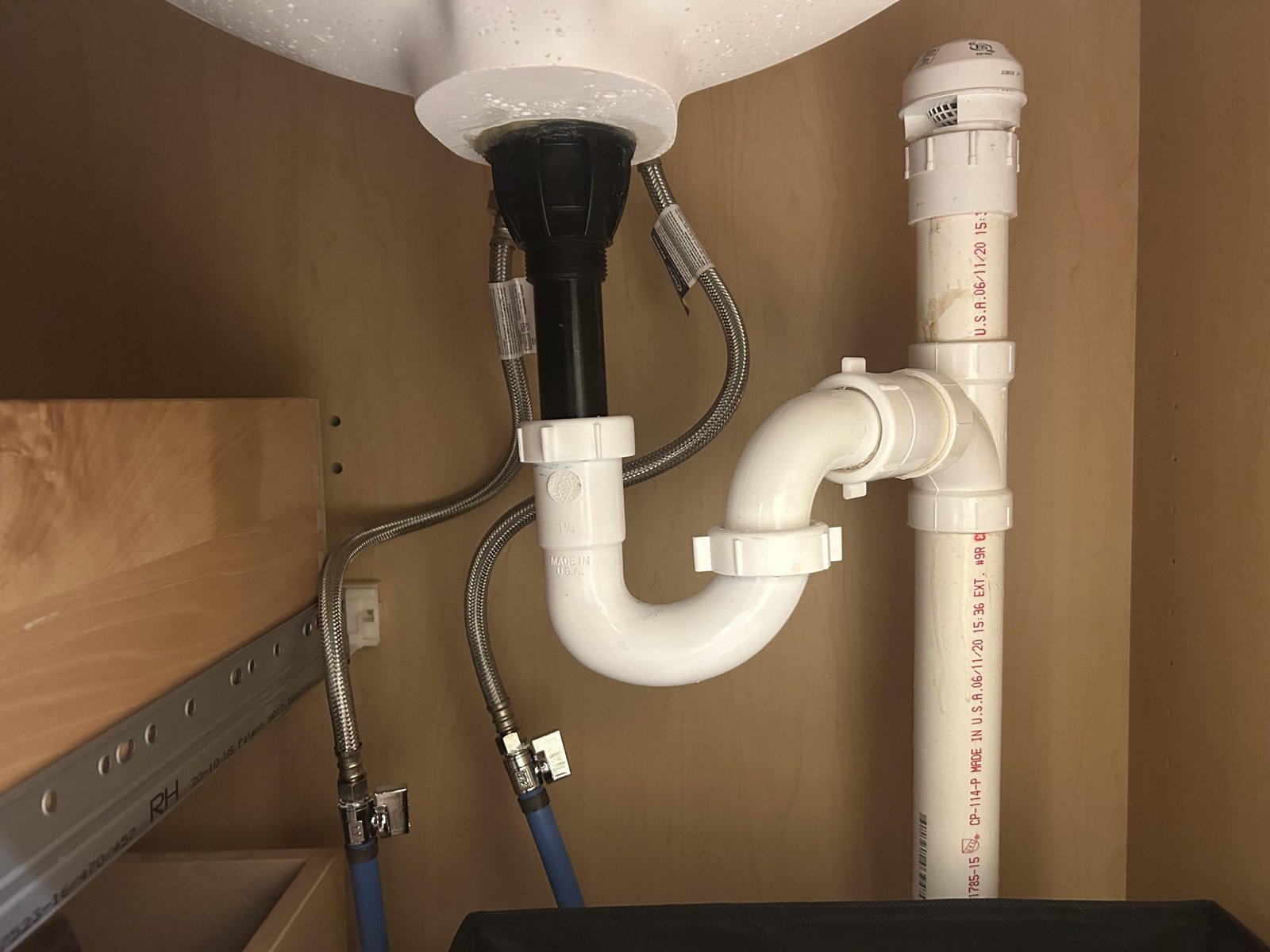
A foul odor beneath the kitchen sink is a warning sign, not just an annoyance. In modern kitchens with PVC and ABS plumbing, most smells still trace back to the same core issues: trapped food debris, hidden moisture, a dried-out P‑trap, or a clogged dishwasher air gap. Left unchecked, these problems can invite pests, damage cabinet wood, and degrade indoor air quality. The good news is that nearly every under‑sink odor has a straightforward fix you can tackle in an afternoon.
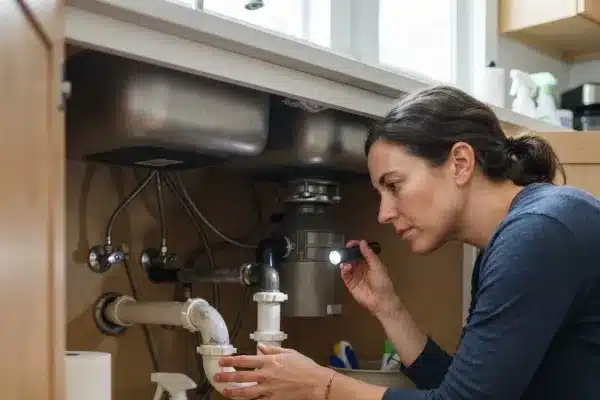
Grab a flashlight and inspect under your sink today—catching the source early stops odors before they spread to the rest of the kitchen.
Quick Diagnostic Checklist
Before tearing apart pipes, match the smell to its likely source. This table speeds up troubleshooting:
| Odor Character | Likely Source | First Action |
|---|---|---|
| Rotten, sulfur, food‑like | Disposal or drain sludge | Grind ice + citrus, flush with baking soda and vinegar |
| Musty, earthy | Slow leak + mold | Dry cabinet, check pipes, treat mold |
| Sewage, rotten egg | Dry or cracked P‑trap | Pour water down drain, inspect U‑bend |
| Metallic, stale during dishwasher cycle | Clogged air gap or dirty filter | Clear air gap, clean disposal and dishwasher filter |
A common mistake is assuming the drain is always the culprit. In practice, about one in three under‑sink odors originate from the cabinet floor or back wall—not the plumbing itself.
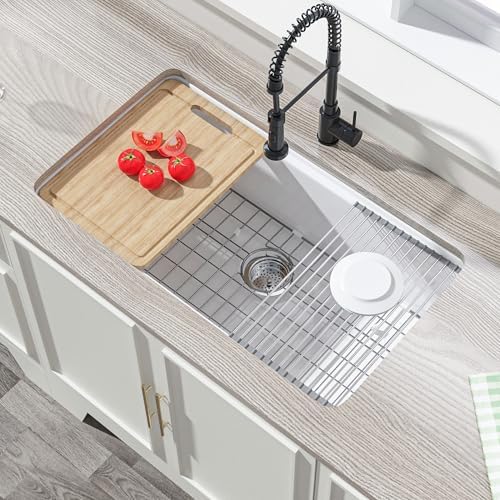


1. Food Debris in the Disposal and Drain
Decaying food is the number‑one cause of kitchen sink smells. Tiny particles slip past the strainer, lodge in the disposal chamber, or coat the drain pipe walls. As they break down anaerobically, they release volatile sulfur compounds—the classic “something died” stench.
Telltale Signs
- The smell intensifies the moment you run water or the disposal.
- The odor has a sour, rotten, or egg‑like note.
- A greasy film is visible on the black rubber splash guard.
Effective Fixes
Ice and citrus scour. Drop one cup of ice cubes and two lemon or orange peels into the disposal. Run cold water and grind for 30 seconds. The ice knocks off caked‑on grime, and citrus oils neutralize odor. A frequent error is using hot water during grinding—hot water melts fat, which re‑solidifies 2–3 feet downstream and harbors bacteria. Always use cold water during and for 15 seconds after disposal use.
Baking soda and vinegar flush. Pour ½ cup baking soda, then 1 cup white vinegar into the drain. Let the fizzing reaction work for 15–20 minutes to loosen grease, then flush with a full kettle of hot—not boiling—water to protect PVC joints.
Scrub the baffle. The black rubber flange (often called a splash guard) traps microscopic food. Use an old toothbrush with diluted dish soap to scrub both sides, then rinse thoroughly. Replace it if the rubber feels cracked or brittle—food lodges in those crevices.
 A clean strainer prevents scraps from reaching the disposal.
If odors persist after cleaning, the grime may have built up beyond your reach. Use an enzymatic drain cleaner (look for one labeled safe for disposals) every few months—these break down organic sludge without harsh chemicals.
2. Hidden Leaks and Mold Growth
Even a pinhole drip keeps wood damp. Dark, humid cabinets become mold factories, producing a persistent musty smell that survives drain cleaning.
Locating the Leak
- Run your hand along supply lines, slip joints, and the P‑trap—feel for moisture.
- Shine a flashlight on the floor; look for warped board, stained cardboard, or a small puddle.
- Inspect where braided supply hoses meet shutoff valves—micro‑fractures appear there first.
If you spot moisture, follow the correct procedure to shut off the water to your sink before loosening fittings. For active drips, our detailed guide on fixing pipe leaks walks through tightening slip nuts and replacing worn washers without calling a plumber.
Remediating Mold
For patches under 10 square feet, mix 1 part bleach with 10 parts water, apply for 10 minutes, scrub, then rinse thoroughly. Never mix bleach with vinegar or ammonia—toxic fumes can result. Vinegar (full strength) or 3% hydrogen peroxide work as bleach‑free alternatives and are safer for septic systems.
The U.S. Environmental Protection Agency offers official mold cleanup advice for infestations beyond a small patch. If you see widespread fuzzy growth or smell musty odors that won’t clear, call a remediation professional—disturbing large mold colonies risks spreading spores to the rest of your kitchen.
3. Dry P‑Trap and Sewer Gas
The P‑trap’s U‑shape holds water that seals sewer gas out. In infrequently used sinks, that water can evaporate in 7–10 days, breaking the barrier and letting rotten‑egg methane enter your home.
Test and Fix
Sniff the open drain—a sewage note confirms a dry trap. Pour one cup of water down the drain and wait 30 seconds. If the smell vanishes, the trap was simply dry. Run cold water for 30 seconds every two weeks to maintain the seal, especially in guest bathrooms or basement bar sinks.
If odor returns quickly, inspect for hairline cracks. Keep a sink plumbing diagram handy to identify the U‑bend and adjacent fittings before swapping a damaged trap with basic hand tools. A model‑specific replacement from a hardware store costs under $10.
4. Dishwasher Air Gap and Drain Line
Homes that route the dishwasher drain through a countertop air gap are prone to odor problems. Food particles from the dishwasher can clog the small dome, pushing foul smells back when the machine runs.
Clearing the Air Gap
Twist off the cap, brush out gunk with a pipe cleaner or skinny bottle brush, flush with a cup of water, and reseat the cap. If smells persist, the dishwasher drain line or filter may be the real culprit. Regular dishwasher filter care prevents cross‑contamination odors—our step‑by‑step guide for Frigidaire models shows you exactly how. For stainless‑steel tubs, we also cover how to clean the inside of stainless steel dishwasher to remove biofilm that produces stale smells during cycles.
Common Dishwasher‑Related Odor Sources
| Issue | Sign | Fix |
|---|---|---|
| Clogged air gap | Stale smell only during dishwasher cycles | Clean air gap with pipe cleaner |
| Dirty filter | Odor that lingers after machine empties | Remove and scrub filter monthly |
| Mold in drain hose | Musty smell when dishwasher is idle | Disconnect hose and flush with vinegar water |
5. Deep Cleaning the Under‑Sink Cabinet
Sometimes the pipes are pristine, but a spilled cleaner, a forgotten sponge, or a mouse dropping is the real offender. A thorough cabinet reset eliminates these hidden sources.
Cabinet Reset Steps
- Remove everything – Empty the cabinet completely. Discard any wet, moldy, or stained items.
- Wipe all surfaces – Use warm soapy water on floors, walls, and corners. Pay extra attention to the back wall where condensation drips.
- Apply baking soda – Sprinkle a thin layer across the floor and let it sit for one hour to absorb residual moisture and odor, then vacuum.
- Air‑dry – Leave the cabinet doors open for at least four hours before restocking.
Odor Absorbers Compared
| Absorber | Lifespan | Best For |
|---|---|---|
| Open box of baking soda | 2–3 months | Light everyday smells, low humidity |
| Activated charcoal bag | Up to 1 year | High‑humidity cabinets |
| Coffee grounds (dried) | 2 months | Mild organic odors, but can mold in damp cabinets |
Place one of these inside the cabinet after cleaning. Replace on schedule to keep the space fresh.
Preventive Maintenance Schedule
| Frequency | Task |
|---|---|
| Weekly | Run cold water with ice and citrus peels in the disposal; wipe the baffle with a soapy sponge |
| Monthly | Perform a baking soda and vinegar flush; do a flashlight leak check on all visible pipes |
| Quarterly | Replace the odor absorber; clean the dishwasher filter (check our cleaning the dishwasher filter guide for Kenmore models) |
| Annually | Inspect the P‑trap for hairline cracks; tighten slip joints and supply line connections |
Never pour grease down the sink, grind fibrous vegetables like celery or banana peels, or use chemical drain cleaners—they damage pipes and kill the beneficial bacteria your septic system relies on.
When to Call a Professional
Some signs point to a deeper problem that requires a licensed plumber:
- Odor returns within days after thorough DIY cleaning—a cracked drain line or broken vent may be underground.
- Gurgling in drains when another fixture runs—indicates a blocked vent stack.
- Multiple slow drains or visible sewage backup—this is a main line issue.
When you call, describe the exact symptoms (odor type, when it appears, which drains are affected) to speed diagnosis and avoid unnecessary demolition.
Frequently Asked Questions
 Quick answers to the most common odor questions.
What is the most common cause of a bad smell under the kitchen sink?
Rotting food debris in the disposal or drain line. Musty notes point instead to leak‑driven mold.
Can a dry P‑trap cause sewer gas smell?
Yes. The water seal blocks gases; evaporation after a week of disuse lets rotten‑egg odor enter. Refill with a cup of water.
Is bleach safe down the drain?
Only as a 1:10 dilution for surface mold inside the cabinet. Never pour straight bleach; it harms pipes and septic systems.
How often should I clean the disposal?
Monthly minimum; every two weeks if you grind starchy foods like rice or potatoes.
Why does the smell worsen during dishwasher cycles?
The dishwasher shares the disposal or air gap. A clogged gap or dirty filter forces odors back. Clean both before running a cycle.
Conclusion
Most under‑sink smells are DIY‑fixable: clear food buildup, eliminate leaks, refill the P‑trap, and reset the cabinet. Build the maintenance schedule above into your routine to keep air fresh and prevent costly repairs.
If odors survive every step here, trust your nose—a deeper vent or sewer line fault needs a licensed plumber. Act this week to protect your kitchen’s hygiene and comfort. For more kitchen care tips, browse our full kitchen cleaning library.
