
Are you tired of serving buffet food that loses its warmth too quickly? Keeping your dishes hot and fresh can make all the difference between a memorable meal and a disappointing one.
You want your guests to enjoy every bite just as much as when the food was first prepared. You’ll discover the best way to keep buffet food warm effortlessly. Imagine the satisfaction of seeing your spread stay perfectly heated, so your guests keep coming back for more.
Let’s dive into simple, effective tips that will make your buffet the highlight of any event.

Credit: www.amazon.com
Choosing The Right Equipment
Choosing the right equipment to keep buffet food warm is essential for a successful event. The right tools not only maintain food temperature but also preserve flavor and texture. Knowing which equipment fits your buffet style and menu can make all the difference in guest satisfaction.
Chafing Dishes
Chafing dishes are a classic choice for buffet setups. They use a water pan heated by fuel or electric heat to gently warm food without drying it out. These dishes come in various sizes and shapes, making them versatile for different types of cuisine.
If you’ve ever attended a buffet where food got cold quickly, chances are chafing dishes weren’t used properly or at all. They provide steady heat and are easy to refill, which keeps your dishes looking fresh and inviting.
Slow Cookers
Slow cookers are perfect for soups, stews, and casseroles that benefit from gentle, consistent heat. They help avoid overcooking and keep food moist for hours. Plus, they’re easy to transport and set up at any event.
Think about the last time you served chili at a party. Using a slow cooker kept it hot and flavorful without constant attention. They’re also energy-efficient and safe to leave on throughout the event.
Heat Lamps
Heat lamps are great for items that need to stay crisp, like fried foods or roasted meats. They focus direct heat without steaming the food, which helps maintain texture. You can place them over serving trays to keep food warm and appealing.
Consider how restaurants use heat lamps to keep orders hot and fresh. Using them in a buffet setting can help you avoid soggy or cold dishes, especially when guests serve themselves sporadically.
Warming Trays
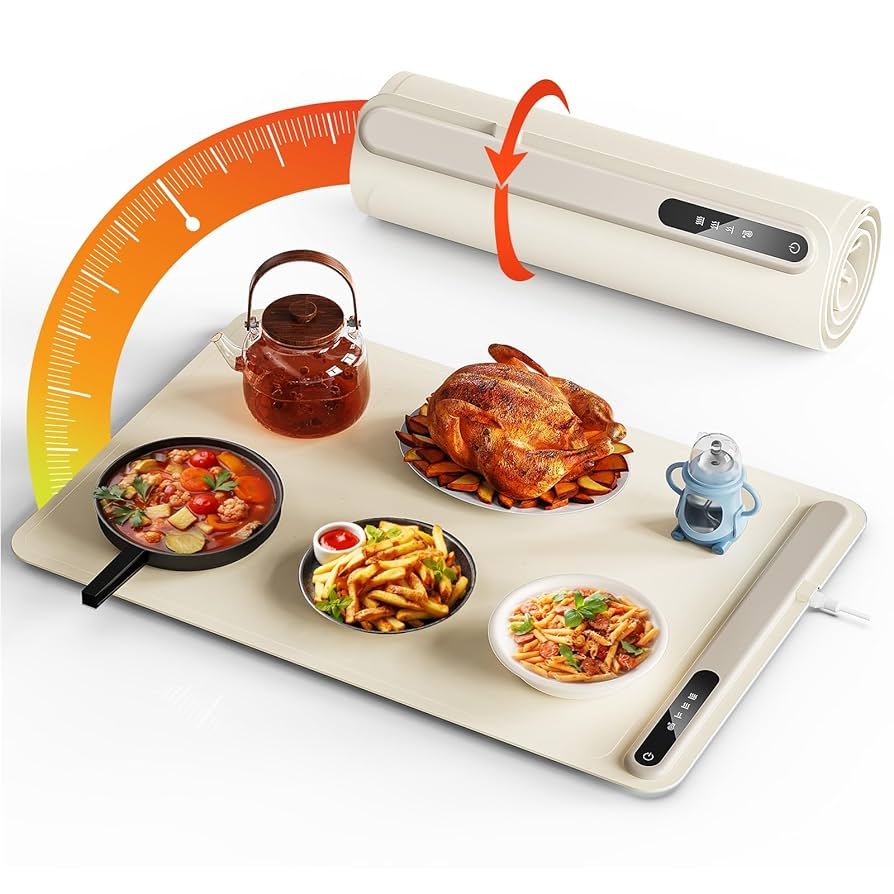
Warming trays offer a flat, electric surface to keep multiple dishes at a consistent temperature. They’re ideal for plates, casseroles, and finger foods. Their compact design fits well on crowded buffet tables.
Imagine hosting a brunch where everything from scrambled eggs to pastries stays warm without extra fuss. Warming trays are simple to operate and clean, making them a practical choice for many hosts.

Credit: www.instagram.com
Temperature Control Tips
Keeping buffet food warm is more than just turning on a heat source. Temperature control plays a crucial role in food safety and taste. Let’s look at some practical tips to help you manage heat effectively.
Ideal Serving Temperatures
Different foods require different temperatures to stay fresh and tasty. Hot dishes should generally be kept at or above 140°F (60°C) to prevent bacteria growth. Cold foods, on the other hand, need to stay below 40°F (4°C) to remain safe.
Think about the last buffet you attended. Did the dishes feel too cold or too hot? Maintaining the right temperature can make a big difference in your guests’ experience and health.
Using Thermometers
Thermometers are your best friend for accurate temperature control. Digital instant-read thermometers give quick results, letting you adjust heat before issues arise. Don’t rely on guesswork—checking the temperature regularly is key.
Place thermometers in the thickest part of the food, not just the surface. This ensures you’re measuring the actual serving temperature, not just the heat source’s output.
Maintaining Consistent Heat
Consistency prevents cold spots and overheating. Use warming trays, chafing dishes, or slow cookers with adjustable heat settings for steady warmth. Avoid opening lids too often; every peek lets heat escape.
If you’ve ever noticed some dishes drying out at a buffet, inconsistent heat is often the culprit. A simple tip: add a water pan under chafing dishes to keep moisture and temperature stable.
Food Preparation Strategies
Keeping buffet food warm starts long before the dishes hit the table. How you prepare your food plays a huge role in maintaining its temperature and quality throughout the event. Thoughtful preparation can prevent the dreaded cold spots and soggy textures that often ruin a buffet experience.
Preheating Food
Always preheat your dishes before placing them in warming trays or chafing dishes. Cold food lowers the temperature of warming equipment, causing uneven heating. Heating food to the right temperature first ensures it stays warm longer and tastes fresher.
Consider using your oven or stovetop to bring food up to serving temperature. This small step makes a big difference in keeping everything warm and inviting.
Cutting Food Size
Smaller pieces of food warm up more evenly and stay hot longer than large chunks. Cutting meats, vegetables, and casseroles into bite-sized portions helps maintain consistent heat throughout the dish.
Have you noticed how sliced chicken or diced vegetables hold heat better than whole roasts? This simple trick also makes it easier for guests to serve themselves without waiting for food to warm up again.
Using Insulated Containers
Insulated containers are a game-changer when it comes to keeping buffet food warm. They trap heat efficiently and slow down cooling, which is especially useful for transportation or outdoor events.
Invest in quality insulated carriers or thermal bags designed for hot foods. These containers keep dishes hot without drying them out, ensuring your guests enjoy every bite at the right temperature.
Placement And Setup
Placement and setup play a crucial role in keeping buffet food warm throughout your event. The way you arrange your buffet table and position heating elements can make a noticeable difference in temperature maintenance. Small adjustments here can save you from cold dishes and unhappy guests.
Buffet Table Arrangement
Place hot dishes in the center of the table or near heat sources to minimize heat loss. Avoid positioning them near air vents, doors, or windows where cold drafts can quickly cool the food.
Group similar temperature dishes together. This helps you manage heat zones better and reduces the need to open covers frequently, which causes heat to escape.
Have a dedicated space for warming trays and chafing dishes with easy access to power or fuel. This setup helps you monitor and adjust temperatures quickly without disrupting the flow of guests.
Avoiding Heat Loss
Keep the buffet area away from high traffic zones to reduce the chance of cold air blowing over the food. If you notice guests frequently opening lids or covers, consider placing signs encouraging minimal lid lifting.
Use insulated serving dishes or warming trays with lids. These options trap heat inside and keep food warmer for longer periods without constant reheating.
Consider adding heat lamps or portable heaters above the buffet table. These provide consistent warmth and help combat any ambient cooling in the room.
Covering Food Properly
Always cover food with lids, foil, or heat-resistant plastic wrap to hold in heat and moisture. Uncovered food cools down quickly and dries out, which affects taste and texture.
Use clear covers when possible. This allows guests to see the food without opening lids, reducing heat loss.
When serving, open lids only briefly and replace them immediately after guests take their portions. This practice helps maintain internal temperatures and keeps your buffet looking fresh longer.
Safety Considerations
Keeping buffet food warm isn’t just about comfort—it’s a key factor in food safety. Warm food can quickly turn dangerous if not handled properly, leading to foodborne illnesses. Paying attention to safety considerations ensures your guests enjoy both tasty and safe meals.
Preventing Bacterial Growth
Bacteria thrive between 40°F and 140°F, known as the “danger zone.” Keeping food above 140°F is crucial to stop harmful bacteria from multiplying. Using chafing dishes or warming trays can maintain this safe temperature efficiently.
Have you ever noticed food left out too long tasting off or smelling strange? That’s often bacteria at work. Don’t let your buffet become a hotspot for bacterial growth by leaving food uncovered or at room temperature for extended periods.
Regular Temperature Checks
Relying solely on warming devices can be risky without regular monitoring. Use a food thermometer to check temperatures every 30 minutes. This simple step catches any drops that could compromise food safety.
It’s easy to get busy hosting, but skipping temperature checks can lead to unsafe food. Set reminders or assign someone to monitor food temps, so you never miss a critical check.
Safe Food Handling
Clean hands and utensils are your first defense against contamination. Always wash hands before serving or refilling dishes and use separate utensils for each dish to avoid cross-contamination.
Think about how often buffet guests touch serving spoons or food. Encouraging use of tongs and providing hand sanitizer nearby helps keep germs at bay. Safe food handling habits protect everyone enjoying your buffet.
Energy Efficiency Tips
Keeping buffet food warm uses a lot of energy. Saving energy helps cut costs and protects the environment. Small changes in how you use your warming equipment can make a big difference. Focus on smart habits and simple tools to reduce energy waste. Here are key tips to boost energy efficiency while keeping food warm.
Using Equipment Wisely
Choose warming devices that match the food type and quantity. Avoid oversized equipment for small amounts. Turn equipment on only when needed. Use timers to control heating periods. Adjust temperature settings to the lowest level that keeps food safe. Regularly clean and maintain equipment for best performance.
Reducing Heat Waste
Cover food trays with lids or foil to trap heat. Limit how often you open warming units to keep heat inside. Use insulated serving dishes to keep food warm longer. Arrange food close together to reduce exposed surface area. Place equipment away from drafts or cold areas to avoid heat loss.
Troubleshooting Common Issues
Keeping buffet food warm without sacrificing quality can be tricky. You might notice some dishes turning dry, others overheating, or uneven heating across trays. These common issues can frustrate both hosts and guests, but with simple fixes, you can maintain the perfect buffet experience.
Dealing With Dry Food
Dry food often means moisture has escaped during warming. To prevent this, cover your dishes tightly with lids or foil. Adding a shallow pan of water underneath food trays creates steam, which keeps moisture locked in.
If dryness occurs, try adding small amounts of broth or sauce before reheating. This restores juiciness without watering down flavors. Have you ever noticed how a sprinkle of fresh herbs after warming can bring life back to dry dishes?
Avoiding Overheating
Overheating not only dries out food but can also change its taste and texture. Use a food thermometer to keep the temperature steady, ideally between 140°F and 165°F (60°C and 74°C). Avoid setting warming trays to their highest setting; medium heat works better.
Stir food regularly to distribute heat evenly and prevent hot spots. Think about your last buffet—did you leave dishes on high heat all day? Adjusting the heat early can save your food from becoming overcooked.
Fixing Uneven Heating
Uneven heating means some parts of your buffet are hot while others are cold. Arrange chafing dishes or warming trays so heat spreads uniformly. Rotating trays every 20-30 minutes helps balance temperatures.
Using insulated serving dishes can also maintain heat better. Consider the buffet setup—are some trays farther from heat sources? Bringing everything closer or using heat diffusers can solve this problem quickly.

Credit: www.amazon.com
Frequently Asked Questions
How Can I Keep Buffet Food Warm?
To keep buffet food warm, use chafing dishes or warming trays. These tools maintain a consistent temperature. Opt for heat lamps or insulated serving containers for added convenience. Always monitor food temperature and stir occasionally to ensure even warmth.
What Is The Ideal Temperature For Buffet Food?
The ideal temperature for buffet food is above 140°F. This prevents bacterial growth and ensures food safety. Use a food thermometer to check temperatures regularly. Adjust heating equipment as needed to maintain this safe temperature.
Can I Use A Slow Cooker For Buffets?
Yes, a slow cooker can keep buffet food warm. Set it to a low or warm setting. This prevents overheating and drying out. Stir occasionally to keep the food evenly heated and enjoyable for guests.
Are Heat Lamps Effective For Buffets?
Heat lamps are effective for keeping buffet food warm. They provide consistent heat, making them ideal for open serving areas. Position the lamps strategically to cover all dishes. Regularly check the food to ensure it stays at the right temperature.
Conclusion
Keeping buffet food warm helps maintain taste and safety. Use chafing dishes or warming trays for steady heat. Cover food to keep moisture and prevent drying. Check temperatures often to avoid cold spots. Simple tools and small steps make a big difference.
Enjoy your buffet with fresh, warm dishes every time.

1 thought on “Best Way to Keep Buffet Food Warm: Top Tips for Perfect Serving”
Comments are closed.