
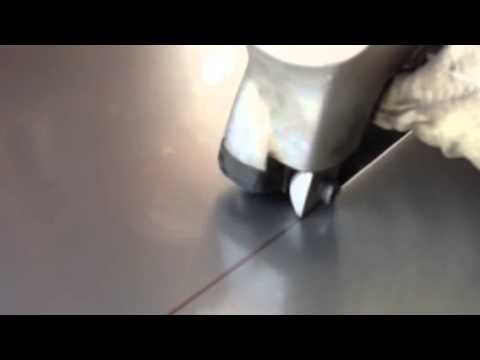
Are you ready to tackle your next DIY project but feeling a bit daunted by the prospect of cutting stainless steel sheets? You’re not alone.
The sleek, durable nature of stainless steel makes it a top choice for various applications, but cutting it can seem like a challenge. Perhaps you’ve tried before and ended up with jagged edges or wasted material, leaving you frustrated. But what if I told you there’s a better way?
A way that guarantees precision, minimizes waste, and saves you time and effort. You’ll discover the best techniques and tools to cut stainless steel sheets like a pro. Say goodbye to trial and error and hello to flawless results. Keep reading to unlock the secrets to perfect cuts every time.
Choosing The Right Tools
Choosing the right tools for cutting stainless steel sheets can significantly impact the quality of your work and the ease of the process. Whether you’re a DIY enthusiast or a professional, selecting the appropriate tools ensures precision, efficiency, and safety. Let’s dive into the various options available to you, from manual tools to power tools, and the essential safety gear you should never overlook.
Manual Tools For Precision
Manual tools offer incredible precision, especially for small or intricate projects. A high-quality tin snip can cut through stainless steel like butter, giving you control over every curve and angle. Have you ever tried using a hacksaw for stainless steel? It’s not as daunting as it sounds. With the right blade, you can achieve smooth cuts, though it demands patience and a steady hand. Always ensure your blade is sharp to avoid jagged edges.
Power Tools For Efficiency
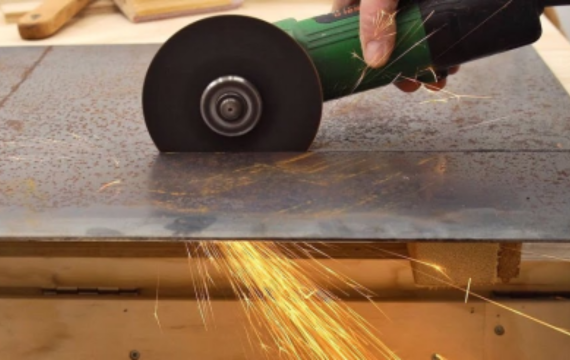
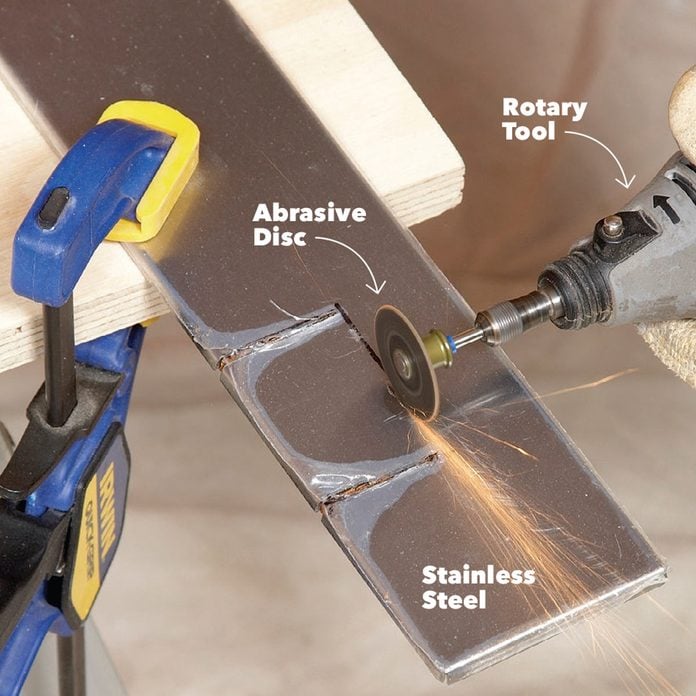
Power tools are your best friends when you need efficiency and speed. An angle grinder with a stainless steel disc can save you time on larger projects. It’s like a turbo boost for your cutting tasks. Remember, using a jigsaw with the correct blade can make cutting curves a breeze. Would you consider a plasma cutter? It’s an investment, but it’s unmatched in speed and versatility for various thicknesses of stainless steel.
Safety Gear Essentials
Safety should never take a backseat when cutting stainless steel sheets. Always wear safety goggles to protect your eyes from flying shards. A pair of heavy-duty gloves can prevent nasty cuts and burns. Have you thought about ear protection? Power tools can be noisy, and safeguarding your hearing is crucial. Consider wearing a dust mask, especially when using power tools, to avoid inhaling harmful particles. Your safety is paramount, so never compromise on gear.
Credit: kdmfab.com
Preparation Techniques
Cutting stainless steel sheets efficiently involves using tools like a plasma cutter or a circular saw with a metal-cutting blade. Ensure safety gear, like gloves and goggles, is worn to protect against sharp edges and sparks. Accurate measurements and steady hands yield cleaner cuts.
Cutting stainless steel sheet is an art that requires precision and preparation. Before diving into the task, you need to set the stage with effective preparation techniques. These steps are crucial to ensure clean cuts and avoid unnecessary mistakes. Think of preparation as the foundation for a successful cut. Properly preparing the sheet will save you time and frustration later. Let’s break down these essential techniques.Measuring And Marking
Accurate measurements are the cornerstone of cutting stainless steel. Use a reliable measuring tape or ruler to determine the exact dimensions you need. Double-check your measurements to avoid costly errors. Mark the cutting line clearly with a permanent marker or scriber. Precision in marking leads to precision in cutting. If you’re hesitant, try marking lightly first, then darken once you’re sure. Have you ever cut a piece only to find it’s slightly off? Measuring twice truly saves you from cutting twice.Securing The Sheet
Once you’ve marked your stainless steel sheet, securing it is the next step. Firmly clamping the sheet ensures stability during cutting. A wobbly sheet can lead to uneven cuts and potential hazards. Use sturdy clamps or a vise to hold the sheet in place. Safety is paramount, and a secure sheet reduces the risk of injury. Consider placing a non-slip mat beneath the sheet for added stability. Ever had a sheet slip mid-cut? It’s unsettling and dangerous.Avoiding Common Mistakes
Cutting stainless steel comes with its own set of challenges. Avoiding common mistakes can make the process smoother and more efficient. Don’t rush the cut. Take your time and maintain steady pressure. Rushing often leads to jagged edges and wasted material. Ensure your tools are sharp and suitable for stainless steel. A dull blade or wrong tool can ruin the sheet and your day. Are you guilty of skipping safety gear? Wear protective gloves and goggles to shield yourself from shards and sharp edges. Preparation is the key to success when cutting stainless steel sheets. By measuring and marking accurately, securing the sheet effectively, and avoiding common mistakes, you’re setting yourself up for a flawless cut. What preparation techniques have saved your projects from disaster?Cutting Methods
Cutting stainless steel sheets requires precision and the right tools. Various methods are available, each suited to specific needs. Understanding these methods can enhance your cutting efficiency and accuracy.
Shears And Snips
Shears and snips are manual tools suitable for thin stainless steel sheets. They are easy to handle and provide clean cuts. For smaller tasks, hand snips are ideal. They offer precision without needing power tools. For larger sheets, powered shears can save time. They cut through metal swiftly, reducing manual effort.
Circular Saw Techniques
Circular saws are effective for cutting thicker stainless steel sheets. Use a saw with a diamond blade for best results. Ensure to secure the sheet firmly before cutting. This prevents movement and ensures a straight cut. Always wear protective gear to avoid injuries from metal shards.
Laser Cutting Advantages
Laser cutting is precise and efficient for complex shapes. It offers clean edges and minimal waste. This method is suitable for both small and large projects. It requires specialized equipment, so consider your budget. Laser cutting is fast, reducing production time significantly.
Credit: www.familyhandyman.com
Finishing Touches
After cutting stainless steel sheets, finishing touches ensure a polished result. These steps enhance the sheet’s appearance and safety. Proper finishing also extends the material’s lifespan. Explore essential finishing techniques to achieve a professional outcome.
Deburring And Smoothing Edges
Freshly cut steel often has sharp edges. Deburring removes these to prevent injuries. Use a deburring tool or a metal file. Gently smooth the edges in a single direction. This ensures a clean and safe finish. For larger sheets, consider a deburring machine. It speeds up the process and provides consistent results.
Polishing Stainless Steel
Polishing transforms dull steel into a shiny surface. Use a soft cloth and a stainless steel polish. Apply the polish in circular motions. This technique enhances the material’s natural sheen. For a mirror-like finish, use a buffing wheel. Ensure the wheel is suitable for stainless steel.
Ensuring Quality Control
Quality control maintains high standards in your finished product. Inspect the sheet for any surface imperfections. Look for scratches, dents, or uneven edges. Address any issues before finalizing the project. Consistent checks ensure the stainless steel meets specifications.
Maintenance And Care
Cutting stainless steel sheets requires precision and care. Use a high-quality saw with a fine-toothed blade. Ensure the sheet is securely clamped to prevent movement during cutting.
Maintaining stainless steel sheets after cutting is crucial for longevity. Proper care ensures durability and prevents damage. Regular cleaning, correct storage, and rust prevention are key steps. These actions help preserve the metal’s pristine condition. Following these guidelines will keep your stainless steel looking great for years.Cleaning After Cutting
Cleaning the sheets post-cutting removes debris and residues. Use a soft cloth with warm soapy water. This gentle approach avoids scratches. Rinse thoroughly to remove soap residue. Ensure the sheet is completely dry before storing. Moisture can lead to unsightly spots.Storing Stainless Steel Sheets
Proper storage is essential to prevent damage. Keep sheets in a dry location. Choose a space with stable temperature. Avoid places with humidity or extreme temperatures. Stack sheets flat to prevent warping. Use padding between sheets to avoid scratches.Preventing Rust And Corrosion
Rust prevention is vital for stainless steel. Apply a thin layer of protective oil. This creates a barrier against moisture. Ensure regular inspections for signs of rust. Address any rust spots immediately. Use rust remover to treat affected areas. Regular maintenance keeps corrosion at bay.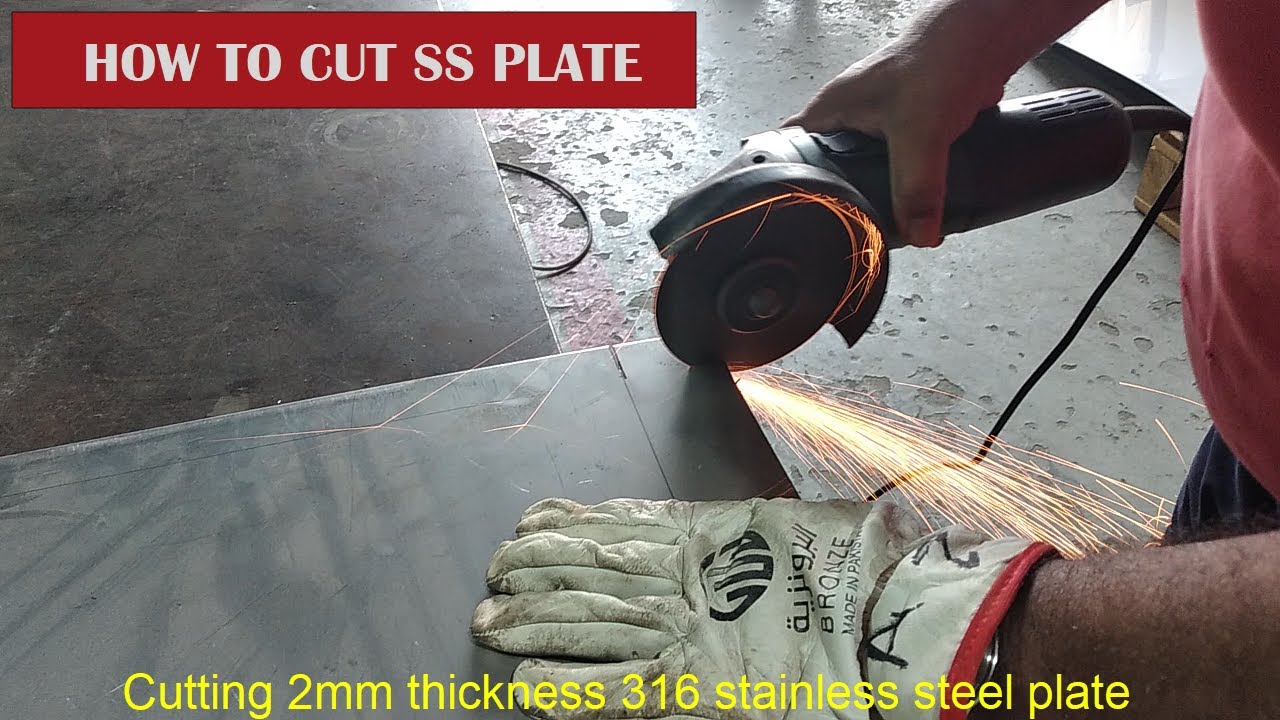
Credit: www.youtube.com
Frequently Asked Questions
What Is The Best Tool To Cut Stainless Steel With?
The best tool for cutting stainless steel is a plasma cutter. It offers precision and efficiency. For smaller projects, a power saw with carbide-tipped blades works well. Always ensure proper safety gear when using cutting tools.
What Is The Best Bit For Cutting Stainless Steel?
The best bit for cutting stainless steel is a carbide-tipped or cobalt drill bit. These bits are durable and resist heat, ensuring clean cuts. Always use cutting fluid to reduce friction and extend bit life.
Is It Better To Cut Stainless Steel Fast Or Slow?
Cut stainless steel slowly for precision and minimal heat. Fast cutting may cause damage and reduce accuracy. Use appropriate tools for best results.
Do You Need A Special Blade To Cut Stainless Steel?
Yes, you need a special blade to cut stainless steel. Use a carbide-tipped or diamond blade for precise cuts. These blades resist heat and maintain sharpness. Always ensure the blade is suitable for metal to avoid damage. Proper tools ensure clean cuts and extend blade life.
Conclusion
Cutting stainless steel sheets can be simple with the right tools. Start with basic methods like tin snips for thin sheets. Need more precision? Consider using a hacksaw or metal shears. For thicker sheets, try an angle grinder. Remember to wear safety gear.
Protective gloves and goggles are crucial. A plasma cutter offers speed and efficiency for complex cuts. Choose the method that fits your project needs. Practice makes perfect, so take your time. Stay safe and enjoy your cutting journey. Stainless steel projects can be rewarding with patience and care.
Happy cutting!
