
Imagine opening your dishwasher after a full cycle, expecting sparkling clean dishes, only to find unpleasant odors or residue lingering. It’s frustrating, right?
You might not realize it, but your dishwasher needs regular cleaning to perform at its best. Neglecting this can lead to buildup, clogs, and even a shorter lifespan for your appliance. You’re not alone if you’ve been wondering, “How do I clean a dishwasher?
” Many people overlook this simple yet crucial task. But here’s the good news: cleaning your dishwasher is easier than you think and can make a world of difference in its efficiency and longevity. In this guide, you’ll discover step-by-step instructions that are simple to follow. Plus, you’ll learn a few insider tips and tricks that ensure your dishwasher runs like new. Stick around because what you’ll learn could save you time, money, and hassle in the long run. Let’s dive in and get your dishwasher back to delivering the pristine results you deserve!
Essential Cleaning Supplies
Cleaning your dishwasher keeps it efficient. It prolongs its lifespan too. Knowing the right cleaning supplies is crucial. The right supplies ensure effective cleaning. They also prevent damage. This guide will help you gather essential cleaning items.
White Vinegar
White vinegar is a natural cleaner. It removes grease and grime. It also eliminates odors. Pour a cup in the bottom of the dishwasher. Run a hot water cycle. Your dishwasher will smell fresh.
Baking Soda
Baking soda scrubs away stains. It brightens the interior. Sprinkle a cup on the bottom. Run a short hot water cycle. This refreshes your dishwasher.
Dishwasher Cleaner
Use commercial dishwasher cleaners for tough stains. They target mineral buildup. Follow the instructions on the package. These cleaners provide a thorough clean.
Soft Brush Or Toothbrush
A soft brush cleans small parts. It reaches crevices and corners. Use it on the spray arms and seals. This ensures no residue remains.
Microfiber Cloth
Microfiber cloths dry surfaces. They leave no lint. Wipe the door and edges. This prevents water spots and streaks.
Toothpick Or Needle
A toothpick or needle clears spray arm holes. This improves water flow. Check for blockages regularly. Clean them for optimal performance.
Credit: www.homedepot.com
Pre-cleaning Preparation
Cleaning your dishwasher can seem daunting. But breaking it down helps. The first step is pre-cleaning preparation. This ensures a thorough cleaning process. Let’s dive into the essential steps.
Empty The Dishwasher
Start by removing all dishes. Check the racks and baskets. Empty them completely. This allows for easy access. It also prevents any obstruction during cleaning. Once emptied, inspect the interior.
Check For Visible Debris
Look for food particles or debris. These often hide in the filter or spray arms. Clear them out gently. Use a damp cloth or a soft brush. This step prevents clogs and ensures efficiency. Cleanliness here improves dishwasher performance.
Cleaning The Filter
Cleaning your dishwasher’s filter is essential. It ensures optimal performance and extends its lifespan. A dirty filter can lead to poor cleaning results and unpleasant odors. Regular maintenance keeps your dishwasher running smoothly and your dishes sparkling clean.
Locating The Filter
First, open the dishwasher door completely. Look for the filter at the bottom of the tub. It’s usually near the spray arm. Check your manual if you’re unsure of its location. The filter might have a round or square cover. Some models have two parts to the filter.
Removing And Rinsing
Turn the filter counterclockwise to unlock it. Gently lift it out of its compartment. Be cautious not to damage it. Rinse the filter under warm running water. Use a soft brush to remove debris and buildup. Make sure all food particles are gone. This prevents blockages and keeps your dishwasher efficient.
Cleaning The Spray Arms
Regularly cleaning the spray arms keeps your dishwasher in top shape. These arms spray water to clean your dishes. Over time, they can clog with food particles and soap residue. Cleaning them ensures your dishwasher works efficiently.
Detaching The Arms
First, locate the spray arms in your dishwasher. They are usually under the racks. To detach them, turn the arms counterclockwise. If stuck, gently wiggle them free. Always handle with care to avoid damage.
Clearing Blockages
Check each spray hole for blockages. Use a toothpick to clear any debris. Rinse under warm water to remove soap build-up. Ensure all holes are clear before reattaching. This step is crucial for efficient cleaning.
Deep Cleaning With Vinegar
Keeping your dishwasher in top shape is more than just running daily cycles. Over time, grime and food particles can build up, affecting performance. A deep clean with vinegar can make a huge difference. Vinegar is not only an excellent natural cleaner but also a safe option for your appliance. Let’s dive into how you can use vinegar to bring back the sparkle in your dishwasher.
Using A Vinegar Cycle
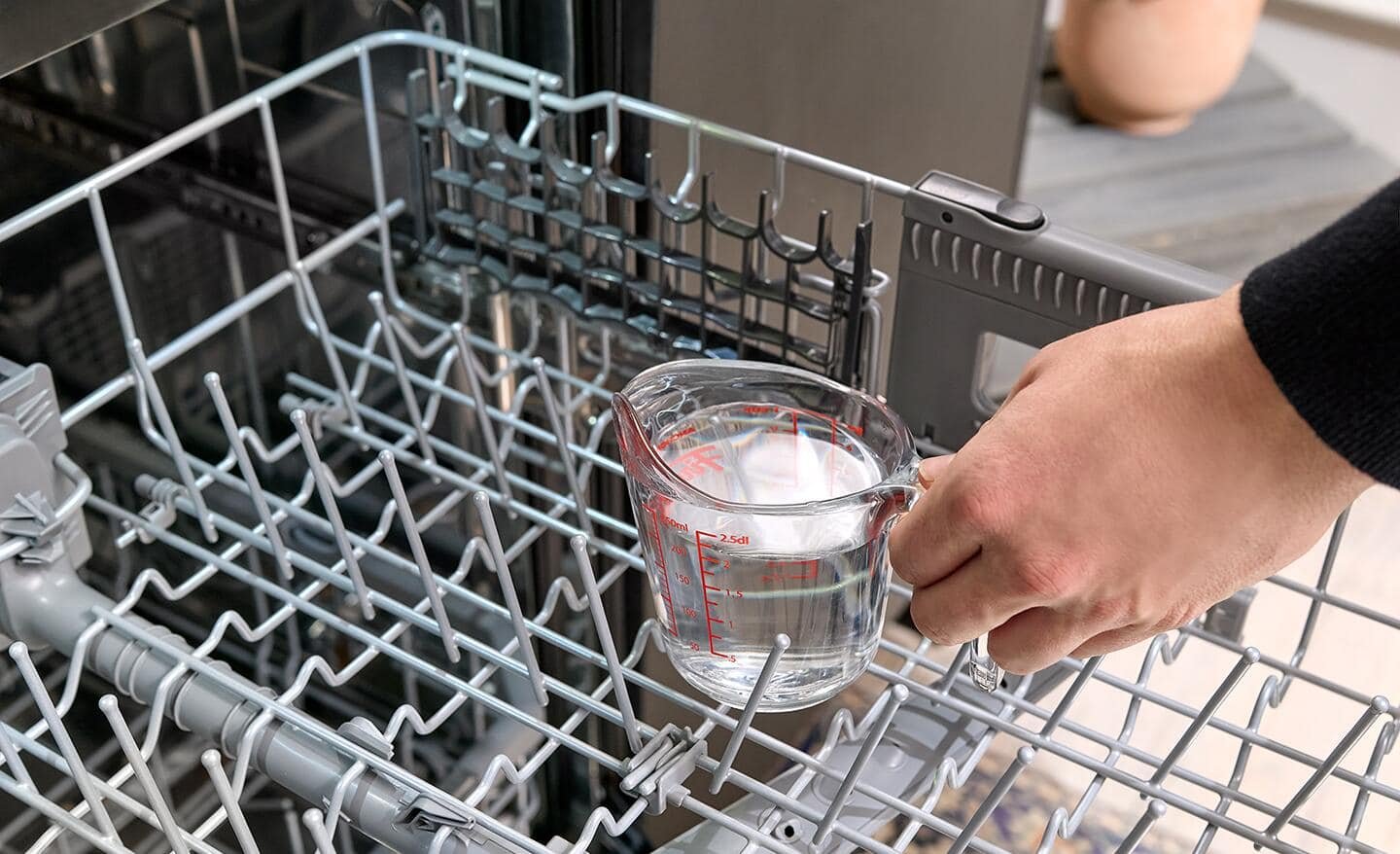
First, empty your dishwasher completely. Remove any dishes and utensils. Fill a dishwasher-safe cup with white vinegar and place it on the top rack. Run a hot water cycle. This ensures the vinegar distributes evenly, tackling those stubborn spots.
This process is straightforward and effective. If you’ve ever noticed a funky smell or residue, vinegar can be your go-to solution. It’s a simple trick that requires minimal effort but yields noticeable results.
Have you ever tried cleaning your dishwasher with vinegar? If not, it’s time to give it a shot! You might be surprised at the difference it makes.
Benefits Of Vinegar
Vinegar is a powerhouse when it comes to cleaning. It’s acidic nature helps break down mineral deposits and grease. This means fewer clogs and better performance for your dishwasher.
Additionally, vinegar is eco-friendly. Unlike harsh chemicals, it won’t harm the environment. Plus, it’s readily available and inexpensive. You don’t need special cleaners when you have vinegar.
Think about it: a clean dishwasher means cleaner dishes, and that’s something everyone wants. Using vinegar not only keeps your appliance running smoothly but also protects your investment in the long run.
So, next time you’re planning a deep clean, grab that bottle of vinegar. Your dishwasher will thank you, and you’ll enjoy spotlessly clean dishes every time!
Baking Soda For Odor Control
Dishwasher odors can be quite unpleasant. They linger and affect your kitchen’s freshness. Using baking soda is an effective method to tackle this problem. This natural ingredient neutralizes odors without harsh chemicals. It offers a simple solution to keep your dishwasher smelling fresh.
Sprinkling Baking Soda
First, remove any dishes from the dishwasher. Then, sprinkle one cup of baking soda across the bottom. Make sure to cover the entire area. This helps absorb all the unwanted smells. Baking soda is safe and won’t damage your machine.
Running A Short Cycle
After sprinkling, run a short hot water cycle. This activates the baking soda’s odor-fighting power. Let the cycle complete without adding detergent. The heat helps dissolve any lingering residues. Your dishwasher will smell noticeably fresher.
Wiping The Door And Seals
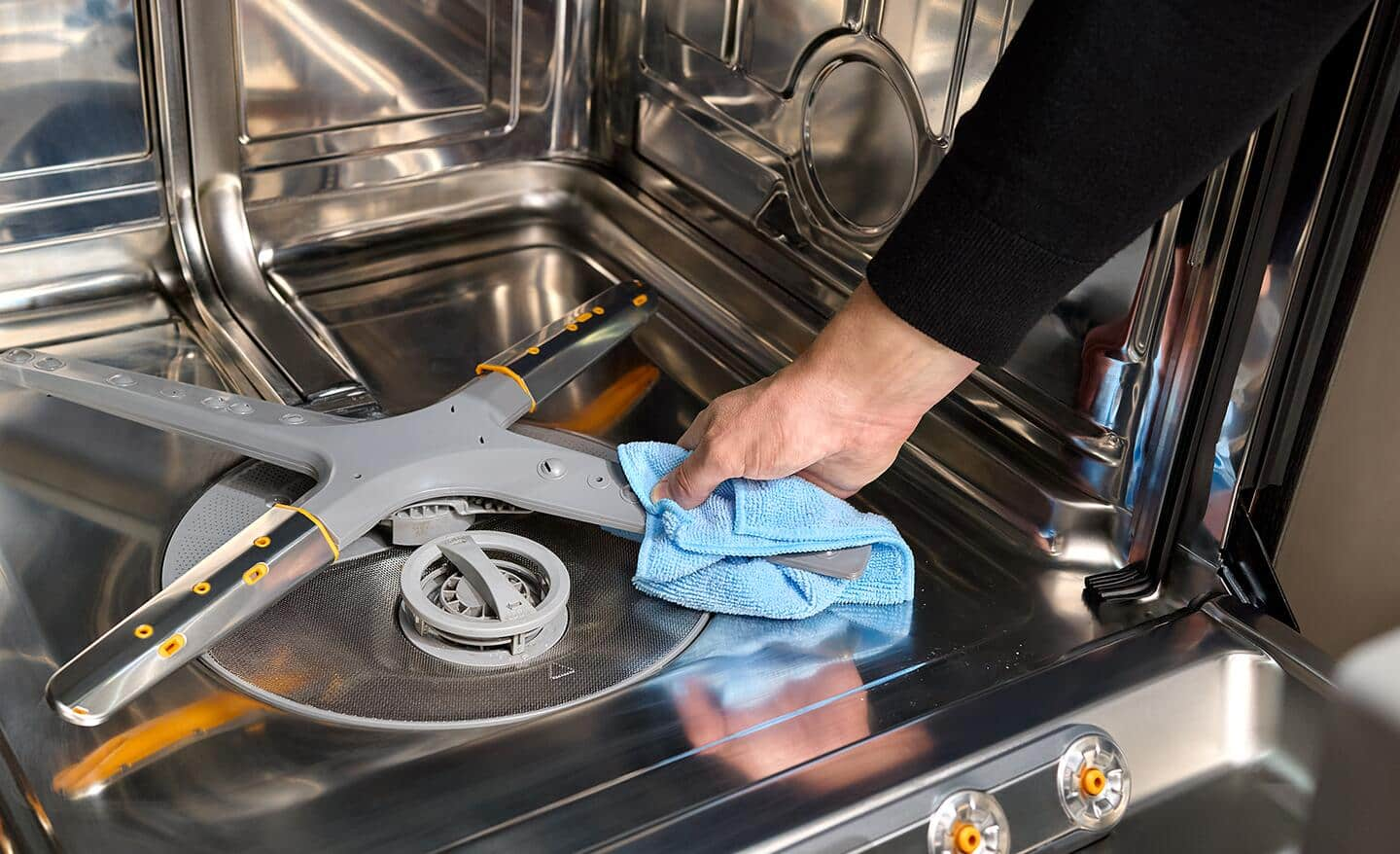
Clean the dishwasher by wiping the door and seals regularly. Use a damp cloth to remove grime and food particles. Ensure all edges and corners are thoroughly cleaned for optimal performance.
Cleaning your dishwasher might not be the most glamorous household task, but it’s essential for maintaining its efficiency and hygiene. One often overlooked area is the door and seals, where food particles and grime can build up over time. Taking a few minutes to clean these areas can prevent unpleasant odors and ensure your dishwasher works at its best. Plus, who doesn’t love a sparkling clean kitchen appliance?Focus On The Edges
The edges of your dishwasher door can be a hotspot for dirt and food debris. These areas are not washed during the dishwasher cycle, so they need your special attention. Use a damp cloth or a gentle sponge to wipe down the edges. You’ll be surprised at what you might find there. Don’t forget to check the corners, where grime loves to hide. A little warm soapy water can make a big difference.Cleaning The Seals
Dishwasher seals are crucial for preventing leaks, but they can also trap food particles and grime. Gently pull back the rubber seals and check for any hidden debris. You might find bits of food or soap scum clinging to the folds. Use a soft brush or an old toothbrush to scrub away any buildup. Be gentle to avoid damaging the seals. A clean seal not only looks better but also helps your dishwasher run smoothly. Do you remember the last time you cleaned these areas? If it’s been a while, now is a great time to start. Regular maintenance can save you from future headaches. Plus, a clean dishwasher is a happy dishwasher!/how-to-clean-the-dishwasher-1900465_07-6452d6083d11478497770f43bfd83258.jpg)
Credit: www.thespruce.com
Maintaining A Clean Dishwasher
Maintaining a clean dishwasher ensures efficient performance and longer lifespan. It’s crucial for preventing smells and residue build-up. Regular maintenance saves time and money in the long run.
Regular Cleaning Schedule
Create a weekly cleaning routine for your dishwasher. Start by removing debris from the filter. A clogged filter affects cleaning performance. Use warm soapy water to wash the filter. Next, inspect the spray arms for blockages. Clear any food particles with a toothpick or small brush. Wipe down the interior walls with a damp cloth. Vinegar helps remove stubborn stains and odors. Run an empty cycle with vinegar once a month. This keeps the dishwasher fresh.
Preventing Future Build-up
Avoid overloading your dishwasher. Overloading causes food particles to remain. Scrape off excess food before loading dishes. Use the right detergent for your dishwasher. Hard water causes mineral deposits. Consider using a water softener. Rinse dishes before placing them inside. Avoid using too much detergent. Excess detergent leads to residue build-up. Regularly check and clean the door seals. This prevents mold and mildew. Ensure the drain is clear. A blocked drain causes water to stagnate.

Credit: www.onegoodthingbyjillee.com
Frequently Asked Questions
How Do I Deep Clean The Inside Of My Dishwasher?
Remove racks and clean debris from the drain. Wipe the interior with vinegar. Run a hot cycle with vinegar.
Do Dishwashers Need To Be Cleaned?
Yes, dishwashers need regular cleaning. Residue and debris can build up over time. Clean filters and spray arms monthly. Use a dishwasher cleaner or vinegar for deep cleaning. Regular maintenance ensures efficiency and extends appliance life.
Can I Put Vinegar And Baking Soda In My Dishwasher To Clean It?
Yes, you can use vinegar and baking soda to clean your dishwasher. Sprinkle baking soda inside, run a short cycle, then add vinegar and run again to eliminate odors and residue. This combination helps maintain a fresh and efficient dishwasher.
Ensure no dishes are present during cleaning.
Is Bleach Or Vinegar Better To Clean The Dishwasher?
Vinegar is better for cleaning dishwashers due to its natural and non-toxic properties. Bleach can damage rubber seals and leave residue. Use vinegar to remove odors, stains, and mineral deposits effectively. For optimal results, run an empty cycle with a cup of vinegar monthly.
Conclusion
Cleaning your dishwasher is easy and important. Regular cleaning keeps it fresh. It lasts longer too. Start with the filter. Remove it. Rinse with warm water. Next, clean the spray arms. Make sure they are clear. Use vinegar or baking soda to clean the inside.
Run a hot cycle. This removes grime. Wipe the edges and door. Keep them dry. Remember, a clean dishwasher means clean dishes. Follow these steps monthly. Your dishwasher will thank you. Enjoy fresh, clean results every time.
