
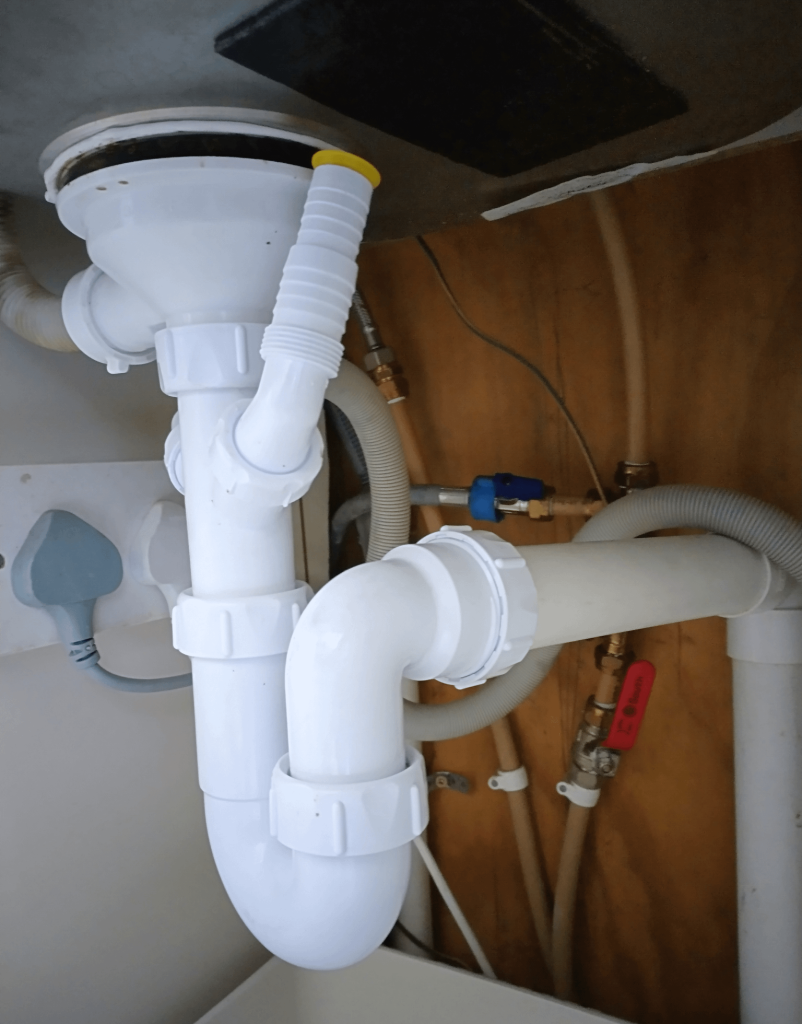
Is water dripping under your kitchen sink? That small leak might seem harmless now, but it can quickly turn into a costly problem.
You might notice a musty smell, stains, or even damage to your cabinets if it’s not fixed. Don’t ignore it—your kitchen is one of the busiest spots in your home, and a leak can disrupt everything. Keep reading to learn how to spot the signs early, understand what causes leaks, and find simple ways to protect your home before that drip becomes a disaster.

Credit: www.reddit.com
Common Causes Of Sink Leaks
Leaks under the kitchen sink cause water damage and waste. Knowing the common causes helps fix problems fast. Many leaks come from simple issues that need quick attention. This section explains the main reasons for sink leaks.
Worn Out Seals And Gaskets
Seals and gaskets stop water from escaping joints. Over time, they dry out and crack. Worn seals cannot hold water tight. This causes slow drips or steady leaks. Replacing old seals often stops leaks quickly.
Loose Or Damaged Pipes
Pipes under the sink connect water flow. Tight connections keep water inside. Pipes can loosen from vibrations or movement. Damage happens from hitting or corrosion. Loose or damaged pipes let water drip or spray out.
Clogged Drains
Drain blockages cause water to back up. Pressure builds and forces water to leak. Food scraps, grease, and soap create clogs. Slow draining or bad smells hint at blockages. Clearing clogs often stops leaks near the drain.
Faulty Faucet Components
Faucet parts wear out with use. Cartridge, washers, or O-rings may fail. Faulty parts cause drips or leaks at the base. Sometimes water leaks inside the cabinet. Fixing or replacing faucet parts solves these leaks.
Identifying The Leak Source
Finding the source of a leak under the kitchen sink is the first step to fixing it. Pinpointing the exact spot helps avoid unnecessary repairs and saves money. Leaks can come from different places, so careful checking is important.
Checking Under The Sink
Start by clearing out everything under the sink. Use a flashlight to see clearly inside the cabinet. Look for water drops, puddles, or damp spots on the cabinet floor and walls. Check the drain pipes and the trap for any cracks or loose joints. A wet smell or mold might also show where the leak hides.
Inspecting Faucet And Connections
Examine the faucet base and the water supply lines. Tighten any loose nuts or fittings with a wrench. Watch for dripping around the faucet handles and spout. Check the area where the water lines connect to the faucet. Even small drips can cause big problems over time.
Using Leak Detection Tools
Leak detection tools can make finding leaks easier. A moisture meter detects hidden dampness inside walls or under cabinets. Leak detection dye helps spot slow leaks in pipes or drains. Infrared cameras show temperature changes that water causes. These tools add precision to your inspection.
Quick Fixes For Sink Leaks
Leaks under the kitchen sink often cause water damage and waste. Quick fixes can stop small leaks fast and save money. Some fixes require simple tools and little time. Acting quickly prevents bigger problems later.
Tightening Loose Connections
Loose pipe connections often cause leaks under the sink. Use a wrench to tighten nuts and fittings gently. Avoid overtightening, which can damage pipes or seals. Check connections under the sink and tighten any that feel loose. Test for leaks by running water after tightening.
Replacing Seals And Washers
Worn seals and washers lead to dripping faucets or pipes. Turn off water supply before removing parts. Remove old seals or washers carefully. Replace with new parts of the same size and type. Reassemble and test the sink to ensure no leaks remain.
Applying Plumber’s Tape
Plumber’s tape helps seal threaded pipe joints. Wrap tape around pipe threads clockwise for a tight fit. Use multiple layers if needed, but not too thick. Screw pipe parts together after wrapping. The tape blocks water from escaping through the threads.
Using Epoxy Or Sealant
Epoxy or waterproof sealant can stop leaks in small cracks or holes. Clean and dry the leaking area before application. Apply epoxy or sealant as directed on the package. Allow it to cure fully before turning water back on. This method offers a temporary fix until permanent repair is possible.
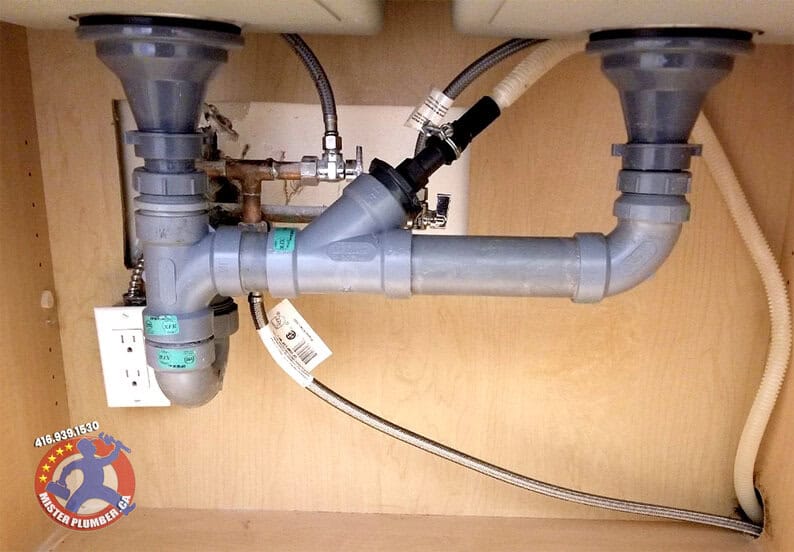
Credit: www.misterplumber.ca
Tools And Materials Needed
Fixing a leak under your kitchen sink starts with gathering the right tools and materials. Having everything ready not only saves time but also reduces frustration. You’ll want to be prepared for common issues like loose connections, worn-out seals, or damaged pipes.
Basic Plumbing Tools
Every kitchen sink repair needs a few essential tools. A pipe wrench helps you loosen or tighten pipes without damaging them. Channel lock pliers give you a good grip on nuts and fittings in tight spaces.
A basin wrench is perfect for hard-to-reach nuts behind the sink. Don’t forget a screwdriver set, as you’ll often need it to remove clamps or brackets. A flashlight can also be a lifesaver when working in dark cabinets.
Sealants And Tapes
Leaks often come from worn seals or loose joints. To stop water from escaping, you’ll need plumber’s tape (also called Teflon tape). It wraps around threaded connections to create a watertight seal.
Pipe joint compound is another option—it fills gaps and prevents leaks on threaded pipes. For small cracks or holes, silicone sealant can provide a flexible, waterproof barrier. Remember, these materials are cheap but crucial for a lasting fix.
Replacement Parts
Sometimes, a quick fix isn’t enough, and parts need replacing. Common items include washers, O-rings, and gaskets—these small components wear out over time and cause leaks. Having a set of assorted sizes on hand can save you a second trip to the hardware store.
If your leak comes from a damaged pipe or connector, you might need to replace those too. PVC pipes and fittings are easy to cut and glue, while metal parts require thread sealing and proper tightening. Think about checking your sink’s model or brand before buying parts to ensure a perfect fit.
Preventing Future Leaks
Preventing future leaks under the kitchen sink protects your home and saves money. Small leaks can cause big damage if ignored. Regular care and attention keep your plumbing strong and leak-free. Simple habits help avoid common problems and keep your sink area dry and safe.
Regular Maintenance Tips
- Check the pipes and connections for signs of wear or corrosion.
- Tighten loose fittings carefully to prevent water drips.
- Clean the sink drain regularly to avoid clogs and pressure buildup.
- Replace old washers and seals to maintain a tight seal.
- Use a plumber’s tape on threaded connections to ensure a secure fit.
Proper Use Of Sink And Fixtures
Always avoid pouring grease or thick substances down the drain. Use strainers to catch food particles and debris. Turn off faucets fully to stop slow drips. Handle the faucet knobs gently to prevent damage. Avoid leaning or placing heavy items on the sink pipes.
Routine Inspection Schedule
Set a schedule to inspect under the sink every month. Look for any damp spots or water stains. Test the faucet and pipes for leaks by running water and checking joints. Note any unusual smells or mold, which indicate hidden moisture. Early detection makes repairs easier and cheaper.

Credit: www.misterplumber.ca
When To Call A Professional
Knowing when to call a professional for a leak under your kitchen sink can save you time, money, and stress. Some leaks are simple fixes, but others hint at deeper problems that require expert attention. Ignoring these signs can lead to bigger damage and costly repairs.
Signs Of Major Plumbing Issues
Not all leaks are equal. If you notice water pooling consistently, it might be a sign of a bigger problem. Persistent moisture can damage cabinets and floors, leading to mold growth that affects your health.
Pay attention to unusual smells or discoloration under the sink. These signs often point to hidden leaks or deteriorating pipes. Also, if your water bill spikes unexpectedly, it could mean a hidden leak somewhere in your plumbing system.
- Water stains or warping on cabinets
- Musty or moldy odors
- Unexplained increase in water bills
- Dripping sounds when all faucets are off
Have you ever ignored a small drip only to find a flooded cabinet days later? That’s a clear signal to call a plumber immediately.
Complex Repairs Beyond Diy
Some leaks require more than just tightening a pipe or replacing a washer. Complex issues like damaged drain lines, broken shutoff valves, or faulty garbage disposals need specialized tools and skills. Attempting these repairs without experience can worsen the problem.
For example, replacing a corroded P-trap might seem simple, but if it’s connected to an old or corroded drain system, a professional can ensure the repair holds long-term. Professionals can also spot underlying issues that aren’t visible, preventing future leaks.
When the leak involves electrical components, such as under-sink lighting or garbage disposal units, it’s safer to get expert help. Your safety and the integrity of your home’s plumbing depend on it.
Frequently Asked Questions
What Causes Leaks Under The Kitchen Sink?
Leaks under the kitchen sink often result from worn-out pipes, loose connections, or damaged seals. Corrosion, clogs, and faulty faucets also contribute. Regular inspection helps identify these issues early. Prompt repairs prevent water damage and costly plumbing problems.
How Can I Fix A Leak Under My Kitchen Sink?
First, turn off the water supply. Inspect pipes and connections for damage or looseness. Tighten fittings or replace faulty parts like washers and seals. Use plumber’s tape for threaded joints. If unsure, consult a professional plumber to ensure proper repair.
How Do I Prevent Leaks Under The Kitchen Sink?
Regularly check pipes and fittings for signs of wear or corrosion. Avoid over-tightening connections to prevent damage. Clean the drain to prevent clogs and pressure build-up. Install a water leak detector for early warning. Routine maintenance extends sink plumbing life.
When Should I Call A Plumber For A Kitchen Sink Leak?
Call a plumber if leaks persist after basic repairs. Seek help if you notice water damage, mold, or foul odors. Professional assistance is crucial for complex plumbing issues or hard-to-reach leaks. Early intervention reduces repair costs and home damage.
Conclusion
A leak under the kitchen sink can cause big problems fast. Fixing it quickly saves water and stops damage. Check pipes often for any signs of dripping. Tighten connections or replace worn parts to keep the sink dry. Small leaks can grow if you ignore them.
Taking action now keeps your kitchen safe and clean. Simple steps can prevent costly repairs later. Stay alert and protect your home from water damage.

Hi, I’m Daniel Harper, a senior editor here at KitchenBucks.com. For over 10 years, I’ve been exploring kitchen gadgets and appliances to help people find tools that truly add value without breaking the bank. I love simplifying product choices so you can focus more on cooking and less on worrying about what to buy. When I’m not reviewing the latest gadgets, you’ll usually find me experimenting with coffee brewing or firing up the grill for a weekend barbecue.