
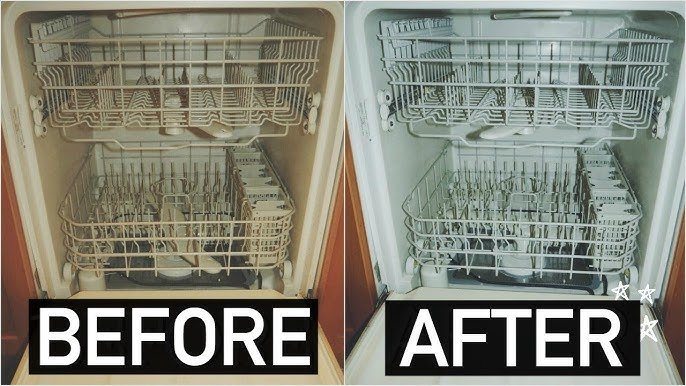
Does your dishwasher leave spots on glasses, smell musty when you open the door, or fail to get plates truly clean? You don’t need a cabinet full of harsh chemicals to fix it. Baking soda — a pantry staple you probably already have — is one of the safest, most effective cleaners for your dishwasher. It neutralizes odors, gently scrubs away grime, and won’t damage internal components.
In this guide, you’ll learn exactly how to clean your dishwasher with baking soda, step by step. We’ll cover the supplies you need, the correct technique, how often to repeat the process, and what to do when lingering problems remain.
Why Clean Your Dishwasher?
Your dishwasher works hard. Over weeks of use, food particles, soap scum, and hard-water minerals build up inside the tub, on the spray arms, and especially in the filter. This buildup can:
- Trap bacteria and cause unpleasant odors.
- Reduce water pressure, making dishes come out dirty.
- Shorten the lifespan of seals, pumps, and heating elements.
A monthly clean with baking soda removes these deposits without the risk of corrosive chemicals. It’s also cheap — a single box of baking soda costs less than a dollar and lasts for several cleanings.
Signs Your Dishwasher Needs a Deep Clean
- Odors – A sour or musty smell when you open the door is the most obvious clue.
- Visible residue – White film or brown spots on the interior, especially near the drain.
- Poor washing performance – Dishes still feel greasy or gritty after a cycle.
- Clogged spray arms – Water doesn’t spin freely, or you hear grinding noises.
- Standing water – Water pools at the bottom after a cycle finishes.
If you notice any of these, it’s time to grab the baking soda.
What You’ll Need
| Item | Purpose |
|---|---|
| 1 cup baking soda | Natural deodorizer and mild abrasive |
| White vinegar (optional) | Cuts grease and dissolves mineral deposits |
| Soft cloth or sponge | Wiping down door gaskets and corners |
| Old toothbrush or small brush | Scrubbing around the filter and spray arm holes |
| Dishwasher-safe bowl or cup | For holding vinegar if you do a deep clean |
That’s it. No expensive specialty products. No bleach.
Step 1: Prepare the Dishwasher
Before you start, remove all dishes, racks, and cutlery baskets. An empty dishwasher gives you full access to the interior.
- Pull out the bottom rack (if it’s not removable, just slide it out of the way).
- Check and empty the filter – Most dishwashers have a cylindrical or flat filter at the bottom. Twist it counterclockwise, lift it out, and rinse it under warm running water. Use an old toothbrush to dislodge trapped food. A clean filter is essential — if you need a refresher, see our guide on cleaning an internal filter.
- Inspect the drain area – Remove any visible food chunks or debris with a damp cloth.
- Check the spray arms – Make sure the small holes aren’t clogged. Poke any blockages with a toothpick.
This prep work takes only 5 minutes but dramatically improves the effectiveness of the baking soda cycle.
Step 2: Sprinkle Baking Soda and Run a Cycle
- Sprinkle 1 cup of baking soda evenly across the bottom of the empty dishwasher. Spread it into corners and around the drain area.
- Close the door and select a short, hot-water cycle (e.g., “Rinse Only” or “Light Wash”). If your dishwasher has a sanitize option, use it — the higher temperature activates the baking soda’s cleaning power.
- Let the cycle run completely. The baking soda dissolves, neutralizes odors, and gently scours away light grime.
After the cycle finishes, open the door and let the interior air-dry for a few minutes. You should already notice a fresher smell and cleaner surfaces.
Deep Cleaning: When Baking Soda Alone Isn’t Enough
If your dishwasher has heavy mineral scale, stubborn grease, or long-neglected buildup, combine baking soda with white vinegar. Do not mix them in the same cycle — they react and neutralize each other.
Vinegar Rinse (First Cycle)
- Fill a dishwasher-safe bowl or cup with 2 cups of white vinegar.
- Place it upright on the top rack.
- Run a full hot-water cycle (no baking soda yet).
- The vinegar breaks down soap scum and hard-water deposits. It also helps clear clogged spray arm holes.
Baking Soda Polish (Second Cycle)
Once the vinegar cycle finishes, sprinkle 1 cup of baking soda across the bottom. Run another short hot cycle. This two-step method is the most effective way to restore a neglected dishwasher to like-new condition.
Pro tip: After the second cycle, check the interior walls. If any white residue remains, wipe them with a damp cloth — it’s just dissolved minerals that didn’t rinse away fully.
How Often Should You Clean Your Dishwasher?
- Light cleaning (baking soda only): Every 4–6 weeks.
- Deep cleaning (vinegar + baking soda): Every 3 months, or whenever odors return.
- Filter check: Rinse the filter every 2–4 weeks, depending on usage.
A regular schedule prevents buildup from becoming stubborn. It also helps your dishwasher run more efficiently, which can lower energy and water bills over time.
Common Mistakes to Avoid
- Don’t mix vinegar and baking soda in the same cycle – They fizz and cancel each other out, leaving no cleaning benefit.
- Don’t use bleach – Bleach can damage stainless steel interiors and rubber seals. Baking soda is much safer for daily maintenance.
- Don’t skip the filter – The filter traps the largest debris. If it’s clogged, no cleaner will work well.
- Don’t overfill with baking soda – More than 1–1½ cups can create excess foam and potentially cause leaks.
Troubleshooting Persistent Problems
| Problem | Likely Cause | Solution |
|---|---|---|
| Odor won’t go away | Food trapped under the seal or in the spray arm | Remove the spray arm, soak it in vinegar, and scrub. Also wipe the door gasket with a damp cloth. |
| White film on dishes | Hard water minerals | Use a rinse aid, or run a vinegar-only cycle weekly. See our recommendations for detergents formulated for soft water. |
| Grease on plastic items | Overloaded dishwasher or low water temperature | Run the water hot in the sink before starting the cycle, and avoid blocking the spray arms. |
| Black mold around the gasket | Moisture and lack of airflow | Leave the door ajar after each cycle. Clean the gasket with a baking soda paste (3 parts baking soda : 1 part water). |
If a musty smell persists under the sink as well, the problem might be in the plumbing. Check our advice for addressing odors under the kitchen sink.
Frequently Asked Questions
Can I use baking soda and vinegar in the same load?
No. Use them in separate, consecutive cycles — vinegar first, then baking soda. Combined they lose their cleaning power and simply produce harmless salt water.
How much baking soda should I use?
One standard measuring cup (8 ounces / 227 grams) is plenty. For a very large or extra-dirty dishwasher, you can use up to 1½ cups.
Is baking soda safe for all dishwasher parts?
Yes. Baking soda is non-abrasive in the amounts recommended. It won’t scratch stainless steel, plastic, or rubber seals. The EPA’s Safer Choice program lists baking soda as a low-toxicity ingredient for household cleaning — a reliable signal that it’s gentle on both your machine and the environment.
Will this method fix a broken dishwasher?
No. Baking soda cleans, not repairs. If your dishwasher won’t start, leaks, or makes loud mechanical noises, consult a technician. Our guide to canceling a Bosch cycle may help with specific error codes, but for hardware issues, call a professional.
Conclusion
Cleaning your dishwasher with baking soda is one of the simplest, most cost-effective ways to keep it fresh and performing at its best. A single cup of baking soda, a short hot cycle, and a monthly routine will prevent odors, remove light buildup, and help your machine last longer.
For the deepest clean, pair baking soda with a vinegar rinse every three months — but never mix them together. And always start by checking and cleaning the filter; that one step solves more problems than any cleaner can.
Now, take the first step: empty your dishwasher, grab the baking soda from your pantry, and give your appliance the care it deserves. Your next load of dishes will come out sparkling — and your kitchen will smell better, too.
