
If your GE dishwasher not filling with water issue started yesterday, you're not alone. It’s one of the most common kitchen appliance frustrations. The good news?
It’s rarely a total unit failure. Most times, it’s a clogged strainer or a stuck float.
As of 2026, manufacturer specs indicate most GE models require a minimum of 20 PSI to start the fill cycle. If your supply pressure is below that, the machine thinks there’s no water. Before you open the cabinet, let’s rule out the simplest causes first.
Quick Answer
GE dishwashers fail to fill due to a closed shutoff valve, a clogged water inlet strainer, or a faulty solenoid. Check the valve under the sink first. Then clean the mesh screen on the inlet valve.
If those work, test the solenoid for resistance.
The 30-Second "Is It Just the Tap?" Check
Most fill failures trace back to the water supply line. Before touching the appliance, verify the flow at the source. A closed valve or a frozen line stops everything.
Verifying Shutoff Valves and Household Pressure
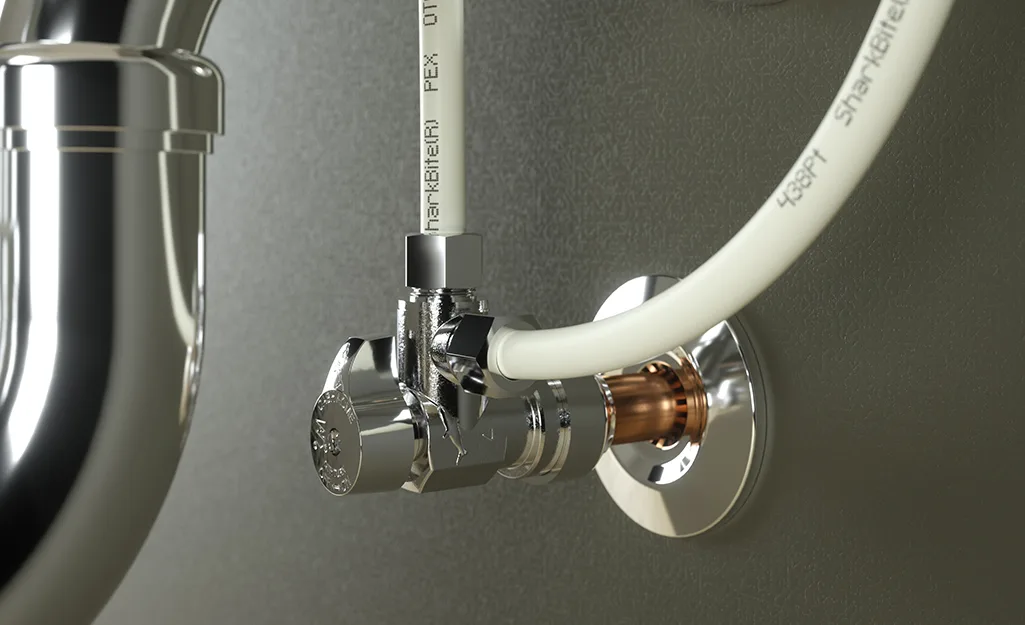
Open the cabinet under your sink. Find the quarter-turn shutoff valve dedicated to the dishwasher. It’s usually labeled "Dishwasher." Make sure it’s parallel to the pipe.
If it’s perpendicular, it’s closed. Open it fully.
Next, check the house pressure. Turn on the cold kitchen tap. If the stream is weak, your whole system has low pressure.
GE dishwashers need at least 20 PSI to trigger the fill solenoid. If your tap barely trickles, the dishwasher won’t work. This isn’t an appliance issue.
It’s a plumbing issue.
If the tap flows strong but the dishwasher still won’t fill, move to the next step. The valve is open. The pressure is fine.
The problem is inside the machine.
How GE Dishwashers Actually Pull Water
Understanding the flow helps you pinpoint the break. GE uses a three-part system. Water flows from the house line into the appliance.
The control board sends a 120V signal to the solenoid. The solenoid opens the inlet valve.
The Inlet Valve, Float Assembly, and Control Board Loop
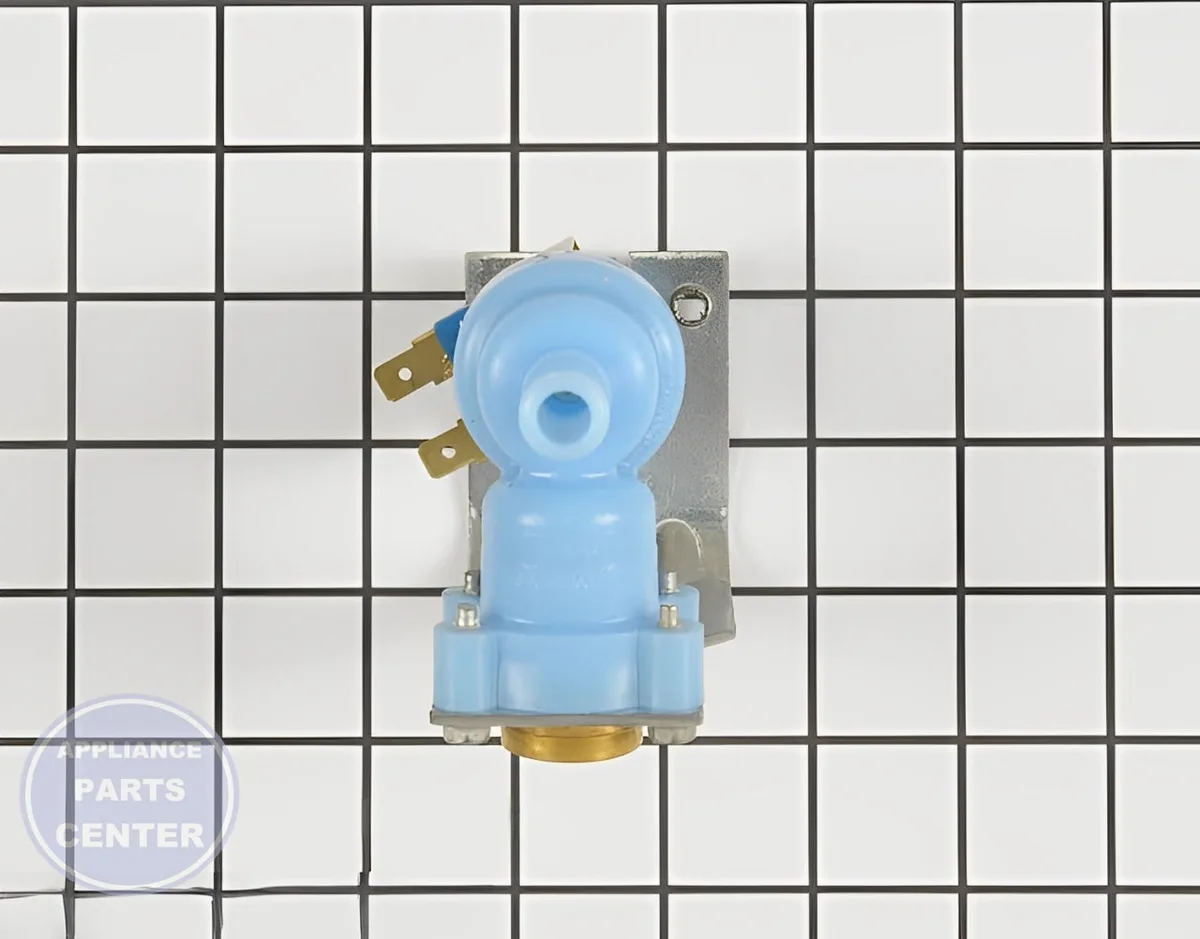
The water inlet valve is a small brass or plastic component on the lower back. It has a mesh strainer on the inlet side. Food particles or mineral buildup clog this mesh.
When clogged, water can’t pass through. The float assembly sits in the tub. It rises as water fills the unit.
If the float sticks in the up position, the board thinks the tub is full. It stops the fill early.
The control board orchestrates it all. It waits for the float signal. Then it powers the solenoid.
If the solenoid coil burns out, no current flows. The valve stays shut. You’ll hear silence instead of a hum.
Per GE service documentation, the solenoid should measure between 50 and 100 ohms. Outside that range, the part is dead. Replace it.
Mapping Your Symptoms to the Fault
Your symptom points to a specific component. Don’t guess. Match the sign to the cause.
This saves hours of trial and error.
Decision Branches: No Hum, Slow Fill, or Immediate Stop
Use this logic to narrow it down.
| Symptom | Likely Cause | First Check |
|---|---|---|
| No sound at all | Closed valve or dead solenoid | Shutoff valve position |
| Slow trickle | Clogged strainer or low pressure | Mesh screen debris |
| Stops after 1 inch | Stuck float assembly | Float free movement |
| Error code E4 | Low water pressure | House supply pressure |
| Continuous hum, no water | Kinked supply line | Hose condition |
If you hear a hum but no water, the solenoid is working. The blockage is physical. Clean the strainer.
If you hear nothing, the electrical signal isn’t reaching the valve. Check the board or the solenoid coil.
The Diagnostic Flowchart: From Strainer to Solenoid
Now you have a plan. Follow this sequence. It goes from easiest to hardest.
Start with the strainer. It’s the most common culprit.
Step-by-Step Component Testing with Multimeter Basics
First, unplug the dishwasher. Safety first. Close the shutoff valve.
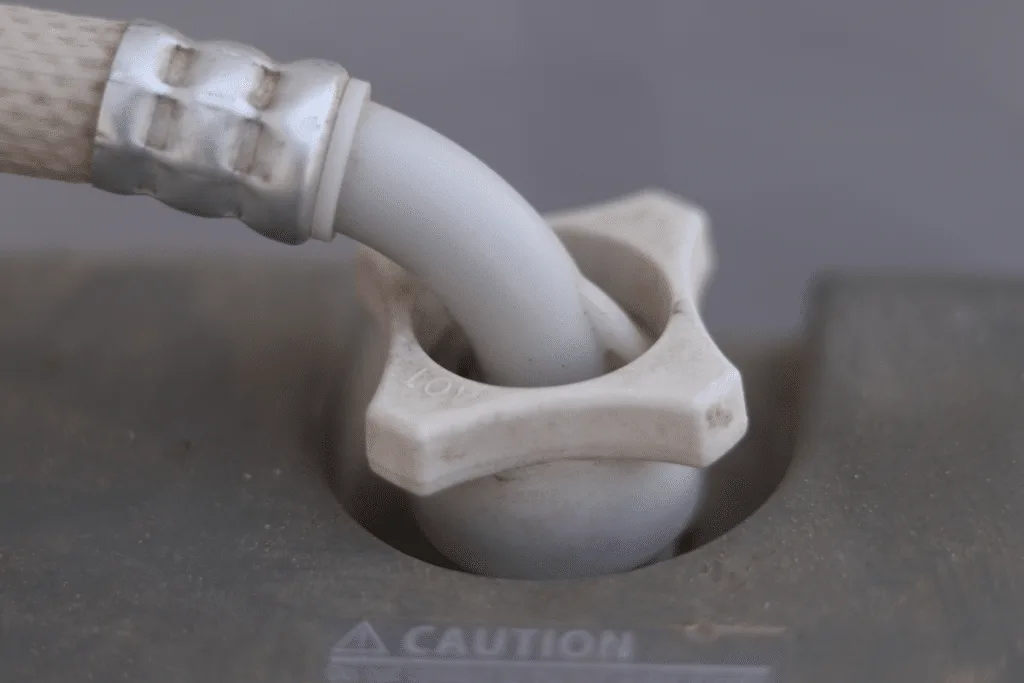
Disconnect the supply line from the inlet valve. Pull the mesh strainer out. Rinse it under hot tap water.
Remove any food or grit.
Next, test the solenoid. Disconnect the two wires from the valve. Set your multimeter to resistance (ohms).
Touch the probes to the two solenoid terminals. You want a reading between 50 and 100 ohms. If it reads infinite (OL), the coil is open.
The solenoid is dead. If it reads zero, it’s shorted. Both mean replace the valve.
Finally, check the float. Manually push the float up. It should move freely.
If it’s stuck, clean the pivot point. Mineral buildup often causes this. A stiff float sends false "full" signals.
Executing the Fix: Cleaning, Swapping, or Wiring
You’ve found the fault. Now fix it. Most repairs are DIY-friendly.
You need a screwdriver and a multimeter.
Specific Replacements for Intake Filters, Valves, and Floats
If the strainer was clogged, just reinstall it. Run a cycle. If the solenoid failed, replace the water inlet valve.
It’s a $20 to $40 part. Buy the exact GE part number from your model tag. Generic valves often don’t fit.
To swap the valve, close the water. Unplug the machine. Disconnect the two wire connectors.
Loosen the supply hose clamp. Unscrew the old valve. Thread in the new one.
Tighten with hand pressure only. Don’t overtighten. Reconnect the wires.
Open the valve. Run a cycle to prime the line.
If the float stuck, clean it. Use white vinegar on mineral deposits. Let it sit for an hour.
Rinse. Dry. Test movement.
Most clogs are debris, not failure.
Safety, Costs, and When to Call a Pro
Before you start, know the risks. Water and electricity mix poorly. Always unplug the unit.
Close the water shutoff. Keep a towel ready for minor leaks.
Electrical Hazards, Part Pricing, and Warranty Limits
Solenoids run on 120V. Do not test them while plugged in. Scalding water is a risk.
Let the unit cool before opening the tub. Part prices vary. A strainer is free.
A solenoid valve is $30. A control board is $150 to $300.
If you’re not comfortable with wiring, call a pro. Labor rates run $100 to $150 an hour. If your unit is under two years old, check the warranty.
GE often covers parts but not labor for electrical components. Use GE service manuals for model-specific codes. For general appliance care, see our guide on kitchen appliance maintenance.
Frequently Asked Questions
Why does my GE dishwasher fill slowly?
Slow filling usually means a clogged strainer or low house pressure. Clean the mesh screen under the sink. Check the tap flow.
If the tap is weak, the issue is your plumbing, not the dishwasher.
What does error code E4 mean?
Error code E4 indicates low water pressure or a fill timeout. The machine didn’t get enough water in the expected time. Check the shutoff valve and the inlet strainer first.
Can I use hot water for the supply line?
No. GE dishwashers use the cold water supply only. The machine has an internal heater.
Using a hot water line can damage the internal components and void the warranty. Always connect to the cold tap.
Is it worth replacing the control board?
Only if everything else checks out. Boards are expensive, $150 to $300. Most fill issues stem from valves or strainers.
Test cheaper parts first. Replace the board only after ruling out the solenoid and float.
How do I prime the line after replacing the valve?
Open the shutoff valve slowly. Let water flow into the hose for 10 seconds. Connect the hose to the new valve.
Run a test cycle. This pushes air out of the line and ensures a proper seal.
