
Your Miele dishwasher not filling with water is a stressful moment. Clean dishes wait while you stare at the dry rack. It feels like a major failure.
Often, the cause is a minor blockage.
Most no-fill issues stem from the inlet path. A closed valve or clogged screen stops flow. Manufacturer data shows this occurs frequently.
We will guide you through the checks. As of 2026, these fixes remain the standard solution.
For more kitchen appliance guidance, visit our homepage and explore our troubleshooting guides.
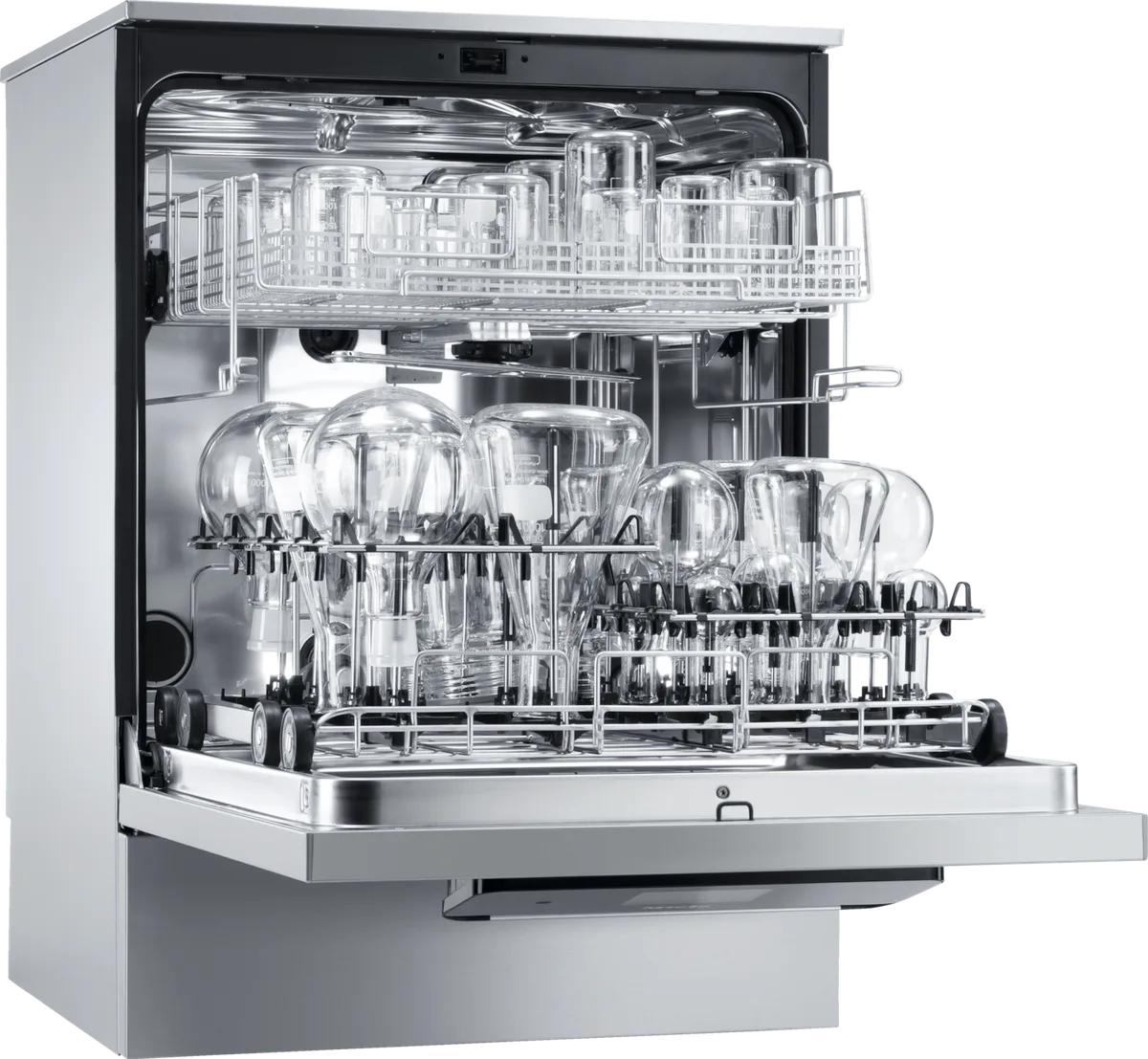
Why Your Miele Won't Fill: The Real Culprits
The Most Common Reasons
When water does not enter, specific components usually cause it. The supply valve may be closed, the hose might be kinked, a clogged filter is very common, or the float switch can get stuck.
Where Water Gets Stuck
Water travels from your home line to the dish rack. It moves through a fixed path. Leaks or blocks happen at specific points.
Knowing the path helps you find the fault.
- Supply valve is shut off
- Inlet hose is crushed
- Filter screen is clogged
- AquaStop system is engaged
- Float switch is stuck
Quick Diagnostic: Start Here Before You Touch Anything
Check These Three Points First
Before opening any panels, check three things. First, ensure the water valve is fully open. Second, inspect the hose for sharp bends or crushes.
Third, listen to the machine, silence means no flow, a hum means the valve is opening.
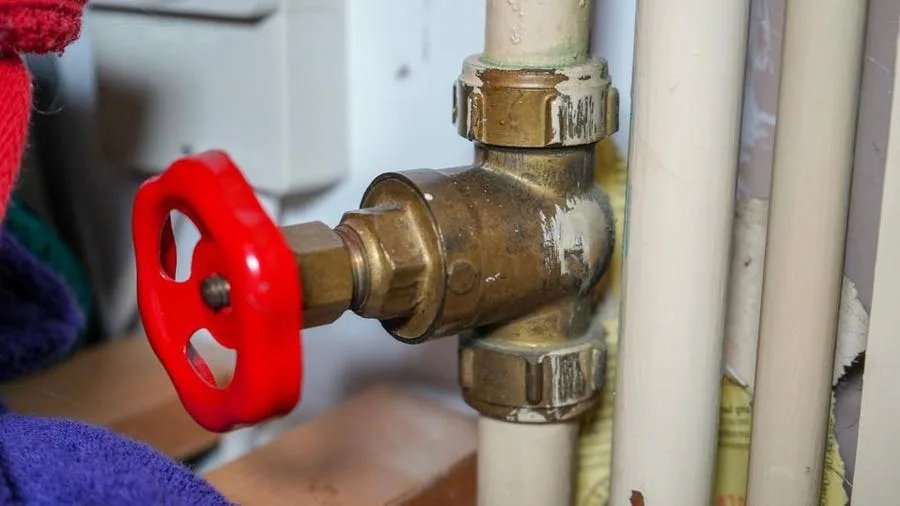
Safety First: Power and Water
Always kill power before touching components using the breaker or switch, then shut off the water supply. This prevents accidental flooding. If water is running, stop and let it drain into a bucket.
Remember, safety comes before speed.
How the Miele Fill System Actually Works
Understanding the Inlet Assembly
Miele uses a specific inlet design that connects the hose to the tub. A float switch monitors water level and shuts off the supply when it rises, preventing overflow. The system relies on clean filters.
The Role of AquaStop
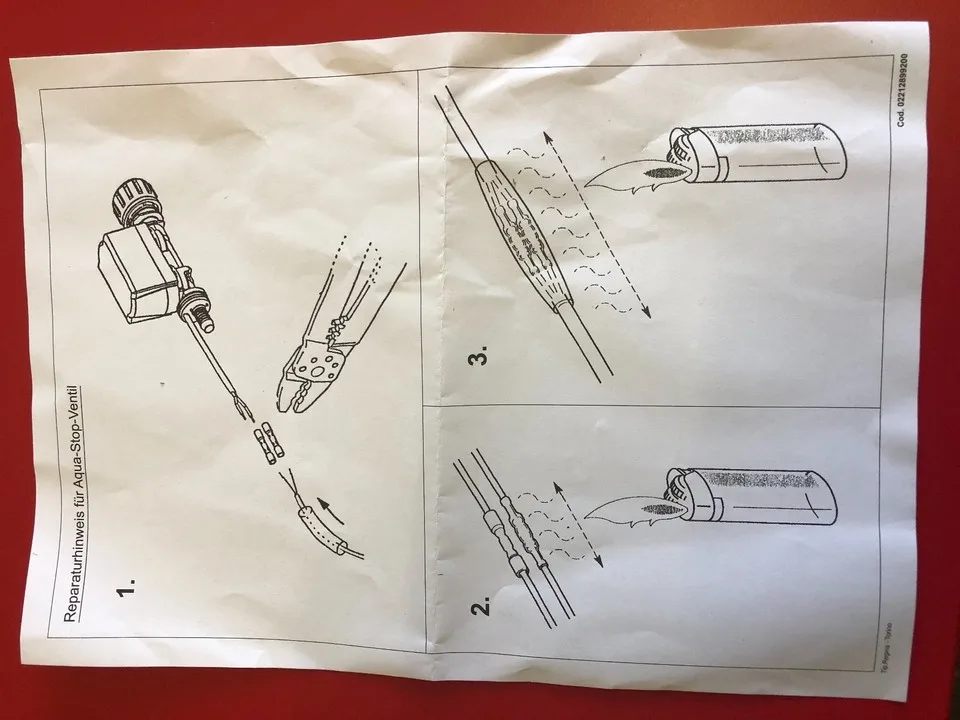
Miele adds an AquaStop layer that detects leaks outside the tub and cuts supply if water pools, protecting your floor. Sometimes a false trigger blocks filling, requiring a reset. Check the base for standing water.
Minimum Pressure Requirements
Your home line needs enough pressure. Manufacturer data suggests a minimum of 20 psi. If pressure is low, the valve won't open.
Check other faucets first. If they run weak, call a plumber, as this is not a Miele issue.
Step-by-Step Troubleshooting Flow
Follow This Decision Tree
Work through these steps in order, skipping a step only if confirmed good. Start simple and move to complex. This saves time and money.
Do not guess, diagnose logically.
- Verify the supply valve is open.
- Inspect the inlet hose for kinks.
- Disconnect the hose and remove the filter.
- Clean the filter under running water.
- Check the float switch movement.
- Reassemble and run a test cycle.
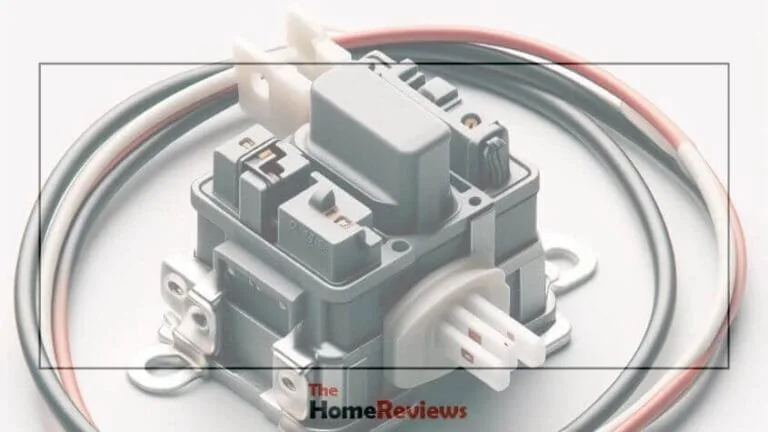
What To Look For
At each step, look for signs: a clogged filter shows debris, a stuck float feels gritty, and a faulty valve makes no sound. Observe the results before moving on. This method works for most users.
Common Mistakes That Make It Worse
Forcing Parts or Skipping Safety
Do not force the filter back in, as it can crack the seal. Never skip the power-off step. Electric shock is a real risk.
Rushing causes damage, so take your time and read the labels on the components.
Using the Wrong Tools
Standard pliers can crush hoses, so use adjustable wrenches for nuts. Hand-tighten most Miele connections, as overtightening strips threads. If you are unsure, stop and call for help.
Better safe than sorry.
Ignoring Error Codes
Miele displays codes on the panel, with E:02 often relating to water. Check the manual for your model. Ignoring it at your peril misses the root cause.
This helps you avoid random guessing.
When to Stop and Call a Technician
Signs the Inlet Valve Needs Replacement
If you hear a humming sound but no water enters, the valve may be electrically powered but mechanically stuck. A multimeter test showing no continuity across the solenoid confirms failure. Replacing the valve requires accessing the lower panel and disconnecting the harness.
If you are not comfortable working with live components, stop.
When the Control Board Is Suspected
The fill cycle is initiated by the main control board; if the valve and hose check out yet the machine still does not fill, the board may not be sending voltage. This diagnosis requires specialized equipment, as attempting replacement without proper testing can lead to unnecessary expense. A technician can verify the signal and replace the board if needed.
Persistent AquaStop Activation
AquaStop engages when it detects water in the base pan. If you have cleared the pan, checked for leaks, and the system still trips, the sensor may be faulty. Continuing to bypass the protection risks flooding.
A service technician can test the sensor circuit and replace the unit if it is defective.
Electrical Safety Concerns
Any work involving the power cord, internal wiring, or the control board carries shock risk. If you notice burnt smells, melted connectors, or tripped breakers, disconnect the machine immediately. These symptoms point to a serious fault that should only be handled by a certified technician.
Do not attempt to repair internal wiring yourself.
Warranty and Service Considerations
Check your purchase date and warranty status before opening the machine, as many Miele models carry a two-year parts and labor warranty. Opening the sealed tub or tampering with the AquaStop system can void that coverage. If the unit is still under warranty, contact Miele support for an authorized repair to protect your investment and ensure genuine parts are used.
Frequently Asked Questions
Does Miele only use cold water?
Yes, Miele dishwashers typically use cold water, as the internal heater raises the temperature. Check your manual for specific models; some hybrid setups may use hot, though cold is the standard entry point.
How often should I clean the inlet filter?
Clean it every three to six months, as harder water clogs it faster. A visual check takes two minutes and prevents no-fill issues early; keep the screen clean and dry.
Can a stuck float cause no-fill?
Yes, a stuck float can stop filling, as it acts as a level sensor. If it stays down, water fills; if it sticks up, no water. Gently wiggle it to test and clean debris from the channel.
What does error code E:02 mean?
E:02 usually indicates a water supply issue, covering low pressure or blockages. Check the valve and filter first, as clearing these often resets the code. Then run a test cycle to confirm.
Is it safe to use hot water?
Most Miele models prefer cold supply, as hot water can affect detergent and may degrade internal seals over time. Check your specific model manual; cold water is the safe default.
For more maintenance tips, check our kitchen tools gadgets. You can find similar advice in our blog. Our contact us page helps if you need support.
See terms conditions for details. Read our privacy policy. Visit our home for the latest updates.
Check our disclosure for transparency. Explore our cookware and bakeware sections.
For reliable appliance care, refer to ANSI standards for dishwasher safety. These standards cover safety and performance expectations for household appliances.
