
A KitchenAid dishwasher not filling with water is usually a plumbing issue, a stuck switch, or a failed inlet valve. The good news is that most causes are simple to isolate without taking the whole appliance apart. The fix often takes less than twenty minutes if you follow the steps in the right order.
As of 2026, KitchenAid models use error codes like F8E1 when the fill cycle fails, and they require a minimum of about 20 psi water pressure. That pressure requirement matters because weak flow can trip the same no-fill behavior as a broken part. Below is the fastest path from symptom to fix.
Quick Answer
A KitchenAid dishwasher not filling with water usually means the inlet filter is clogged, the float switch is stuck, or the water inlet valve has failed. Check the supply pressure first. If that is fine, inspect the filter and float.
If you hear a hum but no water arrives, test the valve.
Why Your KitchenAid Dishwasher Isn't Filling With Water
The water inlet valve opens only when the control board sends a 120V signal. If that valve fails, no water enters the tub. The float switch also matters because it tells the board when the tub is full.
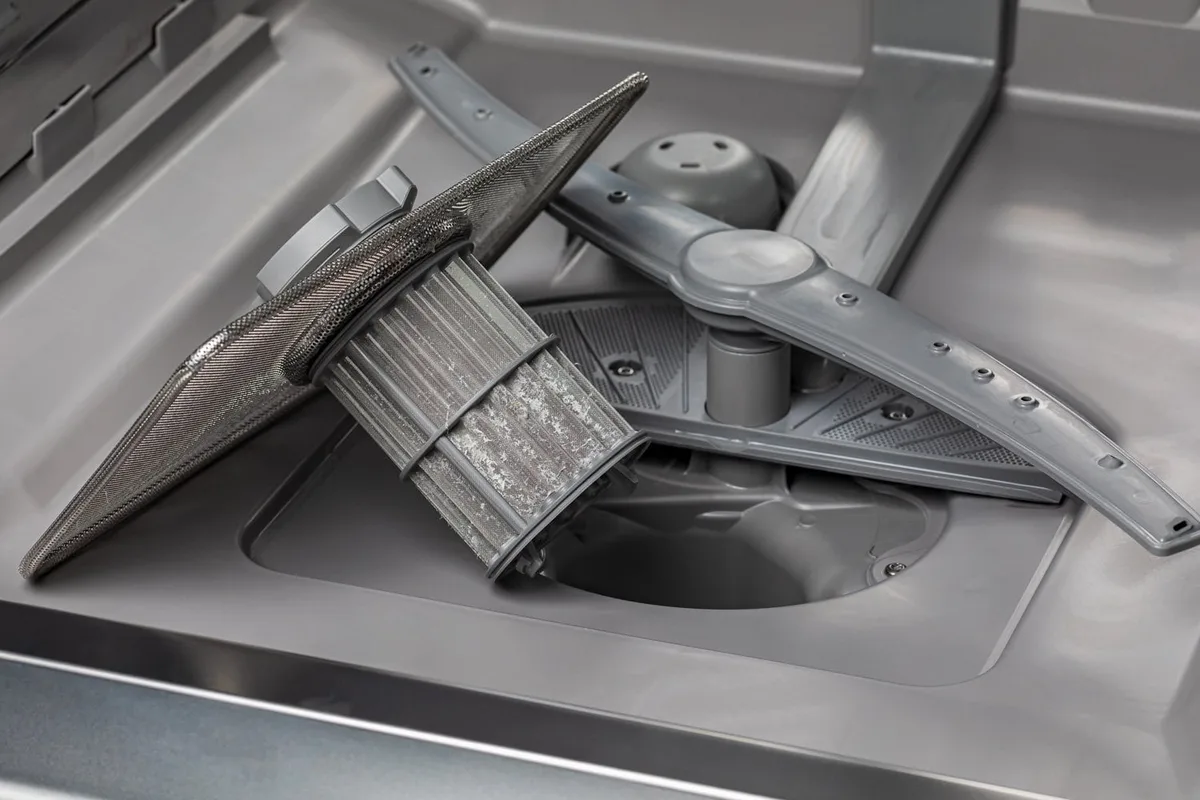
The inlet filter is the most common failure point. Mineral deposits and sediment clog it over time. When the screen is blocked, the dishwasher can hear the valve try to open, but it cannot pull enough water through.
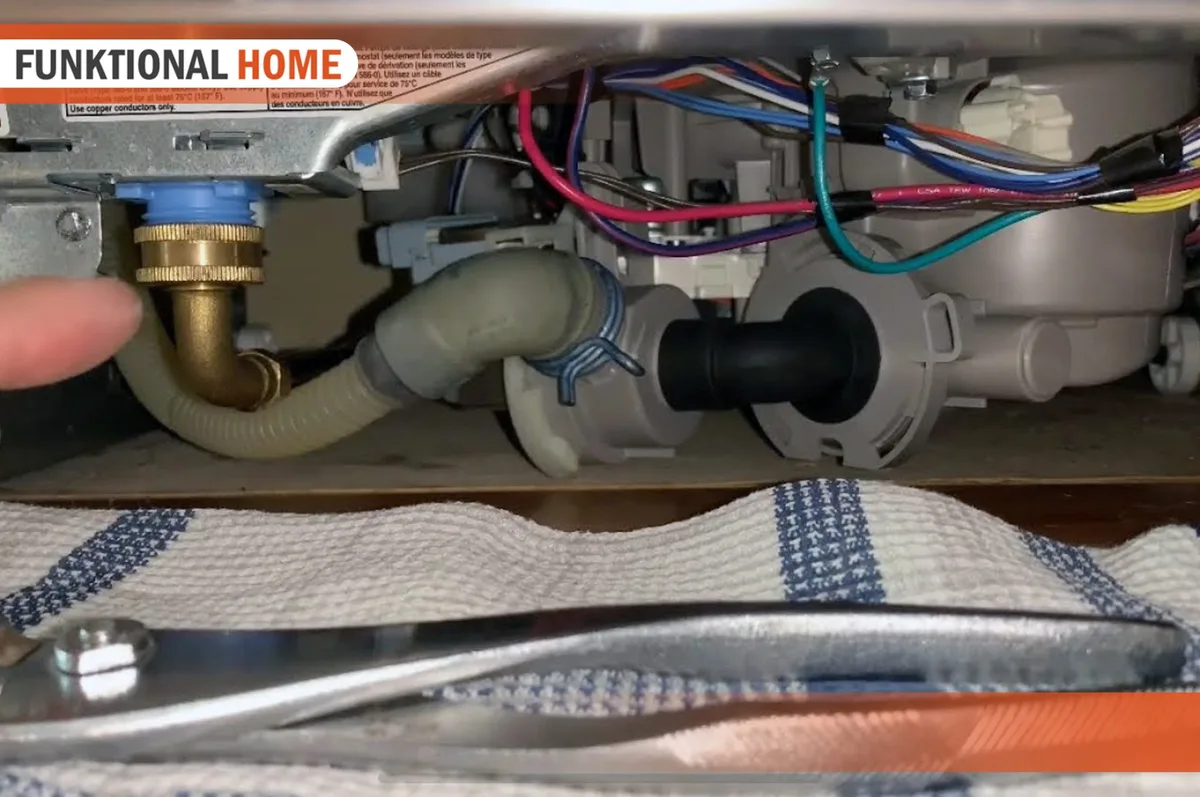
First Checks: Water Supply, Door Latch, and Float Switch
Start with the basics before opening the cabinet. Turn off the dishwasher and shut the supply valve under the sink. Run the sink faucet for a few seconds to confirm pressure.
If the faucet flows weakly, the issue is your home plumbing, not the appliance. If the pressure is strong, check the door latch next. The dishwasher needs to sense a secure door before it will allow water intake.
The float switch sits at the bottom of the tub. If it is stuck up, the board thinks the tub is already full. Gently press it down.
It should move freely and spring back.
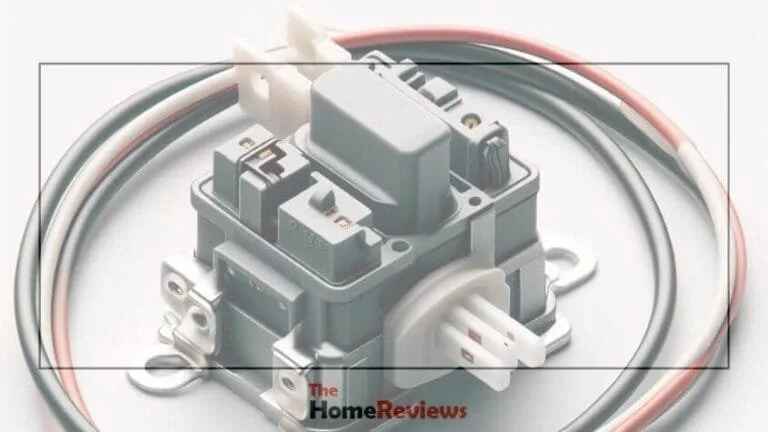
Step-by-Step Troubleshooting Flow: From Inlet Filter to Valve Test
Disconnect the inlet hose from the back of the dishwasher. You should see a small mesh screen at the hose inlet. Clean it under running water.
Rinse out any rust or scale.
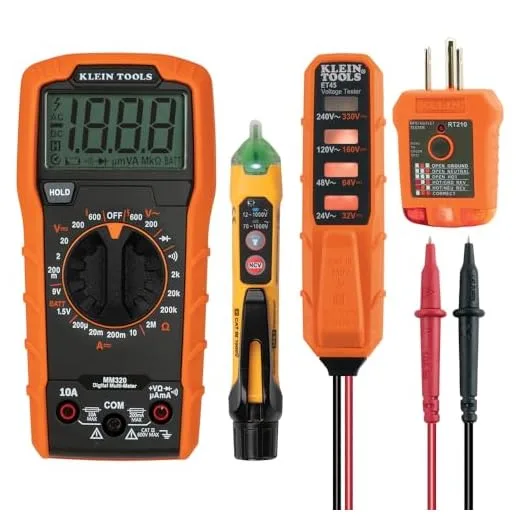
If the screen is clear, reattach the hose and listen for a hum. A hum with no flow usually points to a dead valve solenoid. Test it with a multimeter on resistance.
You typically want a reading in the 500 to 1500 ohm range.
If the reading is infinite, the valve is burnt out. Replace it. If the reading is within range but water still does not arrive, check the float switch and door switch next.
Common Mistakes That Waste Time and Money
The biggest mistake is skipping the water supply check. A weak household pressure can mimic a bad valve perfectly. If the faucet flows poorly, you are chasing the wrong part.
Another common error is ignoring the float switch. People buy new valves when a jammed plastic paddle was the cause. That wastes money and time.
Always test the mechanical parts first.
Forcing water into the tub is also a bad idea. It bypasses safety sensors and can flood your kitchen. Stick to the diagnostic flow.
You will find the root cause faster this way.
Pro Tips to Speed Up Diagnosis and Avoid Repeat Issues
Clean the inlet filter every six to twelve months. If you have well water or hard water, shorten that interval. A quick rinse prevents most no-fill issues before they start.
If you have mineral buildup, check the rubber gasket on the valve while you are replacing the part. A worn seal can leak after the fix. Replacing it is cheap and saves you a messy redo.
For general appliance care, see the routine upkeep for major units. Keeping your kitchen appliances in good condition prevents many small failures from turning into bigger ones.
Frequently Asked Questions
How do I know if the float switch is causing the fill problem?
If the float is stuck up, the board thinks the tub is already full and will not open the valve. Push the float down gently. It should move smoothly and spring back.
A stuck or clicking switch is a likely cause.
Can low water pressure from my home cause the dishwasher to stop filling?
Yes. KitchenAid dishwashers need enough supply pressure to pull water through the inlet valve. If the sink faucet flows weakly, the problem may be in your plumbing.
Check other fixtures before assuming the dishwasher is at fault.
Is it safe to test the water inlet valve with a multimeter while the dishwasher is plugged in?
No. Disconnect power first. Set the meter to resistance and probe the valve terminals.
Look for a reading in the normal range. Infinite resistance means the solenoid coil is dead.
How often should I clean the inlet filter to prevent future issues?
Every six months for most homes. Every three months if you use well water or live in a hard-water area. A quick rinse removes most sediment and keeps flow steady.
What error code appears when the dishwasher times out waiting for water?
Many KitchenAid models show an F8E1 code when the fill cycle times out. That usually points to a clogged inlet, a failed valve, or a stuck float. Clear the root cause and the code should go away.
Final Decision Guide: When to Fix It Yourself vs. Call a Pro
Fix it yourself if the problem traces to a clogged filter, a stuck float, or a bad valve. Those are straightforward repairs for most comfortable DIYers. Follow the steps in order and avoid extra disassembly.
Call a pro if the valve is replaced and the machine still will not fill. That points to a control board or wiring issue. Also call if you see water leaking around the inlet or feel uncomfortable working near live electrical components.
Do not bypass the float switch and do not force water into the tub. Both create a flood risk and can compromise safety. Test the appliance on a short cycle after any repair.
If the machine fills and runs normally, you are done.
