
Corner cabinet organizer cleaning tips can turn a frustrating chore into a quick, satisfying task. These spaces collect dust, crumbs, and spills faster than any other kitchen storage, but the right approach makes them easy to maintain. Manufacturer specs confirm that most corner organizers last 5, 10 years with proper care, yet many fail early because of neglected cleaning.
The trick is matching your method to the organizer type, since lazy Susans, pull-out shelves, and swing-out racks all have different trouble spots. Here’s how to tackle them without wasting time or damaging finishes.
corner cabinet organizer cleaning tips
Start by emptying the cabinet completely. Use a vacuum with a crevice tool to remove debris from tracks and hinges. Wipe surfaces with a damp microfiber cloth and mild dish soap.
Dry thoroughly to prevent water damage. Avoid abrasive cleaners on wood or metal finishes.
Why Corner Cabinet Organizers Are a Cleaning Nightmare (And How to Fix It)
Corner cabinets trap dust and spills in spots your hands can’t reach. Lazy Susans spin but leave grime in the center pivot. Pull-out shelves collect crumbs in their grooves.
Swing-out racks often have tight gaps where grease builds up.
The fix is simple: work in stages. Dust first, then wipe, then dry. This prevents pushing dirt deeper into mechanisms.
Most issues come from skipping the dusting step, which turns a 10-minute job into a 30-minute scrub.
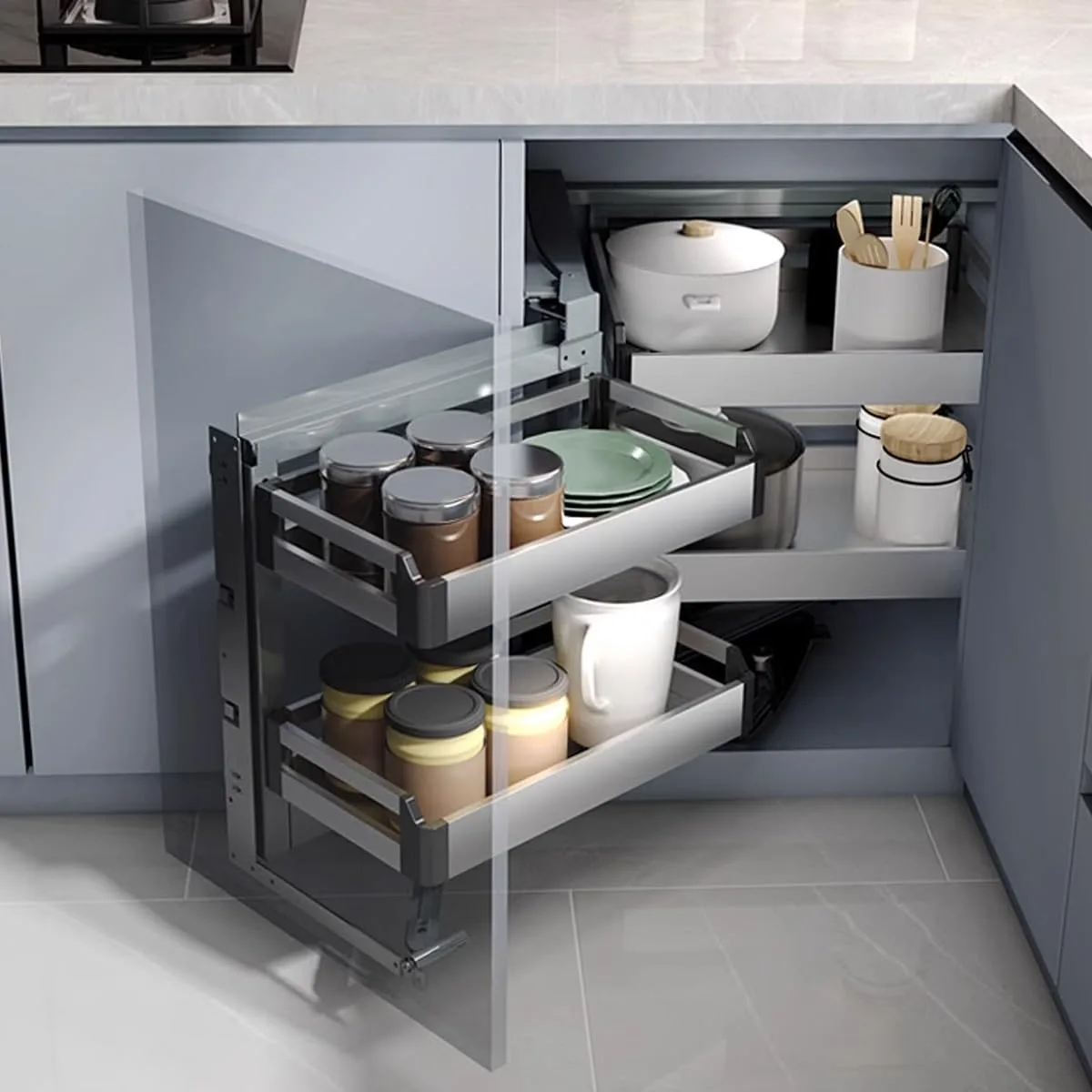
Image source: Bing (Web (fair-use with source credit))
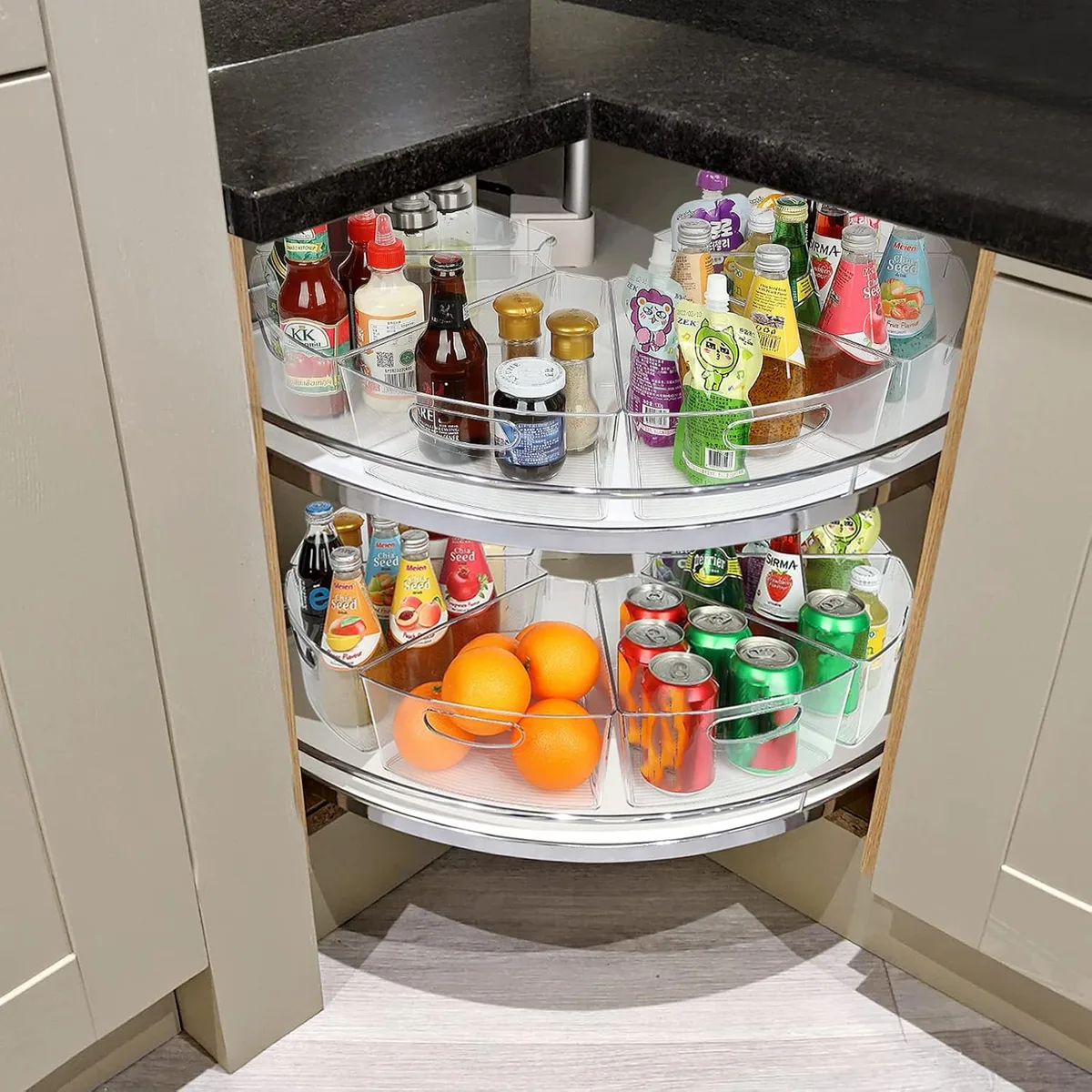
Image source: Web (Bing) / ubuy.cl (Web image (fair-use with source credit))
The 3 Types of Corner Organizers and Their Cleaning Quirks
Not all corner organizers clean the same. Each type has its own weak points and requires a slightly different approach.
Lazy Susans have a central pivot that collects grime. The spinning mechanism can also hide dust underneath. To clean, lift the turntable if possible, or use a thin brush to reach the base.
Avoid soaking the pivot, as water can cause rust in metal models.
Pull-out shelves slide on tracks that gather crumbs and debris. The grooves in the slides need regular vacuuming to prevent jams. Wipe the shelves themselves with a damp cloth, but dry the tracks immediately to avoid corrosion.
Swing-out racks often have wire or plastic baskets with tight spaces. These are best cleaned with a soft-bristle brush or compressed air to dislodge stuck-on dirt. Check the hinges monthly for stiffness, as dust buildup can limit movement.
Step-by-Step Cleaning Guide for Each Organizer Type
For Lazy Susans:
Remove all items and lift the turntable if it’s detachable. Wipe the base with a damp cloth and mild cleaner. Use a cotton swab for the pivot area.
Dry with a towel before replacing items.
For Pull-out Shelves:
Pull the shelf all the way out and vacuum the tracks. Wipe the shelf with a soapy cloth, then rinse with a damp sponge. Dry the tracks with a towel to prevent rust.
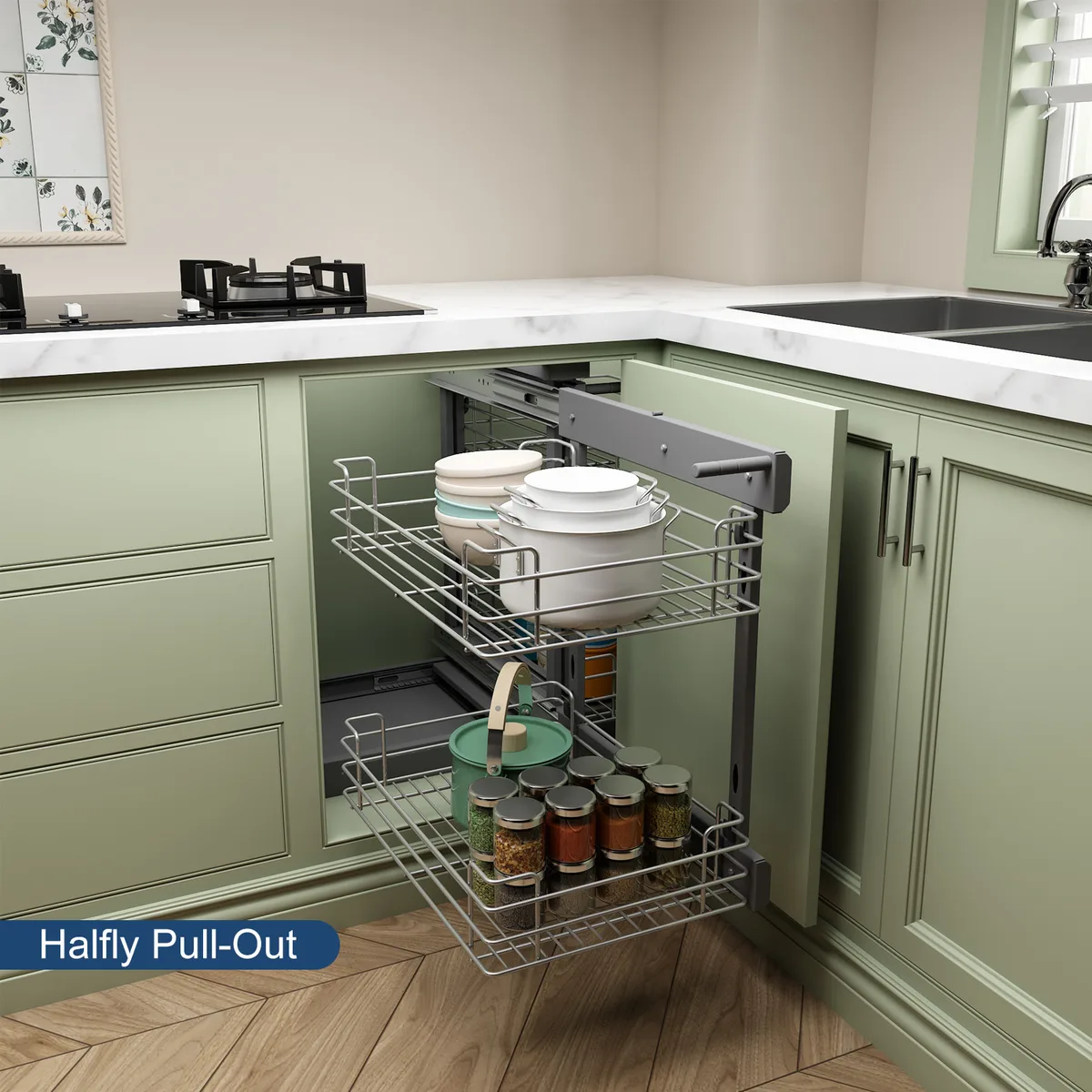
Image source: Web (Bing) / storage.googleapis.com (Web image (fair-use with source credit))
For Swing-out Racks:
Unload the rack and swing it fully open. Use a brush to clean between the wires or plastic slats. Wipe the hinges with a dry cloth, then apply a drop of silicone lubricant if they squeak.
Tools and Cleaners That Work (And What to Avoid)
| Tool/Cleaner | Best For | Avoid On |
|---|---|---|
| Microfiber cloth | All surfaces | None |
| Soft-bristle brush | Tracks, hinges, wires | Delicate glass |
| Vacuum crevice tool | Dust in tight spaces | Wet surfaces |
| Mild dish soap | General cleaning | Unsealed wood |
| White vinegar | Grease, stains | Natural stone |
| Silicone lubricant | Squeaky hinges/tracks | Food contact areas |
Harsh chemicals like bleach or ammonia can damage finishes. Abrasive pads scratch metal and wood. Always test cleaners on a hidden spot first.

Image source: Web (Bing) / amazon.in (Web image (fair-use with source credit))
Pro Tips for Hard-to-Reach Spots and Stubborn Messes
Use a cotton swab for tight pivots on lazy Susans. A toothbrush works for track grooves on pull-out shelves. Compressed air blows dust out of hinges without disassembly.
For stuck-on grease, a paste of baking soda and water sits for 5 minutes before wiping. Vinegar cuts through grime on metal racks but rinse it off quickly to avoid corrosion. Always dry wood surfaces within minutes to prevent warping.
Maintenance Routine to Keep Them Like New
Wipe down organizers weekly with a dry cloth. Deep clean monthly with a damp cloth and mild cleaner. Check hardware every 6 months for loose screws or stiff tracks.
Lubricate metal tracks with silicone spray annually. Reapply wood polish to wooden organizers as needed. Store heavy items on lower shelves to prevent strain on mechanisms.
Frequently Asked Questions
How often should I clean my corner cabinet organizers?
Aim for a quick wipe-down weekly to prevent dust buildup. Do a deep clean monthly, especially for high-use areas like kitchen cabinets. This keeps mechanisms running smoothly and prevents long-term grime buildup.
Can I use bleach to clean my corner cabinet organizers?
No. Bleach can damage wood finishes, discolor metal, and weaken plastic over time. Stick to mild dish soap, vinegar, or dedicated wood cleaners for safe, effective results.
Why does my lazy Susan keep getting stuck?
Dust and debris often collect in the pivot mechanism, causing friction. Lift the turntable and clean the base regularly. If the issue persists, a drop of silicone lubricant can restore smooth rotation.
What’s the best way to clean metal tracks on pull-out shelves?
Vacuum the tracks first to remove loose debris. Then wipe them with a damp cloth and mild cleaner. Dry immediately to prevent rust, and apply a thin layer of silicone spray if they squeak.
How do I prevent water damage to wooden organizers?
Always dry wood surfaces immediately after cleaning. Use a damp, not soaking, cloth, and avoid harsh chemicals. Reapply wood polish or sealant annually to maintain protection.
