
So your Electrolux dishwasher is too loud. Again. That rumbling, grinding, clattering sound that makes every cycle feel like a construction project going on in your kitchen.
You're not alone, and honestly, it's usually fixable without calling a repair person.
Most noise problems in Electrolux dishwashers trace back to one of a handful of common causes. The tricky part is that different sounds point to completely different problems, a grinding noise has nothing to do with a rattling one. Once you learn to identify what the noise is telling you, fixing it becomes straightforward.
Here's the practical breakdown.
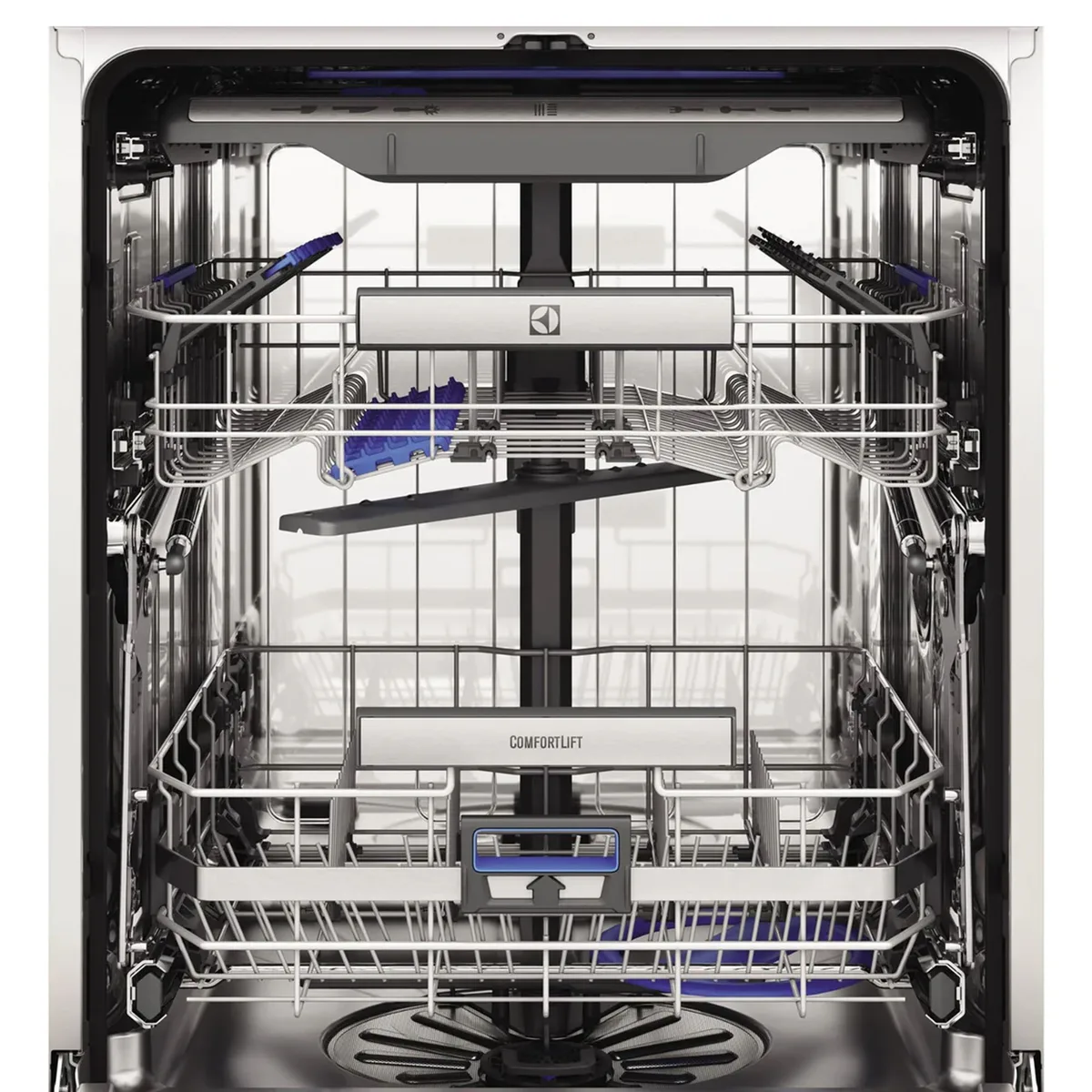
Image source: Web (Bing) / binglee.com.au (Web image (fair-use with source credit))
Why Your Electrolux Dishwasher Is Too Loud (And What Each Sound Actually Means)
A loud dishwasher isn't just annoying, it's a signal. Every type of noise your Electrolux makes points to a specific problem underneath the tub or behind the panels. Understanding what the sound means saves you from guessing, wasting money on wrong parts, or ignoring something that'll get worse.
Electrolux dishwashers run on a water circulation system. A pump pushes water through spray arms, and a drain pump clears it out. When any part of that system wears out, gets blocked, or isn't mounted properly, the result is noise.
The key is learning the difference between a normal operating hum and a warning sign.
Here's a quick reference for what each sound usually means:
| Sound Type | What It Likely Means | Urgency Level |
|---|---|---|
| Low rumble or vibration | Loose mounting, unlevel feet, or items touching the tub | Low — easy fix |
| Metallic grinding | Worn wash impeller or spray arm bearing | Medium — fix soon |
| Rattling or clattering | Debris in filter, loose spray arm, or broken component | Low to medium |
| High-pitched whine | Failing drain pump bearing | Medium — address before total failure |
| Loud humming with no drainage | Blocked drain line or air gap | Medium |
| Clicking or ticking during cycles | Normal pump engagement | None — this is expected |
The machine doesn't yell at you until something's already worn. Catching noise early means the difference between a twenty-minute DIY fix and a $300 repair bill. If you're noticing any of these sounds consistently, don't brush it off.
The next section covers the three quick checks that solve the majority of noise complaints.
The 3-Minute Fixes Most People Miss
Most loud Electrolux dishwashers fail at one of three things: they're out of level, the filter is clogged, or something's physically blocking the spray arms. These take less than ten minutes to check, cost nothing, and solve maybe half the noise complaints out there.
Start with leveling. An unlevel dishwasher transfers vibration directly into the cabinetry and floor. That rumble you hear?
Half the time it's just the unit rocking on its feet. Grab a spirit level and place it on top of the dishwasher or on the open door lip. If the bubble isn't centered, you've found the problem.
Loosen the locking nuts on the front adjustable legs, then turn the legs until the unit sits perfectly level side-to-side and front-to-back. Tighten the locking nuts back down firmly. Run a short cycle and listen.
If the rumble dropped significantly, you're done here.
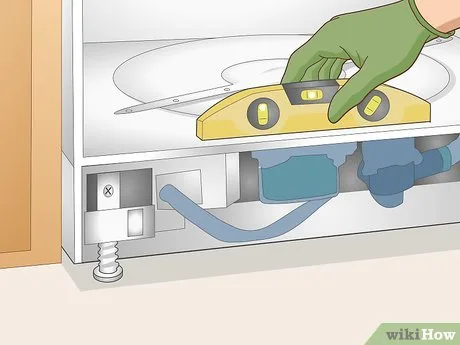
Image source: Bing (Web (fair-use with source credit))
Next, check the filter. Electrolux models use a three-part filtration system at the bottom of the tub, a coarse filter, a fine mesh filter, and a micro-filter. Food debris, grease, and mineral buildup accumulate in these over time.
A clogged filter forces the circulation pump to work harder, which increases vibration and noise.
Remove the filter assembly, rinse it under warm running water, and inspect it for damage. While the filter's out, look into the sump area underneath. Use a flashlight and a pair of tweezers or a bent wire to fish out any stray debris, bits of glass, bone, or hardened food that slipped past.
This takes two minutes and can dramatically change how the machine runs.
Finally, inspect your loading habits. Plates should face the center spray arm, not outward. Pots and pans belong on the bottom rack, not the top.
Anything with a curved surface should face inward. Overloading or misloading causes items to block spray arm rotation, creating a rhythmic clacking sound that gets worse the longer the cycle runs.
If you've done all three of these and the dishwasher is still loud, it's time to identify exactly what kind of noise you're dealing with. The diagnosis changes everything.
Diagnose by Sound: The Decision Tree
This is where things get interesting. The sound your dishwasher makes tells you almost exactly what's wrong. Run a cycle and stand near the machine.
Listen carefully. Not with your head pressed against it, just stand there and pay attention. If possible, record a fifteen-second clip on your phone so you can replay it and catch details.
Low Rumble or Vibration
If the noise is a deep, whole-unit shaking sound, the problem is mechanical vibration. The dishwasher isn't failing, it's transferring its normal operating vibrations into your cabinets and floor.
Check the leveling first. Then look at the rubber isolation mounts that connect the pump to the tub. These degrade over time, especially in humid kitchen environments.
If they're cracked, compressed flat, or missing, the metal pump vibrates directly against the plastic tub. That's a loud, constant hum that feels like the whole unit is alive.
Also check clearance. Make sure the dishwasher isn't touching the countertop above or the cabinet sides. Even light contact amplifies vibration significantly.
Metallic Grinding
This is the sound most people panic about. A grinding noise means metal is contacting metal somewhere it shouldn't. The usual suspects are the wash impeller or the spray arm bearings.
Turn off the dishwasher and disconnect power. Remove the bottom rack and the filter assembly. The wash impeller is the plastic-and-metal piece at the bottom center of the tub.
Spin it by hand. It should turn with light, even resistance. If it grinds, sticks, or feels gritty, the impeller bearing is worn.
Check the upper spray arm too. Pull it straight up and off its mount. Spin it between your fingers.
Same test, smooth is good, gritty is bad.
Rattling or Clattering
A rattle is usually debris or a loose component. Check the filter area again, something small but hard like a glass fragment or bone piece can bounce around inside the sump.
Inspect both spray arms for cracks. A cracked spray arm wobbles as it spins and taps against the tub wall. Remove each one and check the mounting holes for wear or elongation.
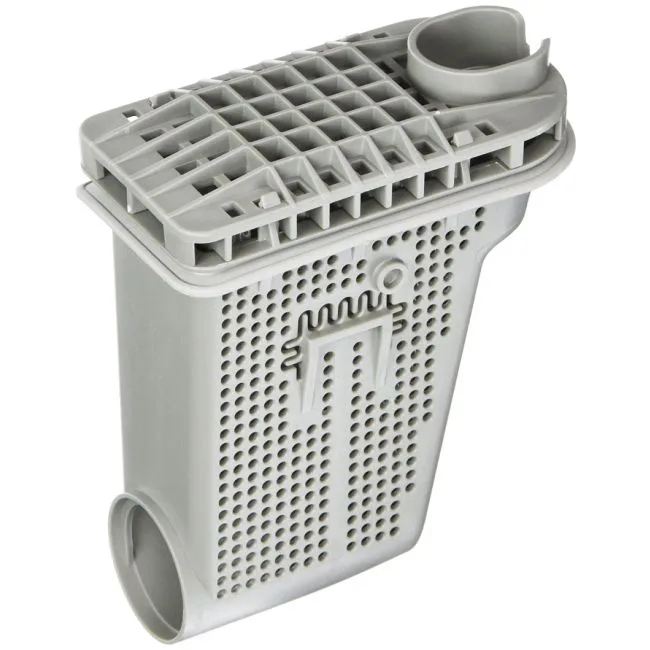
Image source: Bing (Web (fair-use with source credit))
High-Pitched Whine or Screech
A whining sound that gets louder as the cycle progresses usually points to the drain pump. The drain pump runs at high speed, and its bearing wears over time. When it starts failing, it sounds remarkably like a dentist drill.
Locate the drain pump behind the kickplate at the bottom rear of the unit. Remove the kickplate, usually held by two screws. Inspect the pump impeller for wrapped debris.
Hair, string, and food fibers can wind around the shaft and create a screeching friction sound.
Loud Humming With No Water Movement
If the dishwasher hums loudly but water isn't moving properly, something's blocking the flow. Check the drain hose for kinks or compression against the wall. Inspect the air gap on your sink, remove the cap and clean out any gunk inside.
A clogged air gap creates massive backup noise and poor drainage.
If you have a garbage disposal connected to the dishwasher drain line, run the disposal first. A disposal clog often backs up into the dishwasher drain path.
DIY Repairs vs. Calling a Pro
Knowing when to tackle a repair yourself and when to hand it to a professional is the difference between saving money and making things worse. Most Electrolux dishwasher noises fall into the DIY category. A few don't.
Here's the rule of thumb: if you can see the problem, access it without removing the main control panel, and the part costs less than $100, do it yourself. If the issue requires pulling the entire unit out from under the counter, opening the main circulation motor housing, or replacing the control board, that's when a pro makes sense.
Image source: Bing (Web (fair-use with source credit))
The impeller and spray arm replacements are well within DIY range. You need a Phillips screwdriver, a pair of pliers, and maybe a socket set. The drain pump is a bit more involved but still doable for anyone comfortable following a repair video.
Where most people cross the line is the circulation pump itself. That's the motor that drives the wash impeller. If the circulation pump bearing is shot, you're looking at a more complex removal process that involves disconnecting water lines and electrical connections.
It's not impossible, but it's where the frustration threshold kicks in for most homeowners.
There's also the Electrolux market situation to consider. As of 2026, Electrolux has exited the US dishwasher market. That means parts availability is shrinking.
If your model is more than eight years old, finding a replacement circulation pump or control board might be difficult or impossible. In that case, weighing repair cost against replacement value becomes the real decision.
A general benchmark: if the repair estimate exceeds 50% of the price of a comparable new dishwasher, replacement is usually the smarter call. A mid-range Electrolux replacement runs $700 to $1,200 depending on features. A $200 repair on an eight-year-old unit that might need another $300 fix in two years isn't a great investment.
The best approach is diagnostic first. Identify the sound, isolate the component, get a parts quote, then decide. That way you're not paying a service call just to hear "yeah, that pump's gone" and a $400 invoice.
Costs, Parts, and Decision Data
Here's what you're actually looking at if something needs replacing. These are parts-only prices for most Electrolux dishwasher models, before labor.
| Part | Typical Cost Range | Difficulty |
|---|---|---|
| Spray arm (upper or lower) | $15–$35 | Easy |
| Filter assembly | $20–$40 | Easy |
| Wash impeller | $40–$90 | Moderate |
| Drain pump assembly | $60–$120 | Moderate |
| Circulation pump motor | $120–$250 | Hard |
| Control board | $150–$300 | Hard |
| Door gasket | $25–$50 | Easy to moderate |
| Leveling legs (pair) | $10–$25 | Easy |
A service call typically runs $80 to $150 just to show up. Labor adds another $75 to $200 an hour depending on your region. So a drain pump replacement from a technician could easily hit $300 to $450 total.
Compare that to buying the pump yourself for $60 to $120 and installing it in under an hour. That's the whole point of figuring out the sound first, you don't want to pay a pro to tell you what to buy online.
The repair-versus-replace decision really comes down to age, cost, and parts availability. If your Electrolux is under six years old and the fix is under $200 in parts, go for it. If it's past eight years and the circulation pump needs replacing, start shopping for a new unit.
The parts situation makes marginal repairs less worthwhile as time goes on.
FAQs
Can I really tell the difference between drain pump and circulation pump noise?
Yes, once you know what to listen for. The circulation pump runs during the wash cycle and creates a steady hum or rumble. The drain pump kicks in at the end of the cycle and produces a higher-pitched whine.
If the grinding or whining happens mid-cycle during washing, it's the circulation side. If it happens during draining, it's the drain pump.
Does an air gap cause loud dishwasher noises?
It can. A clogged air gap creates backup pressure that makes the drain pump work harder and louder. If your dishwasher gurgles, backs up, or the drain pump sounds strained, clean the air gap first.
Remove the cap, pull out the insert, and clear any food particles or slime. It takes thirty seconds and costs nothing.
Is my Electrolux dishwasher still under warranty?
Electrolux standard warranties typically cover one year on parts and labor, with extended coverage on certain components like the tub and wash arms for up to five or ten years depending on the model. Check your owner's manual or the model number plate inside the door frame. You can also look up your serial number on Electrolux's support site if you're unsure.
Will vibration pads actually help with a rattling dishwasher?
They help if the problem is transmission of vibration into cabinetry, not if something inside is loose. Rubber isolation pads under the feet can dampen resonance. But if a spray arm is cracked or the filter isn't seated properly, padding the feet won't stop the rattle.
Fix the source first, then add pads if vibration is still transferring.
How do I know if the sound is coming from the cabinet instead of the machine?
Put your hand on the cabinet panel while the dishwasher runs. If you feel strong vibration traveling through the wood or laminate, the sound is being amplified by the cabinetry. That points to leveling issues or missing isolation mounts.
If the vibration is coming from the machine itself, the problem is internal.
Final Recommendation
Start by identifying the sound. That single step saves you from guessing, spending money on the wrong parts, and calling a repair person who charges you just to confirm what you already heard. Most loud Electrolux dishwashers have fixable, straightforward problems, leveling, a clogged filter, or a worn spray arm.
Those are free or cheap to address.
When the sound points to a pump or bearing issue, weigh the repair cost against the age of your unit. Parts are getting harder to find as Electrolux pulls back from the US market. If your dishwasher is still under six years old and the fix is under two hundred dollars, do it.
If it's older and the repair involves the main circulation pump, start comparing replacement models now while you still have access to compatible parts.
The noise your Electrolux makes is information. Pay attention to it, and you'll usually know exactly what to do next.
Maintenance / Long-Term Optimization
Keeping your Electrolux quiet longer comes down to regular upkeep, not just fixing problems when they appear. A few simple habits prevent most noise issues before they start.
Run hot water at your sink for thirty seconds before starting the dishwasher. This ensures the machine begins with hot water, which reduces strain on the heating element and circulation system during the cycle.
Use rinse aid every time. It helps water sheet off dishes instead of beading, which means less residue buildup inside the filter and spray arms. Less buildup equals less pump strain and quieter operation over time.
Clean the filter monthly, not just when you notice poor drainage. Food particles and mineral deposits accumulate gradually. A quick rinse under warm water each week takes thirty seconds and prevents clogs that force the pump to work harder.
Inspect the spray arms quarterly. Remove them and check for clogged holes or cracks. A clogged spray arm spins unevenly and creates wobbling noise.
Soak them in warm soapy water if deposits are visible.
Check the door gasket for wear. A worn seal lets water spray onto the cabinet interior during cycles, which can cause dripping noises and corrosion on internal components. Replace it if you see cracks or hardness.
Keep the area around the dishwasher clear. Make sure nothing is pressing against the unit's sides or top. Cabinet contact turns normal vibrations into amplified rumbling that travels through your kitchen structure.
If you have hard water, run a vinegar cycle monthly. Place a cup of white vinegar on the top rack and run a hot wash cycle empty. This dissolves mineral deposits inside the tub and on the spray arms without chemicals.
These habits add five minutes to your monthly routine but can extend the quiet life of your dishwasher by years. Most noise complaints start small and grow louder over months of ignored maintenance.
Safety / Legal / Compliance / Warnings
A few safety points matter when you're working on your dishwasher, especially when dealing with water and electricity in close proximity.
Always turn off the circuit breaker before removing panels or touching internal components. The dishwasher runs on 120 volts, and water is present inside the unit. Contact between live wires and standing water creates a serious shock hazard.
Do not attempt repairs while the unit is plugged in. Even with the power off, capacitors inside the control board can hold a residual charge for several minutes. Wait ten minutes after disconnecting power before working inside the unit.
When removing the kickplate, be aware that the drain hose runs directly behind it. The hose carries water from the tub to the drain connection. Support the hose as you remove screws so you don't accidentally kink or disconnect it.
If you remove the wash impeller or spray arms, note their orientation before taking them apart. Most Electrolux components have a specific direction that matters for proper reassembly. Taking a photo before disassembly helps avoid mistakes.
Use only manufacturer-specified replacement parts when possible. Third-party pumps and impellers sometimes have slightly different tolerances that cause vibration or premature wear. Check the part number on your existing component before ordering.
Never operate the dishwasher with the kickplate removed. The panel provides structural support and keeps water and debris away from internal components. Running without it increases the risk of electrical exposure and water damage.
If you notice burning smells, sparking, or water pooling inside the cabinet during operation, stop using the machine immediately. These signs indicate electrical or seal failure that requires professional assessment before further use.
Related Terms & Semantic Entities
Here are the key terms and phrases people search alongside this topic. Using them naturally helps the content reach the right readers without forcing keywords.
Synonyms and related searches:
• "dishwasher making loud grinding noise"
• "Electrolux dishwasher vibrating during cycle"
• "why does my dishwasher sound like a lawnmower"
• "Electrolux dishwasher rattling when draining"
• "quiet dishwasher brands comparison"
• "dishwasher noise decibel rating guide"
• "how to fix loud dishwasher pump"
• "Electrolux dishwasher parts replacement"
• "best quiet dishwashers 2026"
• "dishwasher leveling kit installation"
Common variations people search for:
• "my Electrolux dishwasher is excessively noisy"
• "Electrolux dishwasher louder than usual"
• "fix Electrolux dishwasher vibration"
• "Electrolux dishwasher maintenance guide"
• "dishwasher repair cost vs replace"
Long-tail phrases that indicate purchase or repair intent:
• "how much does it cost to fix a loud Electrolux dishwasher"
• "Electrolux dishwasher grind noise replacement parts"
• "should I replace my old Electrolux dishwasher"
• "Electrolux dishwasher not under warranty loud"
• "quietest dishwashers similar to Electrolux"
These terms help connect readers who search with different phrasing to the same practical solutions. The underlying problem stays the same regardless of how the question is worded.
