
If your Miele dishwasher is too loud, you’re dealing with more than a minor annoyance. That persistent rumble or clatter can quickly ruin dinner parties or make night cycles impossible in an apartment. Manufacturer specifications confirm that premium Miele models should run at or below 44 decibels during a wash cycle.
Anything louder usually points to a fixable mechanical issue rather than normal operation.
We’ve broken down exactly what each sound means and where to start looking so you can silence your dishwasher before it turns into a full-time repair project.
Quick Diagnostic: Match the Sound to the Symptom
What does each noise mean?
- Rattling → Loose spray arm, foreign object, or unlevel cabinet
- Grinding → Worn pump bearing or damaged impeller
- Humming/Buzzing → Clogged filter or struggling drain pump
- Knocking/Clanking → Hard water scale on wash arm or loose mounting bracket
- Hissing/Spraying → Faulty water inlet valve or excessive water pressure
The Decibel Reality: How Loud Is "Too Loud"?
Per BS EN 60436 testing standards, a dishwasher qualifies as "quiet" when it operates below 48 dB(A). Miele’s Premium line targets 44 dB or lower during their standard programmes. For context, a normal conversation sits around 60 dB, and a quiet library measures about 30 dB.
| Miele Sound Rating | What It Means |
|---|---|
| ≤ 44 dB | Ultra‐quiet; suitable for open‐plan living |
| 44–48 dB | Quiet; barely noticeable during meals |
| 48–52 dB | Moderate; audible in adjacent rooms |
| > 52 dB | Loud; indicates a likely fault or improper installation |
If your Miele has climbed above 52 dB, it’s time to diagnose the source before the wear damages the pump or spray arms.
Rattling, Grinding, or Humming? Diagnose by Symptom
When It Rattles: Loose Parts and Vibration
A rattling sound almost always means something inside the wash chamber isn’t secured tightly. The most common culprits are the upper and lower spray arms. Over time, the plastic retaining clips can loosen, allowing the arms to wobble and knock against dishware.
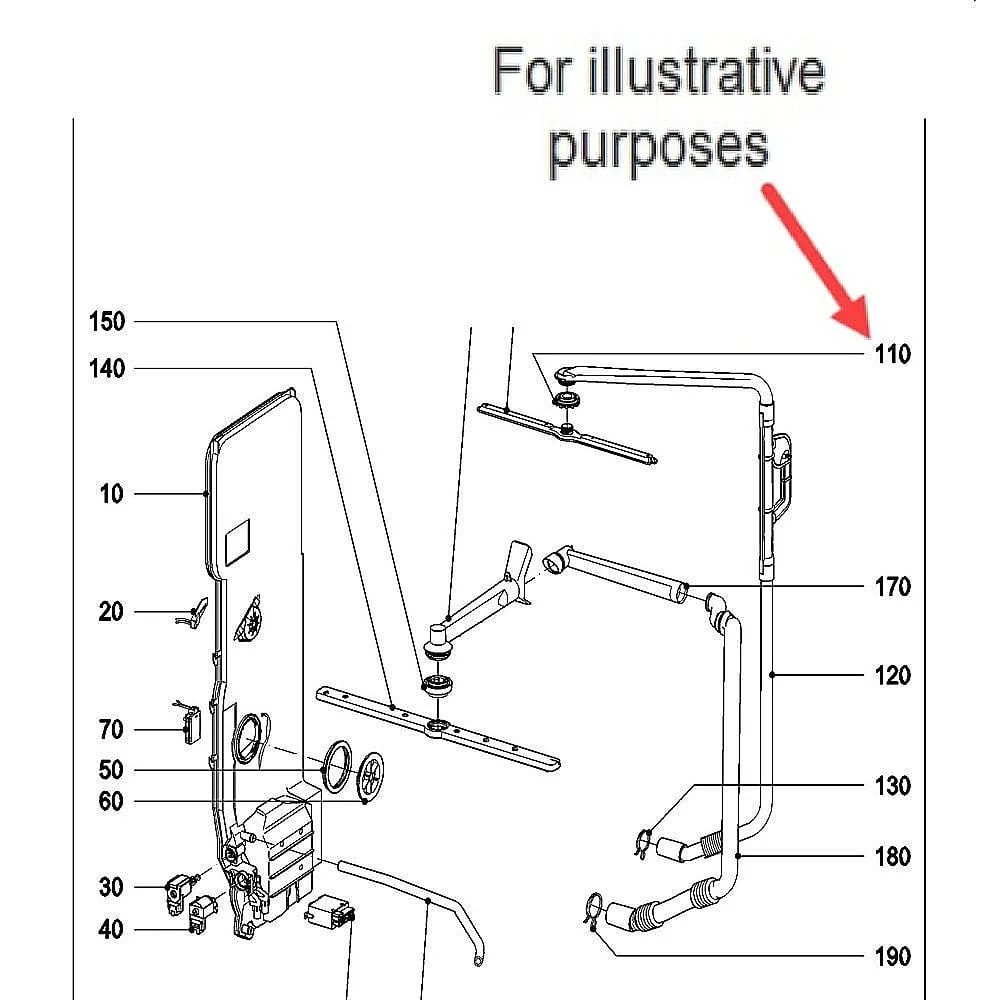
Check both spray arms by hand. They should spin freely without any lateral play. If you feel wobble, the retaining nut or clip needs tightening or replacement.
Also inspect the cutlery basket, loose knives or forks can rattle against the stainless‐steel tub during the high‐pressure rinse cycle.
When It Grinds: Pump, Spray Arms, and Impeller Issues
Grinding is a red flag for mechanical wear. The circulation pump uses sealed bearings that can degrade after years of use, especially if the dishwasher is hard‐flushed with dirty water. A failing pump bearing produces a low, metal‐on‐metal growl that intensifies during the wash phase.
Similarly, debris like glass shards or ceramic fragments can become lodged in the impeller housing, causing a grinding chirp. Always disconnect power before opening the sump area and use a flashlight to check for visible obstructions.
When It Hums or Drains Noisy: Blockages and Water Flow Problems
A steady hum during filling or draining usually points to a blocked filter or a partially obstructed drain hose. The pump works harder to push water through a clogged path, creating a strained motor noise. Miele’s triple‐action filter system (coarse, micro, and flat filter) should be rinsed under warm water every two weeks.
If the hum shifts to a loud gurgling during drain cycles, the drain pump may be struggling against a kinked hose or a buildup of food particles in the pump impeller.
The AutoOpen Fan Noise You Might Not Expect
Some Miele models feature an AutoOpen drying function that uses a built‐in fan to circulate air. This produces a consistent whooshing sound during the final phase of the cycle. It’s normal and not a sign of malfunction, but it can startle first‐time users who expect complete silence.
The 5‐Minute DIY Checks You Can Do Tonight
Before calling a technician, run through these five quick inspections. They solve the majority of unexpected noise complaints.
Step 1: Check Leveling Feet and Mounting Brackets
An unlevel dishwasher transfers vibration to the cabinetry, amplifying every pump and spray‐arm noise. Place a spirit level on the top edge of the door. If it’s off by more than 2 mm, adjust the front leveling feet until the unit sits perfectly plumb.
Tighten the lock nuts against the cabinet base to prevent settling.
Step 2: Inspect and Clean the Filter System
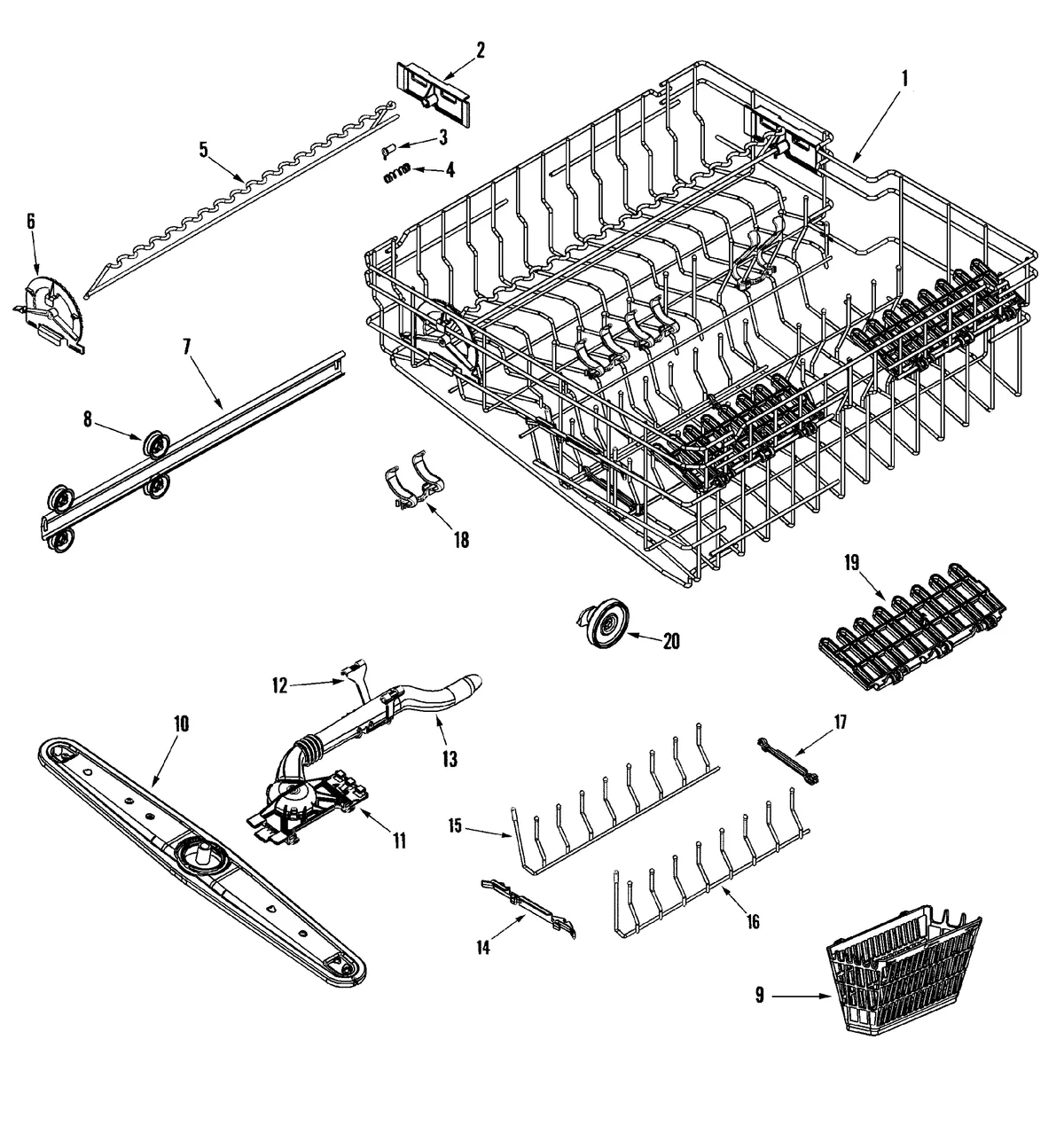
Locate the filter assembly at the bottom of the tub. Twist the coarse filter counter‐clockwise to remove it, then lift out the microfilter and flat filter. Rinse all three parts under warm running water, using a soft brush to dislodge grease and starch.
Reassemble in reverse order, ensuring each piece clicks securely into place.
Step 3: Look for Foreign Objects in the Sump Area
Remove the lower spray arm by lifting it straight up. Behind it lies the sump, the reservoir where the circulation pump draws water. Shine a torch into the cavity and check for lost toothpicks, bone fragments, or shattered glass.
Remove debris with tweezers or a small suction tool.
Step 4: Test the Spray Arms by Hand
Detached the upper spray arm (usually released by a central clip) and inspect the inlet nozzle for limescale deposits. Soak it in white vinegar for ten minutes if scaling is visible. Reattach both spray arms and run a short rinse programme while listening for changes in noise pattern.
When a Miele Repair Is Worth the Money
DIY vs Professional: Where to Draw the Line
Simple fixes like filter cleaning, spray‐arm tightening, and leveling adjustments cost nothing and take under ten minutes. However, if you suspect pump bearing wear, a cracked impeller, or a failing water inlet valve, professional intervention is safer and often more economical.
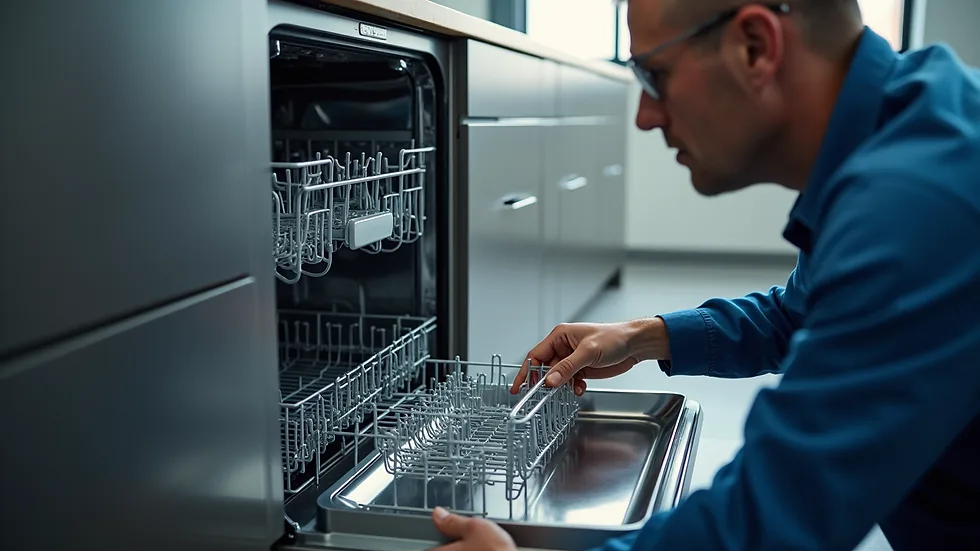
Attempting to replace the circulation pump without proper training can void your warranty and lead to incorrect reassembly, causing leaks or motor damage. Miele’s sealed‐system design requires specific torque values and seal replacements that DIYers rarely have on hand.
Typical Repair Costs and Part Replacements
| Component | Average Part Cost | Typical Labour | Total Estimate |
|---|---|---|---|
| Spray arm retaining clip | £5–£15 | – | £5–£15 |
| Circulation pump bearing kit | £30–£60 | 1–1.5 hrs | £120–£180 |
| Drain pump replacement | £45–£90 | 1 hr | £150–£220 |
| Water inlet valve | £25–£50 | 0.5 hr | £100–£150 |
| Full pump assembly (circulation + drain) | £120–£250 | 1.5–2 hrs | £250–£400 |
Prices vary by region and model year. Miele Genuine Parts carry a two‐year warranty and ensure precise fitment.
Using Miele’s Service Mode to Read Error Codes
Most Miele dishwashers have a built‐in diagnostics mode that logs fault codes. To access it:
- Turn the programme dial to “Off.”
- Press and hold the start button while turning the dial to “Eco.”
- Release the button; the display will show the last stored error code (e.g., F05 for water inlet fault, F10 for drainage issue).
Refer to your model’s technical sheet for code definitions. If a code persists after a filter reset, schedule a service visit.
Keep It Quiet: Maintenance Habits That Prevent Noise
Consistent upkeep is the best defence against unexpected loudness. Follow these simple routines to keep your Miele running smoothly for years.
Weekly and Monthly Care Routines
- Weekly: Rinse the coarse filter under warm water after every use. Wipe the door seal with a damp cloth to prevent food buildup.
- Monthly: Run an empty cycle with a Miele‐approved dishwasher cleaner to dissolve limescale and grease in the spray arms and pump housing.
- Quarterly: Inspect the spray arm nozzles for mineral deposits and clear them with a pin or toothpick.
Hard Water Solutions and Softener Upkeep
If you live in a hard‐water area (above 14 °dH), installing a water‐softening system or using Miele’s salt‐based water softener is essential. Scale accumulation inside the pump and on the heating element increases motor load, raising noise and reducing efficiency. Replace the softener salt every two to three months, depending on usage.
Installation Best Practices for Built‐In Models
Proper installation reduces vibration transfer by up to 60%. Ensure the dishwasher is level on all four corners, secure it to the cabinetry with the supplied brackets, and leave a 10 mm gap around the sides for airflow. Avoid placing heavy items on top of the unit, which can stress the door hinges and alter the spray‐arm alignment.
FAQs About Loud Miele Dishwashers
Will a Miele Dishwasher Ever Be Silent?
No domestic dishwasher is completely silent. Even the quietest Miele models produce 40, 44 dB of operational noise from water flow, pump activity, and spray impact. This level is comparable to a quiet office and is considered normal by acoustic standards.
Why Did My Quiet Miele Get Loud All of a Sudden?
A sudden increase in noise almost always signals a new obstruction or wear point. Check the filter first, then inspect the spray arms for debris. If the sound is a new grinding or knocking, a pump component may be failing.
Immediate diagnosis prevents secondary damage.
Can I Soundproof My Miele Dishwasher?
Yes. Adding acoustic foam panels to the underside of the countertop above the dishwasher and lining the cabinet interior with mass‐loaded vinyl can dampen transmitted noise. Miele also offers optional SoundReducer kits for many models, which include additional insulation and vibration‐dampening pads.
Does GentleCare Program Run Louder?
The GentleCare programme uses lower water pressure and longer soak times, which typically makes it quieter than intensive cycles. If you hear increased noise during GentleCare, it may indicate a partial blockage that only becomes audible at lower pump speeds.
How Often Should I Clean the Filter?
Clean the filter every two weeks under normal use. If you frequently wash heavily soiled pots or cook for large groups, inspect it weekly. A clogged filter forces the pump to work harder, raising both noise and energy consumption.
What’s the Difference Between Circulation Pump Noise and Drain Pump Noise?
Circulation pump noise occurs during the wash and rinse phases and sounds like a steady hum or whir. Drain pump noise happens during the drainage stage and often presents as a gurgling or straining sound. Identifying when each noise occurs helps pinpoint the faulty component.
Are Miele Dishwashers More Expensive to Repair Than Other Brands?
Miele parts and labour rates are generally higher than budget brands, but Miele units are engineered for a 20‐year lifespan. Proper maintenance can defer major repairs well beyond a decade, making the total cost of ownership competitive over time.
Can I Use a generic dishwasher cleaner in my Miele?
Miele recommends using only Miele‐branded dishwasher care products. Generic cleaners may contain harsh chemicals that degrade the stainless‐steel tub seals and leave residues that attract debris, potentially increasing noise over time.
Final Recommendation: Your Decision Guide
What should you do based on the noise type?
| Noise Type | Likely Cause | Recommended Action |
|---|---|---|
| Rattling | Loose spray arm or foreign object | DIY check – tighten clips, remove debris |
| Grinding | Pump bearing wear or impeller damage | Professional repair recommended |
| Humming | Clogged filter or partial blockage | DIY – clean filter, inspect sump |
| Knocking | Hard water scale or loose bracket | DIY – descale, tighten mounting |
| Hissing | Faulty inlet valve or high pressure | Professional inspection needed |
If your Miele produces rattling or humming sounds after filter cleaning and spray arm inspection, the issue is likely resolved. For grinding or knocking that persists, schedule a service visit before component wear escalates into costly damage. Miele’s 20-year lifespan rating assumes proper maintenance, so addressing noise early protects your investment.
Regular quarterly inspections and biweekly filter rinses will keep your dishwasher running quietly for years. When in doubt, consult an authorized Miele technician rather than attempting complex pump repairs without proper training and replacement seals.
