
Your dishwasher is one of the unsung heroes of your kitchen, tirelessly working to keep your dishes sparkling clean. But have you ever wondered how clean your dishwasher really is?
Over time, food particles, grease, and soap scum can build up, leaving your dishwasher less efficient and even causing unpleasant odors. You might be thinking about how to tackle this problem effectively. Enter bleach—a powerful cleaning agent that can help restore your dishwasher to its prime condition.
But before you reach for that bleach bottle, you might have a few questions. Is it safe for your dishwasher? How exactly should you use it? And will it really make a difference? Don’t worry, we’ve got you covered. This article will guide you through the step-by-step process of cleaning your dishwasher with bleach, ensuring that you get the best results without any hassle.
Whether you’re a cleaning enthusiast or just want your dishwasher to perform at its best, this guide is for you. Keep reading to discover how you can transform your dishwasher into a sparkling clean machine.
Safety Precautions
Ensure safety by wearing gloves when cleaning your dishwasher with bleach. Avoid mixing bleach with other cleaners. Ventilate the area to prevent inhaling fumes.
Cleaning your dishwasher with bleach can effectively remove stubborn stains and sanitize the machine, but it’s crucial to prioritize safety. Bleach is a powerful chemical, and handling it carelessly can lead to potential hazards. Below are some essential safety precautions to keep in mind when using bleach to clean your dishwasher.
Protective Gear
Wearing protective gear is non-negotiable. Rubber gloves are essential to protect your hands from irritation or burns. Consider using goggles to shield your eyes from accidental splashes. A simple apron can protect your clothes. These items might seem trivial, but they can save you from discomfort and even injury. Have you ever accidentally splashed bleach on your skin? The sting is a quick reminder of its potency.
Ventilation Importance
Good ventilation is vital when using bleach. Open all nearby windows and doors to allow fresh air to circulate. You might also want to turn on a fan to help disperse any fumes. Breathing in bleach fumes can cause respiratory issues. Have you noticed how even a small amount can make you cough? Keeping the area ventilated minimizes the risk and keeps the air breathable. Safety first is more than a slogan; it’s your responsibility. Protect yourself and ensure your space is well-aired. Cleaning should leave your home fresh, not hazardous. Are you taking the necessary precautions? Remember, a little preparation can prevent a lot of trouble.
Gathering Supplies
Collecting the right items is key to cleaning your dishwasher with bleach. Gather bleach, a soft cloth, and a measuring cup. Ensure proper ventilation and follow safety precautions for effective cleaning.
Gathering Supplies Cleaning your dishwasher with bleach is an effective way to keep it fresh and germ-free. Before you start scrubbing away, it’s important to gather the right supplies to make the process smooth and efficient. Having everything at hand can save you time and ensure you don’t miss any crucial steps.
Essential Cleaning Tools
You’ll need a few basic tools to get started. A soft sponge or microfiber cloth is ideal for wiping down surfaces without scratching them. A small toothbrush can help you reach those tricky corners and crevices. Don’t forget a sturdy cleaning brush for tackling any stubborn grime inside the dishwasher. Consider also having a pair of rubber gloves. They’ll protect your hands from the bleach and any sharp edges inside the dishwasher. A measuring cup or spoon will help you accurately measure the bleach, ensuring you use the right amount.
Choosing The Right Bleach
Not all bleach is created equal. Look for a regular household bleach that is free from any added fragrances or dyes. These additives can leave residues that might affect your dishwasher’s performance. Check the label to ensure the bleach is safe for cleaning kitchen appliances. This way, you prevent damage to the internal parts of your dishwasher. Have you ever used bleach that left a strong scent? Choosing the right type can help you avoid that and keep your kitchen smelling fresh. By preparing thoughtfully, you set yourself up for an effective cleaning session. Is there a tool you prefer or any tip that has worked well for you? Share your thoughts and let’s keep our dishwashers gleaming together!
Preparing The Dishwasher
Cleaning your dishwasher with bleach ensures it stays fresh and hygienic. Start by emptying the appliance completely. Then, run a cycle with one cup of bleach to eliminate bacteria and mildew. Regular maintenance like this helps keep your dishwasher in top condition.
Cleaning your dishwasher with bleach is a simple yet effective way to maintain its freshness and efficiency. Before diving into the cleaning process, it’s crucial to prepare your dishwasher properly. This ensures a thorough clean and helps prevent any bleach damage. Let’s walk through the preparation steps together.
Emptying The Dishwasher
To start, make sure your dishwasher is completely empty. Remove all dishes, cutlery, and racks. This might seem obvious, but it’s easy to overlook a stray spoon or forgotten cup. An empty dishwasher allows bleach to reach every surface without obstruction. Once everything is out, take a moment to inspect the insides. Are there any stains or residues you hadn’t noticed before? This is the perfect time to address them.
Removing Debris And Food Particles
Next, tackle any debris or food particles that might be lingering. Check the bottom of the dishwasher, especially around the drain. It’s common to find bits of food and grime accumulating there. Use a damp cloth or sponge to wipe away these particles. If you have a particularly stubborn spot, an old toothbrush can work wonders. Think of this step as setting the stage for bleach to do its magic. A clean slate ensures bleach can effectively sanitize and refresh your appliance. Have you ever noticed a funky smell coming from your dishwasher? Often, it’s due to these hidden particles. Removing them not only prepares your dishwasher for cleaning but also tackles odor problems head-on. What unexpected discoveries have you made while cleaning your appliance? Share your thoughts in the comments below!
Cleaning The Interior
Clean your dishwasher by using bleach safely to remove stubborn stains and odors. Mix a cup of bleach with water, then run a hot cycle. Ensure the dishwasher is empty to avoid damaging dishes. This method helps maintain a fresh and hygienic kitchen appliance.
Cleaning the interior of your dishwasher with bleach might seem daunting at first, but with the right steps, it’s a breeze. A clean dishwasher ensures sparkling dishes and prolongs the appliance’s life. Ever had those days when you opened your dishwasher only to find a not-so-fresh smell or some stubborn stains? Tackling the interior is crucial, and bleach is your ally in this mission.
Mixing Bleach Solution
Before you start, ensure your dishwasher is empty. Measure one cup of bleach and mix it with a gallon of water in a large bowl or bucket. This dilute solution is safe yet effective. You might wonder, why bleach? It’s a powerful cleaner that tackles bacteria and odors. Just remember, it’s potent, so wear gloves to protect your hands.
Applying The Solution
Once your bleach solution is ready, it’s time to apply it. Dip a clean sponge into the solution and gently wipe down the interior surfaces of your dishwasher. Pay extra attention to the corners and crevices where grime likes to hide. Do you have stubborn stains? Let the solution sit for a few minutes before wiping it off. Rinse thoroughly with warm water afterwards. Never use bleach on stainless steel interiors, as it may cause damage. If your dishwasher has a stainless steel interior, opt for a gentler cleaning solution. Taking these steps will help maintain your dishwasher’s efficiency and cleanliness. Have you ever thought about the impact of a clean dishwasher on your overall kitchen hygiene? It’s significant! By keeping your dishwasher clean, you ensure your dishes are truly clean, ready for your next meal.
Running A Cleaning Cycle
Cleaning a dishwasher with bleach involves running an empty cycle with one cup of bleach. This removes bacteria and odors. Always check your dishwasher’s manual before using bleach, as some models may not be bleach-safe.
Running a cleaning cycle in your dishwasher with bleach can be an effective way to eliminate stubborn stains and lingering odors. It’s surprisingly straightforward, yet often overlooked in regular cleaning routines. The process is simple, but knowing how to do it correctly ensures your dishwasher remains in top condition. Are you ready to dive into the specifics? Let’s get started.
Selecting The Right Cycle
Choosing the correct cycle is crucial when cleaning your dishwasher with bleach. If you pick a cycle that’s too short, the bleach might not have enough time to work its magic. On the other hand, a cycle that’s too long could waste water and energy. Check your dishwasher’s manual for the recommended cleaning cycle. Most modern dishwashers have a ‘sanitize’ or ‘heavy wash’ option, which works perfectly for this task. Think about your dishwasher’s age and condition. An older model may require a more intensive cycle than a newer one.
Monitoring The Process
Once you’ve selected the right cycle, it’s essential to keep an eye on the process. Does your dishwasher sound different or unusual? Listen closely and be ready to stop the cycle if necessary. Stay nearby while the cycle is running. This allows you to quickly intervene if there’s an issue, such as excessive suds or water leakage. Notice the smell. Bleach has a strong odor, but if it’s overwhelming or irritating, consider airing out the kitchen or opening a window for ventilation. Cleaning your dishwasher with bleach is an easy task that can yield significant results. Have you ever tried it before? If not, now might be the perfect time to give it a go. Your dishwasher will thank you!
Rinsing And Final Touches
After cleaning your dishwasher with bleach, proper rinsing is crucial. It ensures no bleach residue remains. This step is vital for safety and optimal dishwasher performance. Let’s dive into the final touches of cleaning your dishwasher.
Rinsing Off Residue
Begin by running a short rinse cycle. This helps remove any bleach remnants. Use hot water for the rinse. It dissolves any leftover bleach effectively. Hot water also sanitizes the dishwasher further.
Ensure the dishwasher is empty during this cycle. You want no dishes inside. Check the machine’s interiors after the rinse. They should feel smooth and residue-free.
Inspecting For Remaining Stains
Open the dishwasher and inspect for stains. Bleach can sometimes leave spots. Check the corners and edges thoroughly. Stains often hide in these areas.
If any stains remain, use a damp cloth. Wipe them gently to remove. Avoid using more bleach at this stage. It could damage your appliance.
Once satisfied, leave the dishwasher door open. Let it air dry for a few hours. This prevents moisture build-up and keeps it fresh.
Preventive Maintenance
Keeping your dishwasher in good shape saves time and money. Regular maintenance prevents costly repairs. It ensures your machine runs smoothly. Bleach helps in removing stubborn stains and bacteria. But, preventive steps extend its life. Learn how to keep your dishwasher clean and efficient.
Regular Cleaning Schedule
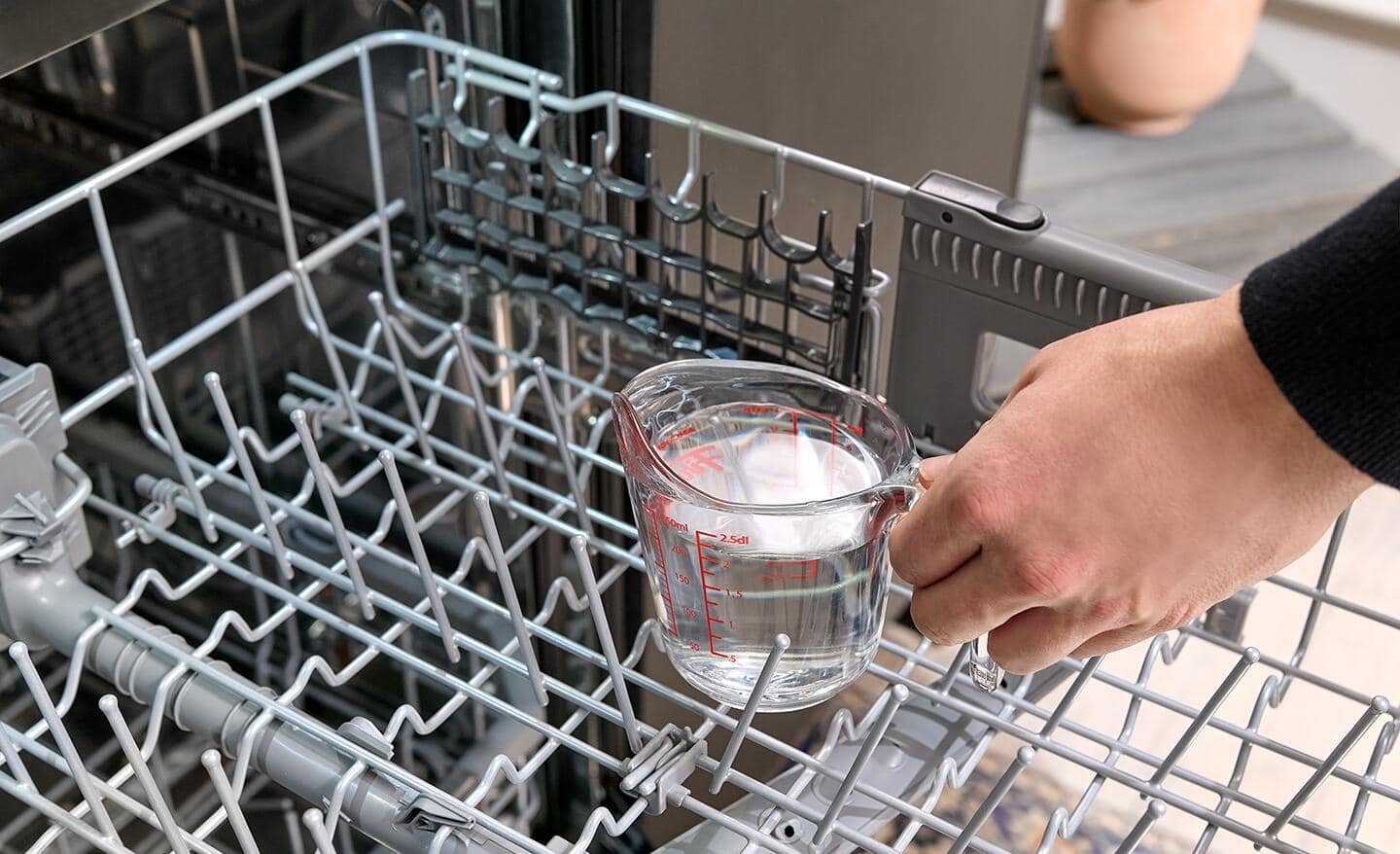
Create a cleaning schedule for your dishwasher. Clean it every month. This prevents buildup of food and soap residue. Start by removing all dishes. Check for any leftover food particles. Wipe them away with a damp cloth. Fill a cup with bleach and place it on the top rack. Run a hot water cycle. This kills germs and removes odors. Always rinse after using bleach. It ensures no bleach remains inside.
Avoiding Future Buildup
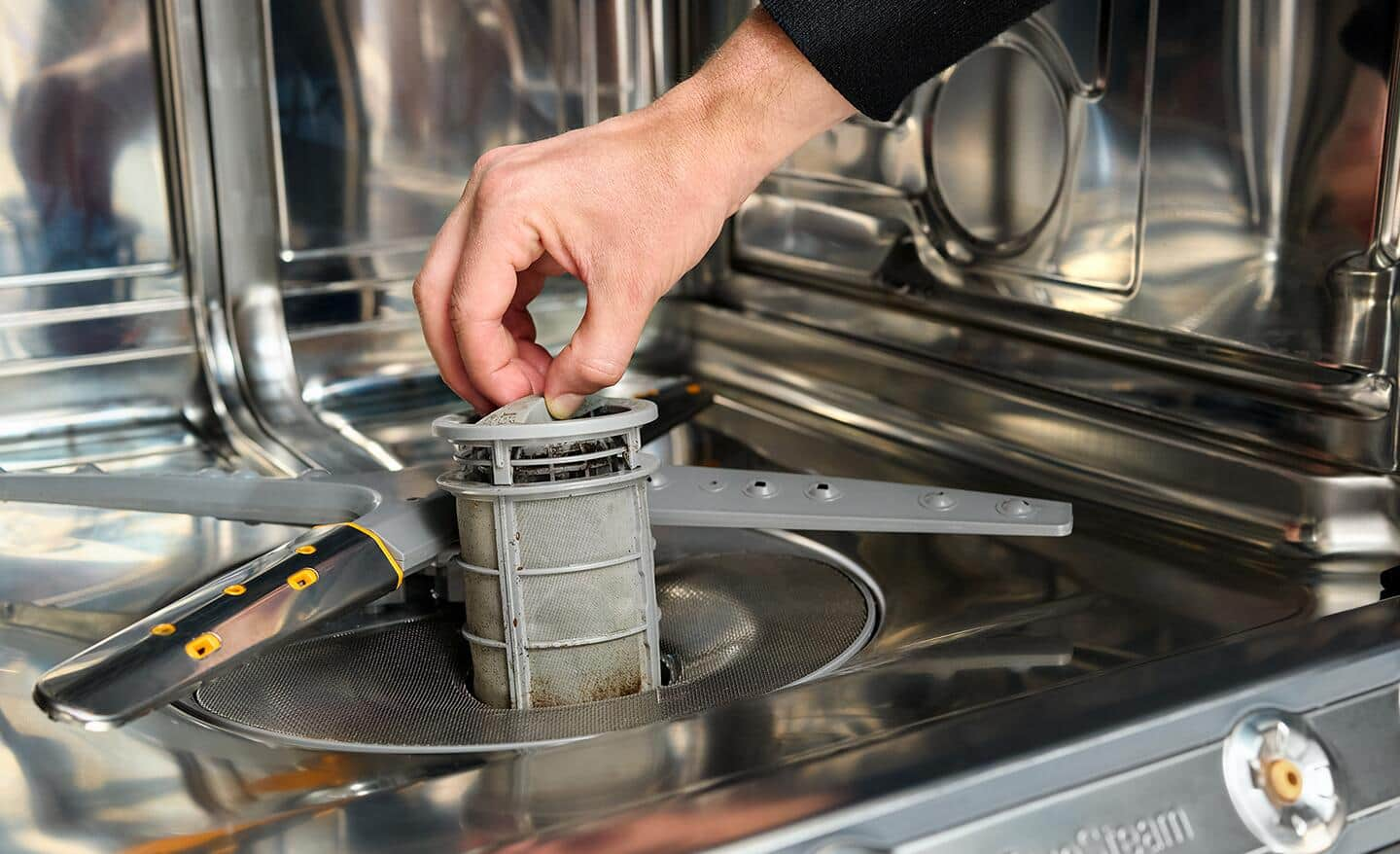
Prevent future buildup by scraping off food from dishes. Rinse them before loading. Use the right amount of detergent. Too much soap leads to residue. Clean the filter monthly. It traps food particles and can get clogged. Check the spray arms. Ensure they are not blocked. Clean them with a toothpick if needed. Regular inspections prevent future problems. Keeping your dishwasher clean saves energy and water. It also keeps your kitchen smelling fresh.
Credit: www.homedepot.com

Credit: www.onegoodthingbyjillee.com
Frequently Asked Questions
Is It Okay To Clean The Dishwasher With Bleach?
Cleaning the dishwasher with bleach is not recommended. Bleach can damage rubber seals and components. Use vinegar or baking soda for safe cleaning. Always check the manufacturer’s instructions for proper maintenance and cleaning methods. Regular cleaning ensures optimal performance and longevity of your dishwasher.
What Is The Best Thing To Clean A Dishwasher With?
Use white vinegar to clean your dishwasher effectively. Pour one cup into the bottom and run a hot cycle. This removes odors, grease, and mineral buildup, leaving it spotless. Regular cleaning ensures optimal performance and extends the appliance’s lifespan. Always check the manufacturer’s instructions for specific cleaning recommendations.
Can You Put Bleach In The Dishwasher To Get Rid Of Mold?
Yes, you can use bleach in the dishwasher to remove mold. Ensure the dishwasher is empty and run a hot cycle after adding bleach. Avoid using bleach if your dishwasher has stainless steel parts, as it may cause damage. Always follow the manufacturer’s instructions for safe use.
Can Bleach Damage My Dishwasher?
Bleach can be safely used in dishwashers if diluted properly. Use only a small amount mixed with water. Avoid using bleach on stainless steel parts, as it may corrode them. Always follow your dishwasher manufacturer’s guidelines for cleaning with bleach to prevent any damage.
Conclusion
Cleaning your dishwasher with bleach is simple and effective. Regular cleaning keeps it running smoothly. Bleach helps remove stubborn stains and kill germs. Always use gloves and open windows for ventilation. Follow the steps carefully for best results. Clean your dishwasher every few months.
A clean dishwasher means cleaner dishes. Enjoy spotless dishes with less effort. Remember, a little bleach goes a long way. Keep your kitchen fresh and safe. Happy cleaning!
