
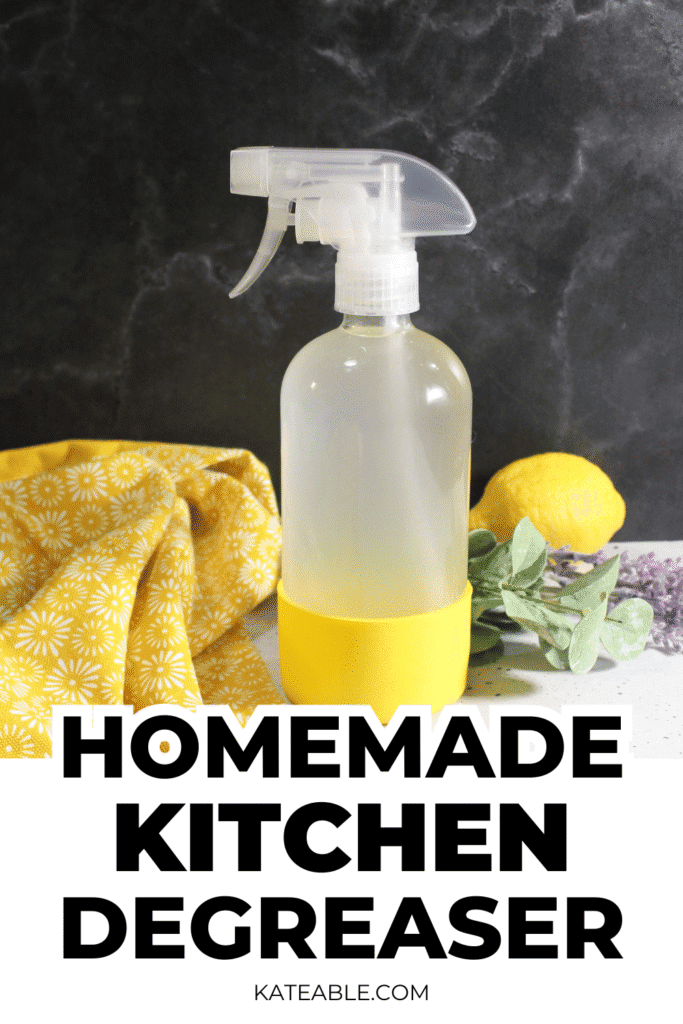
A greasy stovetop, a sticky range hood, or a grimy workbench doesn’t stand a chance against a well‑crafted homemade degreaser. Commercial sprays promise power but often deliver harsh chemicals, high prices, and plastic waste. The good news? You already have the ingredients to make something better.
In this guide you’ll learn exactly how to make degreaser that rivals store‑bought formulas — using simple pantry staples, with clear safety steps, and tailored to every job from light kitchen spills to heavy garage grime. By the end you’ll have three tested recipes, pro application techniques, and the confidence to clean anything without the toxic load.
Understanding Degreasers — How They Actually Work
A degreaser is a cleaning agent that breaks the bond between grease and a surface. Grease (oils, fats, lubricants) is hydrophobic — it repels water. Plain water slides right over it. Degreasers use surfactants and emulsifiers to surround grease molecules, lift them off the surface, and suspend them in water so you can wipe them away.
The chemistry is simple: most effective degreasers are either alkaline (high pH) or acidic (low pH). Alkaline formulas — like those with baking soda or ammonia — saponify fats, turning them into soap. Acidic formulas — like vinegar or lemon juice — dissolve mineral‑based grease and soap scum. Matching the right pH to the mess is what makes DIY degreasers so effective.
Water‑Based vs. Solvent‑Based: Which One Belongs in Your Kitchen?
| Type | How It Works | Best For | Safety Notes |
|---|---|---|---|
| Water‑based | Uses surfactants and emulsifiers to lift grease | Everyday kitchen surfaces, stovetops, countertops | Low toxicity, non‑flammable, safe on most surfaces |
| Solvent‑based | Dissolves grease on contact with alcohols or hydrocarbons | Heavy machinery, engine parts, baked‑on oven grime | Flammable, strong fumes, requires ventilation and gloves |
For home use, water‑based formulas are the smart choice. They handle 95% of household grease without the risks. Reserve solvent‑based methods only for the toughest workshop jobs, and always follow the safety precautions below.
Why Homemade Degreasers Outperform Store‑Bought
Cost: Pennies Per Bottle
A standard 32‑oz commercial degreaser costs $4–$8. A batch of homemade all‑purpose degreaser — using vinegar, water, and dish soap — costs roughly $0.15. Over a year, the savings easily top $50, and you never run out mid‑clean.
Safety: You Control Every Ingredient
Many commercial degreasers contain volatile organic compounds (VOCs), petroleum distillates, or 2‑butoxyethanol — linked to respiratory irritation and skin sensitisation. Homemade formulas use food‑grade ingredients. That matters when you’re cleaning near food prep areas, children, or pets.
Environmental Impact: Less Plastic, Less Pollution
The EPA’s Safer Choice program highlights that choosing biodegradable ingredients reduces chemical runoff into waterways. By reusing a single spray bottle, you also cut the 300 million plastic cleaning‑product bottles discarded annually in the U.S. alone.
Customisation: Strength and Scent on Demand
Need a gentler wipe for granite? Dilute the recipe. Facing baked‑on grease on an oven rack? Turn it into a paste. Add a few drops of lemon, eucalyptus, or peppermint essential oil to leave a clean, natural scent — something no commercial spray can match.
Essential Ingredients — Your DIY Degreaser Pantry
| Ingredient | Active Property | Best Used For | Caution |
|---|---|---|---|
| White vinegar (5% acetic acid) | Acidic, breaks down grease and mineral deposits | Light‑to‑moderate kitchen grease, glass, stainless steel | Not safe on unsealed stone or aluminium |
| Baking soda (sodium bicarbonate) | Mild alkali, gentle abrasive | Scouring paste for baked‑on food, oven interiors | Can scratch polished surfaces if scrubbed too hard |
| Liquid dish soap (grease‑cutting formula) | Surfactant, emulsifies oil | All‑purpose cleaner, base for most recipes | Choose plant‑based, biodegradable brands |
| Lemon juice or citric acid | Natural acid, degreases + deodorises | Cutting boards, greasy stovetops, grimy microwaves | Fresh juice can spoil; use citric acid powder for longer shelf life |
| Isopropyl alcohol (70% or higher) | Solvent, evaporates quickly | Heavy‑duty garage grime, streak‑free windows | Flammable — use only with ventilation, away from heat |
| Hydrogen peroxide (3%) | Oxidising agent, breaks down organic grease | Stubborn food stains, tile grout | Can bleach coloured fabrics; test first |
Safety First — Essential Precautions for DIY Degreasers
Making your own degreaser is safer than using industrial chemicals, but you still need to respect the ingredients.
Mixing and Handling
- Ventilate — Always mix in a well‑aired space, especially when using alcohol or ammonia.
- Wear gloves — Nitrile or rubber gloves protect against prolonged contact with acids or alkalis.
- Never mix bleach with anything — Bleach + ammonia = toxic chlorine gas. Bleach + vinegar = chlorine gas. Keep bleach completely separate.
- Use the right container — Glass or high‑density plastic spray bottles are best. Avoid old food containers that could react.
Storage and Usage
- Label everything — Write the recipe name and date on the bottle. A clear label prevents accidental misuse.
- Keep out of reach — Store all cleaning solutions, even natural ones, away from children and pets.
- Test on a hidden spot — Before spraying a full countertop, test a small area underneath or in a corner. This is critical for painted wood, marble, and sealed stone.
- Dispose responsibly — Most natural degreasers can be flushed down the drain with plenty of water. For alcohol‑based mixes, check local hazardous waste guidelines.
Three Proven DIY Degreaser Recipes
1. All‑Purpose Vinegar & Water Degreaser
Best for: daily countertops, stovetops, microwave interiors, glass.
- 1 cup white vinegar
- 1 cup warm water
- 10–15 drops lemon or orange essential oil (optional)
How to make: Combine in a spray bottle. Shake gently before each use. Spray onto surface, let sit 1–2 minutes, wipe with a damp cloth.
Why it works: The acetic acid breaks down light grease while the water carries it away. Essential oils add scent and a mild degreasing boost.
2. Baking Soda & Dish Soap Power Paste
Best for: baked‑on oven spills, grill grates, burnt pans, sink stains.
- ¼ cup baking soda
- 2 tablespoons liquid dish soap (grease‑cutting formula)
- Water (as needed for consistency)
How to make: Mix baking soda and dish soap in a small bowl. Stir until a thick paste forms. Add a teaspoon of water if too dry. Apply to greasy area, let sit 5–15 minutes, scrub gently with a non‑abrasive sponge, then rinse thoroughly.
Pro tip: For extra stubborn grime, let the paste sit for 30 minutes and cover with a damp cloth to keep it from drying out.
3. Heavy‑Duty Citrus & Alcohol Degreaser
Best for: garage workbenches, tools, engine parts, greasy range hoods.
- ½ cup isopropyl alcohol (70% or 91%)
- ¼ cup fresh lemon juice (or 1 tablespoon citric acid dissolved in ¼ cup warm water)
- 1 tablespoon liquid dish soap
- 1 cup warm water
How to make: Combine ingredients in a spray bottle. Swirl gently — do not shake vigorously. Spray onto surface, let penetrate 3–5 minutes, scrub with a stiff brush if needed, then wipe clean. Rinse the surface with water afterward.
Safety: Use in a well‑ventilated area. Wear gloves. Keep away from open flames.
:max_bytes(150000):strip_icc()/diy-all-purpose-cleaner-03ef59286b7a4d0eb4032641fd2554fa.jpg) The all‑purpose vinegar degreaser works quickly on everyday kitchen grease.
The all‑purpose vinegar degreaser works quickly on everyday kitchen grease.
How to Apply Degreaser for Maximum Results
Even the best recipe fails if you rush the application. Follow these steps to get a spotless finish every time.
Prepare the Surface
Remove loose crumbs, dust, or debris with a dry cloth. For thick, hardened grease, scrape off the excess with a plastic scraper before applying any liquid. This prevents spreading grease around.
Master the Dwell Time
| Grease Level | Dwell Time | Technique |
|---|---|---|
| Light (fingerprints, splatters) | 1–2 minutes | Spray, wipe immediately |
| Moderate (cooking residue, stovetop film) | 3–5 minutes | Spray, let sit, wipe |
| Heavy (baked‑on oven grease, grill grime) | 10–15 minutes | Apply paste, cover with damp cloth, then scrub |
| Extreme (old engine parts, industrial buildup) | 30–60 minutes | Use alcohol‑based recipe, reapply if drying |
Choose the Right Tool
- Microfiber cloth — Best for stainless steel, glass, and finished surfaces. Leaves no lint.
- Non‑abrasive sponge — Good for tile, sink basins, and plastic.
- Scrub brush — Essential for grout, grill grates, and textured surfaces.
- Avoid steel wool — It scratches stainless steel, ceramic, and enamel.
Rinse and Dry
After wiping away the grease, rinse the surface with clean water. Leftover degreaser residue can attract dust and leave a dull film. Finish by drying with a clean, dry microfiber cloth to prevent water spots.
Troubleshooting Common DIY Degreaser Problems
“My degreaser leaves a white film.”
Cause: Hard water minerals reacting with vinegar or soap.
Fix: Rinse with distilled water, or add a teaspoon of citric acid to the recipe to chelate minerals.
“The grease didn’t come off.”
Cause: Dwell time too short, or recipe too weak for the job.
Fix: Let the solution sit longer. For baked‑on grease, switch to the baking soda paste and let it sit 15–20 minutes.
“The smell is too strong.”
Cause: Vinegar or alcohol fumes.
Fix: Add 10–15 drops of essential oil, or use a citrus‑based recipe (lemon juice masks acid odour). Always ventilate.
“The surface looks dull after cleaning.”
Cause: Abrasive scrubbing or residue left behind.
Fix: Always rinse thoroughly. For stainless steel, buff with a dry microfiber cloth in the direction of the grain.
Beyond the Kitchen — Creative Uses for DIY Degreaser
Your homemade degreaser isn’t limited to the kitchen. Here are five unexpected places it shines.
Stainless Steel Appliances and Sinks
A quick spray of the vinegar‑based degreaser, a gentle wipe, and a buff with a dry cloth restores the mirror shine. This works especially well after you’ve cleaned the inside of your stainless steel dishwasher — the same solution cuts through the residue that dulls the exterior.
Upholstery and Fabric Stains
For grease spots on clothing or couch cushions, mix one teaspoon of dish soap with one cup of warm water. Blot the stain — never rub — then rinse with a clean damp cloth. Always test on an inconspicuous area first.
Bathroom Soap Scum
Soap scum has a greasy, waxy layer. A 50/50 vinegar‑water spray left on for 5 minutes dissolves it from tiles, shower doors, and sinks. The same technique works on the grime that accumulates on your scrubbing brush — soak it in the solution for 15 minutes, then rinse.
Trash Cans and Recycling Bins
Spray the inside of bins with the all‑purpose degreaser, let sit for 5 minutes, scrub with a brush, and rinse. Frequent use prevents the sticky film that attracts flies and odours.
Garage Tools and Equipment
The alcohol‑based recipe is perfect for cleaning greasy wrenches, drill bits, and lawnmower blades. For routine upkeep of your tools, wiping them down after each use prevents rust and extends their life.
:max_bytes(150000):strip_icc()/how-to-clean-stainless-steel-sink-9809c6a0b6c64e07ab115d6586dd7e96.jpg) The vinegar degreaser restores shine to stainless steel without harsh chemicals.
The vinegar degreaser restores shine to stainless steel without harsh chemicals.
Storage and Shelf Life of Homemade Degreasers
| Recipe | Shelf Life | Storage Notes |
|---|---|---|
| Vinegar & water | 1–2 months | Keep in a cool, dark place. Discard if it smells off. |
| Baking soda paste | Use immediately | Does not store well; mix fresh each time. |
| Citrus & alcohol | 2–3 months | Alcohol acts as a preservative. Store away from heat. |
| Dish soap & water | 2–3 weeks | Can grow bacteria if left too long. Make small batches. |
Pro tip: Label each bottle with the recipe name and date. For longer storage, add a few drops of tea tree oil — a natural antimicrobial.
Frequently Asked Questions
What is the best single ingredient for cutting grease?
White vinegar is the most versatile because its acetic acid breaks down grease chemically. For maximum power, combine it with dish soap — the soap emulsifies the oil while the vinegar dissolves it.
Can I use Dawn dish soap specifically?
Yes. Dawn is formulated for grease cutting. For a basic spray, mix 1 tablespoon Dawn with 1 cup warm water. For a stronger paste, add ¼ cup baking soda. This combo works well on the greasy buildup inside your range hood filter.
How do I make a degreaser safe for painted surfaces?
Use a heavily diluted formula: 1 part vinegar to 4 parts water. Never use ammonia or alcohol on painted wood or walls. Always test on a hidden spot — some paints can react to acidic solutions.
My degreaser isn’t cutting through baked‑on grease. What should I do?
Switch to the baking soda paste recipe and let it sit for 15–30 minutes. Cover the area with a damp cloth to keep the paste active. For extremely stubborn buildup, add a squirt of dish soap to the paste and scrub with a stiff brush.
How can I make a degreaser that smells pleasant?
Add 10–15 drops of essential oil (lemon, orange, eucalyptus, or lavender) to any recipe. Steeping citrus peels in white vinegar for two weeks also creates a naturally scented degreaser — strain the peels before bottling.
Conclusion: Clean Grease with Confidence, Not Chemicals
You now know exactly how to make degreaser that performs as well as — or better than — anything on the shelf. With three simple recipes, a handful of pantry ingredients, and the right application technique, you can tackle any greasy mess in your kitchen, garage, or workshop.
Start with the all‑purpose vinegar degreaser for everyday cleaning. When you face a stubborn stain, reach for the baking soda paste. And for heavy‑duty jobs, the citrus‑alcohol blend has your back.
Try one of these recipes this weekend. You’ll save money, reduce plastic waste, and breathe easier knowing exactly what’s in your cleaning spray. Once you see how well they work, you’ll never go back to store‑bought.
