
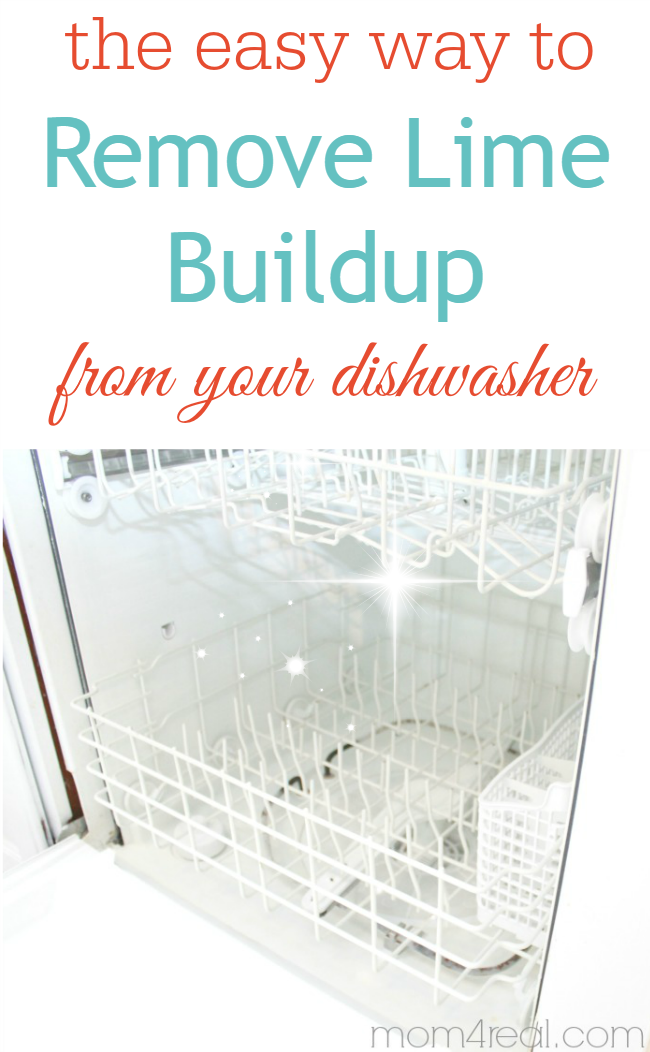
Are your sparkling dishes coming out of the dishwasher with unsightly white streaks or spots? You might be dealing with hard water deposits.
These stubborn mineral buildups not only dull the shine of your plates and glasses but can also affect the performance of your dishwasher over time. But don’t worry, you’re not alone, and there’s a simple solution. Imagine the satisfaction of opening your dishwasher to find brilliantly clean dishes every time.
This guide will show you how to tackle those pesky hard water deposits effortlessly, so you can enjoy spotless results without the extra scrubbing. Let’s dive in and uncover the secrets to maintaining a cleaner, more efficient dishwasher for you and your home.

Credit: rehabitathome.com
Identifying Hard Water Deposits
Hard water deposits in dishwashers appear as white, crusty build-up on surfaces. Clean these deposits with a vinegar rinse. Run an empty cycle with a cup of vinegar to dissolve the minerals. Regular cleaning prevents build-up, keeping your dishwasher efficient and spotless.
Identifying hard water deposits in your dishwasher can be a game-changer in maintaining its efficiency and longevity. Hard water deposits, often referred to as limescale, can build up over time, affecting your dishwasher’s performance. By learning to recognize these deposits early, you can take action before they cause more significant issues.What Are Hard Water Deposits?
Hard water deposits are mineral buildups primarily composed of calcium and magnesium. These minerals are present in your water supply and leave behind stubborn residues. They appear as white, chalky stains on the interior surfaces of your dishwasher.Signs Your Dishwasher Has Hard Water Deposits
Does your dishwasher leave spots on glasses or a cloudy film on dishes? This is a telltale sign of hard water deposits. You might also notice your dishwasher isn’t cleaning as effectively as it used to, with dishes coming out less sparkling than before.Where To Look For Hard Water Deposits
Hard water deposits often accumulate around the dishwasher’s spray arms, filters, and door seals. Check these areas for any chalky residue. Regularly inspecting these spots can help you catch buildup before it worsens.Personal Insight: The First Time I Encountered Hard Water Deposits
I remember the first time I noticed those annoying white spots on my favorite wine glasses. It was frustrating, and I wondered what I was doing wrong. Discovering hard water deposits was a lightbulb moment that made me realize the importance of regular maintenance.Why Identifying Hard Water Deposits Matters
Ignoring hard water deposits can lead to reduced efficiency and increased energy bills. It may even shorten your dishwasher’s lifespan. By identifying these deposits early, you can keep your appliance running smoothly and save on potential repair costs.What Can You Do Next?
Now that you know how to identify hard water deposits, it’s time to act. Consider using a dishwasher cleaner specifically designed to combat limescale. Regular maintenance can prevent build-up and keep your dishwasher functioning like new. Are you ready to tackle those deposits and enhance your dishwasher’s performance?
Credit: www.reddit.com
Impact On Dishwasher Performance
Hard water deposits can reduce dishwasher efficiency. Regular cleaning removes these deposits, improving cleaning power. Use vinegar or baking soda to tackle mineral buildup effectively. This ensures dishes come out spotless and extends the dishwasher’s life. Proper maintenance keeps your appliance working at its best.
Cleaning hard water deposits in your dishwasher can significantly improve its performance. Hard water deposits not only affect the machine’s efficiency but also your dishes’ cleanliness. These deposits can lead to cloudy glasses and leave residue on plates. You might notice your dishwasher taking longer to complete cycles or struggling to rinse effectively. Addressing these issues can make your dishwasher run like new again.How Hard Water Deposits Affect Efficiency
Hard water deposits can clog up the spray arms and filters. This reduces water flow and makes it difficult for your dishwasher to clean effectively. Imagine trying to wash a car with a hose that barely sprays water. The same principle applies here. Your dishwasher needs unobstructed water flow to do its job well.Signs Your Dishwasher Is Struggling
You may notice leftover food particles on dishes or cloudy streaks on glasses. These are clear signs that hard water is interfering with your dishwasher’s performance. Have you ever pulled out a supposedly clean plate only to find it still dirty? It’s frustrating, isn’t it? Cleaning these deposits can eliminate that annoyance.Simple Solutions To Boost Performance
Regularly cleaning your dishwasher can prevent hard water deposits from building up. Use a vinegar rinse monthly to break down mineral buildup. It’s a cheap and effective method. Simply place a cup of white vinegar in a dishwasher-safe container on the top rack and run a hot cycle. You can also use commercial dishwasher cleaners designed specifically for hard water. They’re easy to use and can make a noticeable difference. Ever tried a new cleaning product and been amazed by the results? These cleaners can offer that kind of transformation for your dishwasher.Why It’s Worth The Effort
Think about how much you rely on your dishwasher for convenience. Cleaning hard water deposits might seem like a chore but it’s an investment in your appliance’s longevity. Wouldn’t it be satisfying to see your dishes come out sparkling clean every time? Taking a little time now saves you money and hassle in the long run. Does your dishwasher need a refresh? Consider tackling those hard water deposits for better efficiency and cleaner results. Your dishes—and your sanity—will thank you.Gathering Cleaning Supplies
Start by gathering cleaning supplies like white vinegar, baking soda, and a soft brush. These help remove hard water deposits effectively. Regular cleaning keeps your dishwasher running smoothly and extends its lifespan.
Cleaning hard water deposits in your dishwasher requires specific supplies. Having the right tools is crucial for effective cleaning. Gather these supplies before starting the cleaning process. This ensures a smooth and efficient operation.Essential Items Needed
Gather vinegar, baking soda, and a soft sponge. Vinegar breaks down mineral deposits effectively. Baking soda tackles lingering odors and stains. A soft sponge helps scrub without scratching surfaces. These items are typically found in most households. Check your pantry before heading to the store.Optional Tools For Deep Cleaning
Consider using a toothbrush for tough spots. It reaches small, stubborn areas easily. Gloves protect your hands during cleaning. A small bucket can hold cleaning solutions. These optional tools provide a deeper clean, ensuring thorough results. They’re useful for persistent deposits that require extra attention.Pre-cleaning Preparation
Cleaning hard water deposits in a dishwasher requires some preparation. Following a few steps ensures a smooth and effective cleaning process. Pre-cleaning preparation is essential for removing stubborn mineral build-up.
Empty The Dishwasher
Start by removing all dishes and utensils. An empty dishwasher allows you to see the affected areas clearly. It gives you full access to tackle hard water deposits effectively. Check the racks and remove any leftover food particles. This prevents further build-up and ensures a clean surface.
Safety Precautions
Wear rubber gloves to protect your hands from cleaning agents. Open windows or doors to ensure proper ventilation. Avoid direct contact with cleaning solutions to prevent skin irritation. Always read labels on cleaning products for safe usage. Keep cleaning agents away from children and pets.
Vinegar Cleaning Method
Hard water deposits can make your dishwasher less effective. These deposits are mineral buildups that can affect cleaning performance. A simple solution involves using vinegar to clean the dishwasher. Vinegar is a natural cleaning agent. It helps dissolve mineral deposits, leaving your dishwasher fresh. Let’s explore how to use vinegar effectively.
Using White Vinegar
White vinegar is an excellent choice for cleaning. It’s acidic and can break down mineral deposits. Pour one cup of white vinegar into a dishwasher-safe bowl. Place the bowl on the top rack of the dishwasher. Run a hot water cycle without any dishes. The vinegar will work to dissolve the deposits.
Vinegar Soak Technique
The vinegar soak technique involves soaking parts of the dishwasher. Remove the racks and utensil holders. Submerge them in a solution of vinegar and water. Use a ratio of 1:1 for the mixture. Let them soak for about 30 minutes. After soaking, scrub gently with a brush. Rinse well before placing them back in the dishwasher.
This method helps maintain the dishwasher’s efficiency. Regular cleaning with vinegar keeps the appliance in top shape. Try this method once a month for best results.
Baking Soda Solution
Hard water deposits can make your dishwasher less effective. These deposits can leave unsightly spots on dishes and glasses. A simple baking soda solution can help. It’s a natural way to clean and refresh your dishwasher. This method is budget-friendly and safe for most appliances.
Creating The Mixture
Start by gathering your materials. You will need baking soda, warm water, and a mixing bowl. Measure one cup of baking soda into the bowl. Add warm water slowly. Stir the mixture until it forms a thick paste. This paste will help dissolve hard water deposits.
Application Process
First, remove the bottom rack of your dishwasher. This gives you better access to the machine’s interior. Use a damp cloth to apply the baking soda paste. Focus on areas with visible deposits. Let the paste sit for 15 minutes. This allows it to break down the mineral buildup. Rinse the paste away with warm water. Replace the bottom rack and run an empty cycle. This ensures all residue is washed away.
Lemon Juice Alternative
Looking to clean hard water deposits in your dishwasher? Try lemon juice. This natural solution is effective and eco-friendly. Many people prefer lemon juice over harsh chemicals. It cleans while leaving a fresh scent. Let’s explore the benefits and steps for using lemon juice.
Benefits Of Lemon Juice
Lemon juice is an excellent cleaning agent. It’s acidic nature helps break down mineral deposits. This makes it ideal for tackling hard water stains. Lemon juice is also safe for the environment. Unlike many cleaning products, it doesn’t contain harmful chemicals. This makes it a great choice for homes with children and pets.
Using lemon juice in your dishwasher is cost-effective. Most households already have lemons or lemon juice on hand. This means you don’t need to buy special cleaning products. Plus, the natural scent of lemons leaves your dishwasher smelling fresh.
Steps For Use
First, empty your dishwasher. Remove any dishes and utensils. This ensures the lemon juice can reach all areas. Next, fill a cup with lemon juice. Place it on the top rack of the dishwasher.
Run a hot water cycle. The heat helps the lemon juice work effectively. The acidic properties will break down the mineral deposits. After the cycle, check for remaining stains. If needed, repeat the process for stubborn deposits.
After cleaning, wipe the inside of the dishwasher. Use a damp cloth to remove any residue. This will ensure your dishwasher is spotless. For regular maintenance, use lemon juice once a month. This keeps hard water deposits at bay.
Commercial Cleaning Products
Cleaning hard water deposits in your dishwasher can be a daunting task. Luckily, commercial cleaning products make it easier and more effective. These products are specifically designed to tackle mineral build-up, leaving your dishwasher sparkling clean. In this section, we’ll explore how to choose the right product and some application tips to ensure optimal results.
Choosing The Right Product
Not all cleaning products are created equal. When selecting a commercial cleaner, consider products that are designed for hard water stains. Look for labels that mention limescale or calcium removal. Brands like Finish, Affresh, and Lemi Shine are popular choices with proven results.
It’s also helpful to read reviews. Online feedback can give insights into how effective the product is. A dishwasher cleaner that works wonders for one person might not be as effective for another. Consider your dishwasher’s age and material when choosing a product.
Think about the environmental impact. Some cleaners are eco-friendly, using natural ingredients. If you’re concerned about chemicals, opt for a biodegradable product. It’s a small step toward a healthier home and planet.
Application Tips
Proper application is key to getting the most from your cleaning product. Start by reading the instructions carefully. Each product has specific guidelines that ensure safety and effectiveness. Don’t assume that one method fits all.
Remove any visible debris from the dishwasher. This helps the cleaner reach the hard water deposits more effectively. A quick wipe-down with a damp cloth can make a big difference.
Consider running an empty cycle with the cleaner. This allows the product to target the deposits without interference from dirty dishes. Repeat the process if necessary; some deposits might require more than one treatment.
Are you unsure about how often to clean? Aim for once a month to prevent build-up. Regular maintenance is crucial for keeping your dishwasher in top shape.
Have you ever tried a commercial cleaner and found it less effective than expected? Share your experiences and tips in the comments below. Your insights might help someone else achieve a spotless dishwasher!
Regular Maintenance Tips
Keeping your dishwasher clean is essential for efficient performance. Hard water deposits can build up over time, affecting your appliance. Regular maintenance helps prevent these deposits and ensures your dishwasher runs smoothly.
Preventive Measures
Use water softener salts regularly. They help reduce mineral buildup. Consider installing a water softener system for your home. It can minimize hard water issues. Clean the dishwasher filter monthly. This prevents clogging and maintains water flow.
Check the rinse aid level frequently. It aids in reducing mineral deposits. Keep the dishwasher door slightly open after use. This allows air circulation, helping dry out residual moisture.
Routine Cleaning Schedule
Clean the dishwasher interior every month. Use a vinegar solution for effective cleaning. It dissolves mineral deposits and refreshes the appliance. Run an empty cycle with vinegar. This cleans the spray arms and pipes. Check and clean the spray arms regularly. They can get blocked by debris.
Inspect the door seal for residue. Wipe it with a damp cloth to maintain flexibility. Regularly clean the dishwasher’s exterior. Use mild detergent and a soft cloth. This keeps the appliance looking new.
When To Seek Professional Help
Persistent hard water stains may need a professional’s touch. If vinegar and baking soda fail to remove deposits, consider expert cleaning services. Professional help ensures your dishwasher functions efficiently and prevents damage.
Cleaning hard water deposits in your dishwasher can be a straightforward task, but sometimes, the issues might be more complex than they appear. Knowing when to seek professional help can save you time, effort, and possibly prevent further damage. Let’s explore the scenarios when it’s best to call in the experts.Signs That Your Dishwasher Needs A Professional’s Touch
If you notice that despite regular cleaning, your dishwasher still harbors stubborn deposits, it might be time to consult a professional. Persistent white spots or mineral build-ups can indicate underlying issues that standard cleaning methods won’t resolve. Another red flag is if your dishwasher isn’t cleaning dishes properly even after removing visible deposits. A professional can check if the hard water has affected other components such as the spray arms or filters.What Professionals Can Offer That Diy Cannot
Professionals bring specialized tools and expertise that DIY solutions lack. They can perform a thorough inspection and pinpoint the exact cause of the deposits. They often have access to industrial-grade cleaners that effectively tackle severe mineral build-ups. Additionally, they can advise on long-term solutions to prevent hard water deposits, such as installing water softeners or regular maintenance routines tailored to your appliance’s needs.Risks Of Delaying Professional Intervention
Ignoring persistent hard water deposits can lead to bigger problems. Mineral build-up can clog spray arms or filters, reducing efficiency and increasing energy bills. Over time, it can damage the dishwasher’s internal components. Delaying professional help can also result in needing more costly repairs or even replacements. Think of it as a small investment to extend your dishwasher’s lifespan.Is Your Dishwasher Giving You Mixed Signals?
Sometimes, your dishwasher might show inconsistent signs of hard water issues. One day it’s spotless, the next it’s not cleaning at all. This could indicate fluctuating water quality or intermittent appliance issues. Consider whether these inconsistencies are frequent enough to warrant a professional assessment. Addressing mixed signals early can prevent a minor annoyance from becoming a major headache.Consider Your Own Expertise And Comfort Level
Ask yourself how comfortable you are with DIY repairs. If you find yourself overwhelmed or unsure, it’s likely better to seek professional help. Remember, it’s okay to ask for assistance when you’re not confident in handling appliance repairs. Would you rather spend a weekend troubleshooting, or enjoy peace of mind knowing a professional has resolved the issue? Your comfort and time are valuable, weigh them against the potential hassle of DIY attempts. In the end, knowing when to reach out for professional help can ensure your dishwasher runs smoothly and efficiently. Have you ever had to call in a professional for your home appliances? How did it change your perspective on DIY repairs?
Credit: www.reddit.com
Frequently Asked Questions
How To Clean A Dishwasher With Hard Water Buildup?
Clean your dishwasher by running a cycle with a cup of white vinegar on the top rack. Sprinkle baking soda on the bottom and run another cycle. This removes hard water buildup effectively. Regular cleaning ensures optimal performance and longevity.
How Do I Get Rid Of Calcium Deposits In My Dishwasher?
To remove calcium deposits, run a cycle with vinegar or lemon juice. Sprinkle baking soda on the dishwasher floor and run another cycle. Clean filters regularly and wipe down surfaces. Use dishwasher-safe cleaners to prevent future build-up. Maintain monthly cleaning for optimal results.
How To Get Rid Of Limescale Build Up In Dishwasher?
Use a cup of white vinegar in an empty dishwasher cycle. Repeat monthly for best results. Clean the filter regularly to prevent limescale buildup. Ensure proper water softener settings if applicable. Use dishwasher-safe descaler occasionally for thorough cleaning.
What Is The Best Dishwasher Cleaner For Hard Water Build Up?
Finish Quantum Dishwasher Cleaner effectively removes hard water build-up. It leaves dishes and machines sparkling clean.
Conclusion
Cleaning hard water deposits keeps your dishwasher running smoothly. Regular maintenance prevents buildup and improves efficiency. Use vinegar or citric acid for best results. These natural solutions effectively dissolve mineral deposits. Always follow the manufacturer’s instructions for cleaning. A clean dishwasher saves time, energy, and money.
It extends the life of your appliance too. Remember, consistency is key for optimal performance. A few simple steps make a big difference. Keep your dishwasher in top condition with regular care. Enjoy spotless dishes every time. Your efforts ensure a reliable, clean kitchen helper.
