
Yes, you can clean your flat top stove with all-purpose cleaner, but only when three things line up. The cleaner has to be non-abrasive. Your cooktop has to be completely cool.
And your appliance manual has to allow it. Get any of those wrong, and you risk a scratched surface, a hazy film, or a voided warranty.
Manufacturer specifications matter more than internet shortcuts here. Glass-ceramic panels from Schott CERAN and EuroKera are built to handle heat, not abrasives or chlorinated bleach. As of 2026, most major brands list a pH-neutral or manufacturer-approved cleaner as the safe default in their owner's manuals.
Here's how to figure out where your bottle stands.
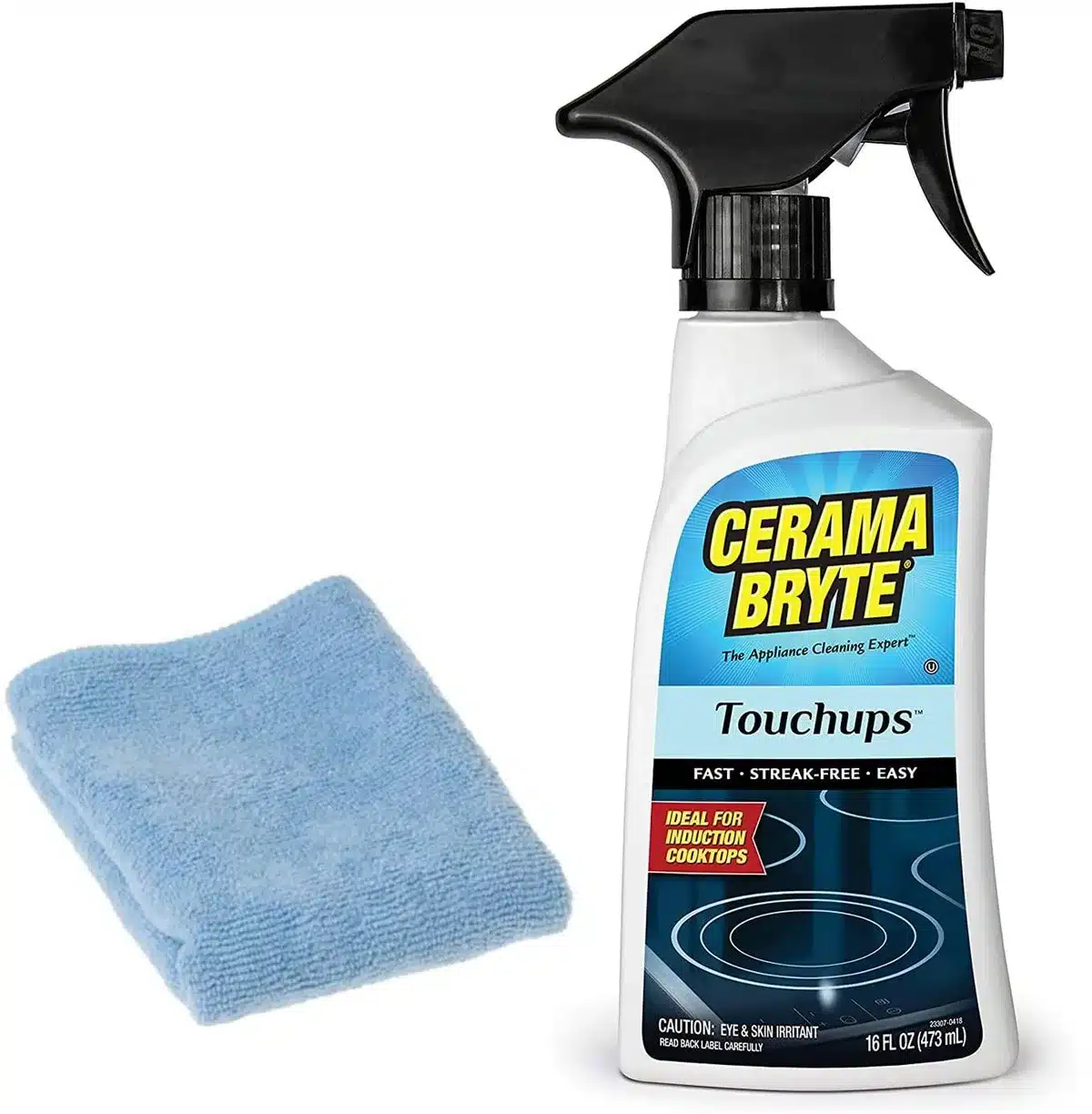
Image source: Web (Bing) / gosupps.com (Web image (fair-use with source credit))
Quick Answer
Yes, you can clean a flat top stove with all-purpose cleaner. Use a non-abrasive formula with no bleach. The surface must be cool to the touch.
Spray your cloth, not the cooktop. Rinse and buff dry to avoid streaks.
The 3 Conditions That Change Everything: Cooktop Material, Cleaner Ingredients, and Surface Temperature
Not every flat top stove is built the same, so the answer shifts with your surface. Glass-ceramic, induction, and older radiant cooktops all share a smooth top. They don't share the same tolerance for chemicals.
Glass-ceramic vs induction vs radiant
Most induction hobs and glass-ceramic cooktops use the same glass-ceramic panel. Per Schott CERAN's technical guidance, these surfaces handle heat well but scratch easily and hate abrasives. Radiant electric cooktops with exposed coils are different.
Coils tolerate more abuse, though their drip pans and trim can stain. If you own one of those, our notes on routine cooktop upkeep cover the basics.
Ammonia, bleach, abrasives, and pH
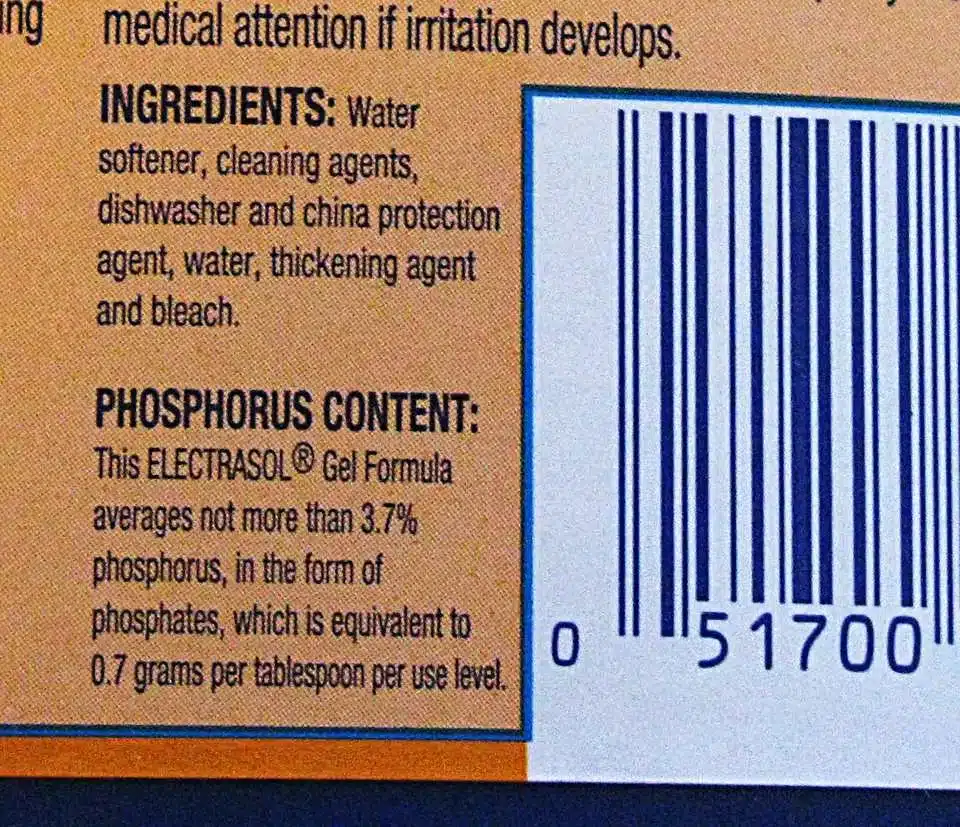
Image source: Bing (Web (fair-use with source credit))
Ammonia-based all-purpose cleaners are usually fine on glass-ceramic when you dilute them and rinse well. Bleach-based formulas are where things go wrong. Chlorinated bleach can dull the finish and etch printed heating zones over time.
Abrasive powders and creams scratch the glass itself, and those marks don't buff out.
A quick label check settles most of it.
| Cleaner ingredient | Safe on glass-ceramic? | Why |
|---|---|---|
| Ammonia | Often, if rinsed | Cuts grease, strong fumes |
| Chlorinated bleach | No | Can etch and discolor |
| Abrasives | No | Scratch the surface |
| pH-neutral surfactant | Yes | Gentle and residue-free |
Why a hot cooktop is a hard no
Never spray cleaner on a warm surface. Thermal shock can crack glass-ceramic, and that's a replacement, not a repair. Let the cooktop cool to the touch first.
Same rule applies to the cloth you're holding.
A Decision Tree for Any All-Purpose Cleaner in Your Cupboard
A decision tree removes the guesswork. Run your bottle through four questions before it touches the glass. If any answer comes back wrong, stop and switch products.
Step 1: Check your manual
Find the use-and-care section. If the manufacturer names a specific cleaner, use that one. If the manual says non-abrasive or glass-ceramic safe, an all-purpose spray can work as a light-duty option.
Step 2: Read the label
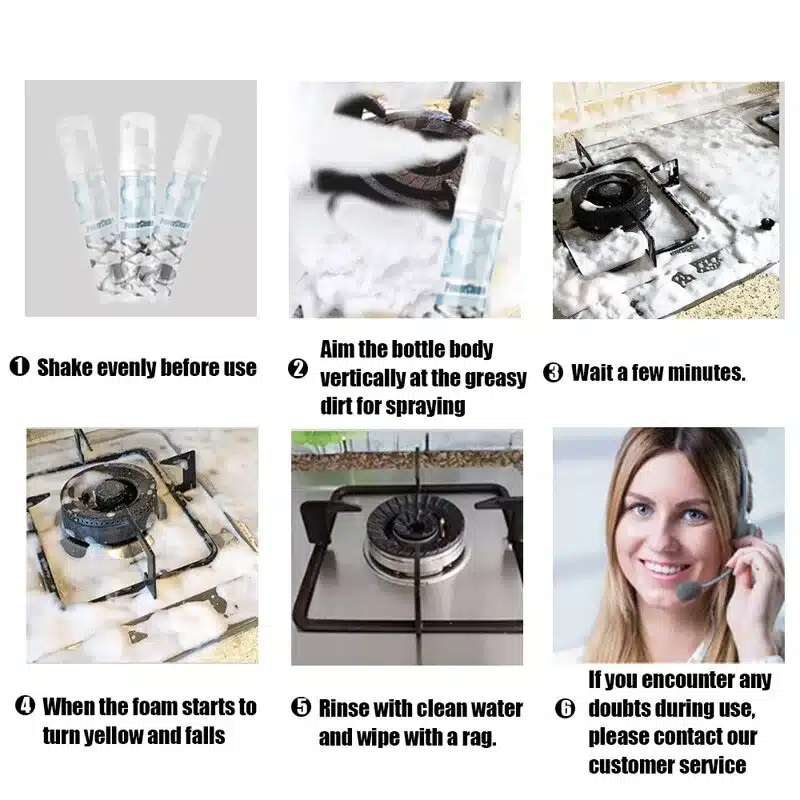
Image source: Bing (Web (fair-use with source credit))
Scan for bleach, ammonia, and the words abrasive or scouring. Check the pH if it's listed. Anything neutral sits around 7.
Skip the bottle if the label warns against glass or ceramic.
Step 3: Test a hidden spot
Spray a small area near the edge, away from the heating zones. Wipe it dry. If you see haze, rainbow sheen, or dulling, don't continue.
Step 4: Choose your branch
If the cleaner is non-abrasive and bleach-free, and the surface is cool, you're clear to proceed. If it contains bleach or grit, set it down. Reach for a dedicated cooktop cleaner instead.
Step 5: Clean, rinse, buff
Wipe, rinse with clean water, then buff dry with a fresh cloth. Leaving residue behind is what causes streaks, not the spray itself.
This same check-first habit pays off elsewhere in the kitchen. It's how you avoid a gunky filter basket turning into a bigger problem.
Step-by-Step Workflow: Cleaning a Glass-Ceramic Cooktop With All-Purpose Cleaner
Here's the full sequence, start to finish. It takes about five minutes for routine soil.
Prep: cool, clear, and ventilate
Turn off the cooktop and let it cool completely. Open a window or run the extractor. Wipe away loose crumbs with a dry cloth so you're not grinding grit into the glass.
Clean: cloth first, never spray the panel
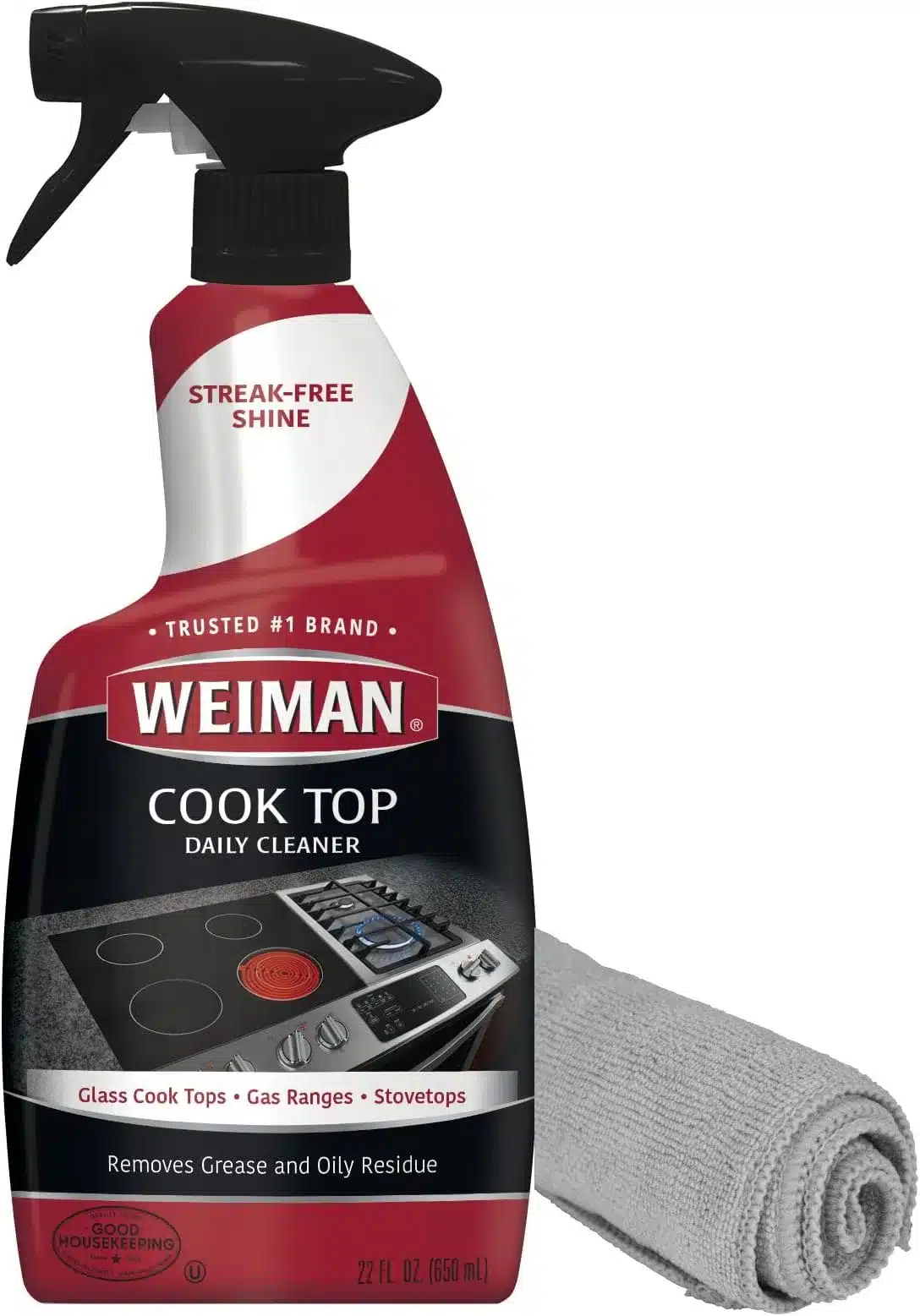
Image source: Web (Bing) / amazon.com (Web image (fair-use with source credit))
Spray the all-purpose cleaner onto a microfiber cloth, not the cooktop. That keeps liquid out of the touch controls and the trim seams. Wipe in gentle circles across the surface.
Use a second clean cloth if the first gets greasy.
Rinse and buff: the streak-free finish
Dampen a fresh cloth with plain water and wipe away the residue. Dry immediately with a lint-free towel. Buff until there's no haze.
Air-drying is what leaves those cloudy marks.
Stubborn spots: when to stop and switch products
For baked-on sugar or grease, all-purpose cleaner won't cut it. Don't scrub harder. Apply a dedicated cooktop cleaner and let it sit for the dwell time on the label.
A plastic scraper held at a shallow angle can lift residue if your manual allows it. The same patience you'd use when seasoning bare metal applies here. Gentle and repeated beats aggressive and once.
Tools you'll actually need
| Tool | Purpose |
|---|---|
| Microfiber cloths (two) | One for cleaner, one for rinse |
| Non-abrasive pad | Light spot work |
| Plastic scraper | Baked-on residue, manual permitting |
| Dedicated cooktop cleaner | Stubborn stains only |
While you're already wiping down surfaces, it's worth clearing a clogged detergent drawer the next time you're in the kitchen.
When All-Purpose Cleaner Isn't Enough: Better Options for Grease, Sugar, and Hard Water
All-purpose cleaner handles daily splatter. It struggles with the three big offenders: baked grease, burnt sugar, and mineral film. Knowing which tool fits which mess saves a lot of frustration.
Dedicated glass-ceramic cooktop cleaner
These come as creams or liquids designed to dissolve baked residue without scratching. They're the manufacturer-recommended default for a reason. Use them when the surface feels rough or greasy after a normal wipe.
Dish soap and water
For light grease, warm water and a drop of dish soap beat most sprays. No fumes, no residue. Rinse thoroughly, because soap film causes streaks just like cleaner does.
Vinegar, baking soda, and isopropyl alcohol
White vinegar cuts hard water spots. Baking soda makes a mild paste for stuck-on food, but keep it soft, since undissolved grit can scratch. Isopropyl alcohol strips grease and dries fast.
You can use the same two pantry staples on several kitchen surfaces, though glass-ceramic needs a light hand.
Razor scraper and non-abrasive pads
A razor scraper removes burnt-on sugar fast. Check your manual first, since some brands void coverage if you use one. Non-abrasive pads work for edges and trim.
Whatever you choose, ventilate the room. The EPA's Safer Choice program is a decent filter for picking lower-risk formulas. And if you ever mix cleaners by accident, the [U.S.
Consumer Product Safety Commission](https://www.cpsc.gov) has clear guidance on household chemical safety.
If fumes linger or your kitchen traps odors, venting the space properly makes every cleaning job easier.
Mistakes That Scratch, Haze, or Crack Your Flat Top Stove
Most cooktop damage comes from a handful of habits. None of them are dramatic in the moment. They show up weeks later as scratches, haze, or a crack that ends the panel's life.
Abrasive pads and powders
Scouring pads, steel wool, and powdered cleansers leave fine scratches. Those marks catch light and hold onto grease, so the surface looks dirty even when it's clean. Stick to microfiber or a soft non-abrasive pad.
Mixing ammonia and bleach
Never combine these two. The reaction releases chloramine gas, which irritates the lungs and eyes. It's a real hazard in a small kitchen.
If one bottle lists ammonia and another lists bleach, use one or the other, never both.
Spraying controls and seams
Liquid that runs into the touch panel or trim seam causes shorts and corrosion. Always spray the cloth. Dry the controls right away if anything splashes.
Cleaning a hot surface
Cleaner on hot glass can bake into a film. Cold liquid on hot glass can crack it. Wait until the cooktop is cool to the touch.
That's a two-minute wait that saves a very expensive replacement.
The mistakes list at a glance
- Abrasive pads and powders
- Bleach-based cleaners on glass-ceramic
- Mixing ammonia and bleach
- Spraying directly onto controls
- Cleaning while the surface is warm
If you've already caused some haze, don't panic and don't scrub. A dedicated cooktop cleaner and a fresh microfiber cloth usually lift light film. Deep scratches and cracks are permanent.
Manufacturer Rules, Warranties, and Safety Warnings You Can't Ignore
Your owner's manual is the final word here. It lists approved cleaners, banned ones, and the conditions that void coverage. Skipping it is how people lose a warranty claim on a two-year-old cooktop.
What voids a cooktop warranty
Common exclusions include abrasive cleaners, oven cleaner, chlorinated bleach, and razor scrapers on some models. Using a product the manual bans can turn a covered defect into a paid repair. Check the care and cleaning page before you experiment.
Ventilation, gloves, and Poison Control
Open a window or run the extractor while you clean. Wear gloves if the cleaner is harsh. Keep bottles away from kids and pets, and store them away from heat.
If someone swallows a cleaner or mixes chemicals by accident, call Poison Control right away instead of waiting for symptoms.
EPA Safer Choice and CPSC guidance
Look for the Safer Choice label when buying cleaners. It flags formulas screened for lower risk. The CPSC also publishes household chemical safety guidance worth a read if you keep several strong products under the sink.
A quick reference table
| Rule | Why it matters |
|---|---|
| Follow the manual | Protects your warranty |
| Ventilate the kitchen | Reduces fume exposure |
| Wear gloves | Prevents skin irritation |
| Never mix cleaners | Avoids toxic gas |
| Store safely | Protects kids and pets |
FAQs About All-Purpose Cleaner on Flat Top Stoves
Is all-purpose cleaner safe for glass-ceramic cooktops?
Yes, if it's non-abrasive, bleach-free, and you rinse it off. Glass-ceramic scratches easily, so avoid grit and powders. Test a small area first if you're unsure about a formula.
Can I use bleach-based all-purpose cleaner on my stove?
No. Chlorinated bleach can dull the finish and etch printed markings over time. It's also risky to mix with other cleaners.
Choose a bleach-free option instead.
What if I already used an abrasive cleaner?
Stop using it right away. Light surface scratches may fade, but deep ones won't. Switch to a dedicated cooktop cleaner and a microfiber cloth to prevent more damage.
How do I remove streaks after using all-purpose cleaner?
Rinse with clean water, then buff dry with a lint-free cloth. Most streaks are leftover residue, not the spray. A second pass with a fresh damp cloth clears them.
Can I clean an induction hob with all-purpose cleaner?
Yes, the same rules apply. Induction hobs use the same glass-ceramic panel as many electric cooktops. Keep it non-abrasive, cool, and rinsed clean.
Should I spray cleaner directly on the cooktop?
No. Spray the cloth instead. Direct spraying pushes liquid into the touch controls and trim, where it can cause electrical problems and corrosion.
