
Can a vented hood fan be used without venting? Sometimes, but only if the hood is built to convert to recirculating mode. A true ducted-only hood cannot be safely blocked off.
The difference comes down to design, filters, and what your stove puts into the air.
Per ASHRAE 62.2, kitchen exhaust needs to remove moisture, odors, and combustion byproducts. A recirculating hood filters some grease and odors but sends nothing outside. Manufacturer specs indicate only convertible models support this mode.
So the real question is whether your hood can convert, and whether your cooking setup allows it.
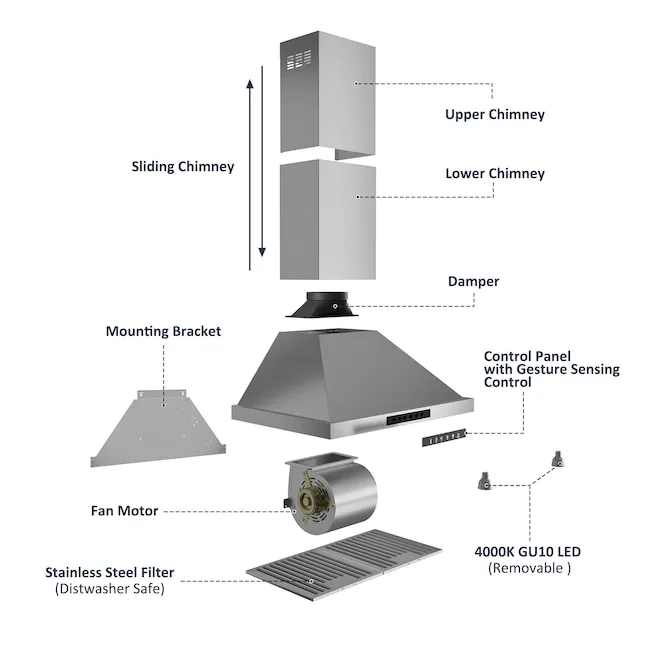
Image source: Bing (Web (fair-use with source credit))
Quick Answer
Can a vented hood fan be used without venting? Yes, if it is a convertible model with a ductless kit. No, if it is ducted-only.
Blocking a ducted hood traps heat and grease. That is unsafe. Gas stoves need real outdoor exhaust.
What Vented Hood Means
A vented hood pushes air outside through a duct. That duct carries grease, moisture, smoke, and combustion gases away from your kitchen. Some vented hoods are convertible.
They can switch to recirculating mode with a kit.
The Only Safe Exception: Convertible Hoods in Recirculating Mode
Convertible hoods ship with a damper and filter setup that supports both modes. You install a charcoal filter, seal the duct collar, and redirect air back into the room. This works for light cooking on electric or induction stoves.
Why a True Ducted-Only Hood Cannot Just Be Blocked Off
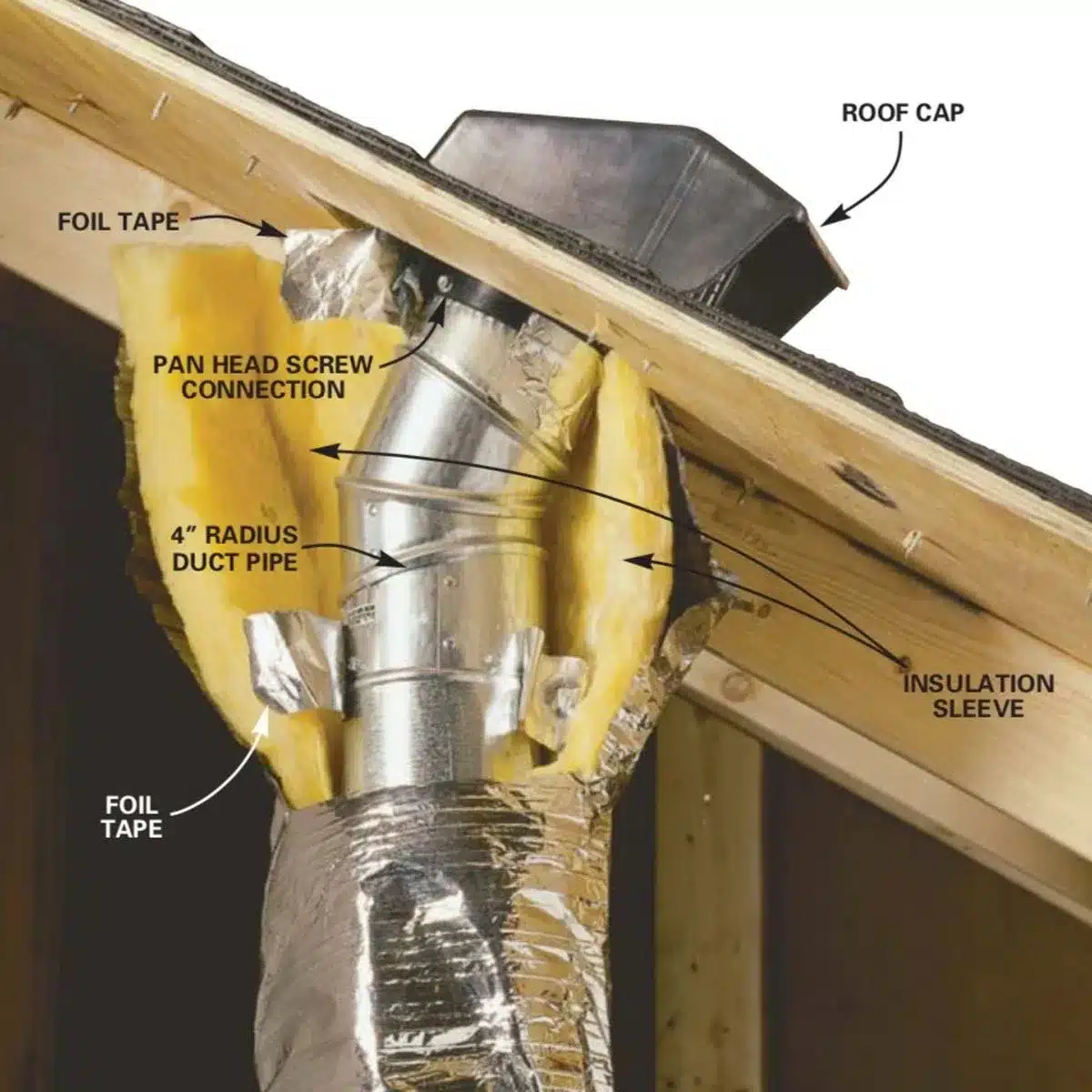
Image source: Web (Bing) / storage.googleapis.com (Web image (fair-use with source credit))
A ducted-only hood has no charcoal filter housing and no recirculation path. Blocking the duct traps heat, moisture, and grease inside the motor housing. That can overheat the unit, trip thermal cutoffs, and void the warranty.
Worse, it leaves carbon monoxide and nitrogen dioxide in your kitchen when you cook with gas.
Why Accuracy Matters: CO, Moisture, Grease, and Code Violations
Bad advice here can hurt you. Carbon monoxide (CO) is odorless and can cause headaches, nausea, and death. The CDC reports that hundreds of Americans die each year from accidental CO poisoning.
Gas ranges produce CO, nitrogen dioxide, and moisture. A recirculating hood removes none of those.
Moisture is the quieter problem. Boiling pasta or running a dishwasher releases water vapor into the air. Without outdoor exhaust, that moisture settles on walls, windows, and cabinets.
Mold follows. That same damp logic applies to appliances, and our guide on stopping dishwasher odors shows how trapped moisture turns into smells.
Grease is the third issue. Recirculating hoods catch some grease in mesh filters, but fine particles pass through and coat surfaces. Building codes treat kitchen exhaust seriously.
The International Residential Code (IRC) and International Mechanical Code (IMC) require outdoor exhaust for gas cooking appliances in most cases. Local amendments vary, so check with your building department.
As of 2026, many jurisdictions still allow recirculating hoods for electric ranges only. UL 507 covers safety for electric fans, including range hoods. A hood listed to UL 507 in recirculating mode is safe only when installed per its manual.
Skipping the conversion kit or charcoal filter breaks that listing. The EPA also has a plain-language overview of indoor air quality basics if you want more context.
Vented vs Convertible vs Ductless Range Hoods
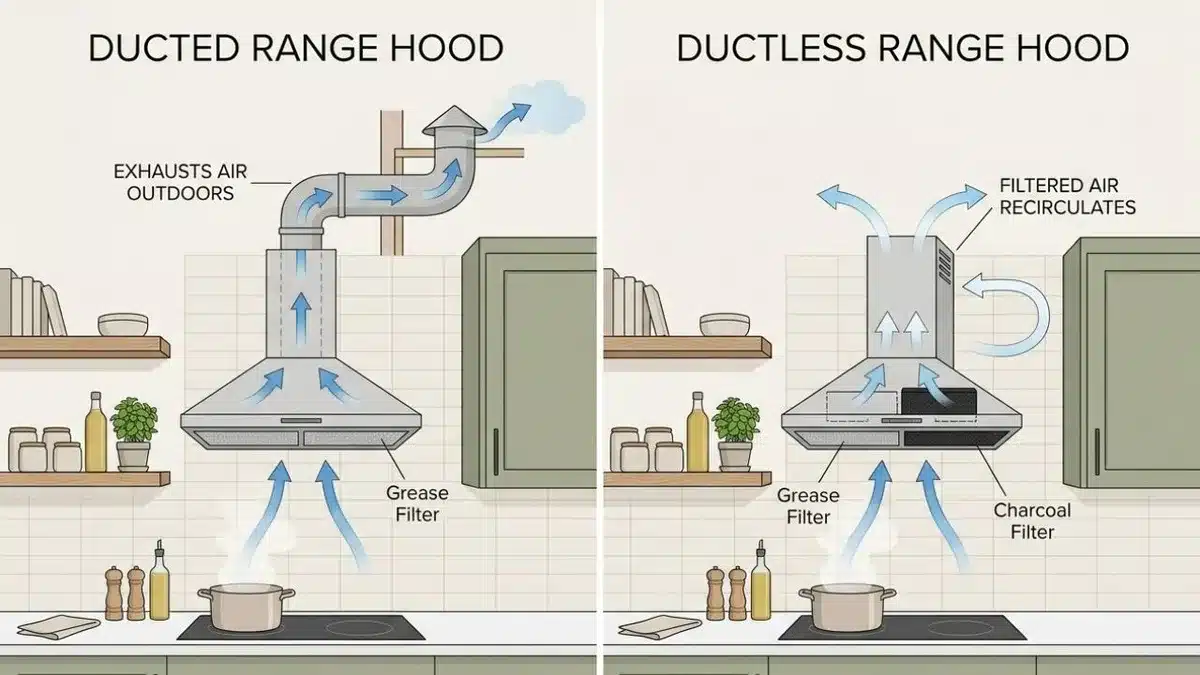
Image source: Web (Bing) / cupindy.com (Web image (fair-use with source credit))
These three terms get mixed up constantly. Here is the plain version.
| Type | Exhausts outside? | Needs duct? | Best for |
|---|---|---|---|
| Ducted | Yes | Yes | Gas stoves, heavy cooking |
| Convertible | Yes or no | Yes for ducted mode | Renters, light cooking |
| Ductless | No | No | Electric stoves, small kitchens |
A ducted hood is the gold standard. It moves 200 to 600 CFM of air outside, depending on the model. A convertible hood does the same when ducted, but can switch to recirculating with a kit.
A ductless hood is built at the factory to recirculate only. It never had a duct connection.
Over-the-range microwaves often combine a vent fan with a microwave. Most are convertible. They ship with a charcoal filter or a kit you buy separately.
If you own one, check the manual before assuming it can recirculate. Some budget models are ducted-only.
The key spec is CFM, or cubic feet per minute. Higher CFM means more air movement. In recirculating mode, CFM matters less because the air never leaves.
The filter does the work. A dirty filter kills performance fast. For the install steps on a ductless unit, our ductless setup walkthrough covers the basics.
When You Can Convert a Vented Hood to Recirculating, and When You Cannot
Use this simple if/then logic.
If your hood is convertible, you can switch to recirculating mode. Buy the manufacturer's ductless conversion kit. Install the charcoal filter.
Seal the duct opening. You are done.
If your hood is ducted-only, you cannot convert it safely. Do not block the duct. Do not run it without a filter housing.
Replace the hood with a convertible or ductless model instead.
If you have a gas stove, recirculating mode is a bad idea in most cases. Gas combustion produces CO and nitrogen dioxide. Only outdoor exhaust removes those.
Some local codes ban recirculating hoods over gas ranges entirely.
If you have an electric or induction stove, recirculating mode is more acceptable. You still deal with moisture, odors, and grease, but no combustion gases. Light cooking makes it workable.
If you rent or live in an apartment, recirculating may be your only option. Check your lease and HOA rules first. Some buildings prohibit exterior duct penetrations.
If your hood is old or off-brand, parts may be hard to find. A conversion kit might cost more than a new ductless hood. Compare prices before you commit.
Also check the damper, since a stuck damper can block airflow even in recirculating mode.
Safe Recirculating Setup: Filters, Sealing, and Make-Up Air
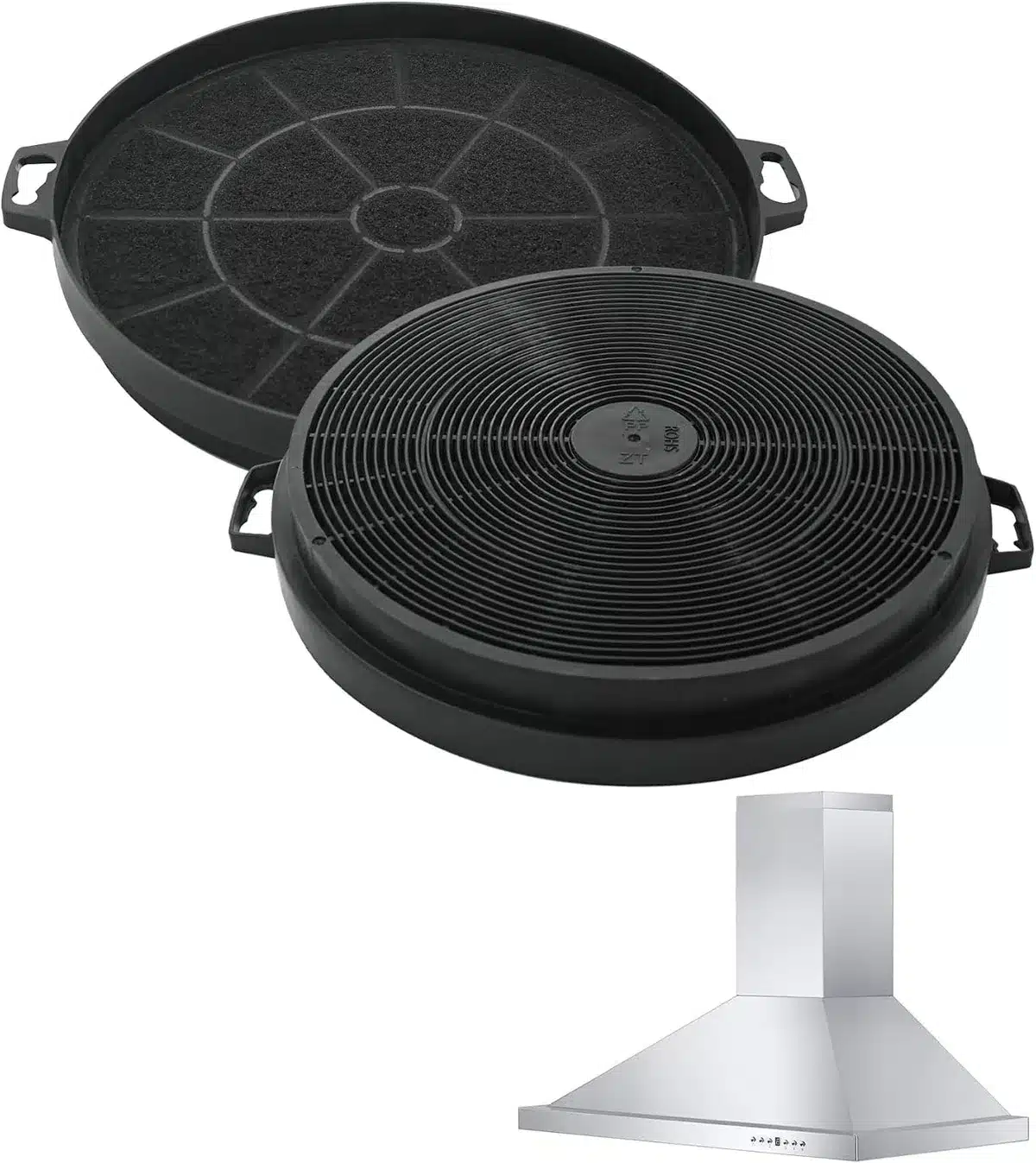
Image source: Web (Bing) / amazon.com (Web image (fair-use with source credit))
A safe recirculating setup has four parts: the right filter, a sealed duct opening, a clean grease filter, and decent make-up air.
Charcoal filter. This is the heart of recirculating mode. Activated carbon traps odors and some volatile organic compounds. It does not trap CO or moisture.
Replace it every three to six months. Heavy cooking means closer to three months.
Sealing the duct opening. If you are converting a ducted hood, the duct collar must be blocked. Use the metal plate from the conversion kit or a tight-fitting cap. Tape the seams with foil tape, not duct tape.
Duct tape dries out and fails.
Grease filter. Clean it monthly. Most are dishwasher-safe. A clogged grease filter reduces suction and pushes grease back into the kitchen.
Related upkeep matters too, and our tips on swapping a burnt-out hood bulb keep the whole unit working.
Make-up air. Recirculating hoods do not exhaust air, so make-up air is less critical. Still, if you also run a bathroom fan or dryer, your kitchen can go negative pressure. That pulls outdoor air through gaps.
In tight modern homes, code may require a dedicated make-up air system.
Testing airflow. After conversion, turn the hood on high. Hold a tissue near the grease filter. It should pull toward the filter.
If it flutters or falls, you have a blockage or a weak motor. Check the damper and the filter seating.
Common Mistakes That Turn a Conversion into a Health or Fire Risk
Blocking a ducted-only hood without a conversion kit is the biggest one. People cap the duct, flip the fan on, and assume recirculating mode just works. It does not.
Without a charcoal filter housing, grease and moisture cycle straight back into the motor and the room.
Skipping the charcoal filter is the second mistake. A grease filter alone catches oil, not odors or fumes. Verified buyer feedback reports that hoods run without carbon filters smell worse within weeks, not months.
Leaving the duct opening unsealed is subtle but costly. Air escapes into the wall cavity, carrying grease that can stain drywall and feed mold. Seal it with the kit's plate and foil tape.
Ignoring filter saturation kills performance quietly. A clogged charcoal filter cuts suction and lets cooking odors linger.
Assuming recirculation removes heat and moisture is a dangerous myth. It does not. All that steam and warmth stays in your kitchen.
In tight homes, that moisture lands on cold surfaces and invites mildew. Overlooking CO detectors is the riskiest habit of all. If you cook with gas and recirculate, install a CO alarm near the kitchen.
The CDC offers clear carbon monoxide safety information worth reading before you skip real exhaust.
Small habits help too. Keeping your cast iron in good shape means less oil in the air. Our tips on curing a skillet properly reduce how much grease a recirculating filter has to catch.
Costs, Code Checks, and When to Call a Pro
Conversion kits are cheap. Most run $20 to $100, depending on the brand. A new charcoal filter adds $15 to $40 per year if you replace it three to four times.
Compare that to a full ducted install, which runs $300 to $1,500 with labor and materials.
Permits matter. Many jurisdictions require a mechanical permit for new ductwork or appliance swaps. A permit plus inspection typically costs $75 to $250.
Skipping it can mean fines, failed resale inspections, or forced removal later.
HOA and rental rules add another layer. Some buildings ban exterior wall or roof penetrations entirely. Others require board approval before you cut anything.
Read your lease or bylaws before buying parts.
Call an HVAC contractor if you need new ductwork, make-up air, or a roof penetration. Call a licensed electrician if the hood needs a new circuit. Call your code official if you are unsure whether recirculating mode is allowed over a gas range.
Do it yourself only for the easy jobs. Swapping a charcoal filter, cleaning grease screens, or sealing a duct collar are weekend tasks. Anything involving gas lines, new circuits, or roof work belongs to a pro.
Frequently Asked Questions
Can I use a vented hood fan without venting if I open a window?
No, an open window does not make a ducted-only hood safe. It adds fresh air, but the hood still cannot expel grease, moisture, or combustion gases. Only a convertible hood in recirculating mode with a charcoal filter is designed for this.
Will a recirculating hood remove smoke and odors as well as a ducted one?
No, it will not. Recirculating hoods trap some grease and odors through carbon filters, but they leave heat, moisture, and fine smoke particles in the room. Ducted hoods remove all of those by pushing air outside.
How often do I need to replace the charcoal filter?
Every three to six months is the standard range. Heavy cooking, gas stoves, and frequent frying push you toward three months. A saturated filter stops absorbing odors and can restrict airflow.
Replace it sooner if cooking smells linger.
Can I convert any range hood to ductless?
No, only convertible models support ductless mode. Check the installation manual or the model number. A ducted-only hood has no charcoal filter housing and no safe recirculation path, so blocking the duct is unsafe.
Is it safe to use a vented hood without venting on a gas stove?
Usually no. Gas cooking produces carbon monoxide, nitrogen dioxide, and moisture. Recirculating hoods do not remove those.
Many local codes require outdoor exhaust over gas ranges, so verify with your building department first.
Does blocking the duct opening void the warranty?
Often yes. Manufacturer specs typically require installation per the manual, and blocking a ducted-only hood breaks that. Convertible hoods keep their warranty only when you use the approved ductless conversion kit and charcoal filter.
