
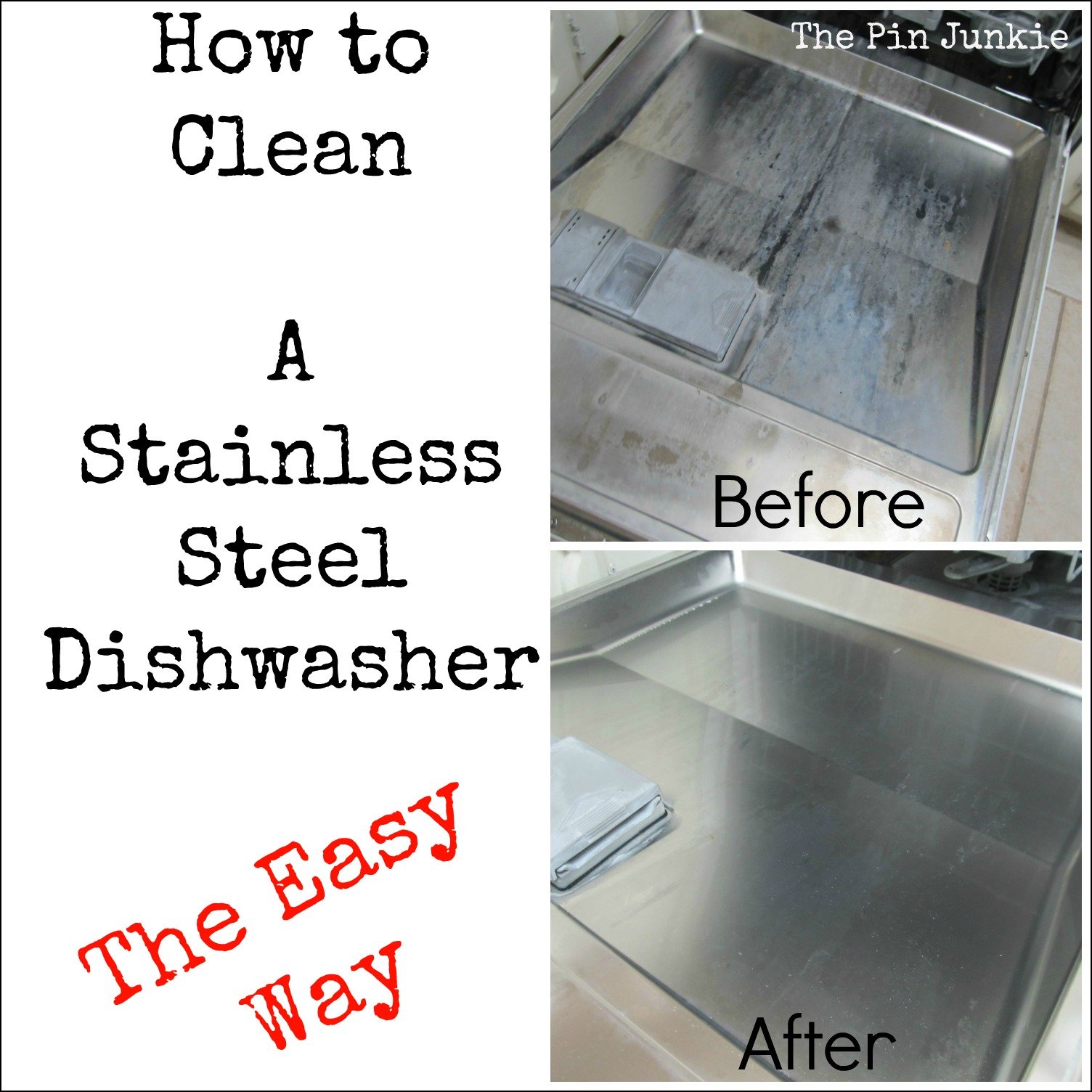
A stainless steel dishwasher looks sleek from the outside, but the interior can quietly become a breeding ground for grime, mold, and mineral deposits. If your dishes emerge with a film, your machine smells musty, or water isn't draining properly, the inside needs attention. Regular cleaning doesn't just make your appliance look better — it directly affects wash performance, energy efficiency, and the lifespan of every seal and component inside.
This guide covers everything from weekly wipe-downs to monthly deep cleans. You'll learn exactly which tools work, which methods damage the stainless steel finish, and how to prevent buildup before it starts.
Why Cleaning Inside Your Dishwasher Matters More Than You Think
Most people assume the dishwasher cleans itself during every cycle. It doesn't. Food particles, grease, soap scum, and hard water minerals accumulate in hidden areas: the filter, spray arm nozzles, door gasket, and drain sump. Over time, this buildup:
- Reduces water pressure and spray coverage
- Causes cloudy film on glassware
- Creates persistent odors
- Shortens the life of rubber seals and heating elements
- Encourages mold and bacterial growth
Cleaning the interior restores performance and protects your investment. A monthly clean takes about 20 minutes and can add years to your machine's service life.
What You'll Need: Tools and Supplies
Most of these items are already in your kitchen. Skip harsh chemical cleaners that can strip stainless steel or damage plastic components.
| Tool | Purpose |
|---|---|
| White distilled vinegar | Dissolves mineral deposits and grease |
| Baking soda | Mild abrasive and natural deodorizer |
| Soft-bristle brush or old toothbrush | Scrubbing filter and crevices |
| Microfiber cloths | Wiping surfaces without scratching |
| Toothpicks or small wire | Clearing spray arm holes |
| Rubber gloves | Protecting hands from grime |
| Small bowl | Holding vinegar or baking soda |
Before You Start: Safety and Preparation
Disconnect power first. Unplug the dishwasher or flip the circuit breaker. This eliminates any risk of electric shock when you reach inside or remove components.
Wear gloves. Dishwasher interiors have sharp edges on racks, filters, and drain covers. Rubber gloves protect your hands from cuts and cleaning solutions.
Gather your manual. If you're unsure how the filter or spray arms detach on your specific model, having the manual ready saves frustration. Many manufacturers also post PDFs online.
Step-by-Step Cleaning Process
1. Empty Everything
Remove all dishes, silverware baskets, and racks. Pull out the bottom rack completely. Take out the silverware basket and any utensil holders. This gives you unobstructed access to the filter, spray arms, and floor of the dishwasher.
Check the racks for lodged food debris — bits of rice, seeds, or plastic can hide in rack tines.
2. Remove and Clean the Filter
The filter sits at the bottom center of the dishwasher. Most twist counterclockwise or lift straight up. If it won't budge, consult your manual rather than forcing it.
- Rinse the filter under hot running water to remove loose debris.
- Scrub gently with a soft brush or old toothbrush, focusing on the mesh surface.
- If the filter has a fine mesh layer, avoid scrubbing too hard — you can tear it.
- For Frigidaire models, specific instructions for cleaning the filter differ slightly from other brands.
Reinstall the filter only after it's completely clean. A clogged filter is the number one cause of poor drainage and odors.
3. Inspect and Clear the Spray Arms
Spray arms have tiny nozzles that spray water onto dishes. Hard water minerals or food particles often block these holes.
- Examine each nozzle for visible clogs.
- Use a toothpick, pin, or thin wire to gently push through each blocked hole.
- If the spray arms detach (most do with a simple twist or clip), remove them and rinse under hot water.
- Soak removable spray arms in a bowl of white vinegar for 30 minutes to dissolve mineral buildup.
Reattach spray arms securely before running any cycle.
4. Wipe Down Interior Walls and Door
Use a microfiber cloth dampened with warm water and a few drops of mild dish soap. Work from top to bottom. Pay special attention to:
- The door gasket (rubber seal around the door edge)
- The bottom corners where water pools
- The detergent dispenser compartment
For greasy buildup, a small amount of the homemade degreaser you can mix yourself works well without damaging the stainless lining.
5. Run a Vinegar Cycle
Place a dishwasher-safe bowl or cup filled with 1 to 2 cups of white distilled vinegar on the top rack. Run a full hot-water cycle (no detergent). The vinegar circulates through the machine, breaking down grease, soap scum, and limescale.
Do not open the door during the cycle — let the vinegar work through every stage.
6. Follow with a Baking Soda Cycle
After the vinegar cycle finishes, the interior will still be slightly damp. Sprinkle 1 cup of baking soda across the bottom of the dishwasher. Run a short hot-water cycle (the rinse or quick cycle setting works fine). Baking soda neutralizes odors and gently scours any remaining residue.
Deep Cleaning Stubborn Stains and Odors
Baking Soda Paste for Persistent Stains
Mix 3 tablespoons of baking soda with just enough water to form a thick paste. Apply it directly to stained areas — the bottom floor, side walls, or around the detergent door. Let it sit for 15 to 20 minutes, then scrub gently with a soft brush and rinse with a damp cloth.
Eliminating Lingering Odors
If smells remain after a full clean cycle:
- Check the drain area. Food particles sometimes lodge beneath the filter housing. Remove the filter and shine a flashlight into the drain opening. Use a long-handled brush to dislodge any visible debris.
- Leave baking soda overnight. Sprinkle baking soda on the bottom and let it sit for 8 to 12 hours, then run a rinse cycle.
- Inspect the door gasket. Pull back the rubber seal and wipe underneath with a cloth dampened in vinegar. Mold often hides in the folds.
Sanitizing the Interior
Heat Sanitization
Most modern dishwashers have a "sanitize" setting that heats water to approximately 155°F (68°C), which kills 99.9% of bacteria. If your model lacks this option, run the hottest cycle available (usually pots/pans or heavy wash) with an empty machine.
Commercial Dishwasher Cleaners
When natural methods aren't enough, commercial cleaning tablets or liquids contain enzymes and surfactants that break down heavy grease and limescale. Place the product in the detergent dispenser or the bottom rack, then run a hot cycle. Follow the product instructions exactly — some require a specific cycle length.
Important: Do not mix commercial cleaners with vinegar or baking soda. Choose one method per cleaning session.
Maintenance Routine for Long-Term Performance
Weekly Habits
- Scrape plates thoroughly before loading
- Run hot water at the kitchen sink before starting the dishwasher (this pre-heats the incoming water)
- Wipe the door gasket with a dry cloth after the last load of the day
Monthly Deep Clean
- Remove and clean the filter
- Run a vinegar cycle followed by a baking soda cycle
- Clear spray arm nozzles with a toothpick
- Check for any standing water in the bottom after cycles
Seasonal Tasks
Every three months, remove the bottom rack and inspect the drain sump (the area under the filter) for sludge buildup. A flashlight helps reveal hidden debris. Use a wet/dry vacuum on the lowest setting to suction out any accumulated gunk if necessary.
Preventing Future Buildup
Don't Over-Rinse Dishes
Modern detergents need some food residue to bind to and clean effectively. Over-rinsing strips that away, and the detergent may attack your machine's seals instead. A quick scrape is all you need.
Use Rinse Aid
Rinse aid improves drying and prevents water spots. It also helps water sheet off the interior, reducing mineral deposits on the stainless steel lining. Fill the rinse aid compartment and adjust the dosage according to your water hardness.
Address Hard Water
If you notice white, crusty deposits on dishes or inside the dishwasher, you likely have hard water. Regular vinegar cycles (once a month) manage mild buildup. For severe hard water, a commercial limescale remover designed for dishwashers may be necessary.
Check Under-Sink Connections
Moisture issues around the dishwasher sometimes originate from the plumbing underneath. Understanding how water valves under the kitchen sink connect can help you spot leaks early. If you notice musty smells near the machine, inspect the area where the drain hose connects — a loose clamp can cause slow leaks that promote mold.
Troubleshooting Common Problems
Dishwasher Still Smells After Cleaning
- Check the drain hose. Food debris can accumulate in the hose loop. Disconnect it (with power off) and flush it with hot water.
- Run a cleaning cycle with bleach. For machines with stainless steel interiors, you can use 1 cup of bleach in an empty hot cycle. Never mix bleach with vinegar or ammonia. Only use bleach in well-ventilated areas.
- Replace the filter. If the filter is damaged or has permanent odor, replacing it costs far less than a service call.
White Cloudy Film on Dishes
This is usually hard water scaling. Increase your rinse aid dosage and run a vinegar cycle monthly. If the film persists, consider a whole-house water softener or a dishwasher-specific water conditioner.
Water Pooling in Bottom
A clogged filter, a blocked drain, or a kinked drain hose typically causes standing water. Clear the filter first. If water remains, trace the drain hose under the sink — it's often the same plumbing configuration as standard installations — and check for kinks or clogs.
Frequently Asked Questions
Can I use bleach in my stainless steel dishwasher?
Yes, but only occasionally and never with other cleaners. Bleach is effective for sanitizing and removing mold, but it can damage rubber seals and gaskets if used too frequently. Limit bleach cleaning to once every three to six months, and always run an extra rinse cycle afterward.
Is vinegar safe for stainless steel interiors?
White distilled vinegar is safe for monthly use. However, vinegar is acidic. Overuse (more than once per week) can degrade rubber seals, hoses, and the finish of some stainless steel linings over time. Stick to monthly vinegar cycles for best results.
Why does my dishwasher smell like sewer?
A sewer-like odor usually means food waste has decomposed in the drain or sump area. Remove the filter and scrub the sump thoroughly. If the smell persists, the drain hose may have a low point where water stagnates — ensure the hose forms a high loop under the sink for proper drainage.
How often should I clean the dishwasher filter?
Inspect the filter every two weeks. Rinse it under hot water weekly if you wash heavily soiled dishes daily. A clogged filter is the fastest route to poor performance and bad odors.
What's the difference between cleaning and sanitizing?
Cleaning removes visible dirt, grease, and soap scum. Sanitizing kills bacteria and microorganisms. You should clean first, then sanitize. A vinegar cycle cleans; a high-heat or bleach cycle sanitizes. Doing both ensures the interior is both visibly clean and hygienic.
Conclusion
Cleaning the inside of your stainless steel dishwasher isn't a luxury — it's routine maintenance that preserves performance, prevents odors, and extends the appliance's life. The process takes less than an hour each month and requires only items you likely already own: vinegar, baking soda, a soft brush, and a little elbow grease.
Start with a full filter clean and a vinegar-baking soda cycle this week. Your dishes will come out cleaner, your machine will run more quietly, and you'll eliminate that musty smell for good. Set a monthly reminder on your phone, and you'll never have to wonder why your dishwasher isn't performing the way it used to.
