
You grab a bottle of degreaser off the shelf and flip it over. The ingredient list reads like a chemistry exam you didn't study for. But what's inside that bottle matters more than the marketing on the front.
The wrong chemistry can strip paint, etch aluminum, or land you in urgent care.
In our research across OSHA hazard classifications and manufacturer safety data sheets, we found that degreasers fall into exactly five chemical families. Each one attacks grease differently, and each comes with its own set of risks. Once you know what's inside, you'll never buy blind again.
Quick Answer
Degreasers are made of alkaline salts, petroleum solvents, citrus oils, acids, or enzymes. Alkaline degreasers use sodium hydroxide or potassium hydroxide to saponify fats. Solvent degreasers use mineral spirits, acetone, or toluene to dissolve petroleum grease.
Citrus degreasers use D-limonene from orange peels. Acidic degreasers use phosphoric or citric acid for mineral buildup. Enzyme degreasers use lipase and protease to break down organic soils.
Why the Ingredients Inside Your Degreaser Matter More Than the Label

The label screams "heavy duty" or "industrial strength" or "natural citrus." None of that tells you what's actually inside. A degreaser's ingredients dictate how fast it works, what surfaces it can touch, and how careful you need to be.
Grease isn't one substance. Kitchen bacon fat is chemically different from engine oil or baked-on carbon on a grill grate. Degreaser ingredients are chosen to match a specific type of soil.
Use the wrong match, and you either waste time scrubbing or damage the surface underneath.
Manufacturer specs show that the most common ingredients, sodium hydroxide, mineral spirits, D-limonene, and various surfactants, each work best in a narrow window. Outside that window, they're useless or dangerous. That's why understanding the composition matters more than the label.
The 5 Main Types of Degreaser Chemistry
There are exactly five chemical families used in commercial degreasers. Every product you'll find falls into one of these categories.
Water-based alkaline degreasers use sodium hydroxide, potassium hydroxide, or sodium metasilicate to saponify fats. This turns grease molecules into soap that rinses away with water. They're the most common type for kitchen and household use.
Solvent-based degreasers dissolve grease on contact using mineral spirits, acetone, toluene, or naphtha. No water needed. The solvent matches the grease's molecular structure, so the grease liquefies and wipes away.
These work fast but are flammable and toxic to breathe.
Citrus and terpene degreasers use D-limonene extracted from orange peels as the active solvent. They work like petroleum solvents but are less toxic and biodegradable. They still dissolve grease effectively, though they leave a slight oily film if not rinsed with detergent.
Acidic degreasers use phosphoric, citric, or sulfamic acid. They're less common but effective on mineral-based grease and calcium buildup, think commercial kitchen exhaust or concrete floors with scale.
Enzyme degreasers use lipase and protease, biological proteins that break down organic fats into water-soluble pieces. They're slow (15 to 30 minute dwell time) and only work on natural soils. But they're safe for food-contact surfaces and septic systems.
Ingredient Breakdown: What's Actually Inside Each Type
Here's what you'll actually find in each type of degreaser and what each ingredient does.
Water-based alkaline degreasers typically contain:
- Sodium hydroxide or potassium hydroxide (1 to 10 percent), raises pH, saponifies fats
- Sodium metasilicate, milder alkaline builder, helps suspend soil
- Nonionic surfactants, reduce surface tension for better penetration
- Water, 80 to 95 percent of the formula
- Glycol ethers (sometimes), help dissolve lighter oils
Solvent-based degreasers typically contain:
- Mineral spirits or Stoddard solvent, broad grease-dissolving power
- Acetone, fast evaporating, aggressive on light oils
- Toluene or xylene, heavy industrial solvents, highly effective but toxic
- Naphtha, lighter petroleum fraction, good for quick wipe-downs
- Isopropyl alcohol, electronics-safe, evaporates without residue
Citrus degreasers typically contain:
- D-limonene (5 to 20 percent), terpene solvent from citrus peels
- Surfactants, help rinse dissolved grease away
- Water and preservative, balance and shelf stability
Acidic degreasers typically contain:
- Phosphoric acid, dissolves mineral scale and rust while degreasing
- Citric or sulfamic acid, milder alternatives for food-safe applications
- Surfactants, assist with wetting and lifting
Enzyme degreasers typically contain:
- Lipase and protease enzymes, break down fats and proteins
- Mild surfactants, help distribute enzymes
- Buffer solution, maintains the pH range where enzymes work best
Per NIOSH guidelines, any degreaser with a pH above 11.5 or below 2.5 requires gloves and eye protection. Most alkaline degreasers sold in hardware stores hit the upper range.
Water-Based Alkaline vs. Solvent-Based: The Trade-Off That Matters Most
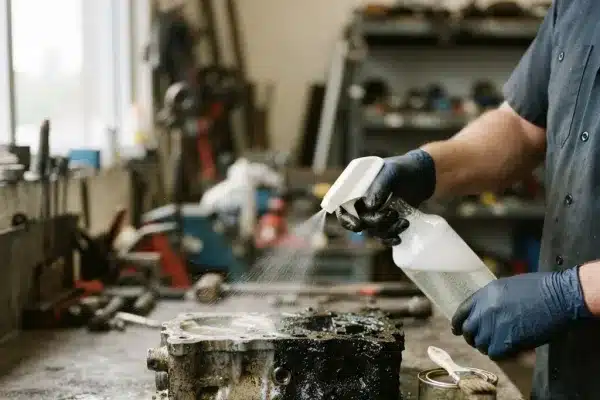
These two categories cover about 80 percent of the degreaser market. Choosing between them is the most important decision you'll make.
Where solvent-based degreasers win:
- Speed, they dissolve grease in seconds with no scrubbing
- No water required, spray and wipe, no rinsing
- Penetration, low viscosity creeps into tight crevices
- No residue if pure solvent, ideal before painting or welding
Where water-based alkaline degreasers win:
- Surface safety, won't damage paint, plastic, rubber, or aluminum
- Lower toxicity, can use indoors with basic ventilation
- Cost, concentrated formulas cost a fraction of solvents
- Environmental impact, biodegradable and non-flammable
- Rinsability, water carries grease away instead of transferring it to a rag
The catch: Water-based alkaline degreasers require thorough rinsing or they leave a film that attracts more dirt. Solvent-based degreasers require ventilation, gloves, and no ignition sources.
Who each is best for:
- Choose solvent-based for cleaning metal parts, engines, or tools in a ventilated shop. Speed matters more than safety margin.
- Choose water-based alkaline for kitchen surfaces, painted items, plastic, or anything indoors. Safety matters more than speed.
Our research across user reviews and manufacturer recommendations shows that most home users should stick with water-based alkaline for 90 percent of jobs. Keep a solvent spray for tough metal-only tasks.
How Different Ingredients Attack Different Kinds of Grease
Not all grease is the same. The chemical structure of the soil determines which degreaser will work.
Animal fats and vegetable oils are triglycerides. Alkaline degreasers saponify them, turning fat molecules into soap that rinses away. This is a chemical reaction, not just dissolution.
That's why alkaline cleaners work so well in kitchens.
Petroleum-based oils and greases are hydrocarbons. They don't saponify. Solvent degreasers dissolve them through molecular matching.
The solvent molecules surround the oil molecules and pull them into solution. Water-based alkaline cleaners can emulsify light petroleum oils with strong surfactants, but they struggle with heavy grease.
Baked-on carbon is partially polymerized oil. It requires either caustic alkaline to break the polymer bonds or aggressive solvents with extended dwell time. This is why oven cleaners contain high concentrations of sodium hydroxide.
Synthetic oils and lubricants are engineered to resist breakdown. Enzyme degreasers won't touch them. Standard alkaline cleaners struggle.
Solvent-based degreasers are usually the only effective option.
Mineral oils and metalworking fluids contain both petroleum and synthetic components. Acidic degreasers help when there's also rust or scale, but typically a two-step process of solvent then alkaline works best.
The takeaway: match the degreaser to the soil type. Bacon grease on a stovetop needs alkaline spray. A lawnmower engine needs solvent.
If you swap them, you'll either scrub forever or damage the surface.
Honest Trade-Offs: Strengths vs. Risks for Each Degreaser Type
Every degreaser chemistry comes with a risk-reward ratio.
| Type | Strength | Risk | Typical Range |
|---|---|---|---|
| Water-based alkaline | Safe on most surfaces, cheap, effective on food grease | Corrosive to aluminum, needs rinsing, can burn skin | pH 10-13 |
| Solvent-based | Instant action, no rinse, works on petroleum grease | Flammable, toxic fumes, damages paint and plastic | Flash point -20°C to 45°C |
| Citrus/terpene | Less toxic than petroleum solvents, biodegradable | Leaves oily film, costs more, skin irritant | D-limonene 5-20% |
| Acidic | Dissolves scale and rust alongside grease | Etches aluminum, stone, marble | pH 2-5 |
| Enzyme | Non-toxic, food-safe, gentle on all surfaces | Slow (15-30 min), ineffective on petroleum oils | Enzyme 0.1-2% |
Per OSHA guidelines, any degreaser with pH below 2 or above 12.5 requires chemical-resistant gloves and eye protection. Most alkaline degreasers hit the upper range.
The bottom line: fast and powerful means dangerous and surface-specific. Safe and gentle means slow and limited to certain soils. Keep two degreasers on hand.
Use a water-based alkaline for everyday cleaning and a solvent-based for tough metal jobs.
Common Surface Damage Scenarios — and How to Avoid Them
The most common damage complaints come from three specific mistakes.
Aluminum etching happens when caustic alkaline degreasers react with aluminum. The sodium hydroxide attacks the metal, producing hydrogen gas and leaving permanent dark stains. Use a non-caustic alkaline formula (pH under 10) or a solvent on aluminum.
Plastic crazing and cracking occurs when solvents attack ABS, polycarbonate, and acrylic. Within seconds, hairline cracks appear or surfaces turn cloudy. Check the plastic type before spraying.
Polypropylene and polyethylene resist solvents, but most other plastics don't.
Paint stripping is almost always from solvent degreasers. Mineral spirits, acetone, and toluene dissolve oil-based paints and soften water-based paints. Use a water-based alkaline cleaner on painted surfaces and test an inconspicuous spot first.
Marble and stone etching happens with any acidic degreaser. Phosphoric and citric acids eat into calcium carbonate, leaving dull white marks. Use enzyme or neutral-pH alkaline cleaners on natural stone.
Unfinished wood staining occurs when water-based degreasers raise the wood grain and leave dark residue. Vacuum first, then wipe with mineral spirits on a rag applied lightly.
5 Surfaces You Should Never Put the Wrong Degreaser On
Aluminum, Never use caustic alkaline (pH above 11). Use solvent-based or mild alkaline instead. Baking soda and water paste works for light grease.
Painted metal, Never use solvent-based degreasers. Use water-based alkaline with pH below 10. Rinse immediately and dry.
Plastic (ABS, polycarbonate, acrylic), Never use acetone, toluene, or strong solvents. Use isopropyl alcohol for electronics or mild citrus degreaser. Test a hidden area first.
Marble, limestone, travertine, Never use acidic or citrus degreasers. Use enzyme degreaser or neutral-pH cleaner labeled for stone.
Unfinished or raw wood, Never use water-based or solvent-based degreasers. Both cause staining. Vacuum and wipe with a barely damp cloth.
How to Choose the Right Degreaser for Any Job
| Job / Surface | Best Degreaser | Why |
|---|---|---|
| Kitchen stovetop | Water-based alkaline | Safe on ceramic and stainless steel |
| Oven interior | Caustic alkaline (pH 12+) | Breaks down polymerized grease |
| BBQ grill grates | Caustic alkaline or solvent | Heavy carbon needs aggressive chemistry |
| Engine block (cast iron) | Solvent-based | Dissolves petroleum grease instantly |
| Aluminum engine parts | Citrus or mild alkaline | Avoids caustic etching |
| Carburetor | Solvent-based carb cleaner | Fast evaporation, no residue |
| Circuit boards | Isopropyl alcohol (90%+) | Evaporates clean, safe on components |
| Painted car body | Mild alkaline (pH under 10) | Won't strip clear coat |
| Plastic cutting boards | Water-based alkaline | Solvents melt plastic |
| Food prep surfaces | Enzyme or mild citrus | Biodegradable, food-safe after rinse |
| Concrete garage floor | Citrus or heavy-duty alkaline | Penetrates deep, rinses clean |
| Driveway oil stain | Citrus degreaser | Less toxic than solvents |
| Tile grout | Alkaline for grease, acid for scale | Match the soil type |
| HVAC coils | Water-based alkaline | Safe for aluminum fins |
| Boat hull (gelcoat) | Water-based alkaline | Solvents dull gelcoat |
| Leather or upholstery | Enzyme or mild citrus | Harsh chemicals ruin leather |
| Hand tools | Solvent (mineral spirits) | Quick wipe, prevents rust if oiled after |
| Workshop machinery | Solvent or heavy alkaline | Depends on soil type |
| Oven racks | Caustic alkaline (soak) | Breaks down thick carbon layers |
Step-by-Step: How to Apply, Dwell, and Rinse Safely
Step 1: Test first. Apply a small amount to an inconspicuous area. Wait 30 seconds. Look for discoloration, dulling, or softening.
If the surface changes, switch to a milder degreaser.
Step 2: Apply the degreaser. Spray or brush on an even coat. For vertical surfaces, use a foaming formula so it clings. For soaked parts, submerge in a plastic tub.
Step 3: Let it dwell. This is the most common mistake. People spray and wipe immediately. Dwell time varies:
- Enzyme degreasers: 15 to 30 minutes
- Water-based alkaline: 3 to 10 minutes
- Solvent-based: 30 seconds to 2 minutes
- Caustic alkaline: 5 to 15 minutes (don't let it dry)
Step 4: Scrub if needed. Use a nylon brush for delicate surfaces, stiff bristle for metal. Never use steel wool on stainless steel.
Step 5: Rinse thoroughly. For water-based degreasers, rinse with clean water until suds are gone. For solvent-based, wipe with a clean rag until no residue transfers. For caustic alkaline, rinse twice and consider a vinegar-water rinse to neutralize.
Step 6: Dry completely. Moisture left behind causes rust or water spots. Use a clean towel or compressed air.
Critical Safety Rules: PPE, Ventilation, and Disposal
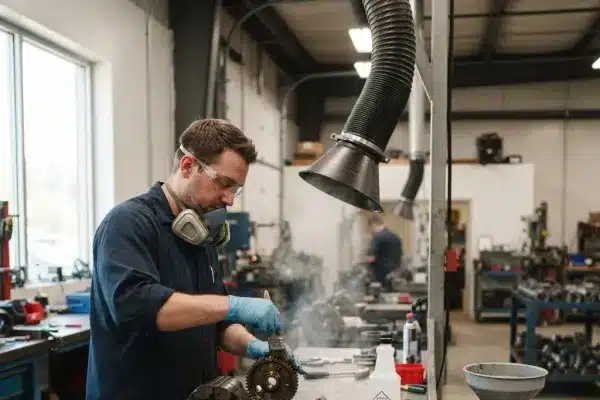
Gloves are non-negotiable. For alkaline degreasers with pH above 11, use nitrile gloves. For solvent-based degreasers, use nitrile or neoprene. For caustic or acid cleaners, use heavy-duty rubber gloves.
Eye protection is mandatory. A drop of concentrated alkaline cleaner in your eye can cause corneal damage in seconds. Wear safety glasses rated for chemical splash.
Ventilation prevents poisoning. Solvent degreasers release VOCs that cause dizziness and headaches. Work outdoors when possible. In a garage, open the door and use a fan blowing air out.
Never mix degreasers. Alkaline plus bleach produces toxic chlorine gas. Alkaline plus acid causes violent fizzing. Use one, rinse completely, then use another if needed.
Disposal rules vary. Solvent-based degreasers are hazardous waste in most areas. Never pour them down the drain. Water-based alkaline degreasers can often go down the drain with plenty of water.
Check local regulations.
Store degreasers properly. Keep in original containers with labels intact. Store away from heat, open flames, and direct sunlight. Flammable solvents belong in a flammable storage cabinet.
Keep all degreasers out of reach of children and pets.
When DIY Degreasing Isn't Enough
Some jobs are beyond a spray bottle and a rag.
Commercial kitchen exhaust systems require professional cleaning by code. The NFPA 96 standard mandates regular inspection. If grease drips from exhaust hood filters, call a certified kitchen exhaust cleaner.
Large concrete oil stains that have soaked deep into the slab need industrial-grade degreasers and pressure washing. DIY sprays only lift surface oil.
Restoration of antique or valuable items with grease damage needs a professional conservator. They'll test pH-neutral solvents first.
Hazmat or unknown chemical spills require trained responders. If you don't know what's on the floor, don't spray degreaser. Some chemicals react violently with alkaline or acid cleaners.
Degreaser Ingredient Cheat Sheet
| Ingredient | Found In | What It Does | Risk Level |
|---|---|---|---|
| Sodium hydroxide | Alkaline degreasers | Saponifies fats | High (corrosive) |
| Potassium hydroxide | Alkaline degreasers | Saponifies fats | High (corrosive) |
| Sodium metasilicate | Alkaline degreasers | Milder alkaline builder | Moderate |
| Mineral spirits | Solvent degreasers | Dissolves petroleum grease | High (flammable, toxic) |
| Acetone | Solvent degreasers | Fast-evaporating solvent | High (flammable) |
| D-Limonene | Citrus degreasers | Natural solvent | Moderate |
| Phosphoric acid | Acidic degreasers | Dissolves scale | High (corrosive) |
| Lipase / Protease | Enzyme degreasers | Breaks down fats and proteins | Low |
Frequently Asked Questions
Can I make my own degreaser at home?
Yes, for light jobs. Baking soda and water works on kitchen grease. White vinegar cuts mineral buildup.
But homemade degreasers can't match the chemical power of commercial formulas for heavy or petroleum-based grease. They also lack surfactants that lift and rinse dirt away.
Is citrus degreaser safe on all surfaces?
No. Citrus degreasers contain D-Limonene, which can soften some plastics and leave an oily film on glass and stainless steel. They're safe on metal, ceramic, and most painted surfaces.
Always test a hidden area first.
What happens if I mix bleach with a degreaser?
Never do this. Bleach mixed with alkaline degreasers releases toxic chlorine gas. Bleach mixed with acidic degreasers releases chlorine gas too.
Both combinations cause severe lung damage or death. Use one cleaner, rinse completely, then use another.
How do I dispose of old degreaser bottles?
Check your local hazardous waste guidelines. Solvent-based degreasers go to a household hazardous waste facility. Water-based alkaline degreasers can often go down the drain with running water.
Never pour degreasers into storm drains or onto the ground.
Can I use degreaser on my oven's self-cleaning coating?
No. Self-cleaning oven interiors have a special coating that degreasers damage. Follow the manufacturer's recommended cleaning method.
Wipe spills with a damp cloth while the oven is cool.
Why does my degreaser leave a white residue?
That's alkaline salts that weren't fully rinsed away. Hard water makes it worse. Rinse with distilled water or wipe with a damp cloth after the initial rinse.
A vinegar-water solution at 1 to 4 ratio neutralizes the residue and leaves surfaces streak-free.
