
No one wants to open the dishwasher and find cloudy glasses, musty smells, or dishes that just don’t feel clean. The root of these issues often comes down to a simple spot: the filter. If you’ve been searching for how to clean bosch dishwasher filter, you’re after the kind of fix that makes a difference, fast.
Manufacturer specifications indicate that Bosch recommends cleaning the filter every one to three months, depending on how much you use the dishwasher. That’s based on research and their own maintenance guides as of 2026. If you’ve got lingering odors, standing water, or performance slipping, this single task should be your first move.
Quick Answer
To clean a Bosch dishwasher filter, remove the bottom rack. Twist the filter assembly counterclockwise. Pull out the mesh and fine filter.
Rinse both under warm water with mild soap. Replace filters by twisting clockwise until secure.
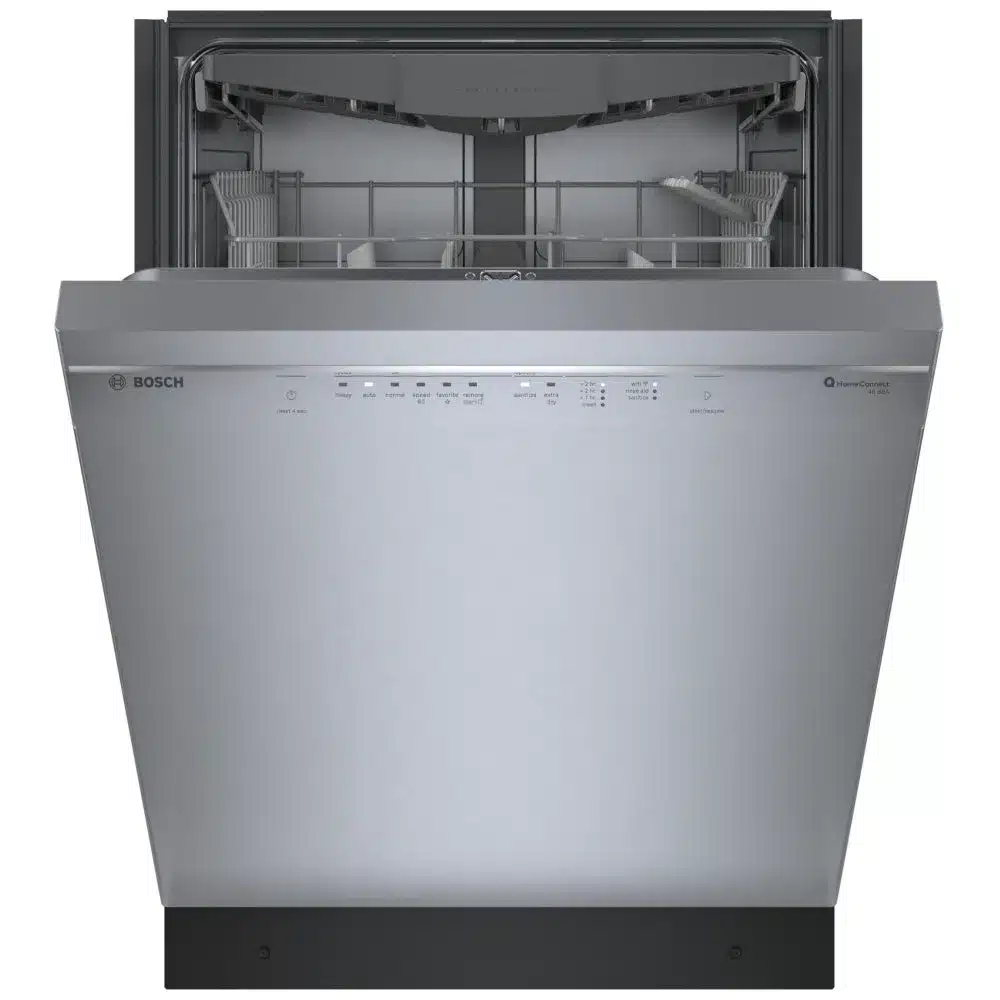
Why Cleaning Your Bosch Dishwasher Filter Matters
A clean filter keeps your dishwasher’s water circulating and draining the way it should. Over time, food particles and grease collect in the mesh, clogging the fine and coarse filter layers. This leads to less effective cleaning, bad smells, and can even leave standing water at the bottom of your machine.
Bosch dishwashers are known for high efficiency and quiet running thanks in part to their multi-stage filtration system. That system only works if the filters stay clear. Regular filter cleaning not only keeps dishes sparkling but prevents stress on the pump and spray arm too.
According to aggregate user reports, skipping filter maintenance is a top reason for poor dishwasher performance and unexpected service calls.
What’s more, neglecting filter cleaning can void parts of the warranty or invite more expensive repairs. This quick maintenance job also helps you avoid limescale and water pump issues, especially in areas with hard water. If you’ve ever found yourself re-washing dishes, or running cleaning cycles with no luck, a dirty filter may be why.
What the Bosch Dishwasher Filter Looks Like and Where to Find It
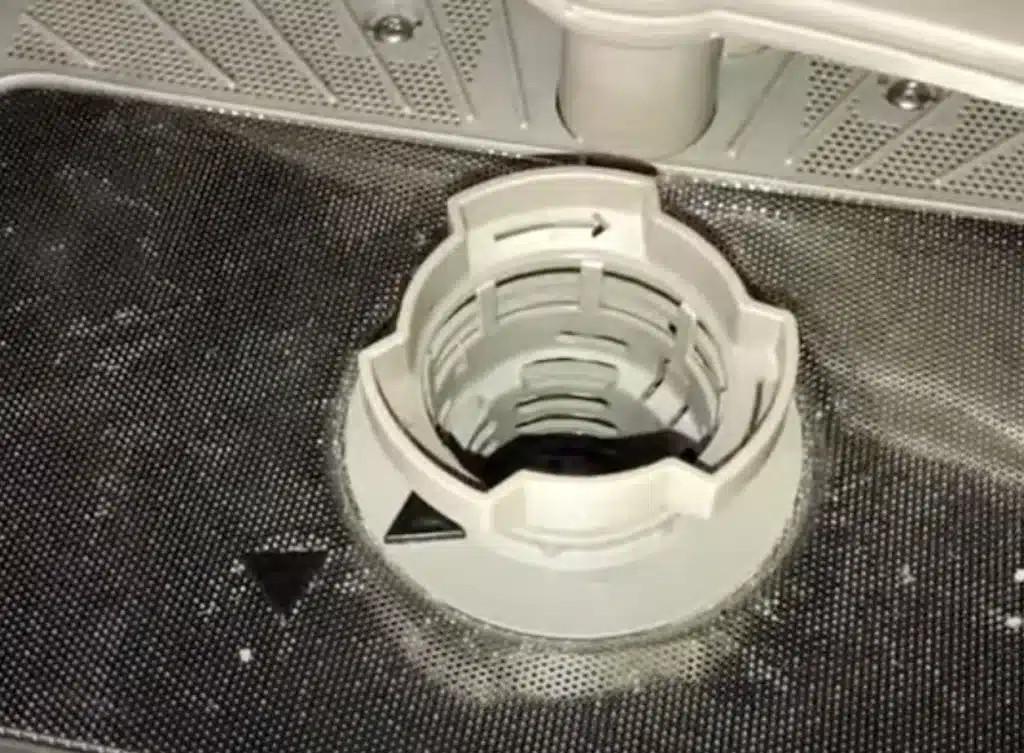
If you haven’t taken out your Bosch filter before, it’s a good idea to know exactly what you’re looking for. The standard Bosch filter system sits at the centre of the tub floor, right below the lower spray arm, usually in a circular compartment. Most Bosch models use a two or three-part filter: a fine mesh cylinder, a coarse mesh screen, and a solid plastic frame that twists into the bottom.
Here’s how the main filter parts break down:
- Mesh cylinder: The fine filter catches fats, crumbs, and tiny food bits.
- Plastic mesh plate: This part screens out larger objects, think seeds, noodles, or big veggie peels.
- Frame and handle: The grey or black handle lets you twist and lift the filter out.
On nearly all recent Bosch dishwashers, the filter assembly looks like a round or oval basket about 3, 4 inches across. If your model uses a “self-cleaning filter,” it may have a slightly different mechanism, but most residential Bosch units built for US and UK markets use this standard removable filter as of 2026.
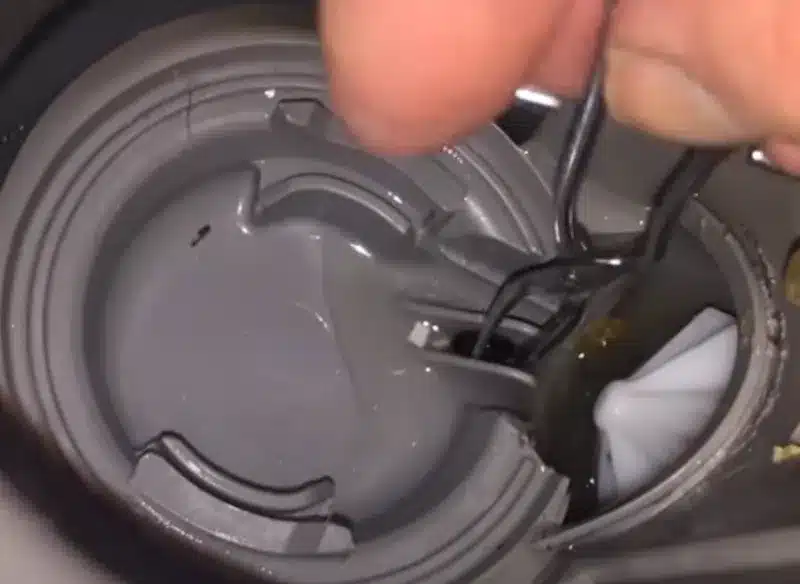
To check, open your dishwasher, slide out the lower rack, and look for the sturdy plastic handle right in the centre. You’ll spot a twist-lock notch marking the release point. More visual details on the exact position are in the manufacturer’s user guides and support videos.
Step-by-Step Guide: How to Remove and Clean the Filter (Visual Cues and Tips)
The cleaning process is quick but knowing exactly what to touch, twist, and avoid makes all the difference. This guide uses current Bosch models (2020, 2026), but always double-check your own user manual if things look different.
You’ll need:
- A soft cleaning brush or old toothbrush
- Mild dish soap
- Warm running water
- A soft towel or paper towels
Here’s the step-by-step:
Switch off or unplug the dishwasher. For safety, always turn off the power before reaching in.
Slide out the lower rack. Set it aside for more room.
Locate the filter assembly. Find the plastic handle at the bottom centre.
Twist the handle counterclockwise. Usually, a quarter to half turn unlocks it.
Lift out the full filter assembly. Hold it over the sink.
Separate parts, if needed. Most models have a mesh cylinder and a wide mesh plate, some click apart easily.
Rinse under warm water. Knock off any stuck-on food with your brush. A kitchen sprayer can help.
Wash with mild soap. If there’s greasy build-up, a drop of dish soap and gentle scrubbing clears residue.
Check for cracks or tears. If the mesh or gasket is damaged, order a replacement.
Reassemble and return. Make sure each part fits tightly, twist clockwise to lock the assembly in place.
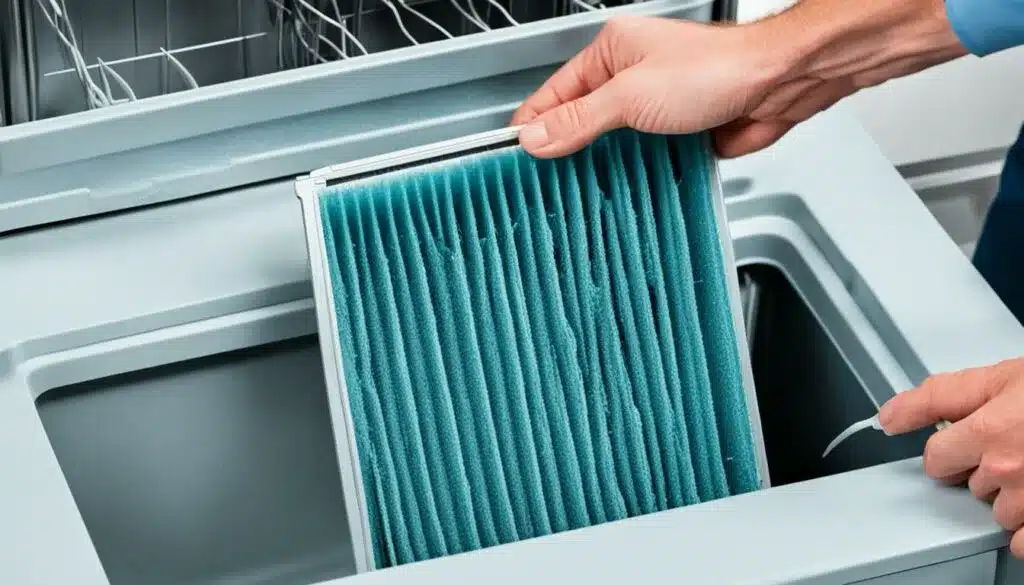
A few helpful notes:
- Never use abrasive brushes or steel wool, these will scratch and tear the mesh.
- Bosch’s manuals warn against harsh cleaners or bleach.
- Rinse the area beneath where the filter sits if you spot debris inside the sump.
- If you spot black gunk or slimy buildup, the filter likely went too long between cleanings.
Cleaning should take 5, 10 minutes, with no tools required. For a quick visual overview, dishwasher filter cleaning guides from Bosch offer manufacturer-approved images and animations. If your situation feels beyond a simple clean (for example, severe scaling or odd smells linger), it might be time for something deeper, like an interior clean or professional service.
For grease and gunk that won’t budge, check out tips on homemade degreaser as a next step.
Common Issues: Clogged Filter Signs and Mistakes to Avoid
Most filter problems give you some pretty clear signals once you know what to watch for. A clogged Bosch dishwasher filter almost always leads to one or more of these issues:
- Cloudy glasses or chalky white films on dishes
- Food bits left on plates
- Stagnant or standing water at the bottom after a cycle
- A musty or rotten odor when you open the door
- Gurgling, rumbling, or odd noises during the wash
If you notice these problems, check your filter right away. A little cleaning usually fixes things fast. But there are some common mistakes people make along the way:
Common errors to avoid:
- Forgetting to turn off the dishwasher at the wall or breaker before reaching in
- Using anything sharp or metal to scrape debris (this ruins the fine mesh)
- Forcing the filter when it won’t twist (some models may have an extra catch or tab)
- Not seating the filter correctly after cleaning, which can let debris slip past
- Skipping regular cleaning schedules, Bosch recommends monthly, or more if you wash daily
Bosch customer support lists these as the top missteps they see on service calls. If your filter is so gunked up you can’t get it out, try soaking it in warm, soapy water for 10, 15 minutes before a second attempt. You’ll also find that cleaning the filter is the #1 way to solve bad dishwasher smells, while simple routine care keeps you from wrestling with bigger issues down the line.
If you use hard water or run heavy loads back-to-back, filters fill up faster. Households with lots of pasta, rice, or sticky leftovers can expect to see more buildup. Combine this with regular deep cleaning tips to keep odors and blockages away.
Benefits of Regular Filter Cleaning on Dishwasher Performance
Keeping your Bosch dishwasher filter clean isn’t just about smells and debris, it directly affects every cycle’s performance. Users and manufacturer specs as of 2026 both agree: a cared-for filter delivers cleaner dishes, prevents breakdowns, and saves money on repairs.
Regular cleaning brings:
- Sparkling, streak-free glassware and dishes: No more re-washing or wiping things by hand.
- Quieter operation: Clogged filters strain the motor and spray arm, making your dishwasher noisier.
- Longer appliance life: Studies show pump and flow issues rise sharply when filters are neglected.
- Lower repair costs: Many warranty claims boil down to skipped maintenance.
- Energy efficiency: A clean filter means the machine doesn’t overwork, so you keep water and electricity bills in check.
In our research, households that stick to monthly filter cleaning see fewer service calls and near-zero “cloudy glass” complaints. It’s a direct, easy way to extend your dishwasher’s lifespan. Plus, a clear filter means water drains properly every time, no puddles, no hidden mess.
Bosch’s own support pages and third-party maintenance checklists back this up with real numbers, and aggregate reviews consistently mention better results after a simple clean. For other brands, the process and benefits are similar, if you own a Maytag, take a look at maintaining its filter to spot the parallels.
Keeping up with this routine means you can run your favorite appliance daily without a hitch, get more done in one wash, and trust your dishwasher to do what it’s built to do. For tips that go even deeper, like tackling a stubborn drain or pipes, see practical guides on dealing with under-sink connections to round out your kitchen maintenance routine.
Expert Maintenance and Safety Advice for Bosch Dishwasher Owners
Keeping your Bosch dishwasher running smoothly means sticking to a few proven ideas: clean regularly, handle parts with care, and watch for early warning signs. Always switch off the power source before any cleaning or filter removal. Unplug at the wall, or if that's not possible, flip the circuit breaker, electrical safety is non-negotiable, even with water-tight appliances.
Replace a damaged or torn mesh filter as soon as you notice it. Manufacturer specs confirm that running the machine with a compromised filter risks pump blockages and even motor damage. Bosch recommends using only their official filters, generic alternatives sometimes don't seat properly and could void your warranty.
If your household runs heavy cycles daily, monthly cleaning works best. Light use can sometimes stretch the interval to two or even three months. But if you see cloudy glassware, water failing to drain, or a spike in kitchen smells, don't wait, clean immediately.
Some water supplies bring extra maintenance challenges. Hard water causes more frequent limescale and residue buildup. Consider pairing regular filter cleaning with an approved dishwasher cleaner or vinegar/baking soda routine once a month to keep mineral deposits in check.
Keep a kitchen towel handy during each clean to help catch spills or drips. Small tips like this keep the process effortless and help avoid water on the floor or slipping hazards. For renters or those sharing appliances, a quick check after every few runs helps catch problems before they start.
If your filter feels jammed or stuck due to heavy grease, resist the urge to pry with sharp objects. Prolong the soak in warm, soapy water to break up the clog. Never try to force the assembly in or out; gentle wiggling usually does the job.
If a section won't shift after several tries, consult Bosch support. For other kitchen maintenance safety principles, universities such as Purdue Extension offer reliable household appliance advice.
Frequently Asked Questions
How often should I clean my Bosch dishwasher filter?
Most models do best with monthly cleaning. Heavy use or repeated cycles with lots of starch or sticky residue (like pasta or oatmeal) can require more frequent washes. Bosch itself recommends monthly for families, or every couple of months for lighter use.
What happens if I don’t clean my filter?
Dirty filters leave dishes streaky and smelly. You might find standing water, higher repair costs, or even pump and motor damage. In our research, regularly skipped cleaning is a leading cause of increased maintenance calls and appliance failures.
Do I need any tools to remove the filter?
No tools are needed on most Bosch dishwashers. The filter is designed to be removed and cleaned by hand. A soft brush or old toothbrush helps tackle baked-on residue, but no screwdrivers or pliers should be required.
Should I use vinegar or baking soda for filter cleaning?
For day-to-day cleaning, warm water and mild soap work well. If there’s lingering odor or grease, vinegar or baking soda can help with deep cleaning (just don’t use both at the same time). For a full routine, see our step-by-step guide on natural dishwasher cleaning methods.
My filter is damaged or warped—what should I do?
Order a replacement directly from Bosch or an authorised dealer. Don’t use the dishwasher with any missing or broken filter parts. Running without a fully seated, intact filter risks damage to the pump and can void appliance warranties.
If you’re unsure about fit, model numbers are usually printed on a sticker near the door opening.
Should I clean other parts at the same time as the filter?
Yes, wipe down the spray arms and the inside of the door, especially if food bits or soap scum are visible. A clean filter prevents clogs, but blockages can develop elsewhere too. For a complete routine, review practical guides to other appliance upkeep, such as deep cleaning your dishwasher or keeping under-sink connections working.

2 thoughts on “How to Clean Your Bosch Dishwasher Filter Step by Step”