
Figuring out how to store cookie sheets efficiently is the first step toward a functional kitchen. Stacking them horizontally creates an avalanche every time you need one pan. Vertical storage solves this problem instantly by giving each sheet its own dedicated slot.
You get full access without disturbing the rest of your bakeware collection.
Standard half-sheet pans measure 18 inches by 13 inches, which dictates your minimum clearance requirements. Manufacturer specifications indicate that rimmed pans need at least 1.5 inches of width per slot to slide freely. Getting these measurements right prevents scratched coatings and bent edges during daily use.
Let’s look at why your current setup might be failing.
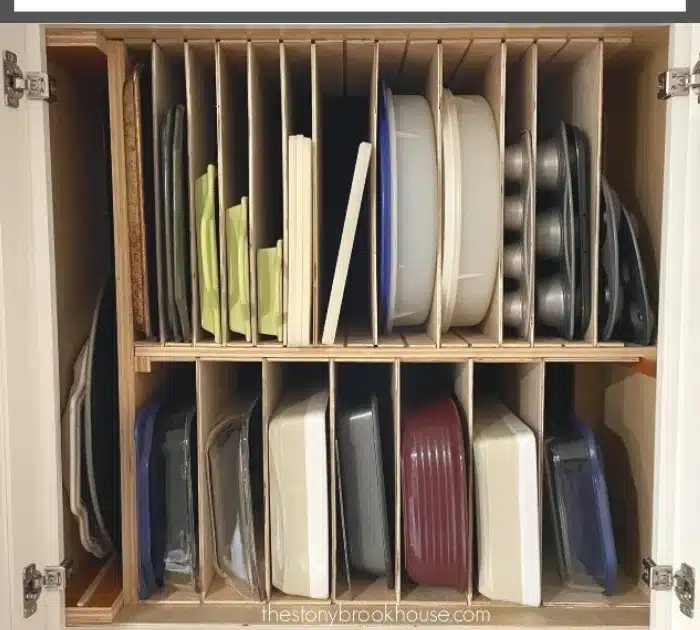
Image source: Web (Bing) / thestonybrookhouse.com (Web image (fair-use with source credit))
Quick Answer
Store cookie sheets vertically in dedicated slots. Use dividers or racks to separate each pan. Measure your cabinet depth before buying organizers.
Protect non-stick surfaces with felt or silicone separators. Keep heavy items low to prevent drawer damage.
Why Your Current Cookie Sheet Storage Isn't Working
Horizontal stacking wastes valuable vertical space inside standard base cabinets. Most shelves have significant unused air gap above a pile of flat metal trays. This dead zone could hold mixing bowls or appliances if the pans were oriented differently.
Reclaiming this space often doubles your effective storage capacity without adding new cabinetry.
The physical act of retrieving a bottom sheet from a stack causes unnecessary wear. Metal edges scrape against non-stick coatings during extraction, creating micro-abrasions over time. Aggregate reviews report that this friction is the primary cause of premature coating failure in home kitchens.
Scratched surfaces lose their release properties and become difficult to clean.
Safety is another major concern with unstable horizontal piles. Heavy aluminum sheets can shift unexpectedly when you pull one out quickly. This creates a risk of pinched fingers or loud crashes that startle household members.
Proper support structures eliminate this hazard entirely by securing each piece individually.
Moisture trapping between stacked pans promotes corrosion on uncoated steel or aluminum. Humid environments accelerate this process, especially if pans are stored while slightly damp. Separating them allows airflow to reach all surfaces, keeping everything dry and sanitary.
This simple change extends the lifespan of your entire bakeware set significantly.
The 3-Step Assessment: Inventory, Space, and Access Needs
You must know exactly what you own before selecting any organization system. Count every baking tray, cooling rack, and silicone mat currently in your possession. Separate them into daily use, seasonal rotation, and donation piles based on actual frequency.
Keeping only what you actively use prevents overcrowding and simplifies future maintenance decisions.
Measure the interior dimensions of your target cabinet or drawer carefully. Standard base cabinets typically offer 22 to 24 inches of usable depth after accounting for doors and hardware. Record the exact height and width available for dividers or pull-out mechanisms.
These hard numbers determine whether off-the-shelf solutions will fit or require custom modification.
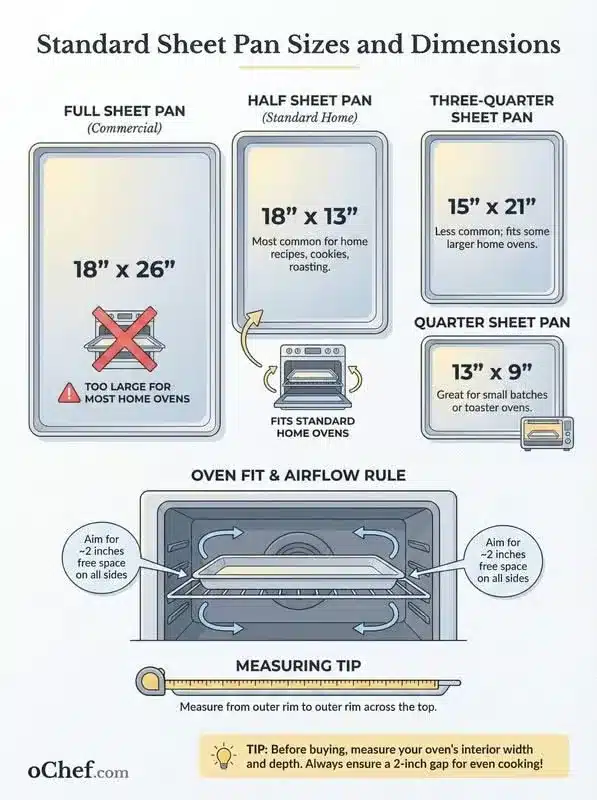
Image source: Web (Bing) / artofit.org (Web image (fair-use with source credit))
Assess who needs access and how often they bake. Professional home bakers benefit from prime real estate placement near the oven for workflow efficiency. Casual users might prefer higher shelves or secondary storage areas to free up convenient spots.
Matching placement to usage patterns ensures the system actually gets used long-term.
Consider mobility limitations or ergonomic preferences during this planning phase. Deep lower cabinets require bending and reaching that may not suit everyone. Pull-out systems or door-mounted racks bring contents forward to reduce strain.
Prioritizing accessibility prevents frustration and ensures safe retrieval for all household members.
Choosing Your Storage Method Based on Cabinet Layout
Vertical file organizers work best for deep base cabinets with fixed shelving. They transform wasted vertical gaps into accessible slots for rimmed baking sheets. Look for adjustable models that accommodate both quarter-sheet and half-sheet sizes.
This flexibility allows you to reconfigure as your collection evolves over time.
Door-mounted racks utilize otherwise dead space behind cabinet doors effectively. They are ideal for narrow gaps where internal shelving cannot fit. Verify hinge weight ratings before installation to avoid sagging or mechanical failure.
This method keeps lightweight items visible and reachable without consuming shelf area.
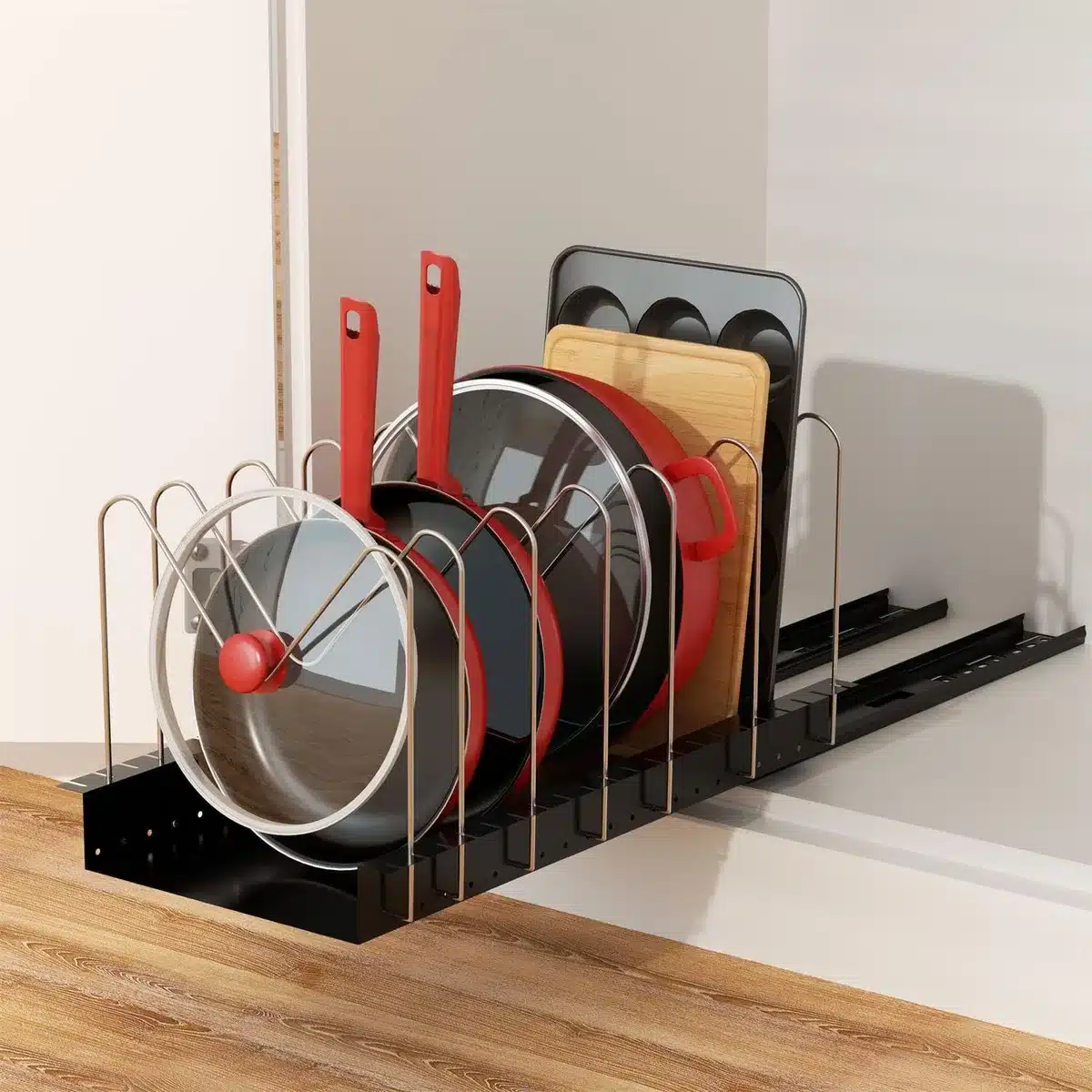
Image source: Web (Bing) / amazon.com (Web image (fair-use with source credit))
Drawer inserts with pegboard systems offer superior visibility and customization. You can move pegs to create custom widths for odd-sized pans or cooling racks. This modularity supports mixed inventories better than fixed-slot alternatives.
Ensure drawer bottoms can support the concentrated weight of multiple steel trays before committing.
Tension rods provide a renter-friendly solution requiring no drilling or permanent adhesive. They work well in upper cabinets or pantries with solid side walls. However, they have lower weight limits than screwed-in hardware and may slip under heavy loads.
Reserve this option for lighter collections or temporary setups where modification is prohibited.
| Storage Method | Best For | Weight Capacity | Installation Type |
|---|---|---|---|
| Vertical File Organizer | Deep base cabinets | High (20-40 lbs) | Freestanding or Screw-mount |
| Door-Mounted Rack | Narrow spaces, visibility | Medium (10-15 lbs) | Screw-mount or Adhesive |
| Drawer Peg System | Mixed sizes, visibility | High (30+ lbs) | Drawer Insert |
| Tension Rod Divider | Renters, light loads | Low (5-10 lbs) | Pressure Fit |
Installation and Setup Workflow for Each System
Clean all interior surfaces thoroughly before installing any hardware or organizer. Grease and dust compromise adhesive bonds and attract pests over time. We recommend using a homemade degreaser to ensure a pristine mounting surface.
Allow everything to dry completely before proceeding to prevent mold growth behind panels.
Test-fit freestanding units before committing to a final position. Load them with your heaviest pans to check stability and clearance. Adjust divider spacing to allow smooth insertion without forcing or scraping.
This dry run reveals sizing issues before you drill holes or apply permanent adhesives.
Secure screw-mounted hardware directly into cabinet framing rather than just particle board. Particle board alone cannot reliably support dynamic loads of moving metal pans. Pre-drill pilot holes to prevent splitting and ensure tight fastener engagement.
Follow manufacturer torque specifications to avoid stripping soft wood substrates during assembly.
Label slots or zones if multiple people share the kitchen space. Clear signage helps others return items correctly without guessing or asking. This reduces clutter creep and maintains the system's integrity over months of use.
Simple visual cues make compliance effortless for guests or children helping with cleanup.
Common Storage Mistakes That Ruin Bakeware
Storing pans directly against each other without protection destroys non-stick finishes rapidly. Metal-on-metal contact acts like sandpaper during every insertion and removal cycle. Always use felt separators or silicone bumpers between nested items if stacking is unavoidable.
This small investment preserves expensive coatings far longer than replacement costs.
Overloading drawers beyond their structural rating causes bottom panels to bow or detach. Concentrated point loads from steel edges exceed the design limits of many stock cabinet boxes. Distribute weight evenly across the drawer footprint using wide-base organizers.
Reinforce weak drawer bottoms with plywood backing if necessary for heavy professional collections.
Ignoring ventilation leads to rust and bacterial growth in humid climates. Sealed plastic bins or tightly packed slots trap moisture against metal surfaces. Choose open-wire designs or slotted dividers that promote passive airflow around each pan.
Wipe down items before storage to remove residual water from washing.
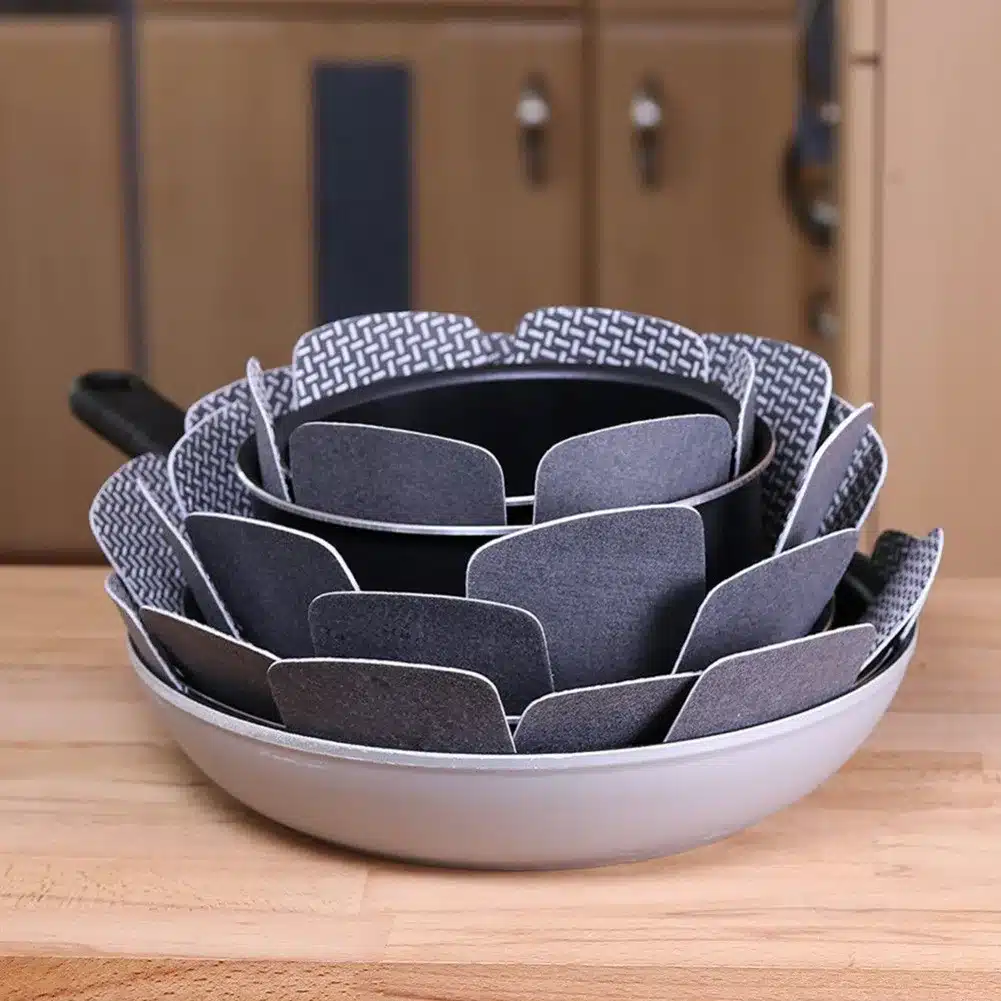
Image source: Bing (Web (fair-use with source credit))
Using incorrect slot widths bends rims and warps flat surfaces permanently. Forcing a thick insulated sheet into a narrow gap stresses the metal structure. Measure your thickest pan including handles before purchasing fixed-width organizers.
Adjustable systems eliminate this guesswork and accommodate future purchases safely.
Neglecting regular maintenance allows grime to accumulate in organizer crevices. Crumbs and grease build up in slots, attracting insects and contaminating clean pans. Schedule quarterly cleaning sessions to wipe down dividers and inspect hardware.
If you notice persistent residue, consider cleaning burnt-on grease from pans before returning them to storage.
Maintenance and Long-Term Organization Tips
Inspect your storage hardware every six months for loose screws or failing adhesive. Vibrations from daily use gradually loosen fasteners in particle board cabinets. Tightening connections proactively prevents sudden failures that could damage pans or cabinetry.
Replace worn felt pads or silicone bumpers immediately to maintain surface protection.
Wipe down organizer slots monthly to remove accumulated crumbs and grease residue. Sticky buildup attracts pests and transfers grime back onto clean bakeware over time. A simple vinegar solution works well for sanitizing without harsh chemical odors.
This routine keeps the storage environment as hygienic as the pans themselves.
Rotate seasonal items to keep frequently used sheets in prime positions. Holiday-specific molds and specialty trays can move to secondary storage during off-months. This cyclical approach ensures daily drivers always occupy the most accessible slots.
You avoid digging through unused gear just to grab a standard half-sheet pan.
Re-evaluate your system annually as your baking habits or collection changes. New purchases or discarded items shift spatial requirements and access patterns. What worked perfectly last year might now feel cramped or inefficient.
Adjusting dividers or swapping organizers keeps the setup aligned with current reality rather than past needs.
If you notice persistent odors despite cleaning, check for hidden moisture sources nearby. Leaky pipes or dishwasher vents can introduce humidity that promotes mold growth inside cabinets. Addressing these underlying issues protects both your bakeware and kitchen air quality.
Proper ventilation remains essential for long-term storage success in any climate.
Consider linking this maintenance schedule with other kitchen upkeep tasks for efficiency. For example, checking dishwasher filter cleanliness at the same interval ensures appliances supporting your baking stay functional too. Bundling chores reduces mental load and ensures nothing gets neglected.
Consistent care preserves both equipment and organization systems simultaneously.
Frequently Asked Questions About Storing Cookie Sheets
Can I store cookie sheets vertically without a rack?
Yes, but you need some form of separation to prevent scratching and sliding. Tension rods or repurposed file organizers provide budget-friendly vertical support without permanent installation. Without dividers, pans will lean unevenly and damage each other.
Stability is just as important as orientation for safe retrieval.
How do I measure my cabinet for a bakeware organizer?
Measure interior width, height, and depth after removing existing shelves or hardware. Account for door clearance and hinge protrusions that reduce usable space. Compare these dimensions against product specifications before purchasing any system.
Even half-inch discrepancies can prevent proper fitment in tight spaces.
What is the best way to store non-stick baking sheets?
Always separate non-stick surfaces with felt, cloth, or silicone protectors when stacking. Vertical storage with adequate slot width eliminates contact entirely and is preferred. Never nest non-stick pans directly inside each other without barriers.
Coating damage from friction is irreversible and compromises food release performance.
Are drawer inserts better than cabinet dividers for cookie sheets?
Drawer inserts offer superior visibility and ergonomic access compared to deep cabinet dividers. They work best in wide drawers with reinforced bottoms capable of supporting heavy loads. Cabinet dividers suit narrower spaces or rental situations where drawer modification isn't possible.
Choose based on your specific cabinet layout and physical accessibility needs.
How many cookie sheets should I keep in my kitchen?
Most home bakers need two to four half-sheet pans for daily rotation plus cooling capacity. Keep only what fits comfortably in your designated storage zone without forcing. Excess pans create clutter and make retrieval frustrating during active baking sessions.
Donate duplicates or damaged items to maintain an efficient, functional collection.
