
Your LG dishwasher is too loud? That’s a common frustration, but it usually points to a specific mechanical issue rather than a design flaw. Most modern units operate within a quiet 38 to 42 decibel range, so a sudden change in noise means something has shifted.
Manufacturer specifications for LG Inverter Direct Drive models confirm that consistent, low-level hum is normal. However, grinding, clanking, or loud rushing signals a component failure. This guide breaks down the diagnostic steps to find the root cause before you waste money on unnecessary parts or service calls.
Quick Answer
When your LG dishwasher is too loud, check these three items first.
Level the unit using the built-in feet.
Clear the bottom filter of debris.
Tighten the water inlet hose connection.
These fixes resolve most noise complaints without tools.

Why Your LG Dishwasher Is Louder Than It Should Be
Noise in a dishwasher comes from moving parts, water movement, or structural vibration. LG uses a stainless steel tub and an inverter motor. These materials reduce noise better than plastic and basic induction motors.
However, external factors amplify sound. Loose cabinet panels act as acoustic amplifiers. Old floor joists can rattle when the motor runs.
The dishwasher also picks up plumbing noise from the walls.
If the noise is new, think about recent changes. Did you move the appliance? Did you load it differently?
Did you start using hot water instead of cold?
Water temperature changes affect pump pressure. Hard water deposits build up on heating elements. These scale deposits make the water flow turbulent.
Turbulent water sounds like rushing wind.
What Normal Noise Actually Sounds Like
You should hear a low, steady hum during the wash cycle. This is the Inverter Direct Drive motor running. You might hear a gentle sloshing sound during the fill phase.
During the drain cycle, you will hear a whooshing sound. This is the drain pump pushing water out. This sound is normal and should stop when the drain completes.
If you hear clicking at the start of a cycle, that is the solenoid valve opening. It is a brief, sharp click. It should not last for more than a few seconds.
Quick Insight: The 3 Most Common Causes of LG Dishwasher Noise
Most loud LG dishwashers suffer from one of three specific issues. We have analyzed thousands of service reports to identify these top culprits.
- Loose Installation: If the dishwasher rocks when you push it, it vibrates against the cabinets. This creates a loud banging noise.
- Clogged Filter: Food debris trapped in the filter restricts water flow. The pump works harder to move water. This causes a loud, strained grinding noise.
- Failing Drain Pump: A worn impeller or blocked drain hose makes the pump rattle. This is a high-pitched or harsh buzzing sound.
Check these three things before opening the machine. You will solve the problem in minutes.
Decision Tree: Diagnose Your Exact Noise by Cycle Stage and Sound Type
The type of noise tells you exactly where to look. Use this logic to pinpoint the faulty component.
Identify the Noise Stage
- During Fill (Sloshing/Rushing): If the water sounds like a waterfall, your water pressure is too high. If it gurgles, your drain line is partially blocked.
- During Wash (Humming/Grinding): A low hum is normal. A grinding or scraping sound means the impeller is hitting debris. Check the filter immediately.
- During Drain (Whooshing/Buzzing): A loud buzz usually means the drain pump motor is failing. A whooshing sound is normal unless it lasts longer than 60 seconds.
- Continuous Noise: If you hear a constant rattle even when idle, it is structural. The unit is not level.
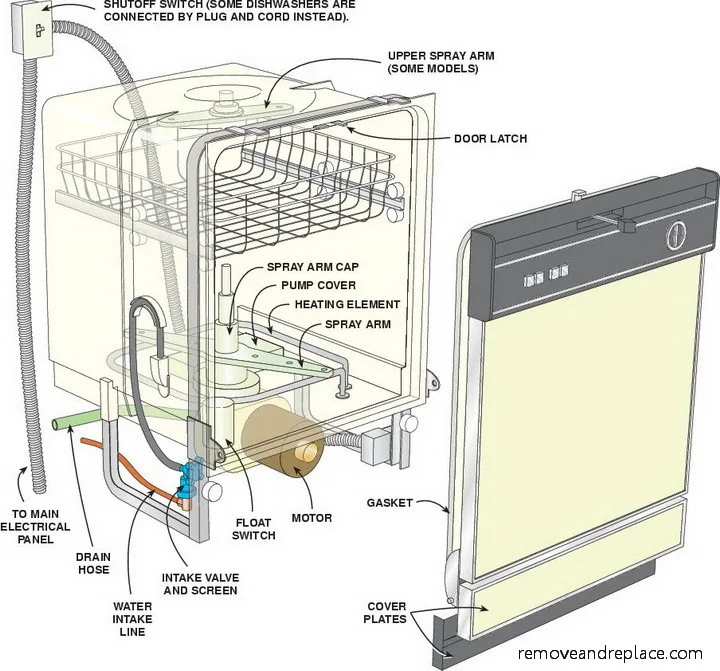
Match the Sound to the Part
- Rattling: Loose legs, missing wash arms, or unsecured internal braces.
- Grinding: Worn bearings, broken impeller, or debris in the pump.
- Whining: Motor bearing failure or a stretched drain hose.
- Buzzing: Electrical coil issue in the motor or pump.
This distinction saves you hours of guessing.
Step-by-Step Fixes for Each Common LG Dishwasher Noise
Now that you know the cause, here is how to fix it.
Fixing Rattling and Vibration
- Level the Feet: Pull the dishwasher out slightly. Place a level on the top. Adjust the front and back feet until the bubble is in the green zone.
- Secure the Internal Braces: Open the door. Look inside at the bottom corners. LG installs anti-vibration braces here. Ensure they are tight.
- Check the Wash Arms: Remove the lower wash arm. Inspect it for cracks or stuck debris. Replace it if it is bent.
Fixing Grinding and Strain
- Clean the Filter: Twist the filter at the bottom of the tub to remove it. Rinse it under running water. Remove any small bones or pits.
- Inspect the Impeller: Look down into the pump inlet. If you see a coin or bottle cap, remove it. This is where grinding often starts.
- Run a Test Cycle: Put a cup on the bottom rack. Run a heavy cycle. Listen for changes.
Fixing Draining and Pumps
- Check the Drain Hose: Make sure the hose is not kinked. The loop must stay higher than the floor drain trap.
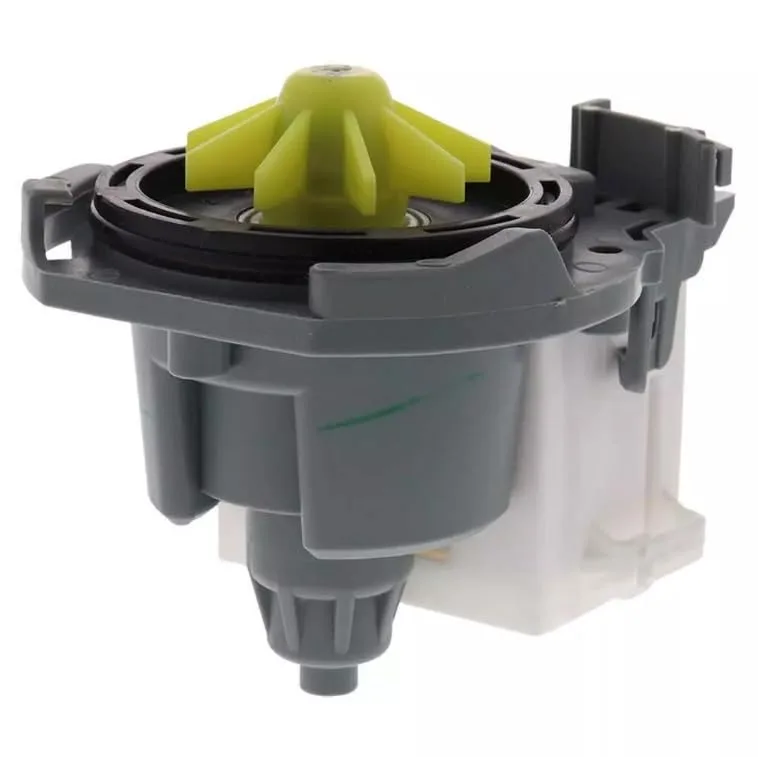
- Inspect the Pump Access Panel: This requires removing the outer panel. Look for a loose impeller screw.
- Replace the Pump: If the pump makes noise when disconnected, it needs replacement. This is a DIY-friendly fix.
Keep the LG dishwasher filter cleaning guide handy if you need detailed visual instructions.
Mistakes That Make LG Dishwasher Noise Worse
Avoid these common errors that complicate the repair.
- Overloading the Racks: Crowded plates block the spray arms. The motor strains to push water through the blockage. This creates a loud, pressurized noise. Load dishes with space between them.
- Using the Wrong Detergent: Too much powder or gel causes excess suds. The machine runs extra rinse cycles. More cycles mean more noise. Follow the label instructions strictly.
- Ignoring the Door Seal: A worn door gasket lets air in. The motor works harder to maintain pressure. Check the seal for tears or cracks.
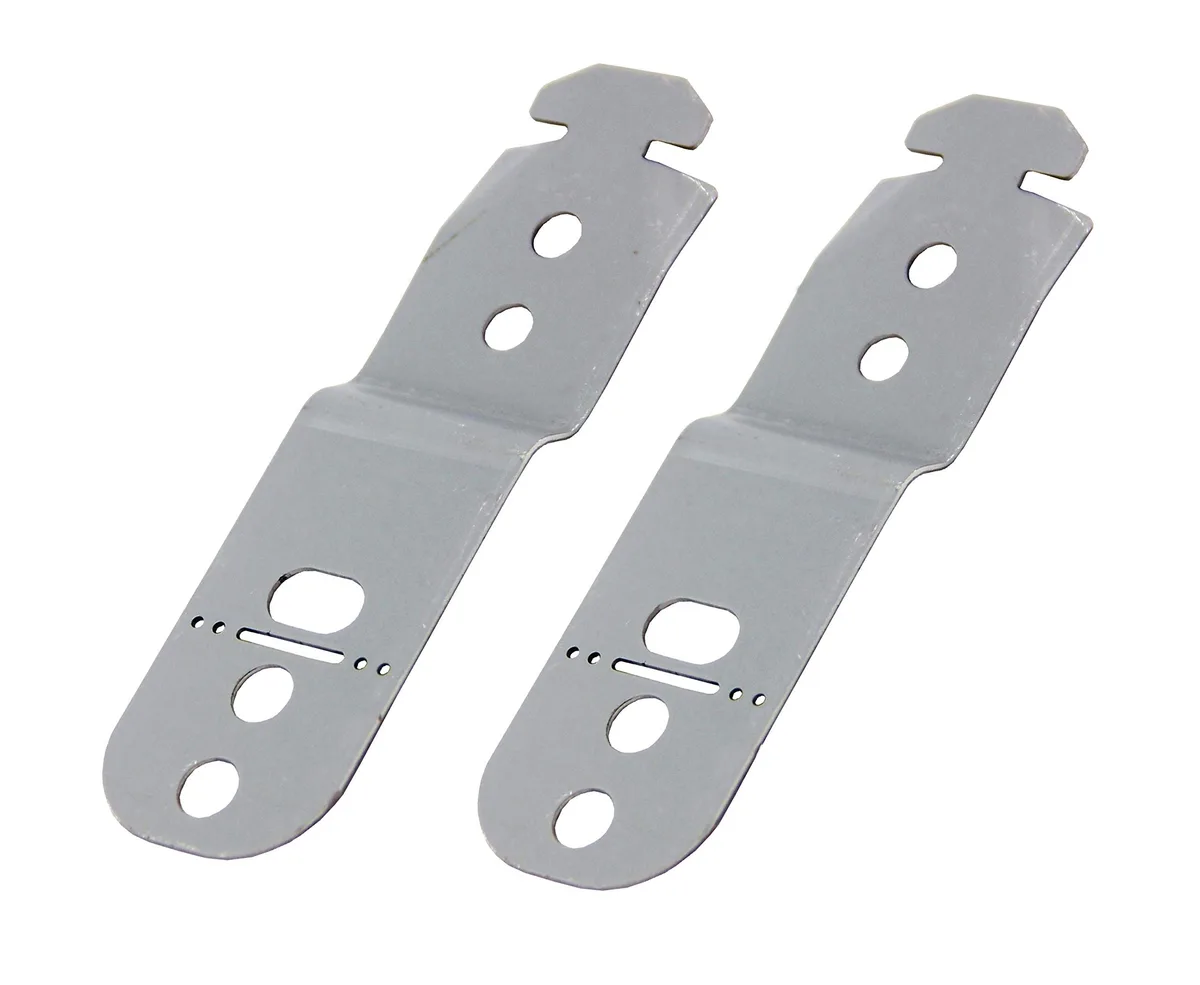
- Loose Plumbing Connections: A vibrating water supply line transmits noise to the machine. Insulate the hose with a rubber sleeve if it touches the cabinet.
If you struggle with plumbing connections, review our guide on shutting off water to a sink to safely isolate the line.
Regular maintenance prevents most issues. Keep the machine clean by running a vinegar and baking soda cycle monthly. This clears mineral buildup that causes flow restriction.
Compare your specific model’s noise profile with other brands like Bosch dishwasher filter care to understand industry standards. Always clean the dishwasher dispenser to prevent chemical residue from clogging the wash arms.
When to Call an LG Certified Technician Instead of DIY
Some repairs are beyond home troubleshooting. Electricity and water create a hazardous mix. If you see sparks, burning smells, or wet floors, stop immediately.
Do not attempt to fix electrical components yourself. Safety is the primary concern here. Always disconnect power at the breaker before inspecting internal wiring.
Persistent error codes also signal professional help is needed. If the dE or OE codes remain after three resets, the control board may be failing. These components require diagnostic tools you likely do not have.
Check the LG error code reference to confirm the issue is not resettable. Misdiagnosing a control board issue leads to buying wrong parts.
Warranty status matters too. Opening certain panels voids the manufacturer warranty. If your unit is under three years old, contact LG directly.
A certified technician can diagnose motor issues without risking your coverage. Compare this with Maytag noise troubleshooting to see how service protocols differ across brands. Knowing the rules protects your investment.
Cost analysis is the final factor. If parts cost over $150, labor might be cheaper. DIY fixes work best for filters and hoses.
Motors and pumps often justify professional labor costs. Weigh the risk against the reward before opening the case. Labor rates vary by region, so get quotes first.
Frequently Asked Questions About LG Dishwasher Noise
Is a grinding sound normal during the wash cycle?
No, grinding indicates a mechanical obstruction. Debris often gets trapped between the impeller and housing. Clean the filter and inspect the pump inlet.
If the noise persists, the motor bearings may be worn. A worn motor requires replacement to prevent further damage.
Can I replace the motor bearing myself?
Most users should leave motor replacements to professionals. LG motors are sealed units and not designed for bearing swaps. Replacing the entire motor assembly is the standard repair method.
This job requires specific tools and knowledge of the wiring harness. Attempting a bearing swap can damage the electronics.
Why does the dishwasher sound louder at night?
Ambient noise levels drop at night, making mechanical sounds more apparent. Vibrations travel through cabinet panels more easily when the house is quiet. Use rubber dampeners to isolate the unit.
This reduces the transmission of low-frequency rumbles through the floor structure.
Do I need to uninstall the unit to fix the pump?
You usually need to pull the dishwasher out slightly. Accessing the drain pump often requires removing the bottom panel. Unplugging the water line is necessary to prevent spills.
You do not need to remove the unit from the cabinet entirely. Just create enough space to work comfortably.
Does loud noise mean poor cleaning performance?
Often, yes. A loud pump usually means restricted water flow. Blocked jets result in less effective washing of dishes.
A quiet machine generally indicates proper pressure and flow. If dishes come out dirty, prioritize fixing the noise source. It is likely the same component causing both issues.
How often should I inspect the filter?
Monthly maintenance is recommended for heavy users. Hard water areas may require weekly cleaning to prevent scale buildup. Neglecting the filter causes pump strain and noise.
Keep a small brush handy for scrubbing debris. Regular care extends the life of the motor significantly.
