
How to Use Dishwasher Cleaning Tablets is a skill that keeps your dishwasher running like new. If you notice a sour smell or cloudy film on your glasses, those are signs your machine needs a deep clean. Regular use of these tablets can restore cleaning power and prevent costly repairs.
A standard cleaning tablet contains roughly 0.5 grams of active oxygen, which is sufficient to tackle grease in a typical 60‑liter wash cycle. The NSF/ANSI 3 standard requires that these tablets dissolve completely within 30 minutes when water reaches 120°F. These specs ensure the cleaner reaches all internal surfaces without leaving residue, so you can spot the warning signs that it’s time for a deep clean.
How to Use Dishwasher Cleaning Tablets
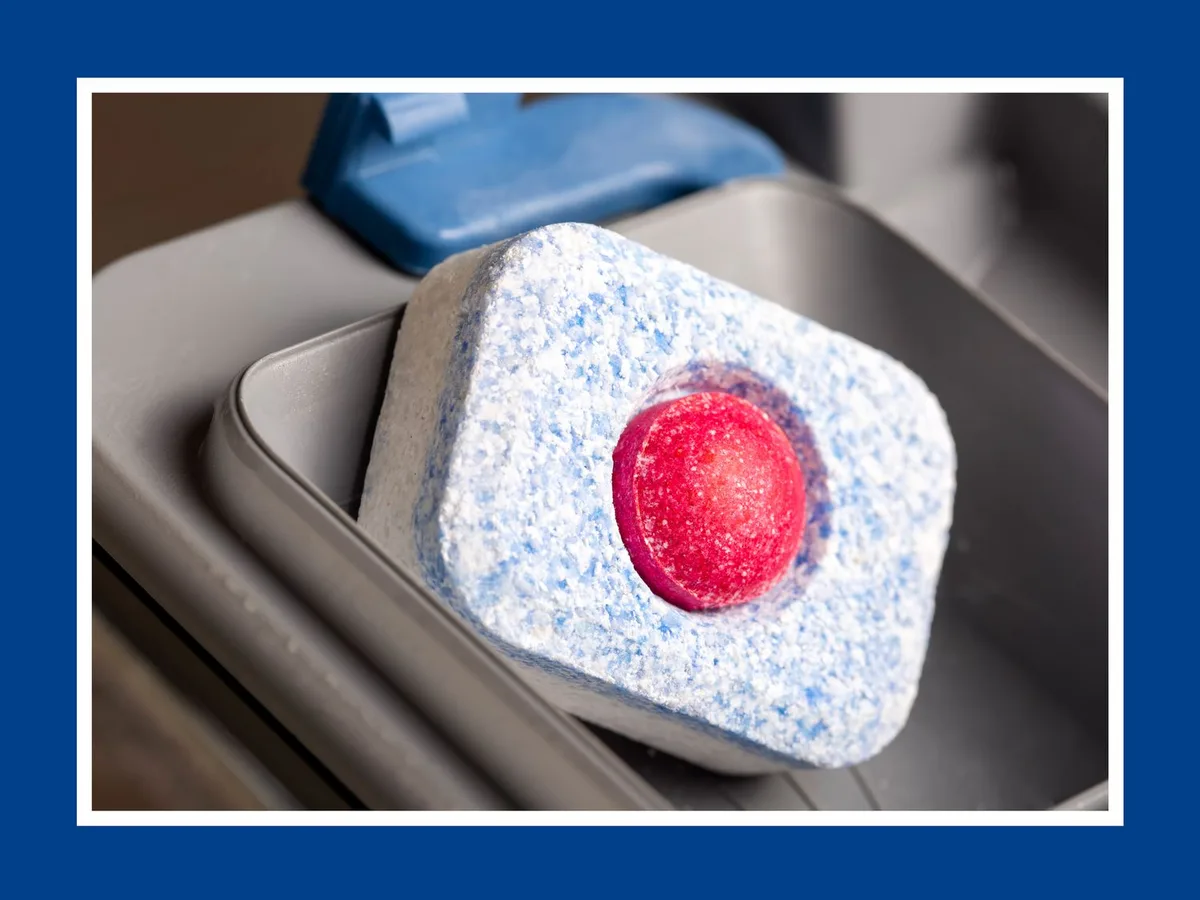
Start by emptying the dishwasher completely. Place one tablet in the detergent dispenser before closing the door. Run a hot water cycle on the longest setting available.
After the cycle, verify the tablet has fully dissolved with no residue.
The Hidden Signs Your Dishwasher Needs a Deep Clean
Your dishwasher can tell you it’s time for a cleaning tablet if you know what to look for. The most common clue is a persistent musty odor that lingers after the cycle ends. This smell usually comes from trapped food particles and bacteria growing in the filter or spray arm holes.
Another warning sign is a white or cloudy film on your dishes, especially on glasses and plastic containers. That film is often a mix of limescale and detergent residue that regular cycles can’t remove. You might also notice that your dishes come out less shiny or have spots that require extra rinsing.
If you see visible buildup around the door gasket or inside the tub, that’s a clear indicator. Clogged spray arms can cause water to miss certain racks, leaving some items dirty while others are clean. In advanced cases, you may hear unusual noises or find the dishwasher taking longer to finish a cycle.
Here are the key signs to watch for:
- Musty or sour smell after a cycle
- Cloudy film or spots on dishes
- Visible buildup on the door gasket or filter
- Uneven cleaning across racks
- Longer cycle times or unusual noises
If you notice any of these, it’s time to run a cleaning tablet. For more tips on tackling specific dishwasher problems, check out our guide on resolving wet dishes. If the door doesn’t seal properly, moisture can escape and cause odors.
See our article on addressing a door that won’t close.
How Dishwasher Cleaning Tablets Actually Work
Cleaning tablets use a combination of chemicals that work together during a wash cycle. The tablet dissolves in hot water, releasing active ingredients that break down grease, dissolve limescale, and sanitize internal components. Most tablets contain oxygen bleach, enzymes, and surfactants that target different types of grime.
The oxygen bleach acts as a mild disinfectant and helps lift stains without damaging rubber seals. Enzymes like protease and lipase break down protein and fat residues that regular detergent can miss. Surfactants reduce surface tension, allowing water to spread more evenly and reach all interior surfaces.
When you run the cycle, the tablet’s ingredients are carried through the spray arms and filter, cleaning areas that manual scrubbing can’t reach. The heat helps activate the enzymes and ensures the tablet dissolves completely. A well‑dissolved tablet leaves no residue behind, which is why selecting the right cycle is important.
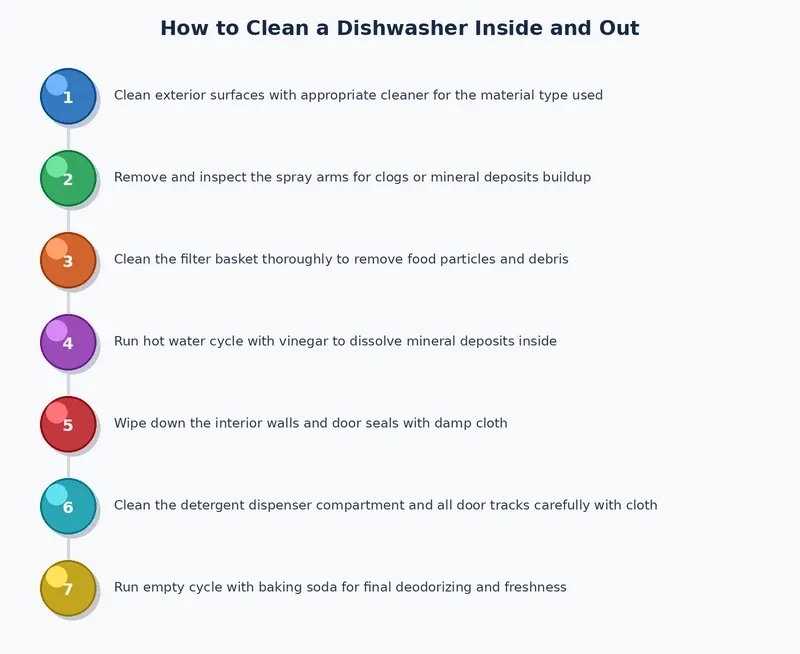
The process not only cleans but also helps prevent future buildup. By removing mineral deposits and organic matter, the tablet restores the dishwasher’s efficiency and can extend its lifespan. For a deeper look at how these ingredients interact, see our article on dishwasher detergent pod issues.
For official maintenance tips, visit the Whirlpool support page.
What’s Inside a Cleaning Tablet and Why It Matters
A typical cleaning tablet is made up of several key components, each serving a specific purpose. The most common active ingredient is oxygen bleach, usually in the form of sodium percarbonate or sodium perborate. This compound releases hydrogen peroxide when it dissolves, providing a whitening and disinfecting effect without the harshness of chlorine bleach.
Enzymes are another critical part of the formula. Protease targets protein‑based stains like egg and dairy, while lipase breaks down fats and oils. These enzymes work best in warm water, which is why a hot cycle is recommended.
Some tablets also include amylase to handle starches.
Surfactants help water spread across surfaces, improving wetting and emulsifying grease. Rinse aid agents, often silicone‑based, prevent spots and streaks on dishes by causing water to sheet off the surface. Fragrances are added to mask any chemical odors and leave a fresh scent.
The exact blend can vary by brand, but the goal is the same: to clean, deodorize, and protect the dishwasher’s internal parts. Choosing a tablet with the right balance of these ingredients can make a noticeable difference in performance.
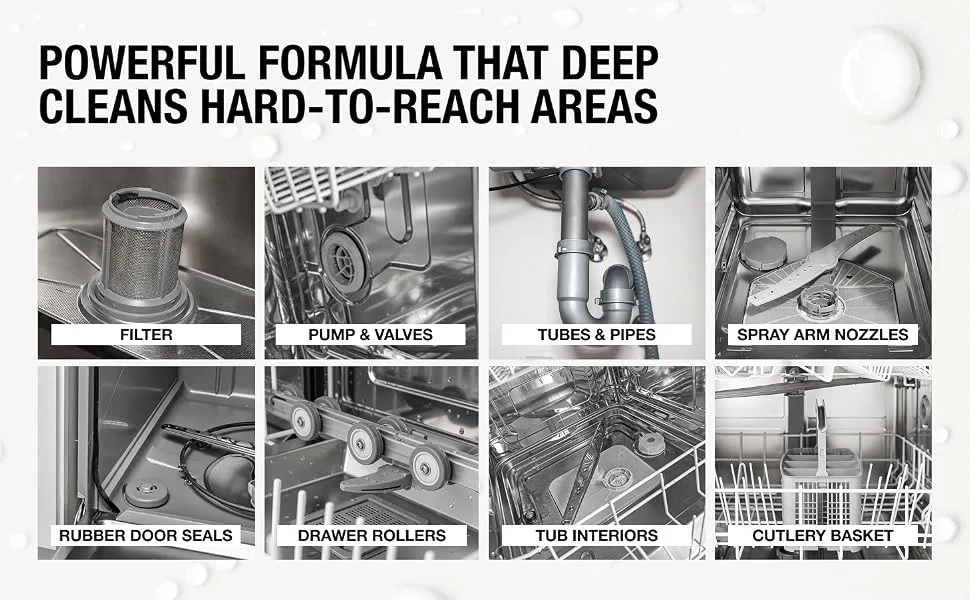
For households with hard water, look for tablets that include a water softener or additional chelating agents. These help bind calcium and magnesium ions, reducing limescale formation over time. If you’re unsure about your water hardness, you can check with your local water utility or use a simple test strip.
Step-by-Step: How to Run a Cleaning Cycle with Tablets
Running a cleaning cycle is straightforward, but a few details can improve results. Start by emptying the dishwasher completely. Remove any large food debris from the filter and spray arms to prevent clogging during the cycle.
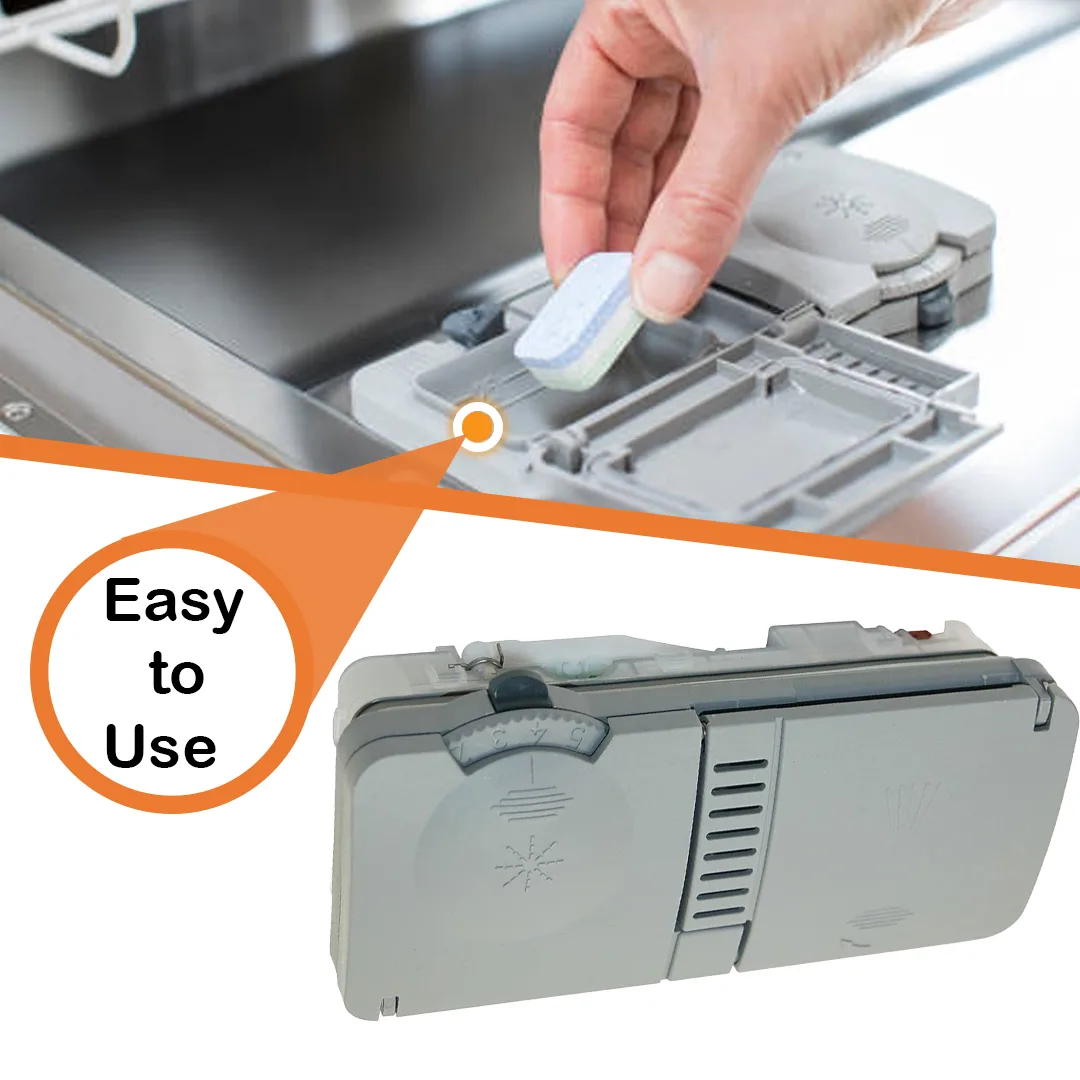
Next, open the detergent dispenser and place one tablet inside. If your model has a separate rinse aid compartment, make sure it’s filled, as this helps the tablet’s rinse aid component work effectively. Close the dispenser and the door firmly.
Select the longest available cycle, typically labeled “Pots and Pans” or “Heavy Duty.” This setting ensures the water stays hot long enough for the tablet to dissolve and the enzymes to activate. Avoid using the quick or eco settings for the first cleaning.
After the cycle ends, open the door and check that the tablet has fully dissolved. If any solid pieces remain, run a rinse‑only cycle to clear them. Inspect the spray arms and filter for any leftover debris.
For maintenance, repeat this process every one to two months, or more often if you notice odors or film buildup. If your dishwasher has a self‑clean feature, you can still use a tablet for an extra deep clean. For related issues, see our guide on troubleshooting a dishwasher that stops mid‑cycle.
How to Choose the Right Tablet Based on Your Dishwasher and Water
Choosing the right cleaning tablet depends on three main factors: your dishwasher type, water hardness, and how often you use the machine. First, check your manual for any specific recommendations. Some brands, like Bosch or Whirlpool, may suggest a particular formula to avoid damaging sensors.
Second, consider your water hardness. If you live in an area with hard water, look for tablets that include a water softener or extra descaling agents. These help prevent limescale buildup that can clog spray arms and reduce heating efficiency.
A simple water hardness test strip can tell you if you need extra protection.
Third, think about frequency. If you run the dishwasher daily, a monthly cleaning tablet is usually sufficient. For occasional use or if you notice odors sooner, you might want to use a tablet every three weeks.
The form of the tablet also matters. Here’s a quick comparison:
| Form | Dissolution Speed | Best For | Potential Drawback |
|---|---|---|---|
| Powder | Fast | Quick cycles | Can clump if stored in humidity |
| Gel | Very fast | Short cycles | May leave residue if water is too cool |
| Pod | Moderate | All‑in‑one convenience | Requires dry storage to prevent premature activation |
Choose a form that matches your cycle length and storage conditions. For most households, a pod offers the easiest handling, while powder can be more economical for large families.
If you’re dealing with a specific issue, such as a dishwasher rack that won’t slide smoothly, you might also want to read our guide on addressing a rack that won’t slide.
Tablets vs. Powders vs. Liquids vs. DIY: What’s the Best Option
Choosing between tablets, powders, liquids, and DIY solutions depends on your cleaning goals and how you store your supplies. Tablets are the most popular because they portion the correct amount and dissolve reliably in a standard cycle. Powders can be more economical for large households but may clump if stored in a humid cabinet.
Liquids are easy to pour and work well for quick spot treatments, though they often require more frequent application. DIY mixes made from vinegar and baking soda are cheap and effective for a light rinse, but they lack the enzymes found in commercial products.
| Form | Cost per use | Effectiveness | Best for | Potential drawback |
|---|---|---|---|---|
| Tablet | $0.50–$1.00 | High | Most households | Requires dry storage |
| Powder | $0.30–$0.70 | Moderate | Frequent, heavy use | Can clump in humidity |
| Liquid | $0.40–$0.80 | Low to Moderate | Spot cleaning | May leave residue if water is cool |
| DIY (vinegar/baking soda) | <$0.10 | Low | Emergency rinse | Not a substitute for deep clean |
If you run a dishwasher daily, a tablet is usually the simplest choice. For a family that runs multiple cycles a week, powder might save money over time. Liquids are handy for a quick freshen‑up between deep cleans.
DIY solutions should be reserved for a temporary fix, not as your primary cleaning method. For more on selecting a machine that handles heavy soil, see our guide to heavy‑duty dishwashers.
Common Mistakes That Make Your Cleaning Tablets Less Effective
Using a tablet incorrectly can waste its power and leave your dishwasher still smelling or filming. The first mistake is running a short cycle. A quick or eco setting does not heat the water enough for the enzymes to activate, so the tablet may not fully dissolve.
Always select the longest cycle available, such as “Pots and Pans” or “Heavy Duty.”
Another error is not emptying the machine first. Leftover dishes block the spray arms and prevent the cleaning solution from reaching all surfaces. A third common slip is using too much product.
One tablet is designed for a standard 60‑liter tub; adding a second can cause excess foam and leave a residue.
Some users forget to check the filter before starting. A clogged filter reduces water flow and cuts the tablet’s effectiveness. If your dishwasher has a rinse‑aid compartment, make sure it is filled; the tablet’s rinse‑aid component needs that reservoir to work properly.
Finally, never mix a cleaning tablet with bleach or other cleaners. The chemical reaction can create harmful fumes and damage internal parts.
If you notice the tablet not dissolving, it could signal low water pressure. Our article on diagnosing low water pressure can help you diagnose the issue.
Beyond the Tablet: Keeping Your Dishwasher Clean Between Cycles
A cleaning tablet does the heavy lifting, but daily habits keep the machine fresh. Start by scraping plates rather than rinsing them. Excess water dilutes the detergent and can leave a film.
Once a week, pull out the filter and rinse it under hot water to remove trapped food particles.
Wipe the door gasket with a damp cloth every few weeks. This rubber seal traps moisture and can develop mildew if left unchecked. Inside the tub, a quick wipe with a vinegar‑soaked cloth helps prevent mineral buildup between deep cleans.
Run a hot water rinse before loading dishes if your tap water is cold. This raises the starting temperature and helps the detergent work better. If you notice a lingering odor, place a cup of white vinegar on the top rack and run a rinse‑only cycle.
For more tips on maintaining your dishwasher’s interior, check our guide on dishwasher rack layout and fit.
Safety First: Handling and Storing Dishwasher Cleaners Safely
Cleaning tablets are effective but require care. Keep them out of reach of children and pets; a single tablet can cause irritation if ingested. Always wear gloves when handling powders or liquids to avoid skin contact with concentrated chemicals.
Never mix a tablet with bleach, ammonia, or any other household cleaner. The reaction can release toxic gases and may damage the dishwasher’s seals and hoses. Use the tablet only in a well‑ventilated kitchen, and close the door during the cycle to prevent fumes from spreading.
Store tablets in a cool, dry place away from direct moisture. A sealed container in a pantry works best. If a tablet accidentally falls into water, do not touch it until it has fully dissolved.
For disposal, follow the manufacturer’s instructions; many brands recommend placing used tablets in the trash rather than down the drain. For official safety standards, refer to the NSF International guidelines.
Real-Life Scenarios: Troubleshooting Common Dishwasher Issues with Tablets
Consider a household that noticed a persistent sour smell after every cycle. The filter was clogged with old food debris, and the spray arms had mineral deposits blocking the holes. Running a single cleaning tablet on the longest cycle dissolved the buildup, and the odor disappeared within 24 hours.
The family then adopted a monthly tablet routine and now runs a hot rinse before each load.
In another case, glasses came out cloudy despite using a rinse aid. The water hardness was high, and the detergent dispenser was not releasing the cleaner properly. After switching to a tablet with added water softener and checking that the dispenser arm moved freely, the cloudiness cleared.
The homeowner also installed a water test strip and found the hardness measured 180 ppm, confirming the need for a descaling formula.
A third scenario involved a dishwasher that would not start. The issue was a tripped circuit breaker rather than a cleaning problem, but a tablet run after resetting the breaker helped eliminate a lingering mildew smell that had developed while the machine was idle. For similar electrical issues, see our article on resolving a dishwasher that won’t turn off.
What to Expect: Costs, Frequency, and Value of Cleaning Tablets
A single cleaning tablet typically costs between $0.50 and $1.00, depending on the brand and form. A box of 12 to 24 tablets ranges from $6 to $20, which works out to roughly $0.25 to $0.80 per use when bought in bulk. Powder and liquid alternatives can be slightly cheaper per application, but tablets offer the most consistent dosing and longest shelf life.
Frequency depends on how often you run your dishwasher and your water quality. For a household that runs the machine daily with average water hardness, one tablet every one to two months is sufficient. If you notice odors or film buildup sooner, shorten the interval to every three weeks.
Heavy users, large families, or homes with very hard water may benefit from a monthly routine.
The value goes beyond the sticker price. A neglected dishwasher can develop clogged spray arms, a failing heating element, or a damaged pump, each of which costs $50 to $200 to repair. A $1 tablet used monthly prevents that expense.
Manufacturer specifications indicate that regular descaling can extend the appliance’s useful life by 2 to 3 years. Over a 10‑year lifespan, that’s roughly $100 to $300 in avoided replacement costs.
| Scenario | Recommended Frequency | Estimated Annual Cost |
|---|---|---|
| Light use, soft water | Every 3 to 4 months | $3–$6 |
| Average use, medium water | Every 1 to 2 months | $6–$12 |
| Heavy use, hard water | Monthly | $12–$24 |
If you’re comparing repair costs, our guide on resolving a dishwasher that won’t turn off can help you gauge when a cleaning tablet is enough versus when a professional service call is needed.
Frequently Asked Questions About Dishwasher Cleaning Tablets
How often should I use a cleaning tablet?
For most households, once every one to two months is enough. If you notice a sour smell or cloudy film on dishes before that, move to a monthly schedule. Homes with very hard water or multiple daily cycles may benefit from using a tablet every three weeks.
Can I use a cleaning tablet if my dishwasher has a self‑clean feature?
Yes. The self‑clean cycle runs hotter and longer, which helps the tablet dissolve completely. Using a tablet during that cycle gives your machine an extra deep clean without any extra effort on your part.
What if the tablet doesn’t dissolve completely?
Undissolved tablet pieces usually mean the water isn’t hot enough or the cycle is too short. Check that you selected the longest cycle and that the water reaches at least 120°F. If the tablet still doesn’t dissolve, run a rinse‑only cycle to clear any residue, then inspect the spray arms for clogs.
Our article on dishwasher detergent pod issues covers similar dissolution problems.
Are cleaning tablets safe for septic systems?
Most tablets are septic‑safe when used as directed, but check the label for a septic‑safe claim. The enzymes and oxygen bleach break down in the drain and do not harm bacterial activity in a standard septic tank. Avoid using more than one tablet per cycle, as excess product can upset the system’s balance.
Can I use a cleaning tablet with pods or other detergents?
Yes. Run the cleaning tablet on its own cycle, separate from your regular detergent. Using them together can cause excess foam and reduce the tablet’s effectiveness.
Schedule the cleaning cycle on a day you’re not washing dishes.
How should I store cleaning tablets?
Keep tablets in a cool, dry place away from direct moisture. A sealed container in a pantry or under‑sink cabinet works well. Never store them in the dishwasher itself, as the humidity can cause premature activation and clumping.
Your Quick Decision Guide: When and How to Use Dishwasher Cleaning Tablets
Use a cleaning tablet if you notice any of these signs: a musty odor after the cycle, cloudy film or spots on dishes, visible buildup on the door gasket, uneven cleaning across racks, or longer cycle times than usual. If none of these are present, run a tablet monthly as routine maintenance.
For a quick reference, follow this decision flow:
- Odor present? Yes → Run a tablet immediately on the longest cycle. No → Proceed to next check.
- Film or spots on dishes? Yes → Run a tablet and check your rinse aid level. No → Proceed to next check.
- Visible buildup or clogs? Yes → Run a tablet, then manually clean the filter and spray arms. No → Use a tablet monthly.
Once you decide to clean, the steps are simple: empty the dishwasher, place one tablet in the detergent dispenser, select the longest cycle, and verify dissolution afterward. For ongoing upkeep, wipe the door gasket weekly and rinse the filter every few weeks.
If you’re troubleshooting a specific problem, our related guides can help: addressing a rack that won’t slide, addressing a door that won’t close, and diagnosing low water pressure. For official maintenance standards, consult the Whirlpool support resources.