
Hard water is a common problem in many homes, leaving white spots on glasses and a film on plates. It also reduces the efficiency of your dishwasher and can shorten its lifespan. Understanding how to counteract these minerals is the first step toward better cleaning.
About 85% of U.S. homes have water that exceeds 7 grains per gallon, the threshold the U.S. Geological Survey classifies as hard. That level of hardness accelerates limescale buildup inside your appliance.
In the sections below we will walk through each step to set up and maintain a softener.
How to Use a Dishwasher Water Softener
To use a dishwasher water softener, first test your water hardness. Then fill the salt reservoir with dishwasher salt. Set the hardness dial to match your test result.
Run a short cycle to flush the system. The softener will regenerate automatically every few weeks.
The Problem: Hard Water and Your Dishwasher
Hard water contains dissolved calcium and magnesium. These minerals interfere with detergent and leave deposits on dishes. You may notice white spots, a cloudy film, or increased rinse aid use.
Common signs include:
- White spots on glassware
- Cloudy film on plates
- Need for extra rinse aid
- Longer drying times
- Scale inside the tub
The table below shows how hardness levels affect performance.
| Hardness Level | Grains per Gallon (GPG) | Typical Effects |
|---|---|---|
| Soft | 0-3.5 | Minimal scaling, good cleaning |
| Moderately Hard | 3.5-7.0 | Slight spotting, occasional film |
| Hard | 7.0-10.5 | Noticeable spots, reduced efficiency |
| Very Hard | >10.5 | Heavy scale, frequent maintenance needed |
You can check your local water hardness on the USGS water hardness map. If your dishwasher struggles to dry dishes, our guide on fixing a dishwasher that won't dry can help.
In addition to cosmetic issues, hard water forces the heating element to work harder. That extra effort raises energy use and can shorten the element's life. A softener reduces that strain and keeps the tub clean.
Mineral buildup also clogs spray arm jets. When the jets are blocked, water does not reach all dishes. That leads to poor cleaning even with a full load.
Quick Insight: What a Water Softener Does for Dishes
A dishwasher water softener uses ion‑exchange resin to swap calcium and magnesium ions for sodium. This process prevents scale and improves cleaning.
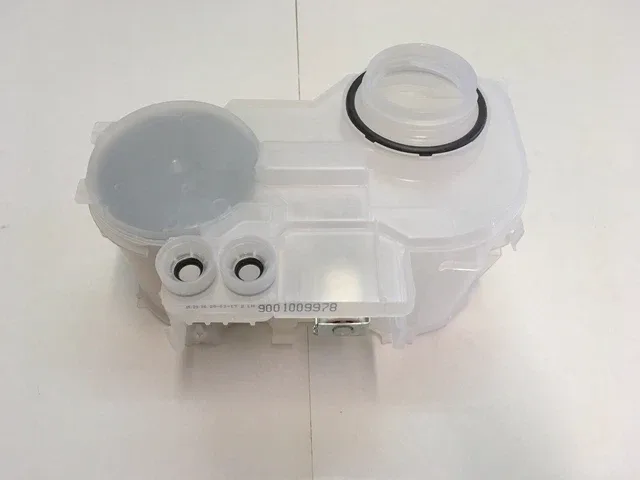
The softener works automatically during each cycle. If you have ever wondered about detergent pod dissolution, proper softening can help there too.
By removing minerals, the softener also improves detergent performance. Detergent can focus on breaking down food instead of fighting hard water. That means cleaner dishes with less product.
Soft water also helps glasses dry without spots. The absence of minerals allows water to evaporate evenly. That reduces the need for manual drying.
How It Works: The Science Behind Dishwasher Softeners
The core of a dishwasher softener is a resin tank filled with tiny beads. These beads are saturated with sodium ions from salt. When hard water passes through, calcium and magnesium attach to the beads and are removed.
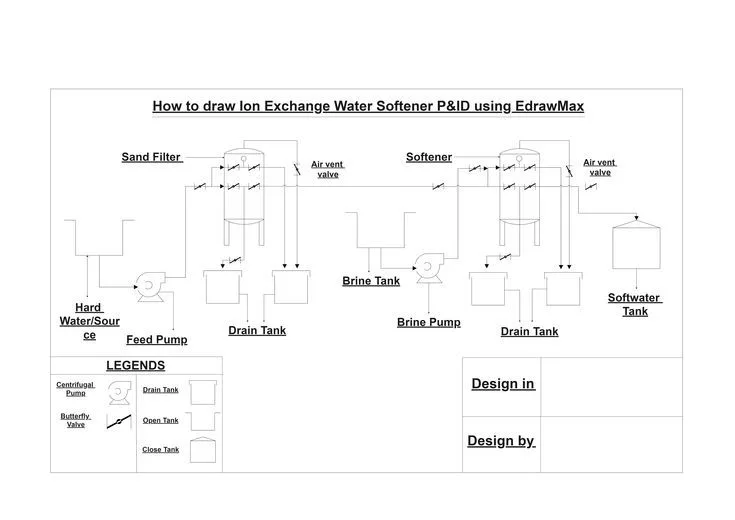
Over time the resin becomes saturated and must be regenerated. During regeneration, a salt solution flushes the beads and restores the sodium charge. Most modern dishwashers run this cycle automatically every few weeks.
The main components are:
- Resin tank
- Salt reservoir
- Control valve or dial
- Bypass valve for manual hardness adjustment
A typical unit can handle 30,000 to 50,000 grains of hardness before needing regeneration. Performance is often certified to NSF/ANSI 44. If you are also dealing with low water pressure, a softener can sometimes improve flow by preventing scale restriction.
Our article on low water pressure fixes covers related issues.
The regeneration process uses a small amount of water, usually less than a gallon. That water is then discharged into the drain. The cycle typically takes about ten minutes and does not require user intervention.
Some models include a timer that regenerates after a set number of cycles. Others use a sensor that measures the remaining capacity. Both approaches keep the resin effective.
What to Look For: Features and Components
When you evaluate a dishwasher water softener, pay attention to these features.
| Feature | What It Means | Why It Matters |
|---|---|---|
| Capacity (grains) | How much hardness it can treat before regeneration | Higher capacity means less frequent salt refills |
| Salt type | Pellets, tablets, or powder | Must match your dishwasher's manual to avoid damage |
| Adjustment dial | Lets you set the hardness level | Ensures the softener matches your water |
| Compatibility | Built‑in vs. external unit | Built‑in models save space but may limit upgrade options |
| Resin lifespan | Typically 5-10 years | Replacing resin is a major maintenance task |
Choose a model that matches your household's water hardness and your dishwasher's specifications. For households with heavy daily use, you might also consider dishwashers for large families that have robust softening systems built in.
Some models include a digital display that shows the remaining capacity. That feature helps you plan salt purchases and avoid unexpected depletion.
External units can be added to any dishwasher. They connect via a small hose and draw water from the inlet. Built‑in units are installed during manufacturing and are more compact.
Who Should Use One: Use Cases and Condition Variables
If your water hardness test shows more than 7 GPG, a softener is recommended. It is also useful if you notice any of the signs mentioned earlier.
Consider these scenarios:
- You live in an area with known hard water, such as the Midwest or Southwest.
- You have a large family that runs the dishwasher daily.
- You own an older dishwasher that already shows scaling.
- You want to reduce the amount of rinse aid and detergent you use.
If your water is soft (under 3.5 GPG), you may not need a softener at all. In that case, focus on proper detergent and rinse aid usage instead. For those who frequently cook with heavy soil, a model designed for heavy food residue might be more relevant.
Homeowners with well water should test annually. Well water hardness can change with rainfall and usage patterns. A softener provides consistent protection regardless of those fluctuations.
If you have a water heater that shows scale, the same hard water is affecting it. A dishwasher softener will not fix that, but a whole‑house unit would.
Step-by-Step: Installing and Setting Up Your Softener
Start by testing your water hardness. A digital meter gives a quick reading, while strips work but are less precise. The number you get drives every later decision.
Check the USGS water hardness map for your area. That map shows average grains per gallon by zip code.
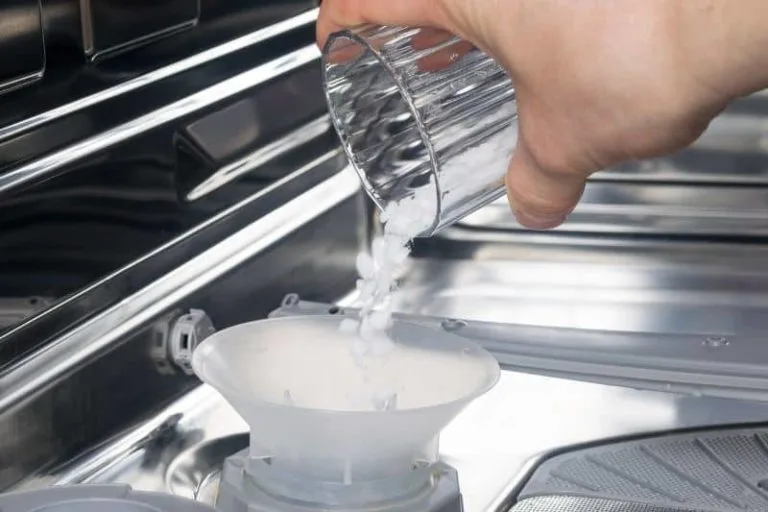
Next, open your dishwasher manual and find the recommended salt type. Pellets and tablets are common, powder is less common. Using the wrong salt can clog the system.
Follow this workflow:
- Test water hardness with a kit or online map.
- Choose salt that matches your dishwasher's specifications.
- Pre‑rinse the salt reservoir to remove debris.
- Fill the reservoir with salt, avoiding spills.
- Set the hardness dial or digital control to match your test result.
- Run a short cycle to flush the system.
- Check for error codes and clean up any brine overflow.
After setup, the softener will regenerate automatically. You only need to monitor the salt level. If your model lacks auto‑regeneration, schedule a manual cycle every 40 to 60 loads.
If you notice the dishwasher not drying dishes properly, scale may still be building. Our guide on fixing a dishwasher that won't dry can help you troubleshoot that related drying problem.
When you add salt, make sure the reservoir cap is clean. A tight seal prevents moisture from causing clumps.
If the softener is external, secure the hoses and check for leaks. A loose connection can reduce softening efficiency.
Alternatives and Comparisons: Softeners vs. Other Methods
An ion‑exchange softener is the most effective way to prevent scale, but it is not the only option. Each alternative has a place depending on your situation.
| Method | How It Works | Pros | Cons | Best For |
|---|---|---|---|---|
| Ion‑exchange softener | Swaps calcium/magnesium for sodium | Prevents scale, improves cleaning | Requires salt, takes space | Homes with >7 GPG |
| Vinegar descaling | Acid dissolves existing scale | Cheap, easy | Temporary, does not prevent future buildup | Occasional maintenance |
| Commercial water conditioner | Chemicals sequester minerals | No equipment needed | Ongoing cost, may affect taste | Renters, light use |
| Filtered or bottled water | Removes minerals via filtration or purchase | No salt, no maintenance | High cost, limited capacity | Small households, spot‑free glassware |
| Magnetic/electronic descaler | Claims to alter mineral structure | No salt, no maintenance | Limited scientific support, mixed results | Low‑hardness areas, as a supplement |
When shopping, look for NSF/ANSI 44 certification, which confirms the softener meets performance standards.
Vinegar is a good short‑term fix, but it will not stop new scale from forming. If you are renting and cannot install a softener, a commercial conditioner might be the simplest path. For households that want spot‑free glassware without salt, filtered water works but the cost adds up quickly.
If you run the dishwasher daily and have a large family, a softener sized for heavy use will pay off. Our article on dishwashers built for heavy use covers models with robust softening systems built in.
A whole‑house softener can also protect other appliances like water heaters and coffee makers. That option costs more but delivers broader benefits.
Some people use a combination of a softener and a rinse aid. The softener prevents scale while the rinse aid adds shine. That pairing works well in very hard water areas.
Pitfalls: Common Mistakes to Avoid
Even with a softener, a few common errors can reduce its effectiveness.
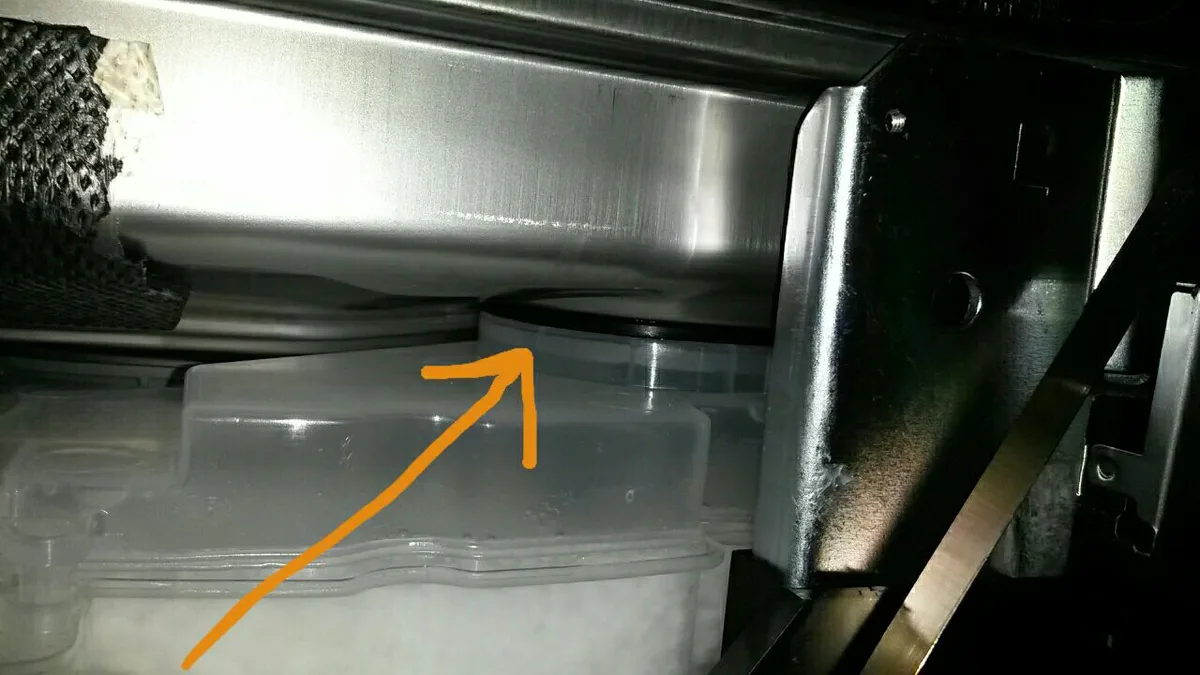
- Using table salt instead of dishwasher salt. The anti‑caking agents in table salt can damage the resin.
- Overfilling the salt reservoir. This leads to brine overflow on dishes.
- Ignoring the regeneration schedule. A saturated resin stops softening.
- Setting the hardness dial incorrectly. A wrong setting wastes salt or leaves water hard.
- Letting salt bridge in the reservoir. Humidity can cause salt to clump and block flow.
- Choosing an undersized unit. A softener that is too small will not keep up with household use.
If you see white residue on plates after a cycle, check the salt level and the hardness setting. Our guide on detergent pod issues covers similar symptoms and can help you rule out other causes.
A swollen door seal can be a sign of mineral buildup. Our article on door closing problems explains how to address it.
When you notice salt crust forming inside the reservoir, dissolve it with warm water before refilling. That prevents clogs and ensures even flow.
If the softener makes a grinding noise during regeneration, check for salt crystals in the brine well. Remove them gently with a plastic tool.
What It Costs: Pricing and Specifications
The upfront cost of a dishwasher water softener ranges from about $50 for a basic add‑on unit to $200 for a high‑capacity model built into the dishwasher. Salt is an ongoing expense.
| Item | Typical Cost | Notes |
|---|---|---|
| Dishwasher salt (pellets) | $0.50–$1.00 per pound | Monthly use is 5–10 lbs in hard‑water areas |
| Replacement resin | $30–$80 | Lasts 5–10 years |
| Energy savings | 15–25% per cycle | Soft water improves heating efficiency |
| Water test kit | $10–$30 | Digital meter is more accurate than strips |
A softener can also reduce the amount of rinse aid and detergent you use. Over a year, those savings can offset the cost of salt.
If you are comparing dishwashers, models with built‑in softening often cost more upfront but may save on repairs. Our review of hardwired dishwasher replacements includes options with advanced water treatment.
When you factor in reduced detergent use, the total cost of ownership can drop by $50 to $100 per year compared to a dishwasher without softening.
Salt prices vary by brand and region. Buying in bulk can lower the per‑pound cost. Look for sales at hardware stores.
Pro Tips: Expert Advice for Best Results
Test your water annually. Hardness can change with seasonal variations and new infrastructure.
Clean the salt reservoir once a year. Empty it, rinse out any crust, and refill with fresh salt. A clean reservoir prevents clogs.
Inspect the resin every 3 to 5 years. If it looks discolored or fouled, it may need replacement. Manufacturer manuals often include a resin lifespan estimate.
Run a regeneration cycle manually if you notice reduced softening. Most models have a button or dial to trigger it. Schedule it every 40 to 60 loads in hard‑water areas.
Check the water hardness setting seasonally. Winter can increase hardness as groundwater changes. Adjust the dial accordingly.
If your dishwasher has a filter, clean it according to the manual. A clogged filter can mimic softening problems.
For homes with very hard water, consider a separate water softener for the whole house. That approach protects all appliances, not just the dishwasher.
Keep a spare bag of salt on hand. Running out mid‑cycle can leave dishes spotted until the next regeneration.
If you travel for long periods, run a regeneration before you leave. That prevents stagnant water from damaging the resin.
Safety First: Handling Salt and Compliance
Wear gloves when you handle dishwasher salt. The crystals can irritate skin and eyes. Keep the salt dry to prevent clumping.
Use only salt labeled for dishwashers. Table salt contains anti‑caking agents that can damage the resin. Check your manual for the correct form.
Disposal rules vary by locality. Some areas accept salt containers in regular trash, others require recycling. Contact your waste management agency for guidance.
Look for NSF/ANSI 44 certification on softener units. That standard verifies the system reduces hardness effectively.
If you have a medical condition that requires a low‑sodium diet, discuss with your doctor. The small amount of sodium added to water is generally safe.
Store salt in a cool, dry place. Moisture causes clumping and can reduce the effectiveness of the softener.
Do not mix different salt types. Combining pellets and powder can create a sludge that clogs the system.
Keeping It Running: Maintenance and Optimization
Clean the salt reservoir once a year. Empty it, rinse out any crust, and refill with fresh salt. A clean reservoir prevents clogs.
Inspect the resin every 3 to 5 years. If it looks discolored or fouled, it may need replacement. Manufacturer manuals often include a resin lifespan estimate.
Run a regeneration cycle manually if you notice reduced softening. Most models have a button or dial to trigger it. Schedule it every 40 to 60 loads inhard-water areas.
Check the water hardness setting seasonally. Winter can increase hardness as groundwater changes. Adjust the dial accordingly.
If your dishwasher has a filter, clean it according to the manual. A clogged filter can mimic softening problems.
Keep a spare bag of salt on hand. Running out mid-cycle can leave dishes spotted until the next regeneration.
If you travel for long periods, run a regeneration before you leave. That prevents stagnant water from damaging the resin.
Your Questions Answered: FAQs
How often should I add salt?
Add salt when the indicator light comes on or every 1 to 2 months. In very hard water areas, you may need to refill monthly. Check the salt level visually every few weeks.
Can I use water softener salt instead of dishwasher salt?
Yes, if it is the same purity and form. Pellets made for water softeners are often compatible. Avoid salt with additives.
Confirm with your dishwasher manual.
Why are my dishes still spotting?
Spotting can mean the softener is not regenerating, the hardness setting is wrong, or rinse aid is low. Verify the salt level, run a regeneration, and adjust the dial. Our guide on detergent pod issues covers related symptoms.
Will a softener make my dishes taste salty?
No. The sodium ions stay on the resin. Only a tiny amount enters the water, far below taste thresholds.
If you notice a salty taste, check for brine overflow.
Is a dishwasher water softener worth the cost?
For homes with water above 7 GPG, yes. You will save on rinse aid, detergent, and repair costs. Energy savings of 15 to 25 percent add up over the appliance's life.
Real Scenarios: What to Expect in Different Homes
In a small apartment with moderately hard water, a basic built-in softener may suffice. You will add salt every 6 to 8 weeks. Dishes come out spotless with minimal rinse aid.
A large family with very hard water needs a high-capacity softener. Expect to refill salt monthly. The softener will regenerate more often, but the appliance will run efficiently.
Our article on dishwashers for large families covers models with robust systems.
In a rural home with well water, test annually. Well water hardness can fluctuate. A whole-house softener paired with the dishwasher's built-in unit provides the best protection.
A renter who cannot install a permanent softener can use a portable unit or a commercial conditioner. These options are less effective but can reduce spotting between moves.
Making the Call: Final Decision Guide
If your water hardness test shows more than 7 GPG, install a softener. Choose a model that matches your dishwasher's specifications. Set the hardness dial to the measured value.
If your water is between 3.5 and 7 GPG, a softener is optional. Use rinse aid and check for spots. Upgrade if you notice scaling.
If your water is under 3.5 GPG, skip the softener. Focus on proper detergent and rinse aid usage. Save the salt and space.
When shopping, look for NSF/ANSI 44 certification. That ensures the unit performs as claimed. Read owner reviews for reliability.
If you are unsure, contact a water treatment professional. They can test your water and recommend the right setup. The U.S.
Geological Survey provides a water hardness map to help you understand your local conditions.
