
Is your dishwasher consistently leaving behind odors, streaks, or even food residue? While many automatically reach for vinegar to tackle these issues, there are compelling reasons to explore alternatives. Vinegar's acidity, though effective for some tasks, can degrade rubber seals and hoses over time, potentially leading to costly repairs. Furthermore, some people find the pungent vinegar smell lingering in their kitchen unpleasant, or notice a cloudy film on glassware.
Fortunately, achieving a sparkling clean dishwasher and fresh-smelling dishes doesn't require vinegar. This guide offers a deep dive into effective, gentle, and easy methods to clean and maintain your dishwasher, ensuring it runs efficiently and keeps your kitchenware pristine. We’ll cover essential supplies, detailed step-by-step instructions for various natural cleaning agents, and troubleshooting tips to keep your appliance in top condition.
Why Consider Cleaning Your Dishwasher Without Vinegar?
While vinegar is a popular DIY cleaning staple, its use in dishwashers isn't universally recommended. Understanding its potential drawbacks can help you make informed decisions about maintaining your appliance.
The Downside of Acidity: Protecting Your Dishwasher's Components
Vinegar's strength lies in its acidity, which helps break down mineral deposits and grime. However, this very acidity can be a double-edged sword for your dishwasher. The rubber seals around the door, the hoses that convey water, and even certain metal components can be slowly eroded by frequent exposure to highly acidic solutions. Over time, this can lead to leaks, reduced efficiency, and shortened appliance lifespan. In practice, many manufacturers advise against using vinegar for this reason.
Lingering Scents and Unpleasant Residues
Beyond potential damage, the strong odor of vinegar can be off-putting. If you're sensitive to smells or simply prefer a neutral or pleasant aroma in your kitchen, vinegar may not be your ideal cleaning agent. Additionally, if not thoroughly rinsed, vinegar can leave behind a residue that contributes to a cloudy appearance on glassware, defeating the purpose of a clean dishwasher.
Embracing Gentler, Effective Alternatives
Fortunately, the market and nature provide a wealth of effective cleaning agents that are much kinder to your dishwasher's internal components and your olfactory senses. These alternatives are often just as potent at tackling grease, grime, and odors but without the harsh chemical impact.
Essential Supplies for a Vinegar-Free Clean
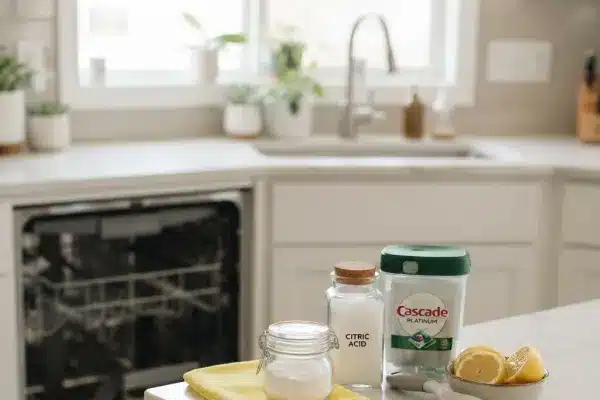
Gathering the right tools and cleaning agents is key to a successful and efficient dishwasher cleaning session. You might be surprised to find that many of these items are already in your pantry or readily available.
- Baking Soda: A true multi-tasker, baking soda is a mild abrasive and an excellent deodorizer.
- Lemon Juice (or Citric Acid): Natural acids that can break down grease and mineral deposits while leaving a pleasant scent.
- Hydrogen Peroxide: A mild disinfectant that can tackle bacteria and remove stains.
- Soft Cloths or Sponges (Non-Abrasive): Essential for wiping down surfaces without scratching. Microfiber cloths are excellent for drying and polishing.
- Dish Brush (Soft Bristles): Useful for scrubbing corners and reaching tight spots.
- Essential Oils (Optional): For adding a fresh, natural fragrance after cleaning.
- Empty Water Bottle or Spray Bottle: For applying cleaning solutions.
For those interested in the ultimate in natural, powerful cleaners, citric acid is often sold in powdered form and is a highly effective component in many home cleaning recipes. You can find it online or in baking aisles of supermarkets.
The Baking Soda Method: A Pantry Staple for Freshness
Baking soda stands out as one of the most versatile and gentle cleaning agents available, making it a prime candidate for a vinegar-free dishwasher clean. It effectively neutralizes odors and acts as a mild abrasive to scrub away grime without harming surfaces.
Preparing Your Dishwasher for a Deep Clean
Before you begin, ensure your dishwasher is empty of all dishes and cutlery. This allows the cleaning agents to reach every internal surface and prevents any potential cross-contamination. Next, locate and remove the dishwasher's filter, typically found at the bottom of the appliance. Most filters can be easily lifted out and then rinsed under warm running water to remove accumulated food particles and debris. If the spray arms appear clogged with food debris, use a toothpick or a small, pointed object to gently clear any blockages. This preparation step is crucial for a thorough clean and optimal water circulation during the cleaning cycle.
Applying Baking Soda for Maximum Impact
Once the dishwasher is empty and the filter is clean, it's time to introduce the baking soda. Generously sprinkle about one cup of baking soda across the bottom of the empty dishwasher tub. For areas that seem particularly grimy or odorous, you can focus a little extra powder. Baking soda works by absorbing lingering smells and its gentle abrasive nature helps lift away stuck-on food remnants and grease.
Running the Baking Soda Cleaning Cycle
Select your dishwasher's hottest water cycle. The high temperature is crucial for activating the baking soda's cleaning properties and ensuring it dissolves and circulates effectively throughout the machine. Close the door and let the cycle run its full course. The combination of hot water and baking soda will work to break down grease, deodorize the interior, and leave your dishwasher smelling fresh and looking clean. After the cycle finishes, do a quick visual check for any leftover residue and wipe down any damp spots with a clean cloth.
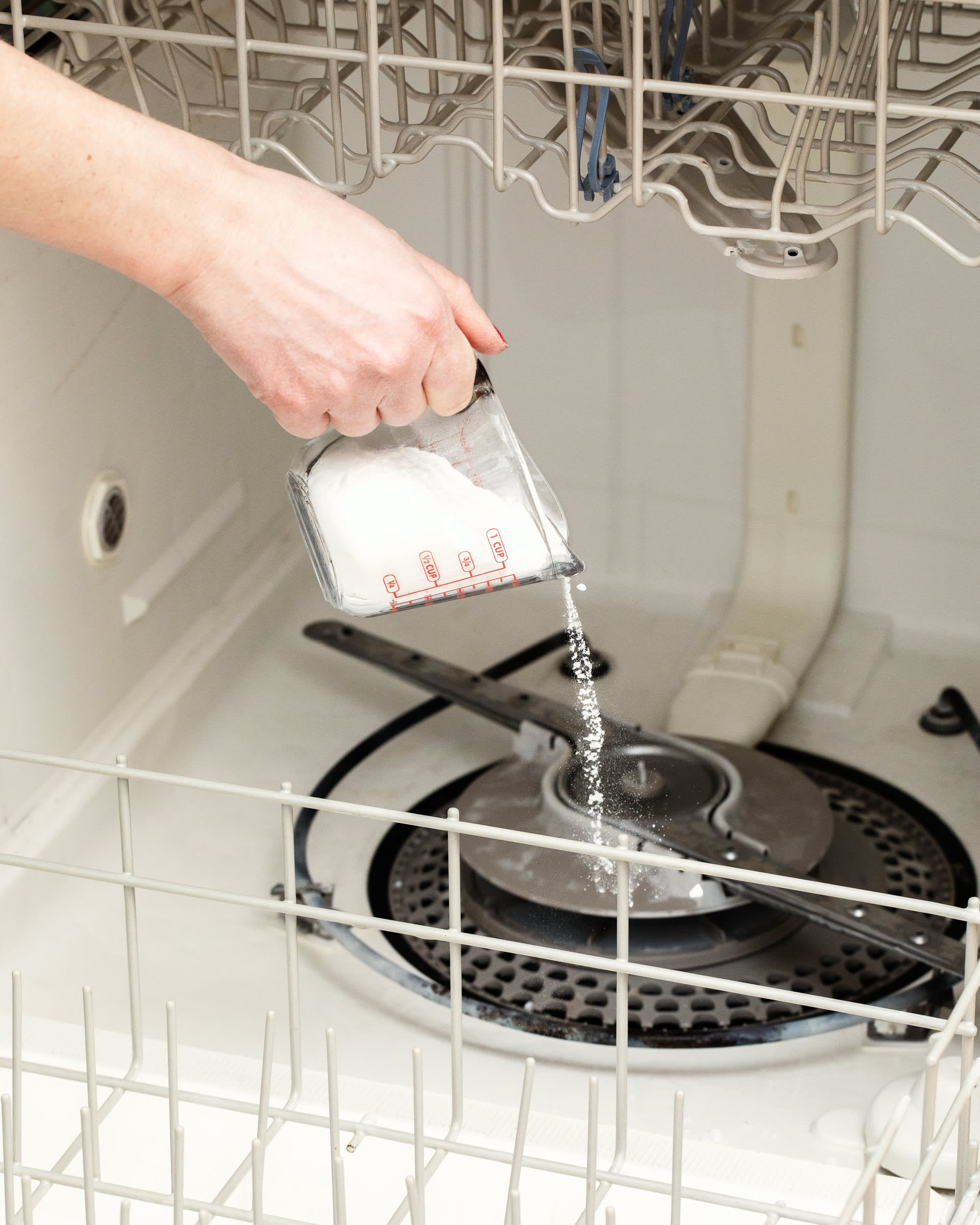 Sprinkle baking soda across the entire bottom surface of the tub.
Credit: www.thekitchn.com
Sprinkle baking soda across the entire bottom surface of the tub.
Credit: www.thekitchn.com
The Lemon Juice or Citric Acid Approach: Nature's Degreaser
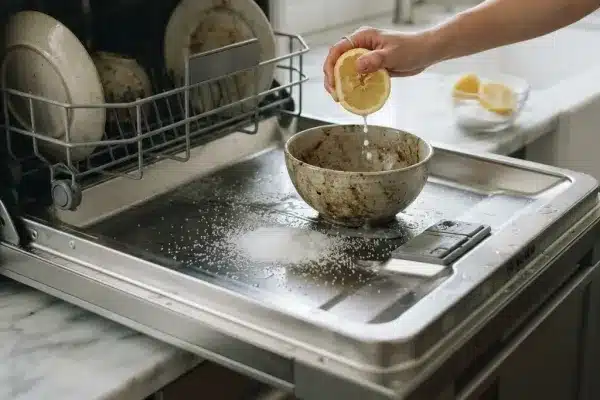
For those seeking a natural alternative to vinegar that also imparts a pleasant, fresh scent, lemon juice or its more concentrated form, citric acid, is an excellent choice. These natural acids are adept at cutting through grease and hard water stains without the harshness of vinegar.
Using Fresh Lemon Juice for a Refreshing Clean
If you have fresh lemons on hand, squeeze about half a cup of juice into the bottom of your empty dishwasher. You can also place a few lemon wedges directly into the cutlery basket or on the top rack. Run a normal cycle with hot water. The natural acidity of the lemon juice will help to break down grease, remove minor stains, and leave behind a light, fresh citrus aroma. This method is particularly good for regular freshening.
Harnessing the Power of Citric Acid
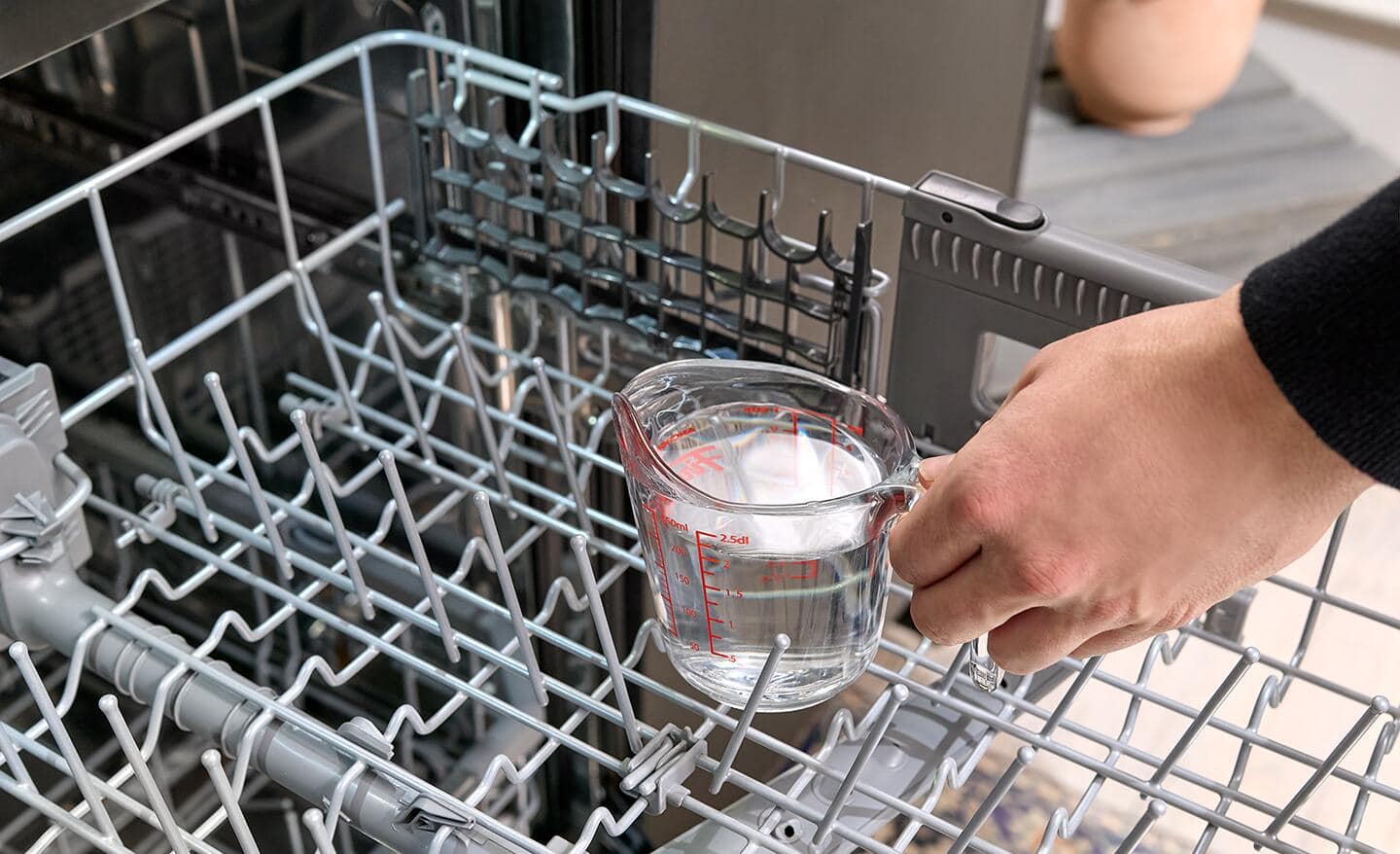
Citric acid, readily available in powdered form, offers a more potent acidic cleaning boost. Measure out approximately one to two tablespoons of citric acid powder and sprinkle it directly into the bottom of your empty dishwasher tub. Alternatively, for a more controlled application, you can dissolve the citric acid in a cup of hot water and pour this solution into the bottom of the tub or into the detergent compartment. Run a hot water cycle. The heat will help dissolve the citric acid, allowing it to circulate and tackle stubborn buildup and hard water deposits effectively.
The Hydrogen Peroxide Method: For Deeper Disinfection
Hydrogen peroxide is a mild disinfectant and an effective stain remover, making it a valuable tool for cleaning your dishwasher without vinegar. It's particularly useful for tackling bacteria and stubborn, discolored areas.
Mixing Your Hydrogen Peroxide Solution
For this method, you'll need standard 3% hydrogen peroxide, commonly found in pharmacies and grocery stores. Mix equal parts hydrogen peroxide and water in a clean spray bottle. For example, if you use one cup of hydrogen peroxide, mix it with one cup of water. This creates a potent yet relatively safe cleaning solution. It's best to mix only what you need for each cleaning session, as hydrogen peroxide can degrade over time.
Applying Hydrogen Peroxide for Maximum Effectiveness
Start by emptying the dishwasher entirely and checking for any large food debris. Spray the interior surfaces generously with the hydrogen peroxide and water mixture. Pay special attention to the door seals, edges, and the bottom of the tub where grime and mildew can accumulate. Allow the solution to sit for at least 15 to 30 minutes. This dwell time allows the hydrogen peroxide to break down bacteria, lift stains, and deodorize the surfaces. After the soak time, use a soft, damp cloth or sponge to wipe down all treated areas. For any particularly stubborn spots, a soft brush can be used with gentle scrubbing. Rinse thoroughly with a clean, damp cloth to remove any lingering peroxide solution.
 Use a soft cloth for wiping down interior surfaces after application.
Credit: www.homedepot.com
Use a soft cloth for wiping down interior surfaces after application.
Credit: www.homedepot.com
Essential Oils for a Naturally Fragrant Finish
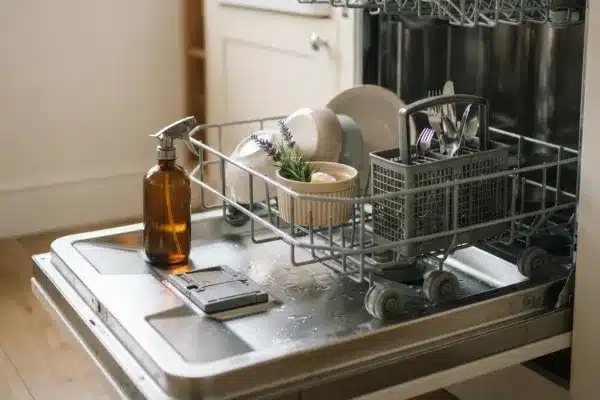
While not a primary cleaning agent, essential oils can provide a delightful finishing touch, ensuring your dishwasher doesn't just smell clean but actually is fresh. They are a natural alternative to artificial fragrances often found in commercial cleaners.
Choosing Your Scent Profile
Several essential oils offer beneficial properties for cleaning and scent.
- Lemon or Orange Oil: Known for their degreasing properties and bright, uplifting citrus scents.
- Tea Tree Oil: Possesses strong antimicrobial and antifungal properties, making it excellent for a deep clean and odor elimination.
- Lavender Oil: Offers a calming and pleasant aroma, masking any residual odors effectively.
- Peppermint Oil: Provides a crisp, clean minty scent.
Select oils based on your personal preference and desired cleaning outcome.
Incorporating Essential Oils into Your Routine
The simplest way to use essential oils is to add a few drops (3-5) directly into the detergent dispenser or sprinkled onto a cloth that you then place on the top rack before running a hot water cycle. The steam generated during the wash will help diffuse the scent throughout the interior of the dishwasher. For manual wiping, place a drop or two on your damp cleaning cloth when cleaning the interior components and door. This method adds a pleasant aroma without any chemical residue.
Regular Maintenance: The Key to Longevity
Consistent, simple maintenance is the best way to keep your dishwasher running efficiently, prevent the need for harsh deep cleans, and avoid common problems like odors and debris buildup. Think of it as ongoing preventative care.
Daily Habits for a Cleaner Machine
- **Wipe
