
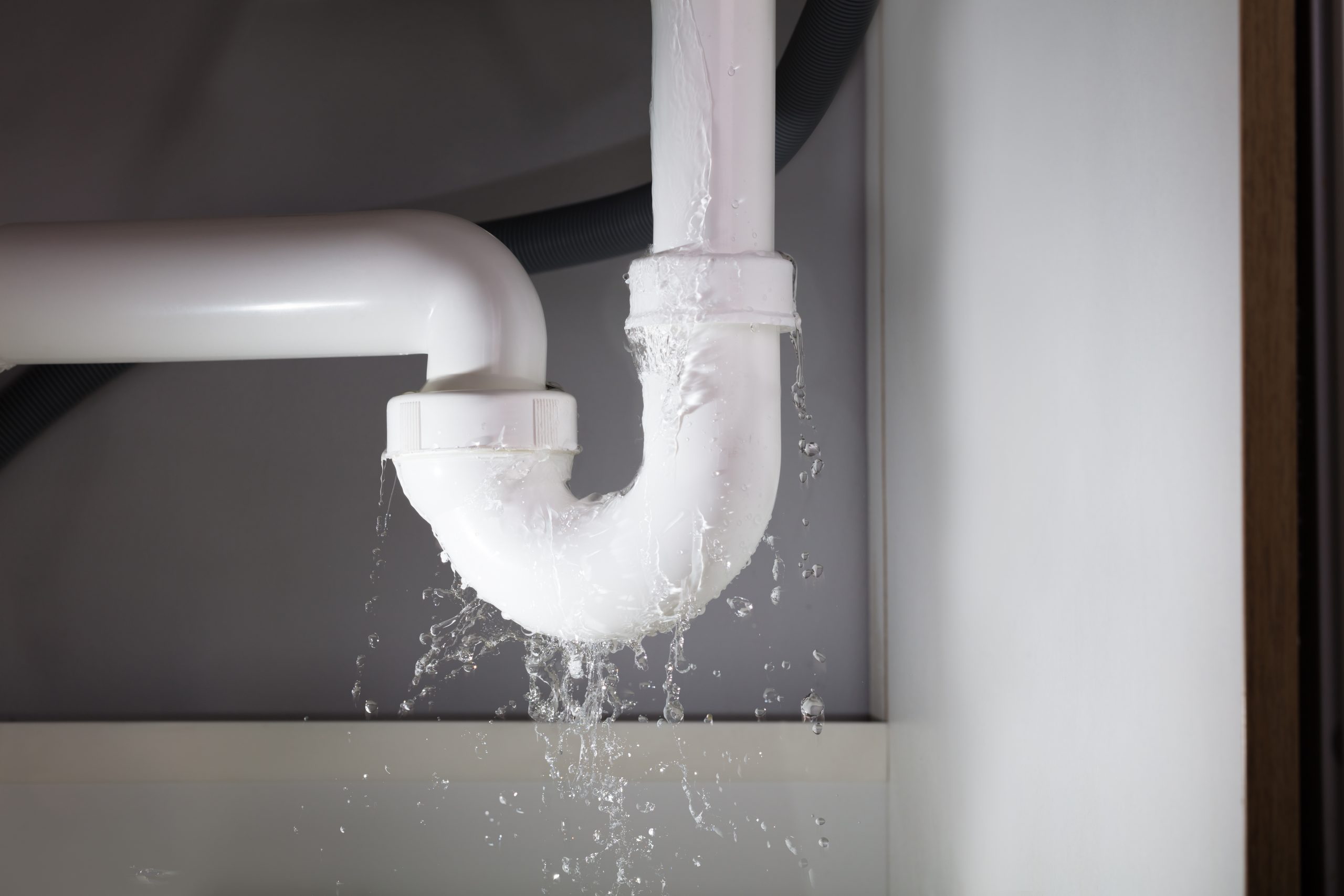
Is your kitchen sink leaking under the cabinet? That dripping sound can quickly turn into a big problem if ignored.
You might not see the damage right away, but water leaks can ruin your cabinets, cause mold, and lead to costly repairs. Don’t wait until the issue gets worse. You’ll discover simple ways to find the leak, fix it fast, and protect your kitchen from future damage.
Keep reading to save your sink—and your sanity.
Credit: piccfla.com
Common Causes Of Leaks
Leaks under your kitchen sink cabinet can be frustrating and cause damage if left unnoticed. Understanding what commonly causes these leaks helps you spot problems early and decide if you can fix them yourself or need a professional. Let’s break down the usual suspects behind those annoying drips and puddles.
Loose Connections
Loose connections often happen where pipes join or connect to the faucet. Over time, vibrations, temperature changes, or simple wear can cause fittings to loosen. Have you checked the nuts and bolts around your sink lately? Tightening these can sometimes stop a leak immediately without any extra work.
Worn Out Seals
Seals and gaskets keep water from escaping at joints and between components. When these seals age, they crack or shrink, letting water slip through. If you notice wet spots but no obvious pipe damage, worn seals might be the cause. Replacing these small parts is usually affordable and straightforward.
Damaged Pipes
Cracks, holes, or corrosion in pipes under your sink can cause persistent leaks. Damage can result from accidental knocks, freezing temperatures, or metal deterioration. If you spot rust or water stains on pipes, it’s time to inspect closely—ignoring these signs can lead to bigger problems later.
Clogged Drains
Sometimes, water backs up and leaks because the drain is clogged. Food scraps, grease, and soap buildup can block the flow, increasing pressure inside the pipes. Have you ever noticed water pooling beneath the sink after heavy use? Clearing the clog can relieve pressure and stop leaks from forming.
Credit: www.diychatroom.com
Identifying The Leak Source
Finding the exact source of a kitchen sink leak under the cabinet is crucial. This helps avoid unnecessary repairs and saves money. Start by focusing on common leak points to isolate the problem fast.
Visual Inspection
Begin by looking closely under the sink. Check for wet spots, stains, or mold. These signs often point to where water escapes. Use a flashlight to see in dark corners and behind pipes. Look at the cabinet floor and walls for swelling or discoloration. Inspect the sink basin and drain area for cracks or gaps. Small drips or puddles can reveal the leak location.
Using Leak Detection Tools
Tools can help find leaks you cannot see. A moisture meter measures dampness in wood and drywall. It helps detect hidden water damage. Use a dye tablet or food coloring in the sink drain. Run water and check if color appears under the cabinet. Ultrasonic leak detectors pick up sounds of dripping water. These tools are handy for tight spaces and slow leaks.
Checking Water Supply Lines
Water supply lines often cause leaks under the sink. Examine the hoses and connectors for cracks or corrosion. Feel along the pipes for wet spots or dampness. Tighten any loose fittings with a wrench. Make sure the shut-off valves close fully and don’t drip. Replace old or damaged supply lines to prevent future leaks.
Tools And Materials Needed
Fixing a kitchen sink leak under the cabinet needs specific tools and materials. Having the right items makes the repair easier and faster. It also helps avoid extra damage or mistakes. Preparing these tools and materials before starting saves time and effort.
Basic Plumbing Tools
- Adjustable wrench – for tightening or loosening nuts and bolts
- Pipe wrench – useful for gripping and turning pipes
- Plumber’s tape (Teflon tape) – seals pipe threads to prevent leaks
- Bucket – to catch dripping water during repair
- Pipe cutter or hacksaw – cuts pipes if replacement is needed
- Slip-joint pliers – grips and twists small parts
- Flashlight – helps see under the sink in dark spaces
- Screwdrivers – for removing or tightening screws
Sealants And Tape
- Plumber’s putty – seals sink drains and fittings
- Silicone caulk – waterproofs joints and cracks
- Thread seal tape (Teflon tape) – wraps around pipe threads
- Pipe joint compound – used on threaded connections
Replacement Parts
- New washers or O-rings – common causes of leaks
- Replacement pipes or pipe sections – if old pipes are damaged
- Sink drain assembly – if the leak is from the drain
- Faucet parts – handles or cartridges may need replacement
Quick Fix Steps
Fixing a leaking kitchen sink under the cabinet can prevent water damage and save money. Quick fixes often stop leaks without calling a plumber. These simple steps help identify and solve common issues fast. Tools like a wrench, plumber’s tape, and replacement washers are useful. Work carefully to avoid worsening the leak.
Tightening Loose Fittings
Loose fittings cause many sink leaks. Use a wrench to gently tighten nuts and bolts under the sink. Avoid overtightening, which can crack pipes. Check all connections, including supply lines and drainpipes. Tightening these parts often stops drips and keeps water flowing properly.
Replacing Seals And Washers
Old seals and washers wear out and cause leaks. Turn off the water supply before removing pipes. Replace worn-out washers with new ones of the same size. Apply silicone sealant around seals for better protection. New seals create a tight barrier to prevent water escape.
Applying Plumber’s Tape
Plumber’s tape seals threaded pipe joints. Wrap the tape around pipe threads in a clockwise direction. Use 2-3 layers for a strong seal. This tape fills gaps and stops leaks at connections. It’s cheap and easy to apply for a quick fix.
Unclogging Drains
Clogged drains cause water to back up and leak. Use a plunger or drain snake to clear blockages. Avoid harsh chemicals that can damage pipes. Regular cleaning keeps drains flowing smoothly and reduces leak risks. Clear drains also prevent bad smells under the sink.
Preventive Measures
Preventing a kitchen sink leak under your cabinet saves you from costly repairs and the headache of water damage. Taking simple actions regularly can keep your plumbing in good shape and avoid surprises. Let’s look at practical steps you can take to keep your sink area dry and secure.
Regular Maintenance Tips
Check your pipes and fittings every few months. Look for loose connections or signs of corrosion around joints and valves.
Cleaning the drain and trap regularly helps avoid clogs that increase pressure and cause leaks. Use mild, non-corrosive cleaners to protect your pipes.
Make a habit of tightening any loose nuts under the sink with a wrench. This small effort can prevent water from seeping out slowly over time.
Monitoring For Early Signs
Watch for damp spots or discoloration under the cabinet. These are early warnings that moisture is escaping somewhere.
Notice any unusual smells, like a musty or moldy odor. This often means water has been leaking unnoticed and mold is beginning to grow.
Pay attention to the sound of dripping or running water when the sink is off. It might indicate a hidden leak that needs immediate attention.
Proper Use Of Sink Fixtures
Don’t overload your sink with heavy pots or items that strain the drain and pipes below. This pressure can loosen seals and joints.
Avoid pouring grease or coffee grounds down the drain. These substances build up and cause blockages that lead to leaks.
Use faucet handles gently and avoid forcing them open or shut. Excessive force can damage internal parts and cause water to drip.
Credit: www.facebook.com
When To Call A Professional
Knowing when to call a professional for a kitchen sink leak under the cabinet can save you time, money, and frustration. Some leaks look simple but hide bigger problems that require expert attention. Understanding the warning signs helps you decide if a quick DIY fix is enough or if you need a plumber’s help.
Complex Pipe Damage
Not all leaks come from a loose connection or worn-out washer. Sometimes, pipes crack or corrode inside the wall or cabinet, making the leak harder to spot and fix. If you notice multiple leaks or water pooling even after tightening fittings, the damage might be beyond a simple repair.
Complex pipe issues often need specialized tools and knowledge. Attempting to fix them without experience can cause more damage. Ask yourself: Are the pipes old or showing signs of rust? That’s usually a clear signal to call a professional.
Persistent Leaks
If you keep fixing the same leak repeatedly, it’s a sign something bigger is wrong. Persistent leaks waste water and can increase your bills without visible improvement. When tightening or replacing parts doesn’t stop the drip, you need expert help to identify the root cause.
Sometimes, the leak comes from hidden places like faulty seals or damaged valves. A plumber can perform a thorough inspection and use tools like leak detectors. Don’t let frustration build up—persistent leaks require professional solutions.
Water Damage Concerns
Water stains, mold, or a musty smell under your cabinet are serious signs of ongoing leaks. Ignoring these can lead to structural damage and health risks. If you see any discoloration or feel dampness, it’s time to call a professional immediately.
Water damage can spread beyond the cabinet, affecting floors and walls. Quick professional intervention stops the damage and saves you from costly repairs later. Have you checked under your sink lately for any unusual signs?
Frequently Asked Questions
Why Is My Kitchen Sink Leaking Under The Cabinet?
A leak under the cabinet often means a loose or damaged pipe connection. Check for worn-out seals, cracks, or corrosion. Tighten fittings or replace faulty parts promptly to avoid water damage and mold growth.
How Can I Fix A Leaking Kitchen Sink Pipe?
Turn off the water supply first. Inspect the pipes for cracks or loose joints. Use plumber’s tape or tighten connections. Replace damaged pipes if necessary. If unsure, call a professional plumber for safe repair.
What Causes Water Damage Under Kitchen Cabinets?
Leaking pipes, faulty seals, or worn-out fixtures often cause water damage. Continuous moisture weakens wood, causing stains, warping, and mold. Regularly inspect plumbing and fix leaks quickly to prevent extensive damage and costly repairs.
Can I Prevent Kitchen Sink Leaks Under Cabinets?
Yes, regularly check pipes and fittings for leaks. Avoid harsh chemicals that damage seals. Clean drain traps and ensure proper installation. Early detection and maintenance help prevent leaks and protect your cabinets from water damage.
Conclusion
A leaking kitchen sink under the cabinet needs quick attention. Small drips can cause big problems like mold and wood damage. Fixing leaks early saves money and stress later. Check pipes and seals often to catch leaks fast. Call a plumber if the problem seems tough to fix.
Keeping your sink leak-free helps maintain a clean, healthy kitchen. Don’t ignore any signs of water under your cabinet. Act now to protect your home and peace of mind.
