
Sticky, baked-on grease that laughs at regular dish soap—every home cook and DIY mechanic knows the struggle. You could reach for a $5 bottle of white vinegar and baking soda, but when you're facing a greasy range hood filter or a caked-on engine block, "gentle and natural" rarely cuts it.
The truth is, the most effective homemade degreaser is often a carefully chosen commercial concentrate that you dilute yourself. By mixing your own cleaning solutions from professional-grade products, you get industrial-strength results at a fraction of the ready-to-use price. This guide walks through the top degreasers worth keeping on hand, how to use them safely, and exactly how they compare for kitchen, garage, and workshop grime.
Why "Homemade" Doesn't Always Mean Kitchen Ingredients
A common mistake is assuming the strongest homemade degreaser comes from vinegar, lemon juice, and baking soda. These ingredients work for light daily cleaning, but they lack the surfactants and solvents needed to break down polymerized grease—the hard, amber-colored film on stovetops and oven doors.
True industrial-strength degreasing requires:
- Surfactants that lift oil from surfaces so water can rinse it away
- Alkalinity (high pH) to saponify animal fats and vegetable oils
- Solvents that dissolve petroleum-based greases and adhesives
- Biodegradability so you're not dumping harsh chemicals down the drain
The smartest homemade degreaser approach is buying concentrated industrial cleaners and diluting them yourself. You control the strength, save money, and reduce plastic waste.
The Chemistry of Cutting Grease: pH, Surfactants, and Solvents
Understanding a few basics helps you pick the right product for each job rather than grabbing whatever bottle is closest.
Alkaline vs. Solvent-Based Degreasers
- Alkaline degreasers (high pH, typically 9–13) work by turning fats and oils into soap through saponification. They're excellent on kitchen grease, food soils, and organic residues. Most "industrial" spray cleaners fall here.
- Solvent-based degreasers use hydrocarbons or citrus terpenes to dissolve petroleum-based greases. They're the go-to for engine bays, tools coated in heavy oil, and adhesive residue.
- Water-based hybrids combine both approaches—mild alkalinity with d-limonene (citrus oil) or other solvents. These are the most versatile for home use.
The Role of Temperature
Heat dramatically improves degreasing power. Warm water (120–140°F) lowers grease viscosity and speeds up chemical reactions. For the best results with any concentrate, use hot water during mixing and application.
How to Choose Your Degreaser by Surface
Not every degreaser is safe on every material. Using the wrong one can etch aluminum, dull painted surfaces, or damage sealed stone. Here is a quick-reference compatibility guide:
| Surface Type | Safe Options | Avoid |
|---|---|---|
| Stainless steel | Simple Green, Krud Kutter, Method | High-alkaline solvents left too long |
| Aluminum (engine parts, cookware) | 3D Grand Blast, diluted Simple Green | High-pH caustics; they pit the metal |
| Painted surfaces (walls, cabinets) | Krud Kutter, diluted Zep Citrus | Abrasive scrub pads, undiluted solvents |
| Glass and ceramic stovetops | Any mild degreaser with soft cloth | Citrus degreasers that leave film |
| Plastic (cutting boards, containers) | Method, diluted Oil Eater | Strong solvents that cause clouding |
| Porcelain and enamel | Easy-Off Specialty, Krud Kutter | Abrasive powders or steel wool |
| Concrete (garage floors) | Oil Eater, Simple Green concentrate | Bleach-based cleaners (ineffective on oil) |
Always test on an inconspicuous spot first—especially on painted, polished, or anodized surfaces.
Top 10 Industrial Degreasers Compared
Each of these products earns its spot for a specific use case. Below is a detailed breakdown of strengths, weaknesses, and best applications.
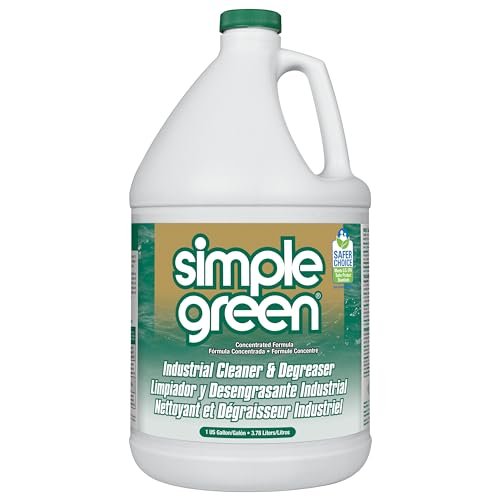
Simple Green 13005CT Industrial Cleaner & Degreaser (Concentrated)
 The non-toxic workhorse that handles everything from kitchen hood filters to garage floor stains.
This is the gold standard for green industrial cleaning. The concentrated formula dilutes anywhere from 1:10 for light duty to 1:1 for baked-on carbon. It's biodegradable and non-toxic, making it safe around food prep areas if rinsed properly.
Best for: All-purpose cleaning—counters, floors, tools, engine parts, outdoor gear.
Dilution guide:
- Light cleaning (counters, floors): 1 oz per 10 oz water
- Medium grease (stovetops, range hoods): 1 oz per 4 oz water
- Heavy carbon (oven interiors, grills): 1 oz per 1 oz water
Practical tip: For tough range hood filters, soak them overnight in a 1:4 solution of Simple Green to hot water. The grease lifts off with a soft brush by morning.
Easy-Off Heavy Duty Degreaser Cleaner Spray
 A fast-acting aerosol that blasts through kitchen messes on contact.
This is the one you grab for immediate spot-cleaning—splattered grease behind the stove, crusty drip pans, or the greasy backsplash that somehow keeps reappearing. It works in seconds, but the chemical smell is strong, so open a window and wear gloves.
Best for: Quick kitchen degreasing, oven interiors, stovetop grates.
What to watch for: It can discolor some non-stick coatings and painted surfaces. Rinse thoroughly within two minutes of application.
Simple Green 73434010 Industrial Cleaner & Degreaser (Lemon Scent)
 Same powerful concentrate with a citrus-bright aroma that lingers pleasantly.
If the original Simple Green's scent bothers you, this lemon version offers identical performance with a noticeably fresher finish. It's the same chemistry, same dilution ratios, but it leaves surfaces smelling clean rather than "chemical-clean."
Best for: Kitchens, food prep areas, and any space where you want a pleasant scent after cleaning.
Comparison note: Performance is identical to the original—the only difference is added fragrance. If you're sensitive to scents, stick with the fragrance-free version.
Krud Kutter 305373 Kitchen Degreaser All-Purpose Cleaner
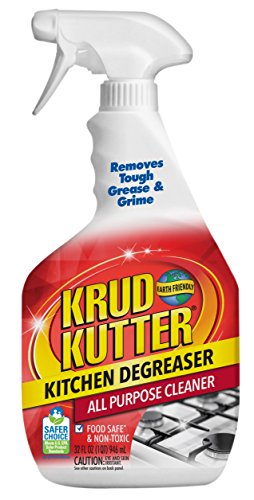 A non-toxic degreaser that actually lives up to the "non-toxic" label.
Krud Kutter uses a proprietary surfactant technology instead of caustic alkalinity. The result is a degreaser that's safe enough to use on countertops where you prep food, yet strong enough to dissolve weeks of bacon grease buildup. It dries streak-free on stainless steel—rare for any degreaser.
Best for: Kitchen counters, stainless steel appliances, backsplashes, painted cabinets.
Surface safety: Safe on sealed granite, quartz, and butcher block (test first). Leaves no residue that attracts dust.
Method Heavy Duty Degreaser (Lemongrass Scent)
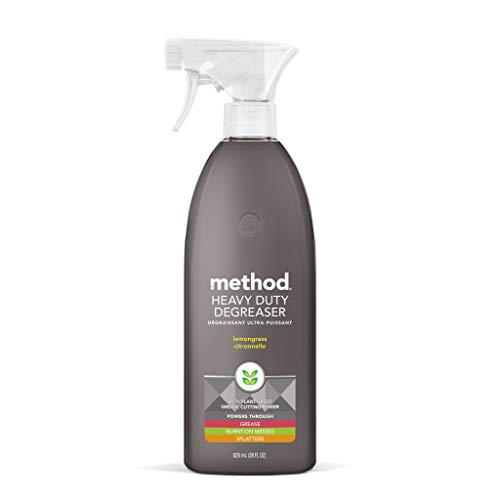 A plant-based degreaser that's gentle enough for daily kitchen maintenance.
Method's formula relies on natural solvents like coconut-derived surfactants. It won't touch carbonized oven spills on the first pass, but it excels at preventing buildup. Use it weekly on stovetops and inside microwaves to keep grease from ever hardening.
Best for: Regular maintenance cleaning, light to moderate kitchen grease, and anyone avoiding harsh fumes.
Trade-off: For heavy jobs, you'll need multiple applications or a stronger product. Think of this as your daily driver, not your deep-cleaning weapon.
Oil Eater Original 1 Gallon Cleaner & Degreaser
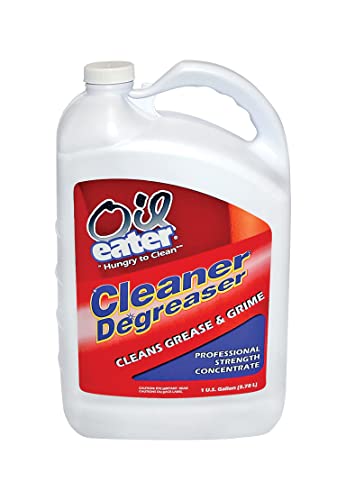 Professional-grade degreaser that mechanics and restaurant operators rely on.
Oil Eater's claim to fame is dissolving petroleum-based grease that other cleaners leave behind. It's the go-to for garage floors, engine bays, driveways, and commercial kitchen exhaust systems. The concentrated formula can be used full-strength on thick carbon deposits or diluted for lighter work.
Best for: Engine parts, garage floors, heavy machinery, commercial kitchen hoods, grill grates.
Application method: Spray full-strength, let sit 10–15 minutes, scrub with a stiff brush, then pressure-wash or hose off. For floors, apply, scrub with a push broom, and rinse.
STANLEY HOME PRODUCTS Original Degreaser
 A reliable multipurpose degreaser from a name trusted for durability.
STANLEY brings the same sturdy reputation from tools to cleaning. This degreaser is formulated for home and light commercial use, handling kitchen grease, bathroom soap scum, and workshop grime without the overpowering chemical odor of heavier-duty options.
Best for: Home kitchens, workshops, bathrooms, general household degreasing.
Ease of use: Ready-to-spray, no dilution needed. Works well on greasy range hood filters, baseboards in the kitchen, and tool handles.
3D Grand Blast Engine Degreaser
 The biodegradable specialist for automotive engine cleaning.
For auto enthusiasts, this is the degreaser that doesn't leave white stains on aluminum or attack rubber seals. It's specifically balanced to be safe on engine components while still dissolving heavy carbon and oil sludge. The non-staining formula is also effective on wheels, exhaust tips, and undercarriage parts.
Best for: Engine bays, wheels, exhausts, motorcycle chains, lawn mower decks.
Professional tip: Spray on a cool engine, let dwell for 5 minutes, scrub with a detailing brush, then rinse with a gentle stream of water—not a pressure washer, which can force water into electrical connectors.
Zep Heavy Duty Citrus Degreaser and Cleaner Mist
 Precision mist formulation for hard-to-reach grease spots.
The mist spray sets this apart—it delivers fine, even coverage that reaches into the crevices of range hood louvers, between stovetop burner grates, and around oven knobs. The citrus solvent cuts through adhesive residue and dried-on food soil without excessive scrubbing.
Best for: Detailed cleaning around knobs, vents, and tight spaces; removing sticker residue and adhesive.
Surface note: Citrus oils can dull some plastics over time. Rinse within a few minutes on synthetic surfaces.
Easy-Off Specialty Kitchen Degreaser Cleaner (Lemon)
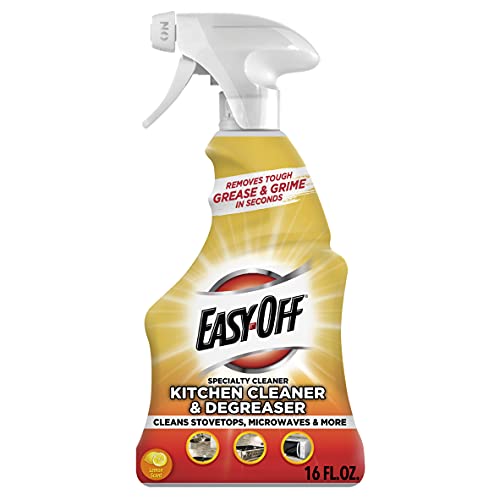 A targeted formula for the most stubborn kitchen surface soils.
Unlike Easy-Off's heavy-duty spray, the "Specialty" version is formulated for delicate kitchen surfaces like sealed granite and ceramic cooktops. It still cuts grease effectively but with a milder pH that won't etch stone or discolor grout.
Best for: Granite countertops, ceramic stovetops, porcelain sinks, and any kitchen surface that's too delicate for harsher degreasers.
Caution: Still test on a hidden area. Very porous natural stone (unsealed marble) can absorb any degreaser.
How to Make Your Own Heavy-Duty Degreaser Spray Using Concentrates
Buying a concentrate is step one. Making it into a convenient spray that works for your specific task is step two. Here's a simple system:
Equipment needed:
- A 32 oz spray bottle (dedicate one for degreaser)
- Measuring cup or kitchen scale
- Funnel
- Hot tap water
All-purpose kitchen spray (medium strength):
- Add 4 oz Simple Green concentrate to the bottle
- Fill with hot water to the 32 oz line
- Shake gently—don't create foam
- Label the bottle clearly
Heavy-duty garage spray (full strength):
- Use Oil Eater or Simple Green undiluted in a spray bottle
- Add a few drops of dish soap to help it cling to vertical surfaces
- Apply, let sit, scrub, then rinse
Pro tip: For stubborn carbon on oven racks or grill grates, submerge them in a 5-gallon bucket with 1 cup Simple Green concentrate and hot water. Soak overnight, then scrub with a nylon brush. The carbon softens dramatically.
Safety First: Protecting Yourself, Your Surfaces, and the Environment
Using industrial-strength degreasers safely is non-negotiable. Here's what you need to know:
Personal Protection
- Gloves: Wear nitrile or neoprene gloves. Latex dissolves quickly in solvent degreasers.
- Eye protection: Splash goggles when using spray bottles or mixing concentrates. A splash to the eye is painful and dangerous.
- Ventilation: Open windows and run exhaust fans. Even "green" degreasers create airborne particulates that irritate lungs.
Surface Protection
- Always dilute according to the label. More is not better—overly strong solutions can etch surfaces and leave residue that attracts more dirt.
- Rinse thoroughly. Any degreaser left to dry on a surface will leave a film that looks clean until it traps the next round of grease.
- Avoid bleach and ammonia mixes. Never combine degreasers with bleach or ammonia—toxic chlorine or chloramine gas can form.
Disposal and Environmental Impact
- Use biodegradable products when possible (Simple Green, Krud Kutter, Method, Oil Eater).
- Never pour degreaser into storm drains. Dispose of waste water down a sink connected to a municipal treatment system.
- For garage floor cleaning, absorb leftover degreaser with cat litter, let dry, and dispose in the trash.
The EPA's Safer Choice program provides a database of certified environmentally preferable cleaning products—a useful reference when evaluating alternatives.
Frequently Asked Questions
What is the most effective homemade degreaser recipe for baked-on kitchen grease?
The most effective homemade degreaser is a dilute solution of a commercial concentrate like Simple Green—not a pantry recipe. Mix 1 part Simple Green concentrate with 4 parts hot water in a spray bottle. Apply, let sit 5 minutes, scrub, and rinse. For tougher carbon, use a 1:1 ratio.
Can I use these degreasers in my dishwasher to clean filters and spray arms?
You can soak removable dishwasher parts in a diluted degreaser solution. Remove the filter and spray arms, soak in 1:10 Simple Green solution for 30 minutes, scrub, and rinse thoroughly. Never run degreaser through a dishwasher cycle—it will destroy seals. For specific guidance on maintaining your machine, see our article on correct fluid levels and maintenance routines.
How do I degrease a stainless steel range hood without leaving streaks?
Use Krud Kutter or a 1:10 Simple Green dilution. Spray lightly, wipe with a microfiber cloth in the direction of the grain, then buff dry with a fresh cloth. Avoid letting any cleaner pool in corners. The same technique works for giving your entire kitchen a polished look—our guide on polishing and protecting the finish covers the details.
Is there a degreaser safe for cleaning painted kitchen cabinets?
Krud Kutter and diluted Simple Green are both safe on painted cabinets if used correctly—spray onto a cloth, not directly onto the cabinet, and wipe gently. Wipe off any excess immediately. Avoid oil-based citrus degreasers on painted surfaces; they can soften latex paint over time.
What's the best degreaser for cleaning range hood filters?
Full-strength or 1:1 diluted Simple Green works best. Remove the filter, spray both sides generously, let sit 10 minutes, scrub with a dish brush, and rinse with hot water. For aluminum mesh filters, avoid high-pH caustic cleaners (like oven cleaner) that can discolor the metal. If you're unfamiliar with removing the filter, checking how to unfasten your specific model is a good first step.
Can I clean my oven's interior with these degreasers?
Yes, but avoid getting them on heating elements or gas burners. Spray onto a cloth, then wipe surfaces. For self-cleaning ovens, stick with manual spot-cleaning and use the pyrolytic cycle for overall buildup. Never combine degreasers with oven-cleaning chemicals that contain lye.
How do I degrease kitchen pipes and drain traps?
Pour a 1:1 mixture of hot water and Simple Green concentrate down the kitchen sink drain. Let sit 15 minutes, then flush with boiling water. This dissolves grease buildup inside pipes without damaging plumbing. For persistent clogs, you may need to disassemble the trap—here's a guide to accessing and cleaning the pipes safely.
Conclusion
The best homemade degreaser isn't a secret family recipe—it's a smart buying and mixing strategy. By purchasing concentrated industrial cleaners and diluting them to match each specific job, you get professional-grade results without paying for pre-diluted water in a spray bottle.
Your quick-reference cheat sheet:
- For daily kitchen maintenance: Method or Krud Kutter (gentle, food-safe)
- For heavy kitchen grease: Easy-Off or Simple Green concentrate (undiluted or 1:1)
- For engine parts and garage: Oil Eater or 3D Grand Blast (solvent-based)
- For delicate surfaces: Easy-Off Specialty or diluted Krud Kutter
- For green cleaning on a budget: Simple Green concentrate (most versatile per dollar)
Start with Simple Green concentrate as your all-purpose workhorse, add Krud Kutter for kitchen surfaces you want streak-free, and keep Oil Eater or 3D Grand Blast for automotive jobs. Three bottles cover everything from your stovetop to your engine bay.
Choose the right tool for the grime, dilute thoughtfully, protect your surfaces and yourself, and you'll save money while getting cleaner results. That's the real secret to a homemade degreaser that actually works.
