
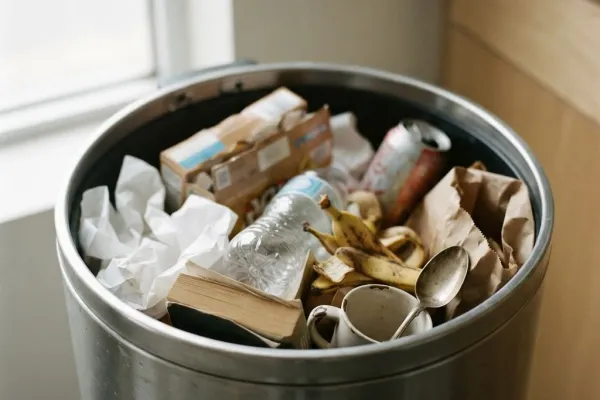
A sealed trash bag is a time capsule of your household’s daily life. Inside a typical bin you will find far more than discarded leftovers: the contents reveal your consumption patterns, the materials you interact with, and the opportunities you may be missing to reduce waste or recover value. Once you learn to read what is actually in the can, small habit changes can lower your environmental footprint and even save money. This guide breaks down the real composition of household waste, the items worth salvaging, safe handling practices, and practical next steps for cleaner, smarter disposal.
The Real Composition of Household Trash
Most kitchen bins follow a predictable pattern. In practice, the heaviest share by weight is food, followed by packaging and paper. A common mistake is assuming “everything smelly” belongs in the same stream—separating materials correctly is what unlocks composting, recycling, and reuse. Below is a breakdown of the major categories you’ll encounter.
Food Scraps and Organic Waste
Food waste is usually the largest single category in a residential bin. Spoiled produce, leftover meals, coffee grounds, eggshells, and expired dairy account for a substantial share of discards. When these organics break down in a sealed landfill, they generate methane, a potent greenhouse gas. In a home setting, a countertop compost pail or a municipal organics program diverts that material into soil-building compost instead of a climate liability. Even a small habits shift—like keeping a dedicated container under the sink—can pull 20–30% of bin volume out of the trash.
 Overripe fruits and vegetables dominate the organic share of a typical household bin.
Plastic Packaging and Single-Use Items
Plastic films, tubs, clamshells, and bottle caps are designed for convenience but persist for centuries. A plastic bag can remain intact for hundreds of years, eventually fragmenting into microplastics. The practical fix is upstream: buy in bulk, choose reusable storage, and avoid excessively wrapped goods. For the plastic that does enter the bin, check your local guidelines—many curbside programs now accept only rigid #1 and #2 containers, while films require a separate store drop-off.
Paper, Cardboard, and Tissue Products
Clean paper, flattened boxes, and dry mail are highly recyclable, but grease and food residue quietly sabotage the stream. A pizza box with oil stains, for example, usually belongs in the compost or trash, not the recycling. Keeping paper dry and separate from wet waste is one of the easiest wins for any household. For more kitchen efficiency guides, explore our household waste reduction tips that cut contamination at the source.
Glass, Metals, and Non-Recyclables
Glass bottles and jars are infinitely recyclable, but broken glass is often hazardous and should be wrapped before disposal. Aluminum and steel cans have high scrap value. Non-recyclable composites—such as chip bags, plastic-coated wrappers, and foam trays—end up in the landfill. A quick glance at the bottom of any container tells you if it’s #1, #2, or another resin code; if it’s #3 through #7, check local acceptance.
Hazardous and E-Waste
Batteries, paint, cleaning chemicals, and electronics are frequently tossed into the regular bin out of convenience. This is one of the most dangerous mistakes. Batteries can spark fires in collection trucks, and e-waste leaches lead and mercury. Most municipalities run free drop-off events for hazardous household waste. Before discarding, set aside a small box for these items and schedule a trip to the nearest facility.
Hidden Treasures You Might Be Throwing Away
Beyond routine discards, bins often contain items with real residual worth. Recognizing these “treasures” turns waste sorting from a chore into a recovery step.
Recyclables with Deposit Value
Aluminum cans, glass bottles, and #1 or #2 plastics are routinely thrown away out of habit. Aluminum is especially valuable: recycling it saves roughly 95% of the energy needed to make new metal from ore. In states or regions with container deposit laws, those bottles and cans also carry a direct refund value. Setting a small bin aside for returns pays for itself and keeps material circular.
Discarded Electronics and Cords
Old phones, chargers, and small devices contain recoverable copper, gold, and rare-earth elements. A functional device may only need a charge or a repair; otherwise, an e-waste program safely reclaims components and keeps lead or mercury out of the soil. Before discarding electronics, look for a manufacturer take-back or a municipal collection event.
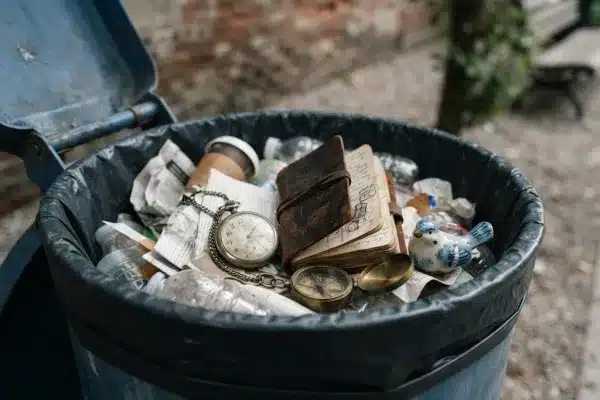 Recyclables and small electronics often hide inside mixed household garbage.
Forgotten Valuables and Sentimental Items
During fast cleanouts, jewelry, photos, and small heirlooms can slip into the bag. A simple “inspect before you discard” rule—checking pockets, boxes, and drawers—prevents permanent loss. If you are clearing under the sink and notice a tracing odors from under the sink, do that inspection before tying off the bag.
Upcyclable Materials
Glass jars become pantry storage, worn cotton becomes rags, and broken ceramics can turn into mosaic material. The key trade-off is time: upcycling saves resources but needs effort. Start with one category—like jar lids or fabric—and expand only if it fits your routine. For example, old t-shirts cut into squares make excellent dust cloths, and glass jars with lids can organize screws or spices.
How Long Your Trash Actually Lasts
Decomposition timelines show why sorting matters. The table below reflects commonly cited estimates from the U.S. National Park Service and waste agencies; exact durations vary with sunlight, moisture, and landfill conditions.
| Material | Estimated Breakdown Time |
|---|---|
| Paper towel | 2–4 weeks |
| Cardboard | ~2 months |
| Apple core | 1–2 months |
| Cotton rag | 1–5 months |
| Wool sock | 1–5 years |
| Plastic bag | 20–1,000 years |
| Aluminum can | 200–500 years |
| Glass bottle | 1 million+ years |
These ranges explain why the EPA’s waste management guidance emphasizes reduction and recovery over disposal alone.
 A single bag mixes materials that will outlast the person who discarded them.
Health and Safety When Sorting the Bin
If you open bags to recover items, treat the contents as a biohazard. In practice, gloves and ventilation prevent most issues. A common mistake is reaching into a bag without protection—one sharp shard or needle can cause serious injury.
Protective Gear and Setup
Wear heavy-duty gloves, safety glasses, and a dust mask. Empty bags onto a tarp in a ventilated space rather than reaching blind. Keep a sanitized brush handy—our proper brush cleaning routine works for any scrubber you use on bins. A quick wash keeps your tools from spreading bacteria between sorts.
Common Bacteria and Odor Control
Damp organics foster E. coli, Salmonella, and Staphylococcus. A tight lid, frequent emptying, and a vinegar rinse limit growth. If maggots appear, they are fly larvae on decaying food; remove the source, scrub the can, and improve drainage. Persistent odor near the kitchen often points to a fixing a slow leak under the sink, not just the bin.
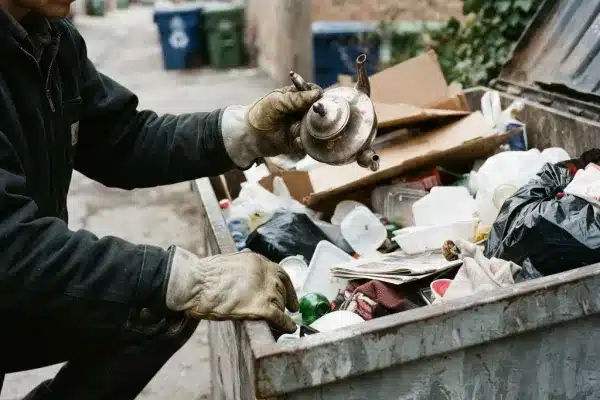 Basic protective gear makes manual sorting safe and productive.
Step-by-Step Guide to Smarter Waste Sorting
Follow this routine to turn a single bin audit into a habit:
- Wear proper gear – Put on gloves, glasses, and a mask before handling any bag.
- Spread contents on a clean tarp – Work in a well-ventilated area, preferably outdoors.
- Separate into three piles – Trash (non-recyclable, non-compostable), recyclables (clean paper, metal, glass, rigid plastic), and organics (food scraps, soiled paper).
- Check for hidden valuables – Scan for electronics, coins, sentimental items, and deposit containers.
- Rinse recyclables – Empty and rinse bottles and cans to prevent contamination.
- Bag each stream separately – Use clear bags for recyclables so your facility can see the contents.
- Sanitize the bin – Spray with a 1:10 vinegar-water solution and let it dry before relining.
This process takes about 15 minutes the first time; it gets faster with practice. If you spot a musty smell near the pipes during the cleanup, investigate for leaks before starting a new bag.
Modern Waste Systems for 2026
Modern facilities use optical sorters and robotics to split mixed recycling in milliseconds. At home, smart bins with sensors and community compost programs close the loop. If you are installing a vented cooking setup that changes where waste is generated, our planning your kitchen workspace layout helps plan the workspace. Reduced airborne grease also keeps nearby bins cleaner. For homes without ducting, installing a non-vented range hood is an alternative that still captures particles.
You can also sign up for a local curbside composting service—many now offer weekly pickup for a small fee, which cuts your trash volume by up to 40%. The USDA’s food waste reduction hub provides free resources for starting a home compost pile or vermicomposting system.
Frequently Asked Questions
How Did Maggots Appear in My Trash Can?
Flies lay eggs on warm, moist food waste. A sealed lid and regular emptying prevent hatches; a vinegar-and-water scrub removes residue they attract. If you see them, remove the infested bag immediately, scrub the bin with hot soapy water, and dry it thoroughly before replacing the liner.
What Kinds of Items Are Typically Found in a Trash Can?
Food scraps, plastic packaging, paper, glass, metals, and non-recyclable composites. Batteries, paint, and chemicals need separate hazardous-waste drop-offs. A typical 13-gallon kitchen bin contains roughly 40% organics, 30% packaging, 20% paper, and 10% miscellaneous.
What Common Bacteria Reside in Trash Cans?
E. coli, Salmonella, and Staphylococcus thrive in damp organic waste. Routine sanitizing and drying the can between liners reduces risk. A quick spray of diluted bleach (1 tablespoon per gallon of water) once a month kills persistent pathogens.
How Does Japan Keep Public Spaces Clean Without Many Trash Cans?
Cultural norms put responsibility on individuals to carry waste home and sort it. The result is less litter and more mindful consumption. You can adopt a similar mindset by keeping a small “take-home” bag in your car or backpack for any wrappers you generate on the go.
Conclusion
What sits inside a trash can is a mirror of daily choices, not just “garbage.” By separating food, recovering recyclables, and inspecting before discarding, you cut methane, reclaim value, and build safer habits. Start this week by auditing one bag—then explore our full article library for deeper waste-reduction routines. A small shift in how you look at the bin can save you money, protect the environment, and even uncover a forgotten treasure.
