
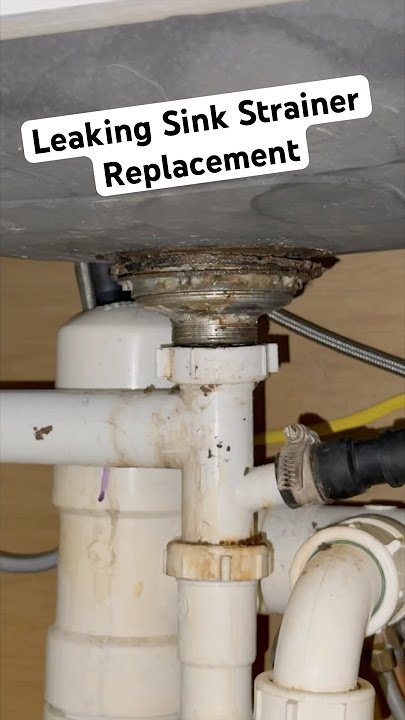
Is water dripping under your kitchen sink? A leaky pipe might seem like a small problem, but it can quickly turn into a costly mess.
You don’t need to call a plumber right away or spend a fortune to fix it. With a few simple steps, you can stop the leak and protect your kitchen from water damage. Keep reading, and you’ll learn exactly how to fix that stubborn drip fast and easy, even if you’ve never done plumbing before.
Your kitchen—and your wallet—will thank you.

Credit: sincityplumbing.com
Identify The Leak Source
Before you can fix a leaky pipe under your kitchen sink, you need to find exactly where the leak is coming from. Identifying the leak source can save you time, effort, and money by targeting the right problem. It’s a straightforward process, but it requires a careful eye and a bit of patience.
Check The Pipe Connections
Start by examining all the pipe connections under your sink. These joints are common spots for leaks because they can loosen over time. Look closely for any water droplets, dampness, or corrosion around the fittings.
Try gently tightening the connections with a wrench, but don’t overtighten—they can crack. If the leak stops, you’ve found your culprit. If not, keep searching.
Inspect The Drain Pipe
The drain pipe carries wastewater away, and damage here can cause leaks too. Run water through the sink and watch the drain pipe carefully. Check for any dripping or pooling water along its length.
Sometimes, blockages cause pressure that leads to leaks, so consider whether the sink is draining slowly. If you spot a leak, note whether it comes from a joint or the pipe itself.
Look For Corrosion Or Cracks
Metal pipes can rust, and plastic pipes can crack, both leading to leaks. Shine a flashlight along the pipes to spot any discoloration or small holes. Corrosion often appears as greenish or white buildup on metal surfaces.
Even tiny cracks can cause steady drips, so don’t overlook hairline fractures. If you find corrosion or cracks, you’ll likely need to replace that section of pipe rather than just tightening connections.

Credit: www.youtube.com
Gather Necessary Tools And Materials
Before you dive into fixing that leaky pipe under your kitchen sink, gathering the right tools and materials is key. Having everything on hand saves time and spares you the frustration of searching mid-repair. You’ll also work more efficiently and avoid mistakes caused by using improper gear.
Essential Tools For Repair
- Adjustable Wrench:A must-have for loosening and tightening pipe fittings.
- Pipe Wrench:Provides extra grip on stubborn pipes that won’t budge.
- Plumber’s Tape (Teflon Tape):Helps create a watertight seal on threaded pipe joints.
- Bucket:To catch water that drips when you disconnect pipes.
- Rags or Towels:Useful for quick cleanups and drying surfaces.
- Flashlight or Headlamp:Good lighting makes it easier to see tight spaces under the sink.
Do you have these tools already? If not, consider borrowing from a friend or buying affordable versions. It’s worth investing in quality tools since you might need them again for future plumbing fixes.
Recommended Replacement Parts
- Replacement Washers and Gaskets:These small parts often wear out and cause leaks.
- New Pipes or Pipe Sections:If the existing pipes are cracked or corroded, replacements are necessary.
- Slip Joint Nuts:These nuts secure pipe connections and may need swapping if stripped or damaged.
- Pipe Sealant or Plumber’s Putty:Helps ensure tight, leak-proof joints.
Have you checked the condition of your current parts? Sometimes replacing a tiny washer can save you from a bigger pipe replacement. Think about the cost difference and what the leak has already cost you in water waste.
Safety Gear
- Gloves:Protect your hands from sharp edges and dirty water.
- Safety Glasses:Shield your eyes from splashing water or debris.
- Knee Pads or Cushion:Working under the sink can be uncomfortable, so cushion your knees.
Never skip safety gear, even for small repairs. Have you ever felt frustrated by a minor injury that could’ve been avoided? Staying safe means you can finish your repair without setbacks.
Turn Off Water Supply
Stopping the water supply is the first action to fix a leaky pipe under your kitchen sink. It prevents water from flowing while you work on the repair. This step helps avoid water damage and keeps your workspace dry.
Locate The Shutoff Valve
Look under the kitchen sink for the shutoff valve. It is usually a small knob or lever attached to the pipe. Turn it clockwise to close the valve and stop the water flow. If you cannot find it, check near the main water line or call a professional.
Drain Remaining Water
Open the faucet to release water left in the pipes. Let it run until the water stops. This step clears the pipe and reduces spills during repair. Use a bucket or towels to catch any dripping water under the sink.
Fix Common Leak Types
Fixing common leaks under the kitchen sink saves water and prevents damage. Many leaks result from simple issues that anyone can fix. Identifying the leak type helps choose the right repair method. Small leaks often come from loose parts, worn washers, or tiny cracks. Quick fixes restore function and stop drips fast.
Tighten Loose Connections
Loose connections cause many leaks under the sink. Check all pipe joints and fittings. Use a wrench to gently tighten nuts and bolts. Avoid overtightening to prevent damage. After tightening, run water to check for leaks. Repeat if drips continue.
Replace Damaged Washers Or Seals
Worn washers or seals cause steady drips at joints. Turn off the water supply first. Remove the leaking part carefully. Take the washer or seal to a hardware store for a match. Install the new washer or seal snugly. Reassemble and test for leaks. This fix stops leaks at faucet bases or pipe joints.
Patch Small Cracks
Small cracks in pipes can drip water slowly. Dry the pipe area before repair. Use waterproof tape or pipe repair putty to cover the crack. Press firmly and smooth the patch. Allow it to set as per instructions. Check the repair by running water. Replace the pipe if cracks grow or leaks return.
Replace Sections Of Pipe
Replacing sections of a pipe under your kitchen sink can solve leaks that simple patching won’t fix. It gives you a fresh start with new materials that hold up better over time. Getting this right means fewer worries about water damage and a more reliable plumbing system.
Remove Old Pipe
Start by turning off your water supply to avoid any messy surprises. Use a wrench to carefully loosen the fittings connecting the old pipe to your sink and drain. Keep a bucket or towel handy, as some water will likely spill out when you disconnect the pipe.
Be gentle but firm to avoid damaging surrounding pipes or fixtures. Once loose, slide out the old pipe section completely. Check the removed pipe for any signs of corrosion or cracks—this helps you understand what caused the leak in the first place.
Install New Pipe
Choose a pipe material that matches your existing plumbing, whether it’s PVC, copper, or PEX. Cut the new pipe to the exact length needed, making sure the ends are smooth and clean for a perfect fit. Remember, even a slight misalignment can cause leaks.
Fit the new pipe section into place, aligning it with the existing pipes. If you’re using PVC, apply primer and cement to the joints for a strong seal. For metal pipes, thread seal tape on the fittings before tightening to prevent leaks.
Secure Connections Properly
Ensuring tight, secure connections is key to stopping leaks permanently. Use adjustable wrenches to snug the fittings, but avoid over-tightening, which can crack pipes or strip threads. After tightening, check the joints visually to confirm they’re flush and evenly aligned.
Turn your water supply back on slowly and watch the new pipe closely for any drips. If you spot a leak, try tightening the connection slightly more or reapply seal tape. Does your new pipe hold strong under pressure? This test reveals if your work will last or need a second look.
Test For Leaks
Testing for leaks under the kitchen sink is a vital step after fixing a pipe. This process ensures the repair is successful and stops water damage. Careful inspection helps catch any small drips that might still be present. Follow these simple steps to confirm the pipe is fully sealed and dry.
Turn Water Back On
Slowly open the main water valve under the sink. This allows water to flow back into the pipe. Listen for any unusual sounds like hissing or dripping. Keep the water running at low pressure at first to avoid sudden leaks.
Observe For Drips
Look closely around the repaired pipe area. Use a flashlight to spot tiny drops or wet spots. Check joints and fittings carefully. Keep watching for at least five minutes to ensure no leaks appear.
Perform Final Adjustments
If you see any leaks, tighten the connections gently. Use a wrench or pliers but avoid over-tightening. Wipe the pipe dry and test again. Repeat the process until no drips show.
Prevent Future Leaks
Preventing future leaks under your kitchen sink saves time and money. Taking simple actions can keep your plumbing strong and leak-free. Consistent care helps avoid damage and costly repairs.
Regular Maintenance Tips
Check pipes often for moisture or drips. Tighten loose connections gently with a wrench. Clean drains to prevent clogs that stress pipes. Replace worn washers and seals on schedule. Keep the area under the sink dry and clear.
Use Quality Materials
Choose durable pipes and fittings for repairs. Use plumber’s tape on threaded joints to seal better. Avoid cheap parts that wear out fast. Select corrosion-resistant materials like PVC or copper. Quality parts last longer and reduce leak risks.
Monitor For Early Signs
Look for puddles or damp spots regularly. Smell for musty odors that signal hidden leaks. Listen for dripping sounds behind cabinets. Watch water bills for unexpected rises. Early detection stops small leaks from growing.

Credit: www.misterplumber.ca
Frequently Asked Questions
How Do I Identify A Leaky Pipe Under The Sink?
Look for water puddles, dampness, or mold under the sink. Check pipe joints and connections for visible drips or corrosion signs.
What Tools Are Needed To Fix A Leaky Kitchen Pipe?
You need a wrench, plumber’s tape, pipe cutter, bucket, and replacement washers or pipes. These tools help in tightening or replacing faulty parts.
Can I Fix A Leaky Pipe Myself Safely?
Yes, with basic plumbing knowledge and proper tools, you can fix minor leaks safely. Always turn off the water supply before starting.
How Long Does It Take To Repair A Leaky Sink Pipe?
Simple fixes like tightening or replacing washers take 15-30 minutes. Complex repairs may require an hour or professional help.
Conclusion
Fixing a leaky pipe under the kitchen sink saves water and money. Start by turning off the water supply to avoid mess. Use basic tools and follow clear steps to repair the leak. Small leaks can cause big problems if left alone.
Keep an eye on the pipe after fixing to ensure no more drips. Regular checks help catch issues early and protect your home. You can handle this task yourself with patience and care. A dry, leak-free sink area feels safe and clean.
Simple repairs make a big difference in your kitchen’s health.
